

Can A Car Vacuum Clean Fabric Seats?
Yes, a car vacuum can clean fabric seats, but its effectiveness depends on the type of vacuum, the type of mess, and the tools you use. Standard household vacuums with appropriate attachments can do a decent job. However, specialized car vacuums designed for automotive interiors often provide better results due to their power, size, and specific attachments.
Fabric car seats are prone to collecting dust, crumbs, pet hair, and other debris. While a quick vacuum can remove surface dirt, tackling deeper stains or embedded particles might require more effort. Understanding the limitations and capabilities of your car vacuum is key to achieving clean seats.
Understanding Car Vacuums
Car vacuums come in various forms, from small, portable handheld units to more powerful, corded models. Handheld vacuums are convenient for quick cleanups and tight spaces. They are typically less powerful than their corded counterparts but are excellent for spot cleaning and regular maintenance.
Corded car vacuums, often resembling small shop vacs, offer stronger suction power. This makes them more effective at removing stubborn dirt, sand, and pet hair that might be deeply embedded in fabric. Many come with a variety of attachments, including crevice tools, brush heads, and upholstery nozzles, which are crucial for effectively cleaning car seats.
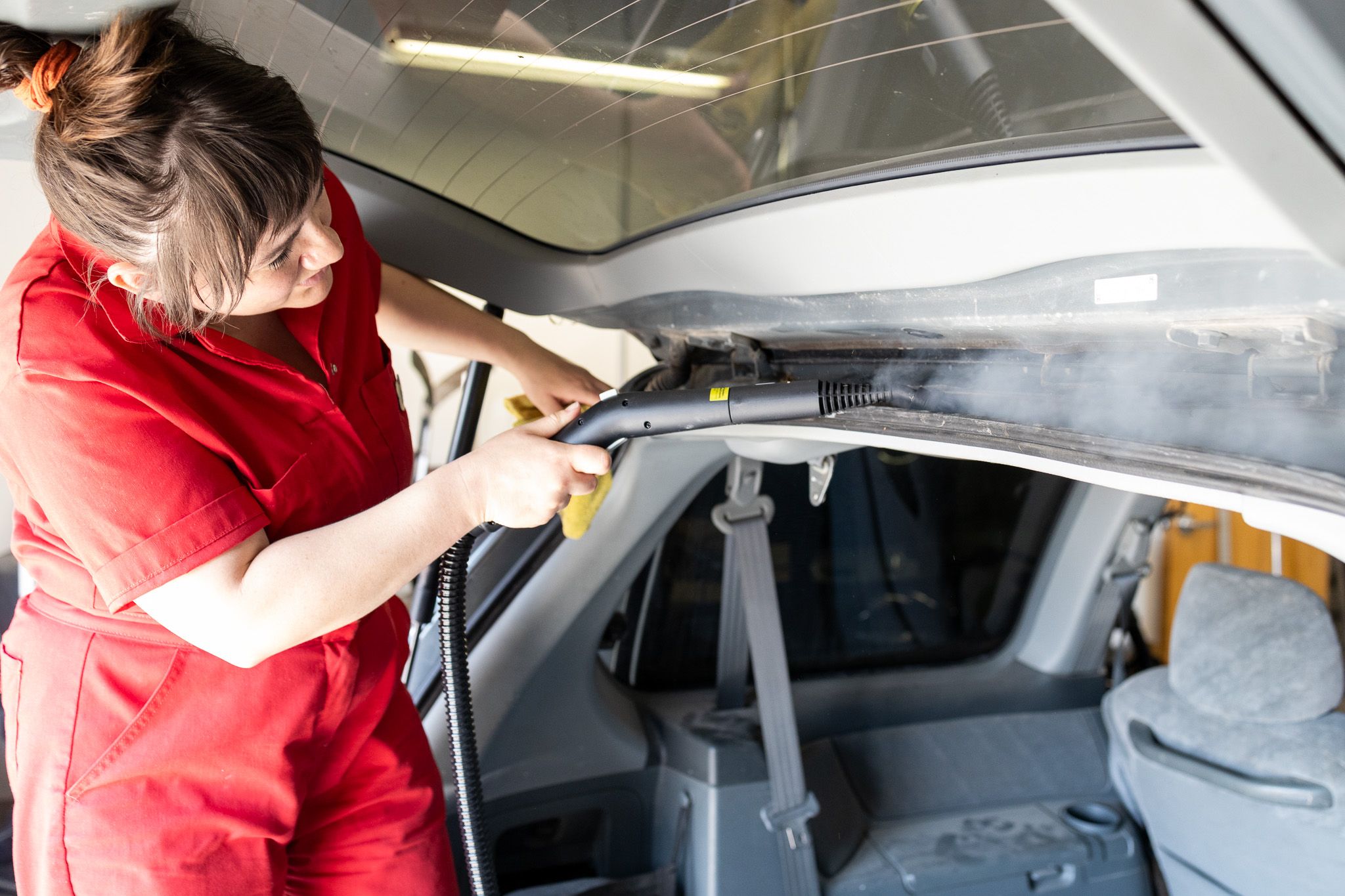
How Effective Is A Car Vacuum On Fabric Seats?
A car vacuum is generally effective for routine cleaning of fabric seats. It excels at removing loose debris like crumbs, dust, dirt, and surface-level pet hair. The suction pulls these particles out of the fabric weave, leaving the seats looking tidier.
However, vacuums have limitations. They are not designed to remove set-in stains or liquid spills. For these issues, you will need upholstery cleaners and specific stain removal techniques. Also, very fine dust or deeply embedded pet hair might require multiple passes or a vacuum with exceptionally strong suction.
Removing Loose Debris
For everyday dirt and crumbs, a car vacuum is your best friend. Using a upholstery attachment or a brush nozzle helps agitate the fabric fibers, loosening debris so the vacuum can suck it up. Moving the vacuum in different directions, forward, backward, and side-to-side, ensures you capture as much loose dirt as possible.
Tackling Pet Hair
Pet hair can be notoriously difficult to remove from fabric seats. While a standard vacuum attachment can pick up some hair, specialized pet hair attachments or those with stiff bristles are more effective. These attachments help to lift the hair from the fabric’s grip. For very stubborn hair, a pet hair removal brush used before vacuuming can significantly improve results.
Limitations With Stains And Spills
It’s crucial to understand that a vacuum cannot remove stains or liquid spills. Its function is to remove dry, loose particles. Attempting to vacuum a wet spill can damage the vacuum motor and spread the mess further. For stains, you’ll need to use appropriate fabric cleaners and blotting techniques.
Choosing The Right Vacuum Attachments
The attachments that come with your car vacuum are vital for cleaning fabric seats effectively. Different attachments serve different purposes, and using the right one can make a big difference.
- Upholstery Nozzle: This is a wide, flat attachment, often with a fabric strip. It’s designed to cover a larger area of fabric and is good for general cleaning.
- Crevice Tool: A long, narrow attachment perfect for reaching into the seams and tight corners of car seats where dirt and crumbs tend to accumulate.
- Brush Attachment: These have bristles that help agitate the fabric, loosening dirt and debris for easier suction. Stiffer bristles are better for tougher jobs like pet hair.
Pro Tip: Use A Stiff Brush Before Vacuuming
For heavily soiled fabric seats, especially those with embedded pet hair or dirt, using a stiff-bristled brush on the fabric *before* you vacuum can make a world of difference. This loosens the trapped particles, making them much easier for the vacuum to pick up.

How To Vacuum Fabric Seats Effectively
To get the best results when vacuuming fabric seats, follow these steps. This process ensures you remove as much dirt and debris as possible, leaving your seats looking cleaner and feeling fresher.
- Prepare the Area: Remove any trash, floor mats, or personal items from the seats and the car floor. This gives you clear access to the entire seat surface.
- Use the Right Attachment: Select an appropriate attachment, such as the upholstery nozzle or a brush attachment. For seams and tight spots, switch to the crevice tool.
- Start from the Top: Begin vacuuming from the headrest and work your way down. This way, any dirt you dislodge from higher areas will fall where you haven’t vacuumed yet.
- Use Overlapping Strokes: Move the vacuum slowly and deliberately, using overlapping strokes. This ensures you don’t miss any spots.
- Change Direction: Vacuum in multiple directions (e.g., forwards, backward, side-to-side) on each section. This helps lift dirt trapped in different directions within the fabric weave.
- Focus on Seams and Crevices: Use the crevice tool to thoroughly clean all seams, stitches, and areas where the seat meets the console or doors. This is where much of the debris collects.
- Empty the Vacuum: If your vacuum has a bag or canister, empty it regularly. A full vacuum loses suction power, making the job less effective.
Comparing Vacuum Types For Fabric Seats
When deciding which vacuum to use, consider the power and features offered by different types. This comparison can help you choose the best tool for your needs.
| Vacuum Type | Suction Power | Portability | Best For | Considerations |
|---|---|---|---|---|
| **Handheld** | Low to Medium | High | Quick cleanups, light dust, small spaces | Limited power for deep cleaning, small capacity |
| **Corded Car** | Medium to High | Medium | Deeper cleaning, pet hair, larger messes | Requires power outlet, can be bulky |
| **Shop Vac** | High | Low | Heavy-duty cleaning, large debris, wet/dry use | Bulky, noisy, may require adapter for car |
| **Robot Vac** | Low | Very High | Maintenance, light dust (if fits) | Not suitable for most car seats, very limited power |
In my experience, a corded car vacuum offers the best balance of power and convenience for regular fabric seat cleaning. While handhelds are great for touch-ups, they often lack the necessary suction for a thorough job.

Beyond Vacuuming: Deep Cleaning Fabric Seats
Vacuuming is an essential first step, but for truly clean fabric seats, you might need to go further. Deep cleaning involves tackling stains and odors that vacuuming alone cannot address.
Stain Removal
For spots and stains, you’ll need an upholstery cleaner. Always test the cleaner on an inconspicuous area of the seat first to ensure it doesn’t cause discoloration. Typically, you’ll spray the cleaner, gently agitate with a soft brush or cloth, and then blot the area with a clean, dry towel. Avoid soaking the fabric, as excess moisture can lead to mold or mildew.
Odor Elimination
Fabric seats can trap odors from food, smoke, pets, or dampness. After vacuuming and spot cleaning, consider using a fabric refresher spray or a deodorizer designed for car interiors. Baking soda sprinkled lightly on the seats, left for a few hours, and then vacuumed up can also help absorb odors. For persistent smells, professional detailing might be necessary.
Final Thoughts On Car Vacuums And Fabric Seats
A car vacuum is an indispensable tool for maintaining clean fabric car seats. It effectively removes loose dirt, dust, and debris, contributing significantly to the overall appearance and hygiene of your

