

Choose a canister vacuum by matching suction, filtration, floor type, weight, tools, and noise to your home.
Picking the right canister vacuum is less about brand hype and more about fit. I’ve seen people buy a powerful model that felt awkward in a small apartment, and others choose a lightweight vacuum that struggled with pet hair on thick rugs. If you know what to look for, choosing a canister vacuum gets much easier and a lot less expensive in the long run.
What a canister vacuum is and why it matters
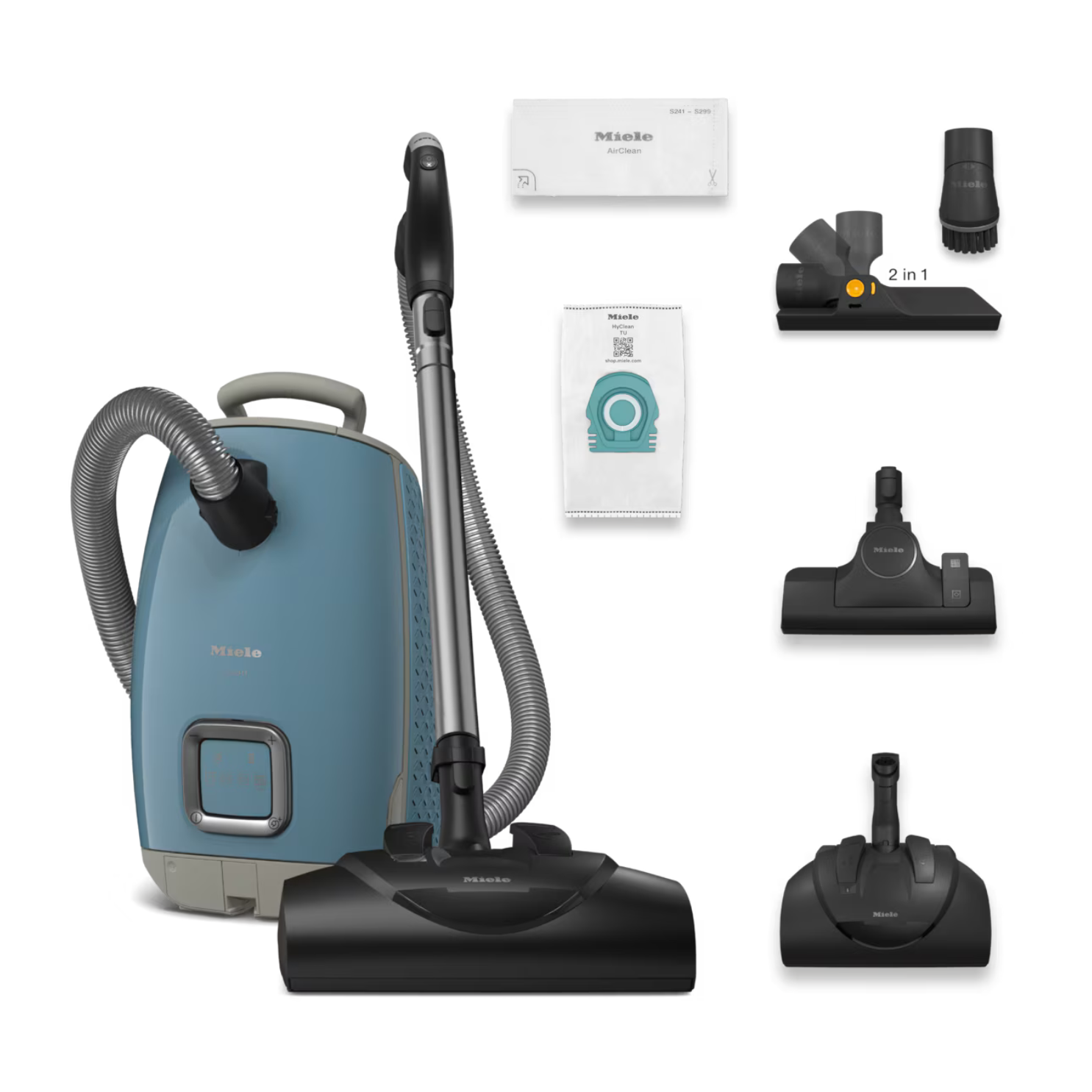
A canister vacuum has a separate body and hose, with the cleaning head connected by a wand. That design makes it easier to move around furniture, stairs, and tight spaces. It often feels lighter in your hand than an upright vacuum because you are guiding the wand, not the whole machine.
The biggest reason people choose a canister vacuum is control. It can be a smart choice for homes with mixed floors, curtains, stairs, hardwood, tile, and delicate rugs. In my experience, the right canister vacuum feels like a tool that works with your home instead of fighting it.
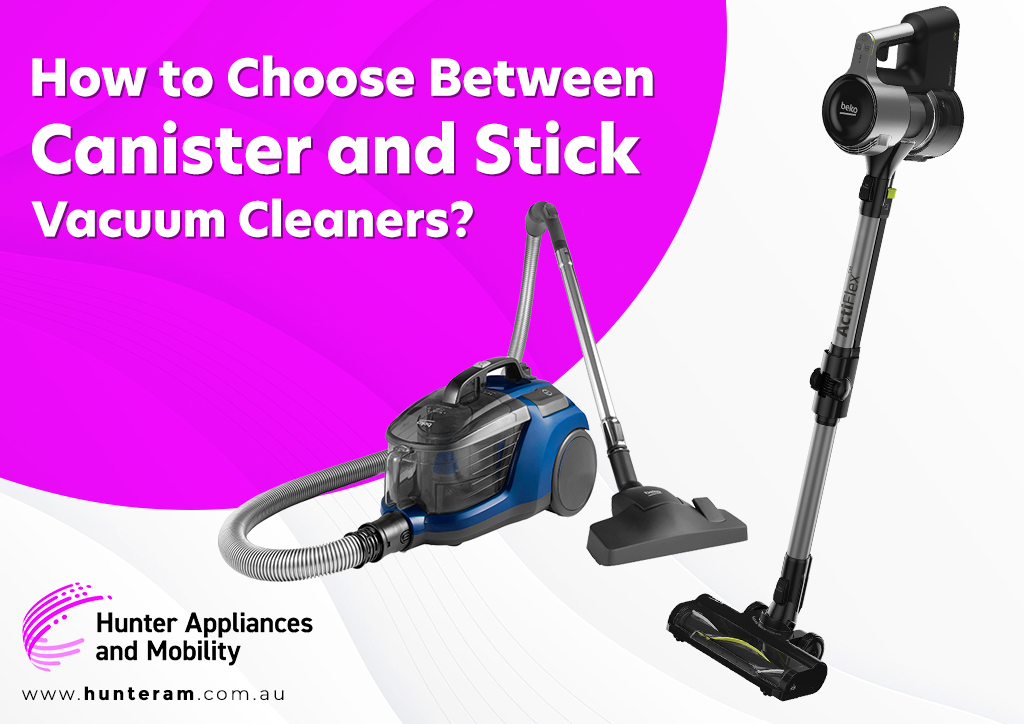
Start with your floors and cleaning needs
The best canister vacuum for you depends on where you clean most often. A model that works well on plush carpet may not be the best one for bare floors, and the reverse is also true. Before you compare features, think about your daily mess.
Here is the simplest way to narrow it down:
- Hard floors and low-pile rugs: Look for strong suction and a floor head that seals well without scratching.
- Thick carpet and pet hair: Choose a vacuum with a motorized brush head or power nozzle.
- Mixed flooring: Pick a model with adjustable suction and a brush roll that can turn off.
- Stairs and furniture: Focus on hose length, wand reach, and lighter weight.
- Allergies and dust: Prioritize a sealed system and HEPA filtration.
If you have a home with both tile and carpet, a canister vacuum with a switchable head is often the most flexible choice. I learned this the hard way after buying a floor-only model that did great on wood but barely touched carpet fibers.
Pay attention to suction and airflow
Suction power is one of the first things shoppers look at, but the number on the box does not always tell the full story. Real cleaning performance depends on the full system: motor, airflow, hose design, floor head, and how well the vacuum seals. A strong machine with poor airflow can still clean badly.
When comparing canister vacuum models, look for:
- Adjustable suction for delicate rugs and curtains
- Strong airflow for lifting dust and debris
- Reliable performance on edges and corners
- A floor head that matches your surface type
For homes with heavier dirt, pet fur, or deep carpet, suction matters a lot. For hard floors, too much suction without the right head can make cleanup harder, not easier. That is why the best canister vacuum is not always the one with the biggest power claim.
Choose the right filtration system
If anyone in your home has allergies, asthma, or dust sensitivity, filtration should be high on your list. A good filtration system helps trap fine particles so they do not get blown back into the room. HEPA filtration is a common benchmark because it is designed to capture very small particles.
A few things to check:
- HEPA filter or sealed filtration system
- Washable or replaceable filters
- Easy access for cleaning and maintenance
- Good dust bin or bag sealing
Bagged canister vacuums often do well for allergy control because dirt is sealed in the bag when you empty it. Bagless models can be convenient, but emptying them may release more dust if you are sensitive. In my experience, people who hate dust clouds usually end up happier with a bagged canister vacuum.
Pick a floor head that matches your surfaces
The cleaning head can make or break your experience. A vacuum with great suction but the wrong head may still miss dirt, scratch floors, or snag on carpet. This is one of the biggest mistakes buyers make when choosing a canister vacuum.
Common options include:
- Bare floor brush: Best for hardwood, laminate, and tile
- Combination floor head: Works on both hard floors and low-pile carpet
- Motorized power nozzle: Better for deep carpet and pet hair
- Turbo brush: Helpful for rugs and upholstery, but usually less powerful than a motorized head
If your home has a mix of surfaces, a switchable head is usually the safest bet. Think of it like shoes: you would not wear flip-flops to run on a trail, and the same idea applies here. The right head makes the canister vacuum feel smoother and more effective right away.
Look at weight, size, and maneuverability
One reason people love a canister vacuum is how easy it can be to move around furniture and stairs. But not all canisters are equally easy to use. Some are compact and smooth, while others feel bulky, tuggy, or hard to carry between rooms.
Check these details before you buy:
- Total weight of the canister body
- Hose flexibility
- Wand reach
- Wheel quality
- Turning radius
- Carry handle comfort
If you clean multiple levels, a lighter canister is usually worth it. If the vacuum needs to be dragged across thick rugs or around tight chair legs, good swivel movement matters too. I once tested a model that cleaned beautifully but tipped too easily when the hose pulled sideways, and that kind of thing gets old fast.
Decide between bagged and bagless
This is one of the most personal choices when selecting a canister vacuum. Bagged models usually hold more dirt cleanly and can be better for people with allergies. Bagless models save on bag purchases and let you see when the bin needs emptying.
Here is a simple breakdown:
- Bagged canister vacuum: Cleaner emptying, often better for dust control, ongoing bag cost
- Bagless canister vacuum: No bag purchases, easier to see debris, more exposure when emptying
If your home has pets, kids, or a lot of dust, bagged often feels more convenient in the long run. If you want lower ongoing costs and do not mind occasional dust contact, bagless can work well. The best canister vacuum for you depends on whether convenience or cleanliness matters more in your routine.
Check noise level and comfort
Vacuuming should not sound like a jet taking off in your hallway. Noise level matters more than many shoppers expect, especially in apartments, homes with sleeping kids, or houses where you clean often. A quieter canister vacuum can make the job feel much less tiring.
Comfort also includes how the vacuum feels to use. Look for:
- Soft-grip handles
- Easy-to-reach controls
- Smooth cord rewind
- Simple attachment storage
- A hose that does not fight your movement
A vacuum that feels pleasant to use gets used more often. That sounds obvious, but I have seen people avoid cleaning because their vacuum was clunky and loud. The right canister vacuum removes friction from the routine.
Think about attachments and accessories
Accessories are not just extras. They can turn a decent canister vacuum into a much more useful one. The right tools help you clean couches, baseboards, vents, curtains, pet beds, and car interiors.
Useful attachments may include:
- Crevice tool for corners and tight spaces
- Dusting brush for shelves and blinds
- Upholstery tool for sofas and chairs
- Pet hair tool for fur on fabric
- Extension wand for ceilings and fans
If you have pets, kids, or a lot of fabric surfaces, attachments matter more than you may think. I have found that a vacuum with weak tools often ends up underused because the main head cannot do every job. A good accessory set gives your canister vacuum more real value.
Compare cord length and cleaning range
A canister vacuum should help you move less, not more. Cord length, hose reach, and wand length all affect how far you can clean before plugging into a new outlet. If your home is large, this can make a huge difference.
Ask yourself:
- Can I clean a whole room without changing outlets?
- Can I reach stairs comfortably?
- Will I need to lift the canister often?
- Is the hose long enough for ceiling corners and furniture?
A longer cord is usually more convenient, but it can also make storage a little harder. Still, for many homes, extra reach is worth it. It saves time and makes the vacuum feel more like a long-range cleaning tool.
Set a realistic budget
Price matters, but the cheapest option is not always the best deal. A low-cost canister vacuum may work fine for light use, but it can struggle with long-term durability, filtration, or attachments. On the other hand, a high-end model is not always necessary if your needs are simple.
A smart budget considers:
- How often you vacuum
- Whether you have pets or allergies
- Carpet depth and floor mix
- Expected lifespan and repair costs
- Ongoing costs like bags and filters
For a small apartment with mostly hard floors, a midrange canister vacuum may be enough. For a larger home with carpets and pets, spending more upfront can save frustration later. I always tell people to buy for their cleaning reality, not their wishlist.
Read reviews the right way
Reviews are helpful, but you need to read them carefully. One person may love a vacuum because it is light, while another hates it because it lacks carpet power. Look for patterns, not single complaints.
Focus on reviews that mention:
- Similar floor types to your home
- Pet hair or allergy use
- Noise and maneuverability
- Long-term durability
- Customer service and part replacement
If many people mention the same flaw, pay attention. That often tells you more than a flashy product page. Trust the repeated details, not the marketing language.
Common mistakes to avoid when choosing a canister vacuum
A lot of buyers make the same few mistakes. The good news is that they are easy to avoid once you know what to watch for. A little planning now can save you from buyer’s regret later.
Avoid these mistakes:
- Buying based only on suction numbers
- Ignoring the floor head type
- Choosing a heavy model for stairs
- Skipping filtration if you have allergies
- Forgetting to check bag and filter costs
- Overlooking hose length and reach
- Buying too much vacuum for a small space
The biggest mistake I see is people choosing a vacuum for a showroom, not a real home. Your furniture, rugs, pets, and cleaning habits matter more than a product demo. The best canister vacuum is the one that fits your daily life.
A simple buying checklist
If you want a fast way to decide, use this checklist before you buy:
- Identify your main floor type.
- Decide if you need bagged or bagless.
- Check filtration if dust or allergies matter.
- Match the floor head to your carpet and hard floors.
- Confirm weight, hose reach, and cord length.
- Look for useful attachments.
- Compare noise, ease of use, and maintenance.
- Read reviews from people with similar homes.
This kind of checklist keeps you focused on what actually matters. It also makes the choice feel less overwhelming. That is usually when people make better decisions.
Frequently Asked Questions of How do you choose a canister vacuum?
What is the main advantage of a canister vacuum?
A canister vacuum is usually easier to move around furniture, stairs, and tight spots. It also gives you more flexibility with attachments and floor heads.
Is a canister vacuum better than an upright vacuum?
It depends on your home and cleaning habits. A canister vacuum is often better for mixed floors, stairs, and hard-to-reach areas, while an upright vacuum can be simpler for large carpeted spaces.
Do I need HEPA filtration in a canister vacuum?
If you have allergies, asthma, or strong dust sensitivity, HEPA filtration is a very smart choice. It helps trap fine particles and can improve indoor air quality.
Are bagged canister vacuums better than bagless models?
Bagged models are often cleaner to empty and can be better for allergy control. Bagless models may be more convenient and save money on bags, but they can release more dust when emptied.
What features matter most for pet owners?
Pet owners should look for strong suction, a motorized brush head, and useful attachments for upholstery and stairs. A sealed filtration system is also helpful for pet dander and fine dust.
Conclusion
Choosing a canister vacuum gets much easier when you focus on your real cleaning needs. Start with your floors, then check suction, filtration, weight, attachments, and reach. When those pieces line up, the vacuum feels less like a purchase and more like a helpful daily tool.
If you take one thing from this guide, make it this: the best canister vacuum is the one that fits your home, not the one with the biggest claims. Use the checklist, compare the right features, and buy with confidence. If you are still deciding, keep researching models that match your floor type and cleaning routine, and share your questions or experience in the comments.

