

Vacuum cleaners are a common tool in homes and offices, but not all vacuums clean the air equally well. Some vacuums simply suck up dirt and dust, then release tiny particles back into the air. This can be a problem for people with allergies, asthma, or anyone who wants cleaner indoor air. The answer for many is a vacuum with a HEPA filter. But how do HEPA filters work in vacuums, and why are they so effective? In this article, you’ll learn the science behind HEPA filters, how they are used in vacuum cleaners, and what makes them different from regular filters.
What Is A Hepa Filter?
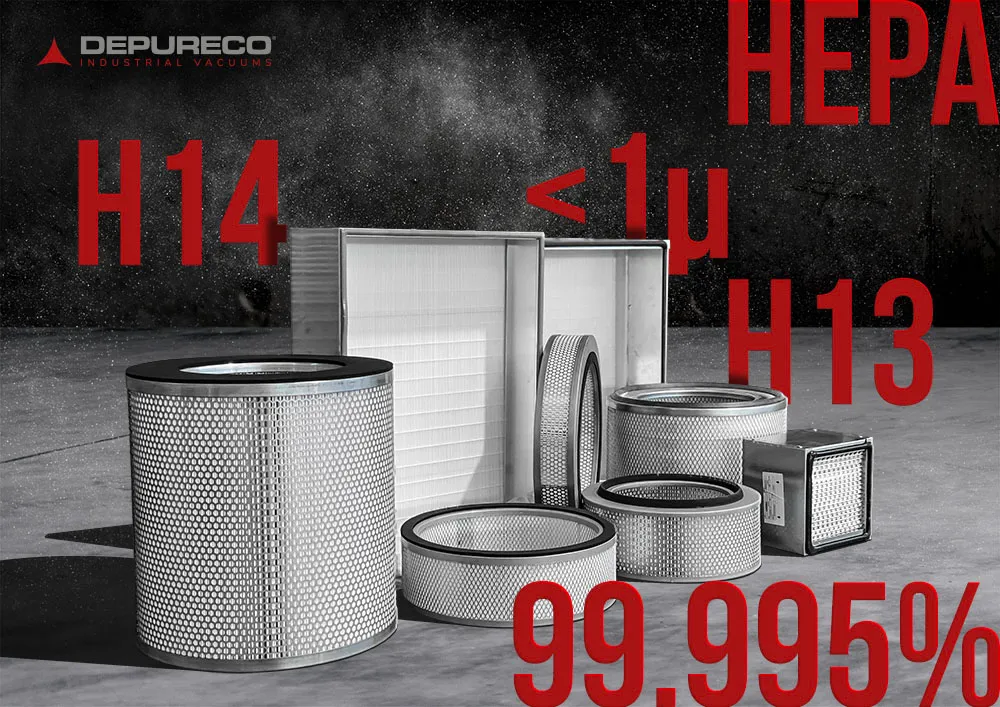
HEPA stands for High-Efficiency Particulate Air. The term describes a type of filter that can trap very small particles. To qualify as a true HEPA filter, it must remove at least 99.97% of particles that are 0.3 microns in size. For context, a human hair is about 70 microns thick, so HEPA filters catch particles much smaller than you can see.
The Structure Of Hepa Filters
HEPA filters are made of a dense mat of fibers, usually fiberglass. These fibers are arranged in a random pattern, creating a maze for air to pass through. The spaces between fibers are tiny, which forces particles to interact with the filter in several ways.
Particle Size And Efficiency
HEPA filters are most efficient at trapping particles around 0.3 microns, which are the hardest to catch. Larger particles are caught even more easily, while smaller particles are trapped thanks to molecular interactions. This means HEPA filters are effective for dust, pollen, pet dander, mold spores, and even some bacteria.
How Do Hepa Filters Trap Particles?
The way HEPA filters trap particles is more complex than just catching them in a net. There are four main mechanisms at work:
- Inertial Impaction: Large particles cannot follow the air stream as it bends around fibers. They hit the fibers and get stuck.
- Interception: Medium-sized particles follow the airflow but touch a fiber and stick.
- Diffusion: Tiny particles move randomly and are more likely to hit fibers due to their erratic motion.
- Sieving: If a particle is bigger than the space between fibers, it simply can’t pass through.
These mechanisms work together to ensure that almost all particles are trapped as air moves through the filter.

Hepa Filters In Vacuum Cleaners
Vacuum cleaners pull in air along with dust and debris. The air then passes through a series of filters before being released back into the room. A HEPA filter is usually the last filter before the air exits the vacuum.
Placement Of Hepa Filters
Some vacuums have the HEPA filter as part of the main filter system, while others use it as a final stage, after the main filter or bag has caught larger debris. The goal is to make sure that the air leaving the vacuum is almost entirely free of fine particles.
Hepa Vs Standard Filters
Not all vacuum filters are HEPA. Standard filters may catch only larger particles and let smaller ones escape. Let’s compare HEPA filters to common types:
| Filter Type | Particle Size Trapped | Efficiency |
|---|---|---|
| HEPA | 0.3 microns and larger | 99.97% |
| Foam | 10 microns and larger | 60-80% |
| Paper | 1 micron and larger | 85-95% |
| Cloth | 5 microns and larger | 90% |
As you can see, HEPA filters are much better at removing tiny particles than other types.
Benefits Of Hepa Filters In Vacuums
Using a vacuum with a HEPA filter has clear advantages, especially for people with allergies or respiratory issues.
- Cleaner Air: HEPA filters remove dust, pollen, and other allergens from the air, making it safer to breathe.
- Reduces Allergens: By trapping pet dander, mold spores, and dust mites, they help prevent allergic reactions.
- Improves Health: Cleaner air can reduce asthma attacks and other breathing problems.
- Odor Control: HEPA filters also trap particles that cause odors, making the room smell fresher.
- Protects Sensitive Equipment: In places like laboratories, HEPA filters help keep electronics and sensitive equipment clean.
A key insight is that a HEPA filter only works well if the vacuum is fully sealed. If there are leaks in the casing, dirty air can escape before it reaches the filter.
Limitations Of Hepa Filters
While HEPA filters are excellent for trapping particles, they aren’t perfect. Here are some limitations:
- Can’t Remove Gases: HEPA filters don’t trap odors or chemicals like volatile organic compounds (VOCs). For this, a carbon filter is needed.
- Clogging: Over time, HEPA filters can get clogged, reducing airflow and suction power. Regular replacement is necessary.
- Maintenance Costs: HEPA filters are more expensive than standard filters, both to purchase and replace.
- Fake HEPA Filters: Some vacuums use “HEPA-like” filters that do not meet true HEPA standards. Always check for certification.
A non-obvious tip: If your vacuum has a washable HEPA filter, make sure you dry it completely before reinstalling. A wet filter can grow mold and reduce efficiency.
Choosing A Vacuum With Hepa Filtration
When looking for a vacuum with a HEPA filter, there are several key points to consider.
Certification Matters
Look for vacuums that have True HEPA certification. This means the filter meets strict standards. If you see terms like “HEPA-type” or “HEPA-like,” these may not perform as well. The label should say it removes 99.97% of 0.3 micron particles.
Sealed System
A vacuum is only as good as its seals. Even with a HEPA filter, leaks can let unfiltered air escape. A fully sealed system ensures all air passes through the filter.
Maintenance And Replacement
Check how easy it is to replace the HEPA filter. Some vacuums require you to buy proprietary filters, which can be expensive. Others use standard-sized filters that are easier to find.
Bagged Vs Bagless
Bagged vacuums often keep dust contained, while bagless models can release dust when emptying the bin. If you have allergies, a bagged vacuum with a HEPA filter is usually better.
Price And Value
HEPA-filtered vacuums are generally more expensive. However, the health benefits and cleaner air often justify the cost. For example, allergy-friendly vacuums can cost $150–$500 more than standard models.
Hepa Filter Maintenance Tips
Proper maintenance is essential for keeping your HEPA filter working well. Here are some practical tips:
- Check Manufacturer Instructions: Always follow the vacuum maker’s guidance for cleaning or replacing the filter.
- Replace Regularly: Most HEPA filters need replacing every 6–12 months, depending on use.
- Don’t Overclean: Some HEPA filters are not washable. Washing can damage the fibers. If your filter is washable, rinse gently and let it dry fully.
- Watch for Clogs: If your vacuum loses suction, check the filter for blockages.
- Store Properly: Keep spare filters in a dry, dust-free place.
A common mistake is ignoring the filter until the vacuum stops working well. Regular checks can prevent this.
Real-world Performance
HEPA filters are proven in both home and commercial settings. Hospitals, labs, and clean rooms rely on HEPA filtration to keep air safe. In homes, HEPA vacuums reduce dust and allergens, making a noticeable difference for allergy sufferers.
Hepa Filter Testing
To ensure quality, HEPA filters are tested using a method called DOP testing (Dispersed Oil Particulate). This checks how well the filter traps tiny particles. Certified HEPA filters will mention this test on packaging or documentation.
Let’s compare the effectiveness of HEPA vacuums versus standard vacuums in a typical home:
| Vacuum Type | Dust Reduction (%) | Allergen Reduction (%) | Average User Satisfaction |
|---|---|---|---|
| HEPA Vacuum | 90 | 85 | 4.6/5 |
| Standard Vacuum | 65 | 40 | 3.8/5 |
This data shows that HEPA vacuums provide much cleaner air and higher satisfaction.
Common Misconceptions About Hepa Filters
Some people believe that all vacuums with “HEPA” labels are equally good. This isn’t true. Only certified HEPA filters offer the promised performance. Another misconception is that HEPA filters last forever. In reality, their performance drops as they fill with dust.
A non-obvious insight: Even with a HEPA filter, dusting and cleaning should be done regularly. Dust can settle on surfaces before a vacuum picks it up. Combining HEPA filtration with regular cleaning gives the best results.
Environmental Impact
HEPA filters are usually made of fiberglass, which isn’t biodegradable. However, their use reduces indoor pollution, which helps people live healthier lives. Some manufacturers offer recyclable HEPA filters or filters made from less harmful materials. If you care about environmental impact, ask the manufacturer about recycling options.

Frequently Asked Questions
What Does Hepa Stand For?
HEPA means High-Efficiency Particulate Air. It refers to filters that trap at least 99.97% of particles 0.3 microns or larger.
How Often Should I Replace My Hepa Filter?
Most HEPA filters should be replaced every 6–12 months, but it depends on how often you use your vacuum and the manufacturer’s instructions.
Are All Hepa Filters The Same?
No, only certified HEPA filters meet strict standards. “HEPA-type” or “HEPA-like” filters may not provide the same level of filtration.
Can Hepa Filters Remove Odors?
HEPA filters trap particles, not gases. For odor removal, you need a vacuum with an activated carbon filter as well.
Is A Hepa Vacuum Worth The Price?
For people with allergies, asthma, or sensitivity to dust, a HEPA vacuum is usually worth the investment. It provides cleaner air and better health benefits.
Vacuum cleaners with HEPA filters are a smart choice for anyone who wants cleaner indoor air. They trap tiny particles that standard filters miss, helping reduce allergies and respiratory issues. When choosing a vacuum, look for certified HEPA filters and a sealed system. With proper maintenance, a HEPA vacuum can make a noticeable difference in your home’s air quality. For more details on HEPA standards, visit the Wikipedia page on HEPA filters.

