

Vacuum cleaners are a staple in most homes. They keep our floors free from dust, debris, and allergens. But if you’ve ever noticed your carpet looking worn or frayed, you might wonder: Can vacuums damage carpets? The answer isn’t always simple. Some vacuums can actually cause harm, while others help your carpet last longer. Let’s explore how vacuuming affects different types of carpets, what causes damage, and how you can protect your flooring investment.
How Vacuums Interact With Carpets
When you push a vacuum across your carpet, you’re doing two things. First, you’re using suction to pull up dirt trapped in the fibers. Second, the vacuum’s beater bar (sometimes called a brush roll) loosens debris stuck deep inside. Both actions have benefits, but they can also cause problems if you use the wrong settings or equipment.
Modern vacuums often have powerful motors and adjustable heads. While this makes cleaning more effective, it can also mean more risk if you’re not careful. For example, strong suction and fast-spinning brushes can pull on carpet fibers, especially on delicate or looped carpets.
Types Of Carpet And Their Vulnerability
Not all carpets react the same way to vacuuming. Here’s a comparison of common carpet types and how they stand up to different vacuums:
| Carpet Type | Vulnerability to Vacuum Damage | Best Vacuum Setting |
|---|---|---|
| Plush (Cut Pile) | Medium | Low brush height, moderate suction |
| Berber (Loop Pile) | High | No beater bar, low suction |
| Frieze (Shag) | Medium-High | Gentle suction, avoid brush roll |
| Wool | High (natural fiber) | Low suction, no brush |
| Low-Pile/Commercial | Low | Standard settings |
Berber and wool carpets are especially sensitive. The loops in Berber can snag easily, and wool fibers can break down under rough treatment. In contrast, low-pile synthetic carpets can usually handle more aggressive cleaning.
Common Ways Vacuums Can Damage Carpets
Damage doesn’t always happen quickly. Sometimes, it’s the result of small mistakes repeated over time. Here are the most common ways vacuums can harm your carpet:
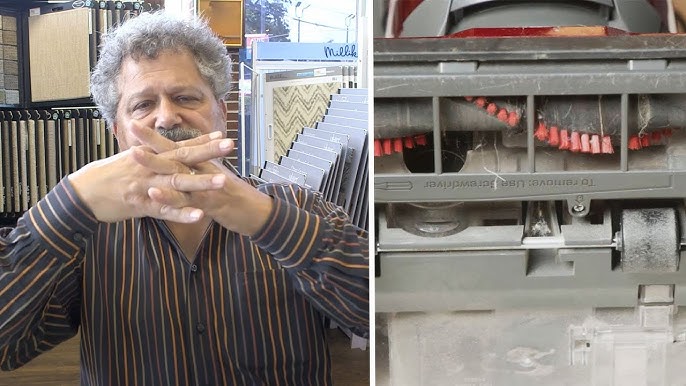
- Beater Bar Damage: The rotating brush can catch and pull on fibers, causing fraying or fuzzing.
- Excessive Suction: Too much suction can lift carpet from its backing or pull fibers out, especially in old or loose carpets.
- Worn or Dirty Brushes: A brush roll with sharp or dirty bristles can grind dirt into carpet instead of removing it.
- Wrong Height Setting: If the vacuum head is set too low, it can scrape and wear down the carpet surface.
- Repeated Overlapping: Going over the same spot too many times can wear out fibers, especially in high-traffic areas.
Real-world Example
A family with a Berber carpet noticed small loops coming loose after vacuuming with a standard upright model. The vacuum’s beater bar was too aggressive, and each pass loosened more loops. Switching to a suction-only vacuum stopped the damage.
Signs Your Vacuum Is Harming The Carpet
It’s not always obvious that your vacuum is the problem. Watch for these signs:
- Loose fibers or fuzz left in the vacuum canister after cleaning
- Carpet looks matted or worn in certain areas
- Visible lines or scratches on the carpet surface
- Snags or pulled loops (especially in looped carpets)
- Unusual smells (carpet backing breaking down)
If you see these warning signs, your vacuuming routine may need an adjustment.
How To Prevent Carpet Damage From Vacuums
Protecting your carpet is simple if you follow a few key steps:
1. Choose The Right Vacuum
Not all vacuums are created equal. Look for models with:
- Adjustable height: Lets you set the vacuum head to match your carpet thickness.
- Suction control: Helps you dial down the power for delicate carpets.
- Brush roll shutoff: Essential for looped or natural fiber carpets.
2. Use Proper Settings
Always adjust your vacuum’s settings before cleaning. Too many people leave the vacuum on “high” for every surface, which increases wear and tear.
3. Clean And Replace Parts Regularly
A dirty or worn brush roll can scratch or even melt synthetic fibers. Replace filters and brushes as recommended in your vacuum’s manual.
4. Vacuum In Different Directions
Changing the direction you vacuum helps lift fibers evenly, preventing matting and extending carpet life.
5. Spot Test First
If you buy a new vacuum, test it on a small, hidden part of your carpet to see how it reacts.
Two Insights Most People Miss
- High-pile and shag carpets often trap sand and grit deep inside, which wears away fibers as you walk—even before you vacuum. Using a vacuum with gentle, deep suction (not a beater bar) helps prevent this hidden abrasion.
- Carpet warranties can be voided by using the wrong vacuum. Many manufacturers specify which types of vacuums are safe. Always check your warranty requirements before buying a new model.
How Often Should You Vacuum?
Vacuuming too much can be as harmful as too little. The right frequency depends on your carpet and lifestyle.
| Household Type | Recommended Vacuuming Frequency |
|---|---|
| High-traffic (kids, pets) | Daily or every other day |
| Average (no pets, few people) | 2–3 times per week |
| Low-traffic (single, no pets) | Once per week |
| Delicate/wool carpets | Every 1–2 weeks (gentle vacuum only) |
If you live in a sandy or dusty area, you may need to vacuum more often. But always use the gentlest setting that gets the job done.
Are Some Vacuums Safer For Carpets?
Yes, certain vacuum types are much gentler on carpets:
- Canister vacuums with suction-only heads are best for delicate carpets.
- Robotic vacuums usually have soft brushes and low suction, making them safe for most carpets (but not deep cleaning).
- Upright vacuums with adjustable heads and brush roll shutoff are safe for most carpet types if used correctly.
Avoid older or cheap vacuums with fixed-height heads and no brush control. These can do more harm than good on sensitive carpets.
Vacuum Features That Matter Most
When shopping for a vacuum, look for these features to protect your carpet:
- Variable suction control: Allows you to adjust the power to match your carpet.
- Height adjustment: Ensures the vacuum glides over the carpet, not digs in.
- Removable brush roll: Lets you turn off the brush on delicate surfaces.
- Quality filtration: Prevents dust from blowing back onto the carpet.
- Soft wheels: Hard plastic wheels can scratch or crush carpet fibers.
Many carpet professionals recommend vacuums certified by the Carpet and Rug Institute (CRI), which tests for carpet safety.

Mistakes To Avoid When Vacuuming
Even with the best vacuum, mistakes can still happen. Here are common pitfalls:
- Ignoring the manual: Each vacuum is different—always read the instructions.
- Vacuuming wet carpet: Water and electricity don’t mix, and wet fibers can be damaged by suction.
- Forgetting to check the bag/canister: A full bag reduces suction and makes the vacuum less effective.
- Using a dirty filter: This can blow dust back into the carpet and your home.
- Dragging the vacuum forcefully: This can stretch or tear the carpet backing.
Professional Insights: What Experts Recommend
Carpet installers and cleaning professionals often see carpets ruined by aggressive vacuuming. Their top tips:
- Use suction-only tools on loop or wool carpets.
- Clean the vacuum regularly to avoid dragging dirt and debris.
- For shag carpets, use a vacuum designed for high pile or a gentle rake instead.
One non-obvious tip: static electricity from vacuuming can attract more dust if your home is dry. Use a humidifier in winter to reduce static and keep your carpet cleaner.
The Role Of Carpet Quality And Installation
Not all carpet damage is the vacuum’s fault. Poor-quality carpets or improper installation can make fibers more likely to pull or fray. If your carpet comes up easily or shows seams, consult a professional installer before blaming your vacuum.
When To Call A Professional
If you see constant damage, snags, or your carpet is very expensive, it’s smart to have it professionally cleaned. Pros use equipment that’s safe for all carpet types and can often restore carpet damaged by improper vacuuming.
Frequently Asked Questions
Can A Vacuum Cleaner Ruin New Carpet?
Yes, using the wrong vacuum or settings can damage new carpet fibers. Always check your carpet manufacturer’s care guide. Many new carpets need gentle suction and no beater bar until they’re fully settled.
Is It Safe To Vacuum Wool Carpets?
Wool is delicate and can be damaged by high suction or a spinning brush. Use a suction-only vacuum on the lowest setting and avoid aggressive cleaning.
Why Does My Carpet Look Fuzzy After Vacuuming?
Fuzzing happens when fibers break and stand up on the surface. This can be caused by a worn brush, too much suction, or a vacuum set too low.
How Do I Know If My Vacuum Is Too Harsh For My Carpet?
If you see loose fibers, pulled loops, or worn spots after vacuuming, your vacuum may be too aggressive. Try switching to a higher head setting or turning off the brush roll.
What’s The Safest Way To Vacuum A Shag Or High-pile Carpet?
Use a vacuum designed for high-pile carpets, or a suction-only canister vacuum. Move slowly, and avoid pressing down or dragging the vacuum.
Keeping your carpets clean and looking new isn’t just about vacuuming—it’s about using the right tools and methods. With a little care, your vacuum can be your carpet’s best friend, not its worst enemy. For more on carpet care recommendations, check out the Carpet and Rug Institute’s official guidelines.
Treat your carpets gently, and they’ll serve you well for many years.

