

If you have pets, you know the challenge: no matter how often you clean, pet hair seems to appear everywhere—on your couch, carpets, car seats, and clothes. Many pet owners wonder if a regular vacuum cleaner can actually remove all that stubborn hair or if they need special solutions. With so many vacuum models and claims in the market, it’s easy to feel confused. Let’s explore how effective vacuum cleaners are for pet hair, what features matter most, and smart ways to keep your home cleaner with pets around.
Why Pet Hair Is So Difficult To Remove
Pet hair is not like regular dust or dirt. It’s lightweight, sticky, and sometimes woven deep into fabrics. Cats, dogs, and other furry animals shed hair that often carries dander and oils. This means that hair can:
- Cling to fabric fibers due to static electricity
- Work its way into carpet and upholstery with pressure from walking or sitting
- Become airborne and settle in hard-to-reach places
Standard cleaning, like sweeping or wiping, often pushes hair around instead of removing it. That’s why the right vacuum—and knowing how to use it—makes a big difference.
How Vacuum Cleaners Work Against Pet Hair
Most vacuum cleaners use suction and a brush roll (also called a beater bar) to lift dirt and debris. When it comes to pet hair, two main actions matter:
- Suction power: Strong suction is needed to pull hair from deep in carpets and upholstery.
- Agitation: The rotating brush loosens hair that’s stuck or tangled in fibers.
However, not every vacuum is built to handle pet hair well. Some get clogged quickly, lose suction, or simply push hair around. Let’s look at which types work best.
Types Of Vacuum Cleaners: Which Are Best For Pet Hair?
Different vacuum cleaners have their own strengths and weaknesses when it comes to pet hair. Here’s a quick comparison:
| Type | Strengths | Weaknesses |
|---|---|---|
| Upright | Powerful suction, good for carpets | Heavy, less flexible for stairs |
| Canister | Versatile, good for stairs and furniture | Can be bulky to move |
| Stick | Lightweight, easy for quick cleanups | Less powerful, small dust bin |
| Handheld | Great for furniture and cars | Limited battery, not for whole rooms |
| Robot | Automatic, works daily to reduce build-up | Not as powerful, may miss corners |
Upright vacuums and canister vacuums are usually the most effective for deep cleaning and heavy pet hair. Handheld vacuums shine for spot cleaning—like removing hair from couches or car seats—while robot vacuums are best for daily maintenance.
Key Features That Make A Vacuum Great For Pet Hair
Not all vacuums labeled “pet” are equally effective. Look for these features when choosing a vacuum for pet hair:
- Strong suction power: Measured in air watts or pascals, higher numbers mean better lifting of hair.
- Motorized brush roll: Essential for agitating and picking up hair from carpets and upholstery. Some models have tangle-free brush rolls.
- HEPA filter: Traps fine particles, dander, and allergens—good for allergy sufferers.
- Large dust bin or bag: Pet hair fills bins quickly. A larger capacity means less frequent emptying.
- Special attachments: Pet hair tools with rubber bristles or mini motorized brushes can remove hair from stairs, bedding, or car interiors.
- Easy to clean design: Hair wraps around brushes and clogs filters. A vacuum that’s simple to open and clean saves time.
One insight many miss: even a high-end vacuum can lose effectiveness if not cleaned regularly. Hair buildup in the brush roll or hose reduces suction and leaves hair behind.

How Well Do Vacuums Actually Remove Pet Hair?
The truth is, most modern vacuums can remove at least 70–90% of visible pet hair from surfaces if they’re well maintained and have the right attachments. In some tests, top-rated pet vacuums picked up over 95% of pet hair from both carpet and hard floors.
But results depend on:
- Hair type: Long, silky hair (like from Golden Retrievers) is harder to remove than short, stiff hair (like from Beagles).
- Surface: Hair comes off hardwood and tile much more easily than from carpet or fabric.
- Vacuum maintenance: Clogged or dull brushes leave hair behind.
A practical example: If you use a standard vacuum without a brush roll on your couch, you might see hair left behind or even more static, making it stickier. With the right pet hair tool, you’ll notice much more hair picked up on the first pass.
Common Mistakes When Using Vacuums For Pet Hair
Many pet owners find their vacuums underperform because of these avoidable mistakes:
- Not cleaning the brush roll: Hair can wrap around and stop it from spinning.
- Using the wrong attachments: Standard nozzles are less effective on upholstery and stairs.
- Skipping regular filter cleaning: A clogged filter means less suction and poor results.
- Vacuuming too quickly: Slow, overlapping passes pick up more hair.
- Ignoring pet bedding and favorite spots: These collect the most hair and dander.
A less obvious tip: If static is a problem, lightly misting upholstery with water from a spray bottle before vacuuming can help loosen hair.
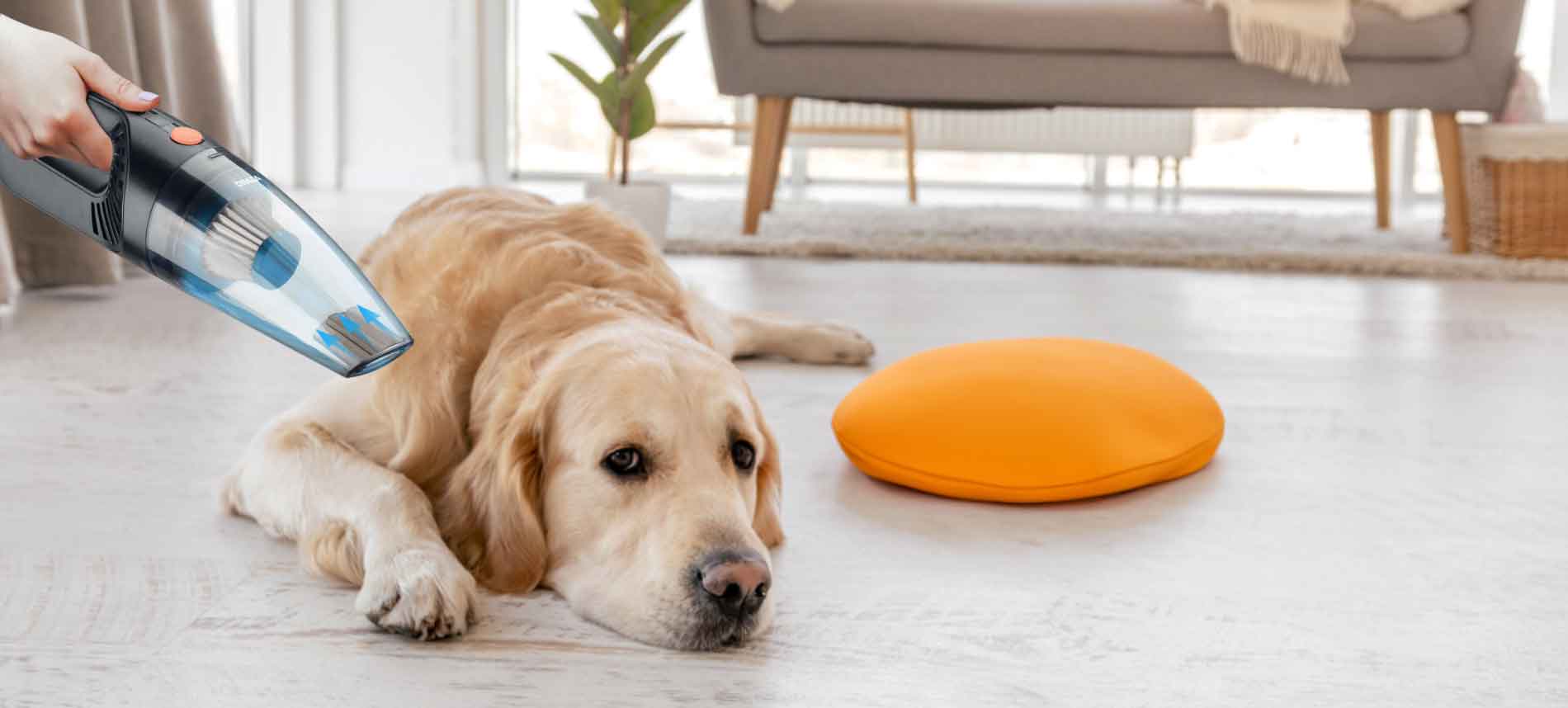
Comparing Top Vacuum Brands For Pet Hair
Some brands are known for their pet hair solutions. Here’s a simple look at how popular brands compare on key features:
| Brand | Suction Power | Pet Hair Tools | HEPA Filter | Price Range |
|---|---|---|---|---|
| Dyson | Very high | Yes | Yes | High |
| Bissell | High | Yes | Yes (some models) | Medium |
| Shark | High | Yes | Yes | Medium |
| Hoover | Medium | Yes (some models) | No (most) | Low-Medium |
| iRobot (Roomba) | Medium | Limited | No | Medium-High |
Dyson and Shark often stand out for pet hair performance, but price can be high. Bissell is popular for pet-friendly features at lower cost. No matter the brand, check user reviews for real-world pet owner feedback.
Practical Tips For Maximizing Pet Hair Removal
Even the best vacuum needs some help. Try these tips for better results:
- Vacuum often: With shedding pets, vacuuming 2–3 times a week prevents hair from building up.
- Brush pets regularly: Less loose hair means less cleaning later.
- Wash pet bedding weekly: Vacuum alone can’t remove all hair and dander from fabrics.
- Use a rubber squeegee: Before vacuuming, use it on carpet or upholstery to gather hair for easier pick-up.
- Empty the bin after every use: Prevents loss of suction and keeps your vacuum working well.
One more insight: Pet hair often collects at room edges and under furniture—use your vacuum’s crevice tool regularly in these areas.
When A Vacuum Isn’t Enough
Some situations require extra help:
- Very deep or long-pile carpets: Hair can get trapped below the surface.
- Heavy shedding seasons: Spring and fall can overwhelm even the best vacuums.
- Allergy concerns: Dander and fine particles may need air purifiers or extra filtration.
In these cases, combine vacuuming with other methods:
- Use lint rollers or sticky tape for quick clothing cleanups.
- Try steam cleaning carpets every few months.
- Use air purifiers with HEPA filters to reduce airborne dander.
If you have severe allergies or asthma, talk to your doctor about strategies for reducing pet allergens at home. For more on allergies and pets, see the CDC’s tips.
Pet Hair And Vacuum Maintenance: What Owners Should Know
Most people don’t realize that pet hair can shorten a vacuum’s life if not managed. Here’s why:
- Hair wraps around the brush, causing strain on the motor.
- Fine dander can clog filters, leading to overheating.
- Full dust bins reduce suction and overwork the vacuum.
To extend your vacuum’s lifespan:
- Remove hair from the brush roll at least once a week.
- Wash or replace filters as recommended—usually every 1–3 months.
- Check hoses and attachments for blockages regularly.
- Store your vacuum in a dry, clean area.
If you use your vacuum heavily due to pets, consider buying extra filters and belts to have on hand.

Frequently Asked Questions
How Often Should I Vacuum If I Have Pets?
For most homes with one or two pets, vacuuming high-traffic areas 2–3 times a week keeps hair under control. During heavy shedding, you may need to vacuum daily. Don’t forget to vacuum furniture, stairs, and pet beds weekly.
Can Robot Vacuums Handle Pet Hair?
Robot vacuums can reduce daily hair build-up on floors, but they aren’t as thorough as a full-sized vacuum for deep cleaning. Look for models with strong suction and tangle-free brushes. Empty the dust bin often, as it fills quickly with pet hair.
What Is The Best Vacuum Filter For Pet Hair And Allergies?
HEPA filters are best for trapping pet dander, hair, and allergens. They can capture particles as small as 0.3 microns. Not all vacuums come with a true HEPA filter—check the product details before buying.
Why Does My Vacuum Miss Hair On My Couch?
Most standard vacuum heads aren’t designed for upholstery. Use a pet hair tool or mini motorized brush attachment for couches and chairs. If the hair is especially stubborn, try loosening it with a rubber glove or lightly damp cloth before vacuuming.
Can I Use A Vacuum To Remove Pet Hair From My Car?
Yes, but use a handheld vacuum or a full-sized model with a crevice tool and upholstery attachment. Car seats and carpets trap hair tightly—move seats forward and back to reach all areas. A rubber brush can help gather hair before vacuuming.
Final Thoughts
Vacuum cleaners absolutely can remove pet hair—but not all models are created equal, and a few smart steps make a big difference. Choose a vacuum with strong suction, a motorized brush roll, and a HEPA filter if you’re sensitive to allergens.
Regular maintenance and the right attachments will keep your home cleaner and your vacuum running smoothly, even with the furriest family members. Don’t forget that a little prevention—like frequent pet brushing and cleaning bedding—reduces the work your vacuum must do.
With these strategies, you can enjoy your pets and a cleaner, healthier home at the same time.

