

Every home has dust. You see it on bookshelves, under beds, and floating in sunlight. But is dust just an annoyance, or does it affect our health? Many people wonder if using a vacuum cleaner can truly reduce indoor dust, or if it simply moves particles around.
Let’s explore how vacuum cleaners work, what science says about their effectiveness, and how you can use them to breathe cleaner air at home.
What Is Indoor Dust?
Indoor dust is a mix of many tiny things. It includes:
- Dead skin cells
- Clothing fibers
- Pet dander
- Pollen
- Soil particles
- Dust mite waste
- Mold spores
Some of these particles are visible, but many are too small to see. These tiny pieces can float in the air for hours, especially when disturbed by movement, cleaning, or air flow.
The problem is not just how dust looks; it can trigger allergies, asthma, and even worsen other breathing problems. In fact, the Environmental Protection Agency (EPA) says indoor air can be two to five times more polluted than outdoor air.
How Vacuum Cleaners Tackle Dust
Vacuum cleaners are designed to suck up dirt, debris, and dust from floors and surfaces. They use a motor to create suction, pulling air and particles into a bag or bin. But their real value depends on two things:
- Suction power: Strong suction lifts more dust from carpets and cracks.
- Filtration: Good filters trap small dust particles and prevent them from blowing back out.
Hepa Filters: The Gold Standard
Many modern vacuum cleaners use HEPA (High-Efficiency Particulate Air) filters. A true HEPA filter captures at least 99.97% of particles as small as 0.3 microns. For comparison, a human hair is about 50-70 microns wide.
HEPA filters can trap:
- Pet dander
- Pollen
- Dust mite waste
- Fine dust
Vacuum cleaners without proper filters may release fine dust back into the air, making indoor dust worse.

Do Vacuum Cleaners Really Reduce Indoor Dust?
The short answer is yes, but with some important details. Regular vacuuming with a quality machine can lower the amount of settled dust in your home. Studies show that homes with frequent vacuuming have less dust and fewer allergens.
But, not all vacuum cleaners are equal. Here’s a quick comparison:
| Type | Dust Removal Effectiveness | Best For |
|---|---|---|
| Standard bagless | Moderate | Hard floors, low-dust homes |
| HEPA-equipped | High | Allergies, carpets, pet owners |
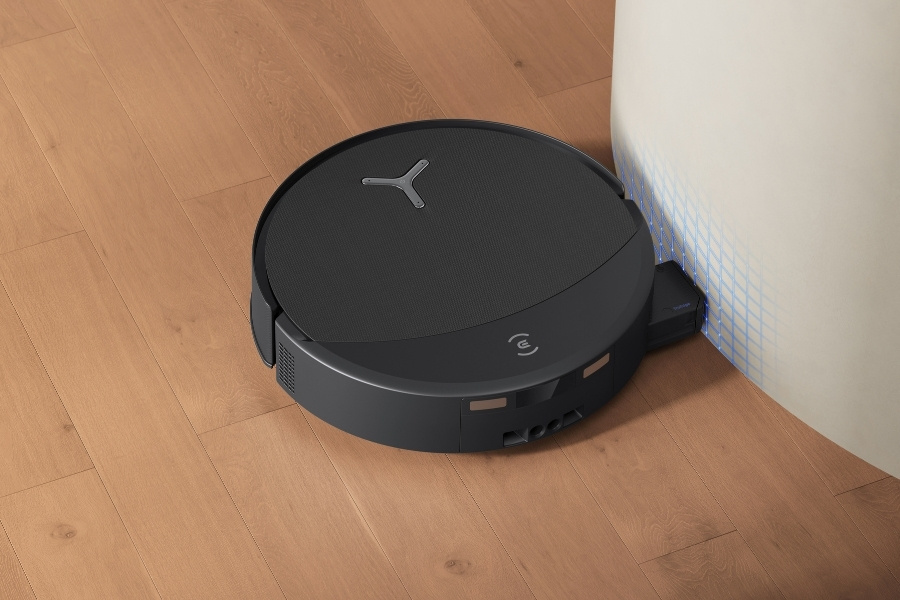
| Robotic | Low–Moderate | Daily touch-ups, maintenance |
Key insight: If your vacuum lacks a quality filter, it may reduce visible dust but not the tiny, harmful particles that affect health.
How Often Should You Vacuum?
Frequency depends on your home. Here’s a simple guideline:
- High-traffic areas (living room, entryway): 2–3 times a week
- Bedrooms: Once a week
- Homes with pets/allergies: Every other day
Carpets hold more dust than hard floors. If you have thick carpets, vacuum more often.

Common Mistakes That Make Dust Worse
Many people vacuum often but still see dust. Here are some mistakes to avoid:
- Vacuuming too fast: Move slowly. Quick passes leave dust behind.
- Using old filters or bags: Dirty filters can leak dust.
- Skipping edges and corners: Dust builds up along baseboards and under furniture.
- Forgetting to vacuum furniture: Sofas and curtains trap lots of dust.
- Vacuuming with windows open: Outdoor dust can blow in.
Non-obvious tip: Always dust surfaces before you vacuum. This way, particles that fall to the floor will be picked up.
What Vacuum Cleaner Features Matter Most?
Choosing the right vacuum makes a big difference. Focus on these features:
- HEPA filter: Essential for allergy sufferers
- Strong suction: For deep cleaning carpets
- Sealed system: Prevents leaks of fine dust
- Easy-to-empty bin or bag: Reduces spills
- Attachments: For furniture, drapes, corners
Here’s a feature comparison:
| Feature | Why It Matters | Who Needs It Most |
|---|---|---|
| HEPA filter | Traps tiny allergens | Asthma, allergies |
| Adjustable suction | Protects delicate surfaces | Homes with mixed flooring |
| Brush roll shut-off | Avoids scattering debris | Hard floors |
| Edge cleaning tool | Removes corner dust | All homes |
If you have pets, look for a vacuum with a tangle-free brush and strong hair pickup.
Can Vacuuming Reduce Allergens?
Dust isn’t just dirt—it’s also full of allergens. Vacuuming can help lower:
- Pet dander
- Dust mites
- Pollen
A study from the National Institutes of Health found that weekly vacuuming with a HEPA vacuum reduced dust mite allergens in carpets by up to 60%. But, without a HEPA filter, vacuuming can actually spread allergens into the air.
Practical insight: For the best results, empty the vacuum outdoors and wear a mask if you have allergies.
What About Airborne Dust?
Vacuuming mainly removes dust from floors and furniture. But what about dust floating in the air? Most vacuum cleaners don’t filter the entire room’s air.
However, vacuuming can:
- Lower the total amount of dust that becomes airborne
- Remove dust before it is kicked up by walking or fans
For extra protection, pair vacuuming with an air purifier. Air purifiers with HEPA filters catch fine airborne dust, pollen, and other pollutants. According to the EPA, using both together is more effective than either alone.
Real-world Results: What People Notice
People who vacuum regularly often see these benefits:
- Less dust on surfaces and furniture
- Fewer allergy symptoms, like sneezing or itchy eyes
- Cleaner air smell
- Reduced dust buildup in vents and electronics
However, it’s important to use the right vacuum and method. Some people report more dust after vacuuming—usually due to poor filters or vacuuming too quickly.
Overlooked tip: Clean or replace your vacuum filter every 1–3 months. A clogged filter can’t trap dust, and may even damage your vacuum.
Other Ways To Control Indoor Dust
Vacuuming is powerful, but it’s not the only solution. Combine these strategies for best results:
- Use doormats: Trap dirt before it enters your home.
- Take off shoes indoors: Shoes carry soil, pollen, and dust.
- Wash bedding weekly: Dust mites live in sheets and pillows.
- Wipe surfaces with damp cloths: Dry dusting spreads particles.
- Keep windows closed during windy days: Reduces outdoor dust.
- Declutter: Fewer objects mean less dust collection.
Common Myths About Vacuuming And Dust
Let’s clear up some misunderstandings:
- Myth: “Vacuuming makes dust worse.”
*Truth:* Only if your vacuum has a poor filter or leaks.
- Myth: “You only need to vacuum once a week.”
*Truth:* High-traffic or pet homes need more frequent cleaning.
- Myth: “Robotic vacuums are enough.”
*Truth:* Robots are good for maintenance, but can’t deep clean carpets or edges like upright models.
Non-obvious insight: Dust on electronics isn’t just ugly—it acts as an insulator, causing devices to overheat. Regular vacuuming can extend the life of your electronics.
The Cost Of Neglecting Dust
Ignoring dust is more than a cleaning issue. It can:
- Trigger allergies and asthma
- Damage electronics and appliances
- Shorten carpet and furniture lifespan
- Lower indoor air quality
According to the American Lung Association, controlling dust is one of the top ways to improve respiratory health at home.
When Vacuuming Isn’t Enough
Sometimes, even regular vacuuming doesn’t solve dust problems. If you notice:
- Excessive dust buildup within days
- Unusual musty smells
- Constant allergy symptoms
You may have other issues, like leaky ducts, poor ventilation, or hidden mold. In these cases, consider a professional indoor air quality test.
Frequently Asked Questions
Does Vacuuming Remove All Indoor Dust?
Vacuuming removes most visible dust from floors and surfaces, especially with a quality vacuum. However, some fine dust and airborne particles may remain. Combine vacuuming with other cleaning methods for best results.
Are Bagless Or Bagged Vacuum Cleaners Better For Dust?
Both types can work well. Bagged vacuums usually contain dust better when emptying. Bagless models are easier to clean but may release dust during disposal. Always check for a sealed system and HEPA filtration.
How Can I Tell If My Vacuum Is Spreading Dust?
If you notice a dusty smell after vacuuming, or see fine particles in sunlight, your vacuum may be leaking dust. Check and replace filters regularly, and look for visible dust around vents or seams.
Can Vacuuming Help With Pet Allergies?
Yes. Vacuuming with a HEPA filter and pet-specific attachments can remove pet hair and dander. For severe allergies, vacuum more often and wash pet bedding weekly.
What’s The Best Way To Reduce Dust In The Bedroom?
Vacuum carpets, rugs, and under the bed weekly. Use dust-mite-proof covers on pillows and mattresses, and wash bedding in hot water. Keep clutter to a minimum and close windows during pollen season.
Final Thoughts
Vacuum cleaners are one of the most effective tools for reducing indoor dust—when used correctly. The right machine, proper technique, and regular schedule make a real difference in how much dust you see and breathe. Remember, not all vacuums are created equal. Choose one with strong suction and a HEPA filter, and don’t forget to maintain it. For the cleanest air, combine vacuuming with smart habits like removing shoes and controlling humidity.
Cleaner homes don’t just look better—they’re healthier for you and your family. For more on air quality and dust control, visit the EPA’s Indoor Air Quality section for expert guidance.

