

The world of home cleaning is changing. For decades, corded vacuums ruled the market, known for their power but also their heavy weight and short reach. Now, cordless models like the Dyson Gen5Detect are promising to deliver the same deep cleaning, but without the hassle of cords. If you’re wondering whether the Dyson Gen5Detect can truly replace a corded vacuum in your home, you’re not alone. Let’s look closely at what makes this cordless vacuum stand out, where it shines, and where it might fall short.
What Makes Corded Vacuums A Standard?
Corded vacuums have been a household staple for years. They are known for reliable, continuous suction and are often the first choice for people with large homes or lots of carpet. Here’s why many people still trust them:
- Consistent power: Plugging into the wall means no loss of suction from a dying battery.
- Large dust bins: Most corded models can hold more dirt, so you empty them less often.
- Durability: These machines are built to last, often running smoothly for many years.
But, as technology advances, cordless vacuums are starting to catch up.
Dyson Gen5detect: What’s New?
Dyson is a leader in vacuum technology, and the Gen5Detect is their most advanced cordless model yet. Here’s why it’s getting so much attention:
- Strong suction: Dyson claims the Gen5Detect offers up to 262 Air Watts of suction power.
- Advanced filtration: The vacuum captures 99.99% of particles as small as 0.1 microns, including allergens and some viruses.
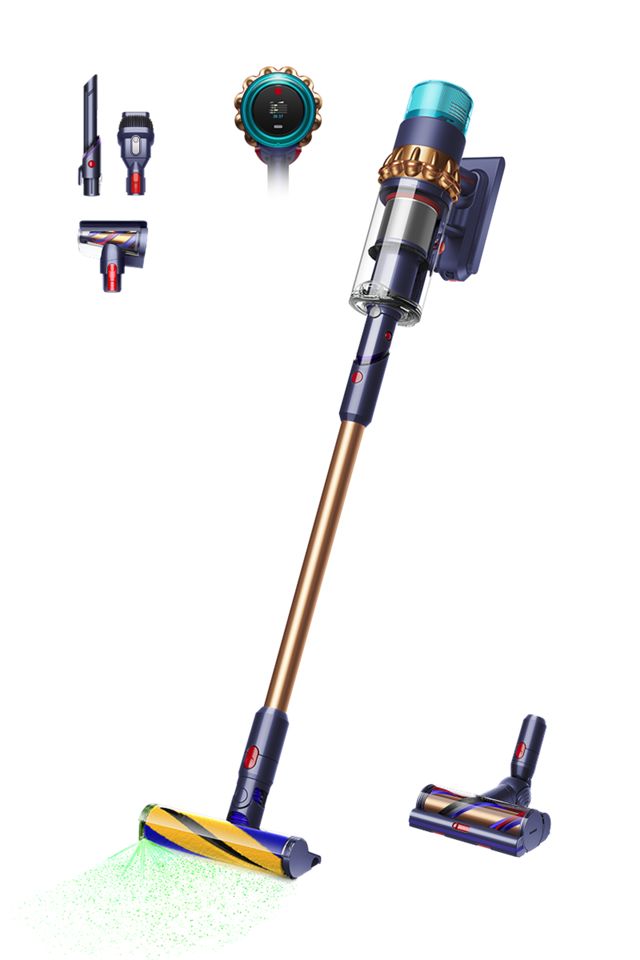
- Laser dust detection: The cleaning head projects a green laser, making invisible dust visible on hard floors.
- Longer battery life: Up to 70 minutes of run time, depending on the mode.
- Intelligent display: Shows battery life, power mode, and even counts the particles being collected.
These features are designed to match or even surpass many corded vacuums. But how do they compare in real use?
Comparing Cleaning Performance
The main question for any vacuum: does it clean as well as the competition? To see if the Dyson Gen5Detect can replace a corded vacuum, let’s compare the two on key points.
| Feature | Dyson Gen5Detect | Corded Vacuum |
|---|---|---|
| Suction Power | Up to 262 Air Watts | 200–300+ Air Watts (varies) |
| Filtration | 99.99% to 0.1 microns | Typically HEPA (99.97% to 0.3 microns) |
| Run Time | Up to 70 min | Unlimited |
| Weight | 7.7 lbs | 14–18 lbs |
| Noise | Quieter (approx. 78 dB) | Can be louder (80–90 dB) |
Non-obvious insight: While the Gen5Detect’s suction power is on par with many corded models, real-world cleaning also depends on airflow and brush design. The Gen5Detect’s motorized cleaner head and laser detection help boost cleaning performance, especially on hard floors.
Battery Life: How Long Is Enough?
One worry with cordless vacuums is running out of power before the job is done. The Gen5Detect promises up to 70 minutes, but this is in Eco mode. If you use Boost mode (maximum power for deep cleaning carpets), the battery can drain in 10–15 minutes.
For most apartments and smaller homes, 70 minutes is more than enough. If you have a large house with thick carpets, you may need to recharge, or clean in stages. Corded vacuums have the advantage here with unlimited run time.
Practical tip: If you clean often and don’t let dirt build up, the Eco or Auto modes will be enough for most jobs, giving you longer battery life.
Filtration And Allergen Control
People with allergies want a vacuum that traps dust and doesn’t blow it back into the air. The Dyson Gen5Detect uses a HEPA-grade filter that captures even tiny particles. It’s fully sealed, which means the air it releases is cleaner than the air in your home.
Corded vacuums often have similar filters, but cheaper models may leak dust. The Dyson’s display even shows how many particles it’s collecting, which can be reassuring for allergy sufferers.
Non-obvious insight: The Gen5Detect’s particle sensor can encourage you to clean more thoroughly, as it shows when all the dust has been removed from an area.
Cleaning Versatility
Cordless vacuums are popular because they’re easy to carry and maneuver. The Gen5Detect weighs less than most corded models and can quickly change from floor to handheld mode. It comes with several tools:
- Motorbar™ cleaner head: Good for both carpets and hard floors
- Laser Slim Fluffy™ head: Excellent for hard floors, with laser detection
- Crevice tool: For tight spaces
- Hair screw tool: Removes hair from upholstery and pet beds
Corded vacuums can clean every surface too, but switching between attachments is usually slower and more awkward due to the cord.
Storage And Maintenance
The Gen5Detect is designed for easy storage. It comes with a wall-mounted charging dock, so it’s always ready to go. Corded vacuums take up more space and often need to be stored in a closet.
When it comes to maintenance, both types need regular filter cleaning and dust bin emptying. The Dyson makes this simple, with a one-click mechanism to empty the bin and washable filters.
Cost And Value
Dyson vacuums are known for being expensive, and the Gen5Detect is no exception. It usually costs between $900 and $1,000, depending on the package and region. Many good corded vacuums cost less, but you may lose out on convenience and advanced features.
Here’s a direct cost and value comparison:
| Model | Typical Price | Main Value Points |
|---|---|---|
| Dyson Gen5Detect | $900–$1,000 | Advanced tech, cordless, versatile |
| Mid-range Corded | $200–$500 | High power, large bin, long life |
| Premium Corded | $600–$800 | Top filtration, strong suction, durable |
The Gen5Detect costs more upfront, but some users feel the convenience and features are worth it.
Buyer mistake to avoid: Don’t buy a high-end cordless vacuum just for the brand. Be sure you need the extra features, or you might be overpaying.

Common Limitations Of Cordless Vacuums
While the Gen5Detect is powerful, it’s important to know where cordless vacuums can still struggle:
- Deep carpet cleaning: Short run time in Boost mode means you might not finish large carpeted rooms in one go.
- Large debris: Cordless models sometimes push big pieces instead of sucking them up.
- Battery health: Over years, batteries lose capacity. Replacement batteries for Dyson are expensive.
Corded vacuums don’t have these problems, but they’re less portable and harder to use on stairs or in cars.
Who Should Choose Dyson Gen5detect?
The Dyson Gen5Detect is best for people who:
- Live in apartments or smaller homes
- Have mostly hard floors or low-pile carpets
- Value convenience and hate dealing with cords
- Need to clean often and quickly
- Have allergies and want advanced filtration
If your home has lots of thick carpets, pets, or you need to vacuum a large area at once, a corded vacuum may still be the better choice.
How Does It Feel To Use?
Many users report that the Gen5Detect is surprisingly light and easy to use. The laser feature is not just a gimmick—it actually helps spot dust you’d miss with a normal vacuum. Switching between attachments is quick, and the vacuum’s balance makes it easy to clean stairs, curtains, or even your car.
A tip most people miss: Hold the Gen5Detect parallel to the floor when using the laser. Tilting too much can make the laser less visible.
Environmental And Noise Concerns
Cordless vacuums are usually quieter than corded ones, making them less disruptive for families with kids or pets. However, battery disposal is a concern—replacing and recycling lithium-ion batteries is important for the environment.

Real-world Examples
- Pet owners: Many pet owners say the hair screw tool is a game-changer for cleaning couches and beds.
- Parents: Families appreciate the Gen5Detect’s quick start and stop for cleaning small messes, like spilled cereal.
- Busy professionals: The cordless, lightweight design makes it easy to clean up before guests arrive, with no setup time.
Expert Opinions
According to the Consumer Reports and other reviews, the Gen5Detect is among the top cordless vacuums for cleaning performance. It’s praised for its strong suction, smart features, and convenience. But experts still note that, for the deepest clean on thick carpets, the best corded vacuums have an edge.
For more data on vacuum performance, see Consumer Reports.
Key Takeaways
- The Dyson Gen5Detect is as powerful as many corded vacuums for most daily cleaning jobs.
- Corded vacuums still win for unlimited run time and deep carpet cleaning.
- For apartments, hard floors, or quick clean-ups, the Gen5Detect is an excellent choice.
- Consider your home size, floor types, and cleaning habits before deciding.
Cordless vacuums like the Gen5Detect are finally ready to replace corded models for many people—but not for everyone. If you want the latest technology and easy cleaning, the Gen5Detect is hard to beat.
Frequently Asked Questions
Can The Dyson Gen5detect Clean Thick Carpets As Well As A Corded Vacuum?
The Gen5Detect does a great job on most carpets, especially in Boost mode. However, for very thick or high-pile carpets, a powerful corded vacuum may still clean deeper, especially if you need to clean large areas in one session.
How Long Does The Battery Really Last?
In Eco mode, you can expect up to 70 minutes. In Auto or Boost mode, the run time drops—sometimes to 15 minutes or less. Most users find this is enough for regular cleaning, but not for deep-cleaning a whole large house in one go.
Is The Dyson Gen5detect Worth The High Price?
If you value convenience, advanced features, and strong filtration, the Gen5Detect is worth considering. If you just need basic cleaning and don’t mind a cord, a cheaper corded vacuum might be a better value.
How Often Do I Need To Replace The Battery?
Dyson batteries are designed to last several years, depending on use. After 3–5 years, you may notice a drop in run time. Replacement batteries are available, but they are expensive.
Does The Laser Really Help With Cleaning?
Yes, the green laser highlights dust and small particles on hard floors, making it easy to see what you’re picking up. It works best in lower light and on smooth surfaces.
The world of vacuuming is changing, and the Dyson Gen5Detect is leading the way. For many homes, it can finally make the corded vacuum a thing of the past. But for some, the old corded workhorse still has a place—especially if you have big carpets or want to clean for hours at a time.
The choice depends on your home and your needs.

