

Fleas are tiny pests, but their presence can cause big problems in homes. Many people think that vacuuming is a simple solution for getting rid of fleas. But does a vacuum really remove flea eggs? Understanding how vacuums work, what they can and cannot do, and which strategies help the most is key for anyone dealing with a flea infestation.
This guide explains the science, the facts, and the practical steps to tackle flea eggs using vacuums.
How Flea Eggs Behave In Your Home
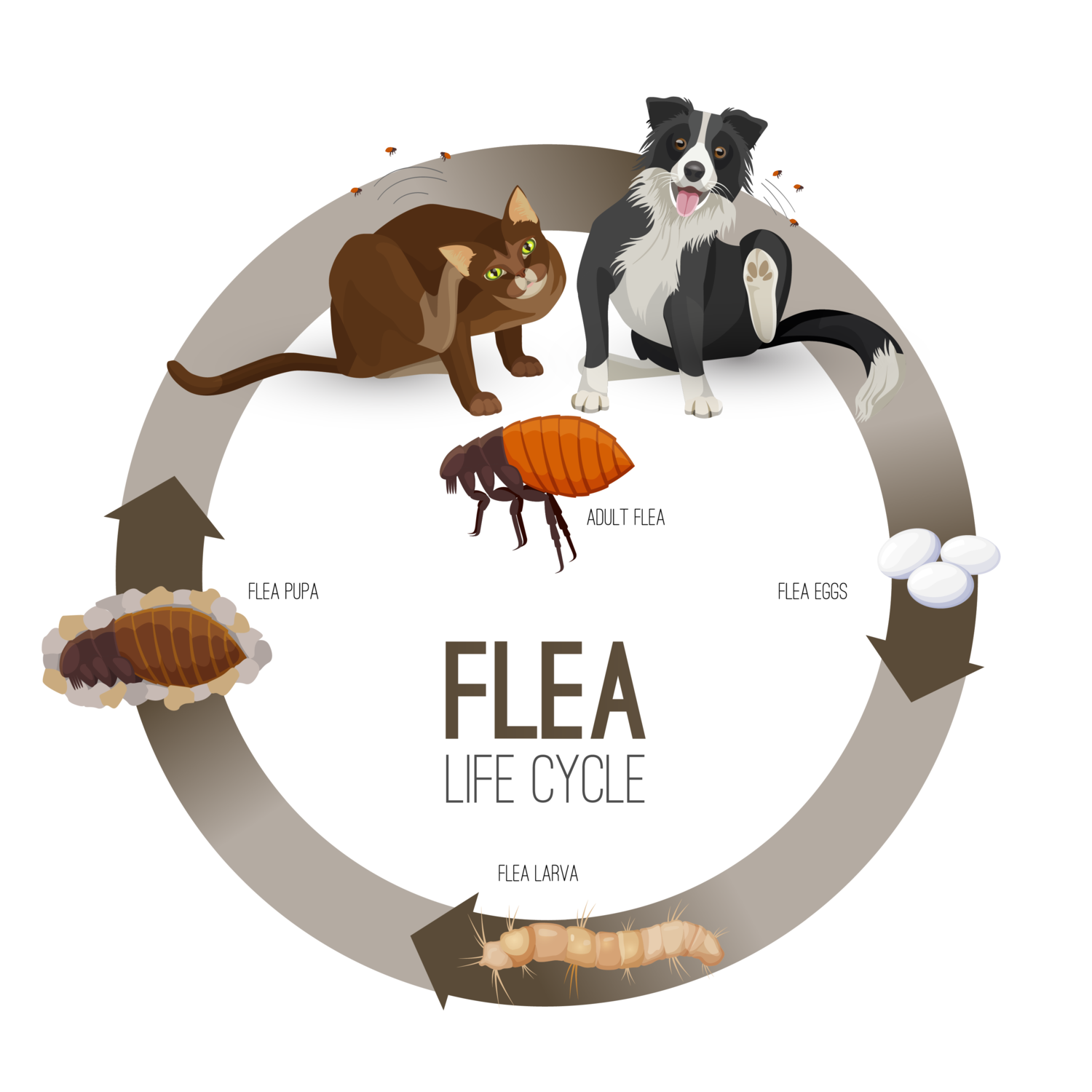
Flea eggs are extremely small, measuring about 0.5 mm. They are white and oval-shaped, and often hard to see without magnification. After adult fleas feed, they lay eggs directly on pets, but these eggs soon fall off onto carpets, bedding, and floor cracks. Unlike adult fleas, eggs do not stick to surfaces. They roll into hidden spaces, making removal challenging.
Each female flea can lay 20–50 eggs per day. This rapid reproduction means that even a few fleas can quickly create hundreds of eggs in your home. Flea eggs usually hatch within two to fourteen days, depending on temperature and humidity. Because eggs hide in fabrics and cracks, regular cleaning is essential.
The Science Of Vacuuming Flea Eggs
Vacuuming is popular for pest control, but how effective is it against flea eggs? Studies show that vacuums can remove many eggs, but not all. The strength of the vacuum, the type of carpet, and the cleaning method all matter.
What Happens When You Vacuum Flea Eggs?
When you vacuum, suction lifts eggs from surfaces. Most eggs on top of carpets or floors are removed easily. However, eggs deep in carpet fibers or cracks may escape suction.
A study by the Ohio State University found that vacuuming removed about 90% of flea eggs from carpet surfaces. But eggs embedded deep inside fibers or under furniture had a lower removal rate.
Can Vacuuming Kill Flea Eggs?
Vacuuming mostly removes eggs, but does not kill them. Some vacuums have rotating brushes that damage eggs, but most eggs remain alive after being sucked into the vacuum bag. If the bag is not disposed of quickly, eggs may hatch inside and escape.

Comparing Vacuum Removal Methods
Different vacuum types and methods have different results. The following table shows how vacuuming removes flea eggs from various surfaces:
| Surface | Egg Removal Rate | Effectiveness Notes |
|---|---|---|
| Carpet (short pile) | 85–90% | Most eggs near surface removed |
| Carpet (deep pile) | 65–75% | Eggs deep in fibers remain |
| Hard floors | 90–95% | Eggs easily vacuumed |
| Cracks/crevices | 50–60% | Suction may miss hidden eggs |
As shown, hard floors and short carpets give the best results. Deep carpets and cracks require extra attention.
Choosing The Right Vacuum
Not all vacuums are equal. Some are designed for pet owners, with stronger suction and special attachments. Here’s a comparison of common vacuum types for flea egg removal:
| Vacuum Type | Egg Removal Ability | Best Used For |
|---|---|---|
| Upright vacuum (with beater brush) | High | Carpeted areas |
| Canister vacuum | Medium | Hard floors, furniture |
| Handheld vacuum | Low | Small spots, pet bedding |
| Robot vacuum | Medium | Daily maintenance |
Upright vacuums with rotating brushes are most effective, especially for thick carpets. Canister vacuums are good for hard floors and reaching corners. Handheld vacuums help with pet beds but lack power. Robot vacuums are useful for daily cleaning but miss deep eggs.

Practical Steps To Maximize Vacuuming Results
Vacuuming alone will not solve a flea infestation, but it is a valuable part of an overall strategy. Here are proven steps for best results:
- Vacuum daily during an active infestation, especially carpets, rugs, pet bedding, and furniture.
- Focus on edges, corners, and cracks, as flea eggs collect in hidden places.
- Use vacuum attachments to reach under furniture and in tight spaces.
- After vacuuming, immediately dispose of the vacuum bag or empty the canister outside. This prevents eggs from hatching and escaping.
- Clean the vacuum filter regularly to prevent buildup.
- Wash pet bedding and blankets in hot water after vacuuming.
Many beginners overlook the importance of vacuuming under furniture and around baseboards. Eggs often hide here, and missing these spots leads to repeated infestations.
Why Vacuuming Alone Is Not Enough
Vacuuming is powerful, but not complete. Flea eggs, larvae, and pupae can survive in hidden areas. You must combine vacuuming with other methods for true control.
Chemical Treatments
Using flea sprays or powders after vacuuming can kill eggs and larvae left behind. Always follow instructions carefully, and keep pets and children away from treated areas until safe.
Integrated Pest Management
Professional pest control uses integrated pest management (IPM)—a mix of cleaning, chemicals, and monitoring. IPM targets all flea life stages. Regular vacuuming is a key part, but it must be combined with washing, treating pets, and sealing cracks.
Common Mistakes When Using Vacuums For Flea Eggs
Many people make errors that reduce vacuum effectiveness:
- Vacuuming only once: Fleas lay eggs daily. One session is not enough.
- Ignoring hidden areas: Eggs collect in cracks and under furniture, not just on surfaces.
- Failing to dispose of vacuum contents: Eggs can hatch inside vacuums if not removed.
- Not cleaning filters: Clogged filters reduce suction and miss eggs.
A less obvious mistake is using old, weak vacuums. Suction strength matters. If your vacuum is struggling, consider upgrading or borrowing a better model.
Flea Egg Removal: Data And Real-life Results
Research and real-world cases show that vacuuming reduces flea populations, but does not eliminate them fully.
- In a study by the University of California, vacuuming reduced flea eggs by up to 80%, but some eggs remained in deep carpet fibers.
- Homeowners who combined vacuuming with washing and flea treatments saw 95% reduction in flea infestations within two weeks.
- Flea eggs can survive in vacuum bags for days, so prompt disposal is essential.
Non-obvious insight: Humidity affects egg removal. High humidity makes eggs sticky and harder to vacuum, while dry conditions make them easier to lift.
Comparing Vacuuming To Other Flea Egg Removal Methods
Vacuuming is just one tool. How does it compare with other methods? Here’s a quick overview:
| Method | Effectiveness | Notes |
|---|---|---|
| Vacuuming | Good for surface eggs | Needs frequent repetition |
| Washing bedding | Excellent | Kills eggs with heat |
| Flea sprays | High | Targets eggs and larvae |
| Professional pest control | Highest | Complete treatment |
Washing and professional treatments kill eggs more reliably, but vacuuming is necessary for ongoing maintenance.
How To Prevent Flea Eggs From Returning
Even after successful removal, prevention is important. Fleas can return if eggs remain or pets pick up new fleas outdoors.
Tips for prevention:
- Treat pets regularly with flea medications recommended by your vet.
- Keep your home clean and vacuumed weekly.
- Seal cracks and gaps in floors and baseboards.
- Limit pets’ contact with wildlife or outdoor areas where fleas may live.
Beginner tip: Many people forget to treat their yard. Fleas often live outside and re-enter homes. Using yard sprays and keeping grass short helps.
The Role Of Pet Care In Flea Egg Removal
Pets are the main source of fleas and eggs. Regular pet care is essential:
- Bathe pets with flea shampoos.
- Use flea combs to remove eggs and fleas.
- Clean pet bedding weekly.
- Consult your vet for the best flea prevention products.
A common oversight is missing behind pet ears and tails when combing. Fleas and eggs often hide there.
The Bottom Line: Can A Vacuum Remove Flea Eggs?
Vacuuming is a powerful tool for removing flea eggs, but it has limits. Most eggs on surfaces are removed, but some remain in deep fibers or cracks. Vacuuming must be repeated often, and combined with other methods for full control.
Remember:
- Dispose of vacuum contents immediately after cleaning.
- Treat your pets and wash bedding regularly.
- Use chemical treatments when needed.
- Seal cracks and keep your home clean.
Vacuuming alone is not enough, but it is a key part of a successful flea removal plan. For more detailed pest control strategies, check reliable resources like EPA Flea Control Guide.
Frequently Asked Questions
Can Vacuuming Alone Get Rid Of All Flea Eggs?
No. Vacuuming removes most surface eggs, but some remain in deep fibers and cracks. Combine vacuuming with washing, pest treatments, and pet care for best results.
How Often Should I Vacuum To Control Flea Eggs?
During an infestation, vacuum daily. For prevention, vacuum at least once a week. Focus on carpets, pet bedding, and hidden areas.
Do Vacuum Bags Need To Be Disposed Of Right Away?
Yes. Flea eggs can hatch inside vacuum bags or canisters. Always dispose of contents outdoors after vacuuming.
Which Vacuum Type Is Best For Flea Egg Removal?
Upright vacuums with beater brushes remove the most eggs, especially from carpets. Use canister vacuums for hard floors and corners.
Can Flea Eggs Survive In Vacuum Cleaners?
Yes, if not killed or disposed of. Eggs can hatch inside vacuums if contents are left too long. Clean and empty your vacuum after each use.
Fighting flea eggs requires patience and careful cleaning. With the right approach, you can keep your home flea-free and your pets healthy.

