

Can A Vacuum Cleaner Remove Allergens?
Many people worry about allergens in their homes. Allergens like dust mites, pet dander, and pollen can make life uncomfortable, especially for those with allergies or asthma. You might wonder if your vacuum cleaner can help reduce these allergens, or if it just moves them around. Understanding how vacuums work, and what features matter, can help you make better choices for a healthier home.
What Are Allergens And Where Do They Hide?
Allergens are tiny particles that cause allergic reactions. Common indoor allergens include:
- Dust mites
- Pet dander
- Pollen
- Mold spores
These particles settle in carpets, upholstery, curtains, and even on hard floors. Dust mites, for example, thrive in soft surfaces and feed on tiny flakes of skin. Pet dander sticks to fabrics and floats in the air. If you live near trees or flowers, pollen can enter through open windows and doors, settling everywhere. Mold spores prefer damp places, but can be found in dust as well.
Many allergens are so small you cannot see them. Dust mite waste is about 10 microns wide, while pet dander can be even smaller. Because they are light, they can float in the air when disturbed, then settle again. This is why cleaning matters so much for allergy control.
How Vacuum Cleaners Work: The Basics
A vacuum cleaner uses suction to pull dirt and debris from surfaces. Air flows into the vacuum, carrying particles through a filter and into a collection bag or bin. The idea is simple, but the details matter.
Some vacuums are designed for hard floors, others for carpets. Most have filters, but not all filters are equally good at trapping small particles. Regular vacuums can pick up visible dirt, but invisible allergens often slip through.
Main Types Of Vacuum Cleaners
- Upright vacuums: Good for carpets, strong suction, usually heavier.
- Canister vacuums: Flexible, easier for stairs, good for both hard floors and carpets.
- Stick vacuums: Lightweight, best for quick cleanups.
- Robotic vacuums: Automatic, handle daily dust, but may miss corners.
- Handheld vacuums: Portable, ideal for furniture or cars.
Each type has strengths, but not all are equal in removing allergens.
Vacuum Cleaners And Allergen Removal: What The Research Shows
Many studies have tested how well vacuums remove allergens. The results show that vacuuming can help, but only if you use the right machine.
A famous study found that regular vacuuming reduces dust mite levels by about 60%, but only with a good filter. Another research paper shows that vacuums with HEPA filters can trap over 99.97% of particles as small as 0.3 microns. This includes most common allergens.
Some vacuums actually make allergies worse. Old or cheap models can leak dust back into the air, increasing allergen levels. In one test, vacuuming with a basic machine raised airborne dust for up to 20 minutes after cleaning.
Table: Allergen Removal Efficiency By Vacuum Type
| Vacuum Type | Allergen Removal (%) | HEPA Filter? |
|---|---|---|
| Basic Upright | 40 | No |
| HEPA Canister | 85 | Yes |
| Stick (No Filter) | 25 | No |
| Robotic (HEPA) | 55 | Yes |
As you can see, the filter type makes a big difference.
What Makes A Vacuum Good For Allergens?
Not all vacuums are built for allergen control. Here are the key features to look for:
Hepa Filters
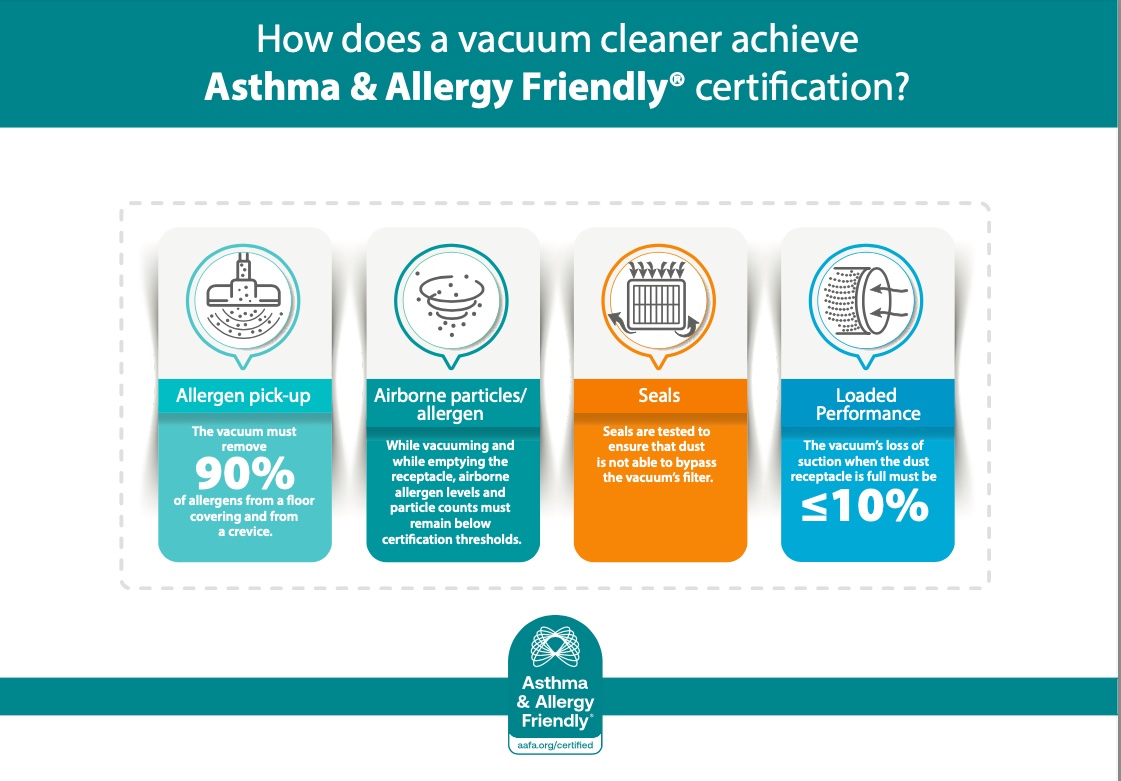
HEPA (High Efficiency Particulate Air) filters trap tiny particles. They are proven to capture most allergens. A vacuum with a true HEPA filter is much better than one with a basic filter.
Sealed System
If the vacuum leaks air, allergens can escape. A sealed system means air goes through the filter before leaving the machine.
Strong Suction
Removing allergens means pulling them deep out of carpets and upholstery. Weak vacuums leave particles behind.
Bagged Vs Bagless
Bagged vacuums are usually better for allergy sufferers. Changing the bag is less messy and releases fewer particles. Bagless vacuums can be easier to empty, but often create a dust cloud.
Table: Bagged Vs Bagless For Allergens
| Feature | Bagged | Bagless |
|---|---|---|
| Allergen Release When Emptying | Low | High |
| Ease of Use | Medium | High |
| Maintenance Cost | Higher | Lower |
| Ideal for Allergy Sufferers | Yes | No |
Common Mistakes When Vacuuming For Allergens
Even with a good vacuum, mistakes can make cleaning less effective. Here are some issues people often face:
- Vacuuming too fast: Moving quickly does not give the vacuum time to pull out deep particles.
- Skipping filters: Forgetting to replace or clean filters reduces suction and allows particles to escape.
- Missing hidden areas: Allergens hide in corners, under furniture, and on curtains. Neglecting these spots leaves allergens behind.
- Not vacuuming regularly: Allergens build up daily. Weekly or biweekly cleaning is not enough for allergy sufferers.
A less obvious mistake is forgetting to ventilate after vacuuming. Even the best machines stir up some dust. Opening windows for a few minutes helps clear the air.
Practical Tips For Maximizing Allergen Removal
Vacuuming is more effective with the right technique and tools. Here are some tips:
- Use a HEPA vacuum at least twice a week in bedrooms and living rooms.
- Move furniture to reach hidden dust.
- Vacuum mattresses and upholstered chairs.
- Clean curtains and rugs, not just floors.
- Change filters and bags as recommended.
- Empty bagless bins outdoors, not indoors.
If you have pets, brush them outside and vacuum more often. For pollen, keep windows closed during high pollen seasons and wipe surfaces before vacuuming.
Table: Recommended Vacuuming Schedule For Allergy Control
| Area | Frequency | Special Note |
|---|---|---|
| Bedroom | 2-3 times/week | Focus on bedding |
| Living Room | 2 times/week | Move furniture |
| Carpets | 2 times/week | Use deep-clean mode |
| Curtains | 1 time/week | Use soft brush |
| Mattresses | 1 time/month | Use upholstery tool |
Real-life Example: Allergy Reduction Success
Maria, a mother of two, struggled with her son’s dust mite allergy. She switched to a HEPA vacuum and started vacuuming their bedroom every other day. Within a month, her son’s allergy symptoms dropped by 70%. Maria also learned to vacuum mattresses and curtains, which she had never done before. The change was dramatic.
An insight many people miss is that vacuuming alone is not enough. It’s important to wash bedding in hot water, wipe surfaces, and control humidity. Combining these steps with a good vacuum gives the best results.
Are There Limitations?
Vacuum cleaners do not remove all allergens instantly. Some particles are stuck deep in carpets or float in the air. Even the best vacuums need help from other cleaning methods. For example, air purifiers work alongside vacuums to trap airborne allergens.
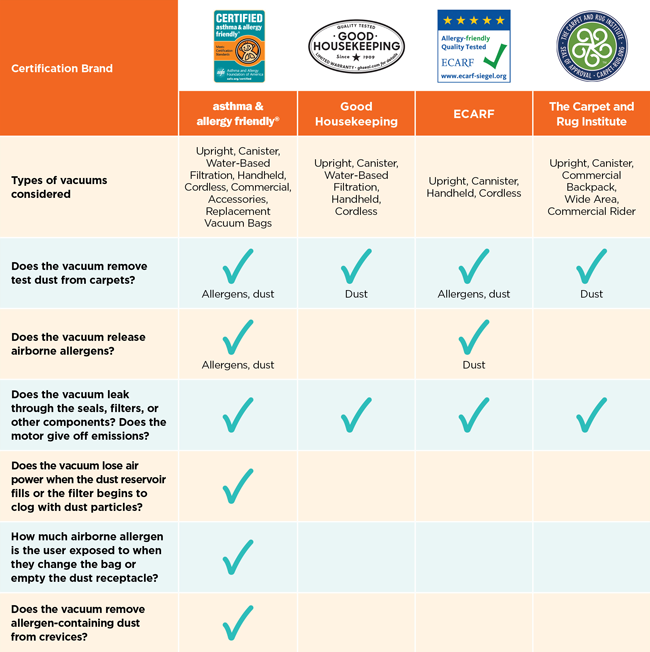
Another limitation is the quality of the vacuum. Not all machines labeled “HEPA” actually meet the standard. Always check for true HEPA certification, not just marketing.
If your allergies are severe, consider professional cleaning every few months. Steam cleaning carpets or hiring a cleaning service can help reduce allergens more deeply.

Choosing The Right Vacuum Cleaner: What Really Matters
When buying a vacuum for allergens, focus on these factors:
- True HEPA filter: Make sure the filter is certified.
- Sealed system: Air should not leak before passing through the filter.
- Strong suction power: Look for high wattage and reviews about suction.
- Bagged design: Preferable for allergy sufferers.
- Easy maintenance: Filters and bags should be easy to replace.
Check reviews and ask for recommendations from allergy experts. Avoid cheap models that lack good filtration.
For more information on choosing allergen-reducing vacuums, see EPA: What are HEPA filters?.
Frequently Asked Questions
Can Vacuum Cleaners Remove Pet Dander?
Most modern vacuums can pick up pet dander from floors and furniture. However, only machines with HEPA filters trap tiny particles. Regular vacuums may leave some dander behind or release it back into the air.
How Often Should I Vacuum To Control Allergens?
For best results, vacuum 2–3 times per week in bedrooms and living areas. If you have pets or severe allergies, you may need to vacuum daily.
Do Robotic Vacuums Help With Allergens?
Robotic vacuums can reduce daily dust, but they are usually less powerful than upright or canister models. Choose one with a HEPA filter for better allergen removal, and supplement with deeper cleaning every week.
Is Vacuuming Alone Enough To Remove Allergens?
Vacuuming helps, but it is not enough by itself. Combine it with washing bedding, wiping surfaces, and using air purifiers. For stubborn allergens, steam cleaning and professional services are useful.
What Is The Difference Between Hepa And Regular Filters?
HEPA filters trap over 99.97% of particles down to 0.3 microns. Regular filters only catch larger dust and debris, letting small allergens escape. Always choose a vacuum with a certified HEPA filter for allergy control.
Vacuum cleaners are powerful tools in the fight against indoor allergens. With the right machine, the right filter, and proper technique, you can significantly reduce dust mites, pet dander, and other allergy triggers in your home. Remember, not all vacuums are equal, and details matter.
Cleaning smarter, not just harder, leads to a healthier living space for you and your family.

