

Are Stick Vacuums Powerful Enough?
Stick vacuums are everywhere today. You see them in ads, on social media, and in stores. They look sleek, lightweight, and easy to use. But many people wonder: are stick vacuums powerful enough for real cleaning? Can they handle carpets, pet hair, and bigger messes, or are they just for quick touch-ups?
If you have doubts, you’re not alone. Traditional vacuums were always bulky and strong. Stick vacuums are thin and light. Does that mean less power? Let’s dive deep and find out how stick vacuums compare, what they can do, and what you should know before choosing one.
What Is A Stick Vacuum?
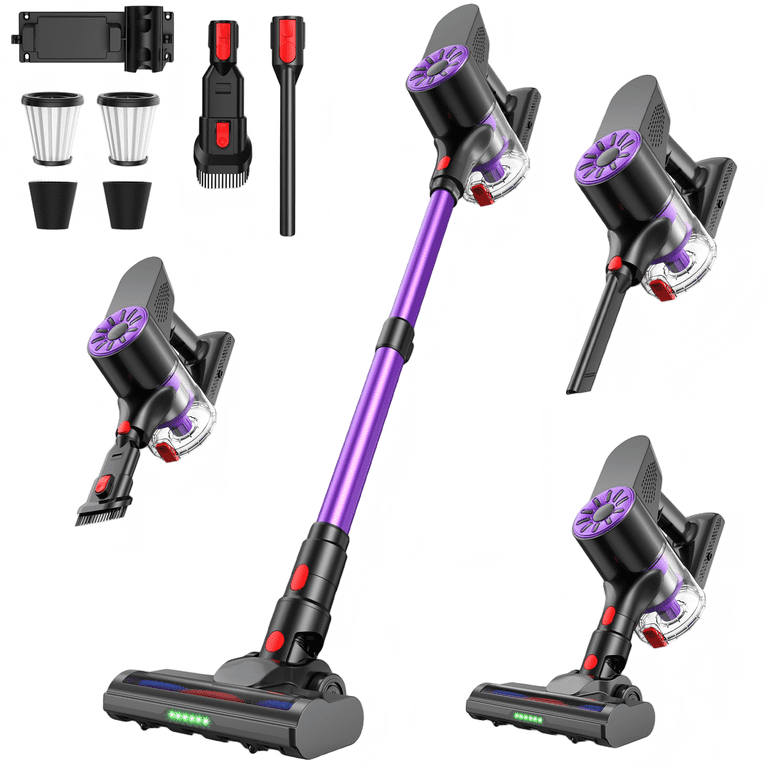
A stick vacuum is a lightweight, upright vacuum cleaner. It usually runs on batteries, has a slim body, and is easy to carry. Most stick vacuums are cordless, so you don’t need to worry about plugging them in. They are designed for quick cleaning and easy storage.
Stick vacuums became popular because they save space and make cleaning easier. You can grab them and clean up small messes fast. Some models even convert to handheld vacuums for furniture, cars, or stairs.
How Powerful Are Stick Vacuums?
People often think smaller means weaker. But modern stick vacuums use clever engineering. Let’s look at their power in detail.
Suction Power
Suction is the force that pulls dirt in. Manufacturers measure suction in air watts (AW), sometimes in kilopascals (kPa) or watts. The higher the number, the stronger the suction.
Average stick vacuums offer:
- 80–150 air watts (AW) for premium models
- 40–80 AW for mid-range models
Traditional upright vacuums usually offer:
- 150–250 AW
Stick vacuums are often lower, but some high-end models match entry-level upright vacuums. For example, the Dyson V15 Detect offers up to 230 AW, which rivals many full-size machines.
Battery And Motor Technology
Cordless stick vacuums rely on batteries. Early models had weak batteries and motors. Now, brands use lithium-ion batteries and digital motors. These provide more power and longer run times.
Most stick vacuums can run:
- 10–60 minutes on one charge (depending on mode)
- High-power mode uses battery faster
Some models switch automatically between power levels, saving energy when possible.
Cleaning Performance
Power isn’t just about numbers. It’s about how well the vacuum cleans. Here’s a real-world look:
| Vacuum Type | Suction (AW) | Carpet Cleaning | Hard Floor Cleaning |
|---|---|---|---|
| Stick (Dyson V15) | 230 | Very Good | Excellent |
| Stick (Shark IZ163H) | 100 | Good | Very Good |
| Upright (Hoover WindTunnel) | 200 | Excellent | Excellent |
Stick vacuums do very well on hard floors. On carpets, they can struggle with deep debris unless they are premium models.
Dust Capacity
Stick vacuums have small dust bins (0. 2–0. 8 liters). Upright vacuums often have bigger bins (1–2 liters). This means you must empty stick vacuums more often, especially during big cleaning sessions.

Where Stick Vacuums Shine
Stick vacuums are not just about power. Their design brings other benefits.
- Easy to use: Lightweight and cordless means you can move fast and clean hard-to-reach places.
- Versatile: Most convert to handheld mode for cars, furniture, or stairs.
- Quick cleanups: Perfect for daily messes, pet hair, crumbs, and dust.
- Storage: Slim shape fits into closets or corners.
For small homes, apartments, or busy families, stick vacuums are a game changer.
Limitations Of Stick Vacuums
Stick vacuums are not perfect. Here are some limitations you should know.
- Battery life: High power drains batteries fast. You may need to recharge before finishing large spaces.
- Dust bin size: Small bins fill quickly, making big cleaning jobs less convenient.
- Deep carpet cleaning: Most stick vacuums struggle with thick carpets and stubborn debris.
- Durability: Lightweight parts can break more easily than heavy-duty machines.
- Noise: Some stick vacuums are loud at maximum settings.
Common Mistakes When Choosing
Many buyers make mistakes when picking a stick vacuum:
- Ignoring suction specs: Some assume all stick vacuums are the same.
- Overestimating battery life: Higher power means shorter run time.
- Forgetting about bin size: Frequent emptying can be annoying.
- Not considering flooring type: Stick vacuums work best on hard floors.
Comparing Stick Vacuums To Traditional Vacuums
How do stick vacuums stack up against upright and canister vacuums? Let’s compare key features.
| Feature | Stick Vacuum | Upright Vacuum | Canister Vacuum |
|---|---|---|---|
| Weight | 3–6 lbs | 10–18 lbs | 8–20 lbs |
| Power Source | Battery | Plug-in | Plug-in |
| Suction Power | 80–230 AW | 150–250 AW | 200–300 AW |
| Dust Capacity | 0.2–0.8 L | 1–2 L | 2–3 L |
| Flooring Suitability | Hard floors, low carpet | All types | All types |
| Noise | Medium–High | Medium | Medium |
| Storage | Easy | Difficult | Difficult |
Stick vacuums win on weight and storage. They lose on dust capacity and sometimes suction. For deep cleaning, traditional vacuums still lead.
Are Stick Vacuums Powerful Enough For Pet Owners?
Pet hair is a big test. Many stick vacuums claim to be “pet approved. ” But what’s the truth?
High-end stick vacuums with strong motors and special brushes can handle pet hair on hard floors and short carpets. The Dyson V12 and Shark Stratos are examples. But for deep carpet or multiple pets, you may need a stronger machine.
Practical Insights For Pet Owners
- Look for models with tangle-free brush rolls and high suction.
- Clean often. Stick vacuums are great for daily hair pickup.
- Empty the bin frequently to avoid clogging.
Pet owners often miss that stick vacuums can clog faster with hair. Also, battery life drops when using high power for pet messes.

Stick Vacuums For Allergies And Fine Dust
Many people buy vacuums to control dust and allergens. Stick vacuums offer HEPA filters in some models, which capture tiny dust and allergens. This feature is found in top brands like Dyson, Tineco, and Samsung.
But remember:
- Small bins fill quickly with fine dust.
- Regular filter cleaning is needed to keep suction strong.
If allergies are a big concern, choose a stick vacuum with sealed filtration and HEPA filters.
Real-world Examples And Data
Let’s look at some real-world numbers.
- The Dyson V11 Absolute has 185 AW and cleans hard floors with 99% efficiency, but only 80% on thick carpets.
- The Shark IZ163H offers 100 AW, good for daily messes and pet hair, but struggles with deep carpet debris.
- In a study by Consumer Reports, stick vacuums cleaned up to 95% of dust on hard floors but only 70–80% on thick carpets.
These numbers show stick vacuums are strong on hard surfaces, less so on deep carpet.
Expert Tips For Choosing The Right Stick Vacuum
Choosing a stick vacuum is not just about picking the highest suction. Here’s what really matters:
- Floor type: If you have mostly hard floors, stick vacuums are ideal. For thick carpets, pick a high-power model.
- Battery life: Look for at least 40 minutes run time if you clean large areas.
- Bin size: If you clean big spaces, pick a model with a bigger bin.
- Filtration: HEPA filters are important for allergy sufferers.
- Brush type: Tangle-free brushes are best for pet hair.
- Weight: Choose a lightweight model for easy handling.
Two Insights Beginners Miss
- Cleaning frequency matters: Stick vacuums work best when used often. Waiting days between cleans makes deep debris harder to pick up.
- Attachments change everything: Using the right tool (crevice tool, motorized brush) boosts cleaning power and efficiency.
How Manufacturers Make Stick Vacuums More Powerful
Manufacturers use several tricks to make stick vacuums stronger:
- Digital motors spin faster, boosting suction.
- Smart sensors adjust power for different floors.
- Dual batteries extend run time.
- Specialized brush rolls pick up more debris.
Some new models even show cleaning data on screens, helping you clean smarter.
Are Stick Vacuums Powerful Enough For Large Homes?
For large homes, stick vacuums can be powerful enough if you clean often and have mostly hard floors. But for deep cleaning big carpets or heavy dirt, a traditional vacuum still wins. Some people use both: stick vacuums for daily messes, uprights for deep cleaning.
Data Table: Stick Vacuum Battery Life
Here’s a quick look at battery life for popular stick vacuums.
| Model | Run Time (Eco) | Run Time (Max) | Charge Time |
|---|---|---|---|
| Dyson V15 Detect | 60 min | 12 min | 4.5 hrs |
| Shark Stratos | 50 min | 15 min | 3 hrs |
| Tineco Pure One S12 | 40 min | 10 min | 3.5 hrs |
Eco mode gives more run time, but less power. Max mode cleans better, but drains the battery fast.
Should You Buy A Stick Vacuum?
If you value convenience, light weight, and quick cleaning, stick vacuums are powerful enough for most jobs. They are especially good for:
- Hard floors
- Small or medium homes
- Pet hair and daily messes
- Allergy control (with HEPA models)
But if you need deep carpet cleaning, have a big house, or lots of pets, you may need a full-size vacuum for heavy-duty jobs.
Frequently Asked Questions
Are Stick Vacuums Good For Carpets?
Stick vacuums work well on low and medium carpets, especially high-end models. For thick carpets, upright vacuums usually clean better.
Can Stick Vacuums Handle Pet Hair?
Most premium stick vacuums can handle pet hair on hard floors and short carpets. Look for models with tangle-free brushes and high suction.
How Often Should I Clean The Filter?
You should clean the filter at least every two weeks. If you vacuum pet hair or fine dust often, clean it weekly for best suction.
Is Battery Life Enough For Big Homes?
Battery life varies. High-end models last 40–60 minutes in eco mode. For big homes, you may need to recharge or use a spare battery.
Do Stick Vacuums Have Hepa Filters?
Many stick vacuums, especially premium models, have HEPA filters. This helps trap allergens and fine dust. Always check the specs before buying.
Stick vacuums are now more powerful than ever. For many homes and cleaning needs, they are strong enough. But it’s wise to match the vacuum to your floors, pets, and cleaning style. For more technical details, see Wikipedia. With the right stick vacuum, cleaning can be faster, easier, and more effective than you expect.

