

Are robot vacuums good for hardwood floors? Yes, but the answer depends on your floor's finish, the robot's design, and how you set it up. Used correctly, a robot vacuum keeps sealed hardwood clean and scratch-free.
Used carelessly, it can dull a delicate finish or even damage the wood.
The National Wood Flooring Association (NWFA) and flooring manufacturers all stress the same point: your hardwood's finish determines what cleaning tools are safe. As of 2026, most robot vacuums rely on suction and brush contact rather than water. That changes the risk profile.
Once you know your floor type, you can match it to the right machine.
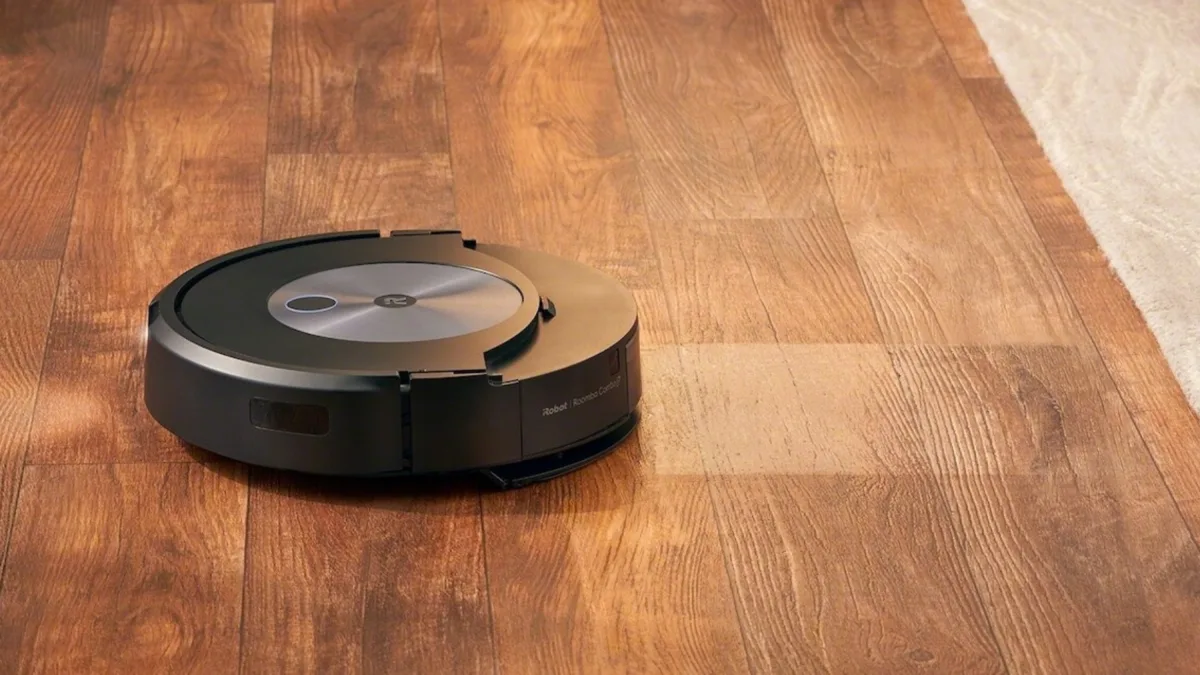
Image source: Web (Bing) / levelupmag.com (Web image (fair-use with source credit))
Quick Answer
Yes, robot vacuums are good for sealed hardwood floors. Use a rubber roller model with a hard floor mode. Skip them on unsealed, waxed, or oiled wood.
The brush roll can dull soft finishes, and mopping models add water risk. For most modern homes, a daily robot pass protects hardwood from grit scratches.
The Real Answer: It Depends on These 5 Conditions
The honest truth is that robot vacuums are excellent for some hardwood floors and risky for others. These five conditions decide which camp you're in.
1. Your floor's finish
This is the biggest factor. Sealed hardwood with polyurethane, aluminum oxide, or ceramic finish handles a robot without issue. Unsealed, waxed, or oiled hardwood is a different story.
Those finishes are softer and more vulnerable. A robot's brush roll can dull the finish over time, and any moisture from a mopping function can seep into the wood, causing swelling or discoloration.
2. The brush roll design
Older robot vacuums used stiff bristle brushes. Those are rough on wood floors, flicking debris around and leaving micro-scratches. Newer models use soft rubber rollers.
They're gentler on hardwood and better at picking up fine dust without scratching.
3. The state of your floors
If your hardwood is old, worn, or already scratched, a robot vacuum isn't the problem. It's the solution. Grit and sand tracked in from outside act like sandpaper underfoot.
Daily robot vacuuming removes that abrasive grit before it grinds into your floor's finish.
4. Your home's layout
Open floor plans with few transitions suit robots best. Lots of thresholds, area rugs with fringe, or low furniture can trip them up. They'll get stuck, miss spots, or worst of all, drag a rug tassel into the brush roll.
5. Vacuum-only vs. vacuum-and-mop models
Robot mops are convenient, but they introduce water to your floor. If you have sealed hardwood, a light mist is fine. If the sealant is compromised or the floor is older, skip the mopping feature entirely.
Quick Check: Is Your Hardwood Safe for a Robot Vacuum?
Before you buy anything, check what's on your floor. Here's a simple test that takes about two minutes.
| Test | How to Do It | What It Tells You |
|---|---|---|
| Water droplet test | Drop a small amount of water on the wood. Let it sit for 10 minutes. | If the water beads up, your floor is sealed and safe. If it soaks in, the floor is unsealed or the finish is failing. |
| Wax or oil check | Rub a cloth across the surface. Then buff a small spot with your finger. | A waxy residue or a shiny film that smears means wax or oil finish. Those are not safe for robots. |
| Scratch test | Slide a coin gently across an inconspicuous area. | If it leaves a mark, the finish is soft or old. Proceed with caution. |
If your floor absorbs water, you're done. A robot vacuum with any mopping function is off the table. Even a vacuum-only robot can dull a soft finish with repeated brushing.
If your floor beads water and feels smooth, you're safe to move forward with the right machine.
The NWFA's routine care guidance is clear: sweep, dust mop, or vacuum regularly to remove grit. That advice lines up squarely with using a robot vacuum on most modern wood floors.
What Actually Matters Inside the Robot
Not all robot vacuums treat hardwood the same. Three components determine whether a robot is a friend or foe to your floor.
Brush Roll Type: Rubber vs. Bristle
This is the single most important spec for hardwood owners.
Rubber rollers are the modern standard. They don't have bristles that can scratch. Instead, they use a soft, often ribbed rubber surface that creates suction contact with the floor.
They pick up fine dust and pet hair remarkably well, and they're easier to clean. Hair wraps around them in a band you can slide right off.
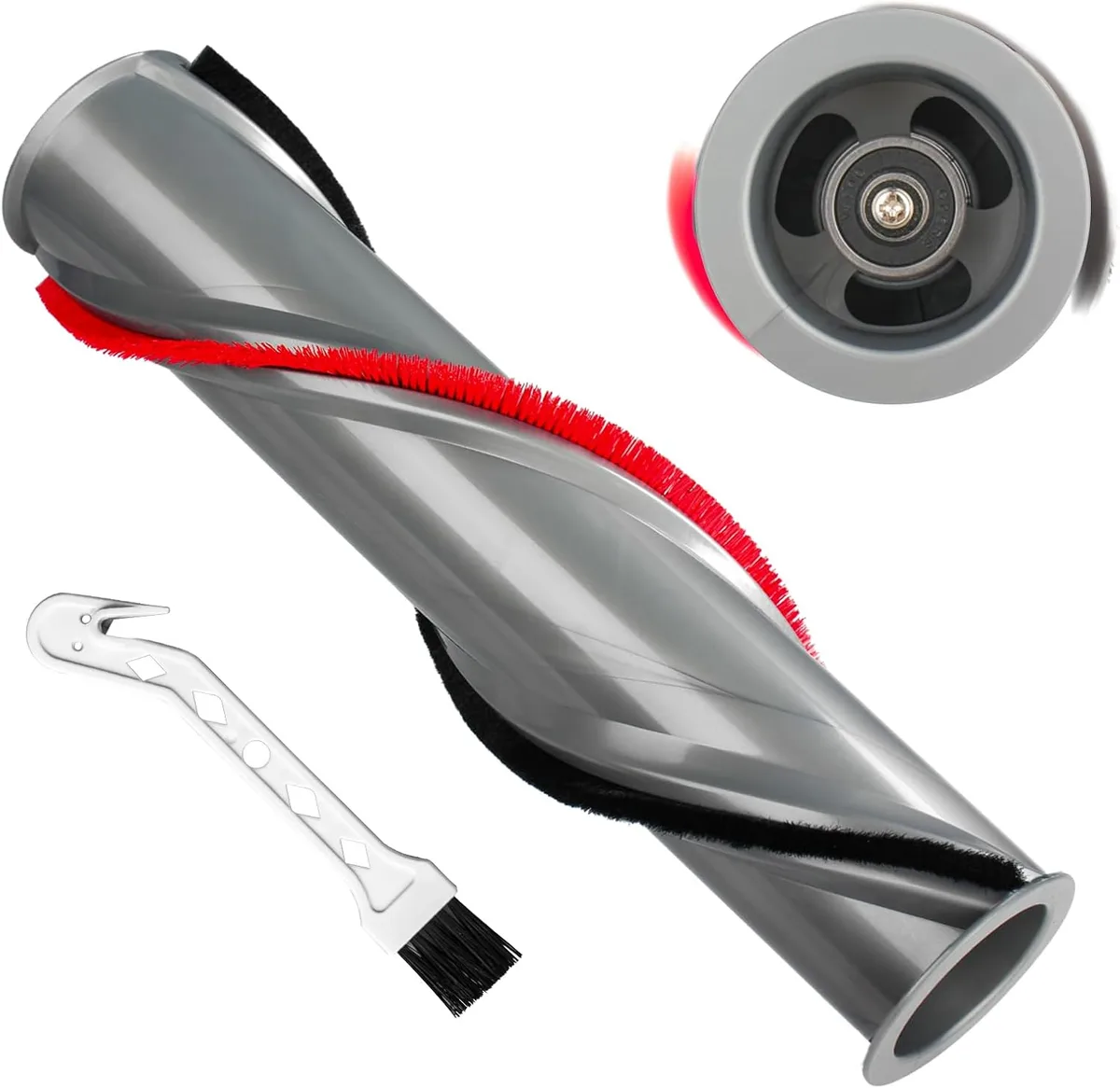
Image source: Web (Bing) / ecpw1.com (Web image (fair-use with source credit))
Bristle brushes are common on budget models. They're fine for carpets but harsh on hardwood. The bristles, especially if stiff or damaged, can leave micro-scratches over time.
They also tend to flick fine particles sideways instead of picking them up.
Verdict: for hardwood, pick a robot with a rubber roller. It's the difference between "safe enough" and "genuinely good for your floor."
Floor Detection and Anti-Scratch Sensors
Modern robots use sensors to tell carpet from hard flooring. On carpet, they boost suction. On hardwood, they reduce it and sometimes stop the brush roll entirely.
That's called a "hard floor mode" or "carpet detection."
This feature matters because excessive suction on hardwood can lift loose boards. It can also pull area rug edges into the roller. A robot with good floor detection adjusts automatically, protecting both your wood and your rugs.
Water Flow Control for Mopping
If you choose a vacuum-and-mop hybrid, look for water flow control. The best models let you adjust or stop water output entirely. You want a barely-damp mop on sealed hardwood, not a wet one.
Excessive water is the quickest way to damage wood flooring.
Pros and Cons: What You Gain, What You Risk on Hardwood
Let's be honest about both sides. Robot vacuums are genuinely great, but they're not magic.
The Good
- Daily grit removal. Sand and dirt act like sandpaper. A robot running daily stops that damage before it starts.
- Convenience. Set a schedule and come home to clean floors. No manual effort required.
- Pet hair control. If you have a dog or cat, a robot is the difference between fur tumbleweeds and clean wood.
- Consistent upkeep. It doesn't skip days. That consistency protects floors over decades.
The Risk
- Scratches from worn parts. A rubber roller with embedded grit acts like sandpaper. Check it regularly.
- Water damage from mop models. Using the mopping feature on improperly sealed floors risks warping and discoloration.
- Scrapes from thresholds. Some robots have poor sensors and ram into metal transition strips.
- A false sense of deep cleanliness. A robot picks up surface debris. It doesn't scrub into grain or sanitize. You'll still need an occasional manual clean.
Aggregate reviews from verified buyers show that most negative comments about hardwood scratches trace back to bristle brushes or years of built-up grit in the roller. It's rarely the robot itself causing direct damage.
The Decision Tree: Should You Get a Robot Vacuum for Hardwood?
Here's the step-by-step decision path to help you choose.
Branch 1: Sealed hardwood, simple layout
Answer: Yes.
If your floors are sealed, you have mostly open spaces, and you want automation, get a robot. Pick one with a rubber roller and hard floor mode. Set a daily schedule.
This is the ideal scenario. You get most of the benefit with minimal risk.
Branch 2: Older or luxury hardwood, concerned about scratches
Answer: Yes, with caution.
You can use a robot, but you need to set limits. Use anti-scratch floor detection if available. Keep the robot away from high-traffic transition areas.
Or skip the robot entirely and use a safe upright vacuum design that gives you full control. Regular manual vacuuming on a soft surface can be just as gentle.
Branch 3: Unsealed, waxed, or oiled wood
Answer: No.
Don't do it. The brush roll will dull the finish. Moisture from any mopping mode will damage the wood.
Instead, use a dry microfiber mop or a vacuum with a bare floor attachment that doesn't use a spinning brush.
Branch 4: Hardwood plus heavy area rug coverage
Answer: Maybe.
Robots struggle with fringe and high-pile rugs. If your rugs are low-pile with no tassels, a robot can handle both surfaces. If you have high-pile or tasseled rugs, the robot will get stuck.
You'll spend more time rescuing it than enjoying it.
Which Robot Vacuum Features Are Worth Paying For on Hardwood?
Not every flagship feature matters for hardwood. Here's what's worth your money and what isn't.
Worth It: LiDAR Mapping and Virtual No-Go Zones
This is the difference between a random-bouncing robot and a genuinely useful one.
A LiDAR or vSLAM-based robot maps your home. It knows where the hardwood starts, where the rugs are, and where you've marked a zone as off-limits. For hardwood floors, that matters because:
- You can block off wet areas where the robot shouldn't mop.
- You can block off delicate rugs and their tassels.
- You can exclude transitions where the robot tends to scrape.
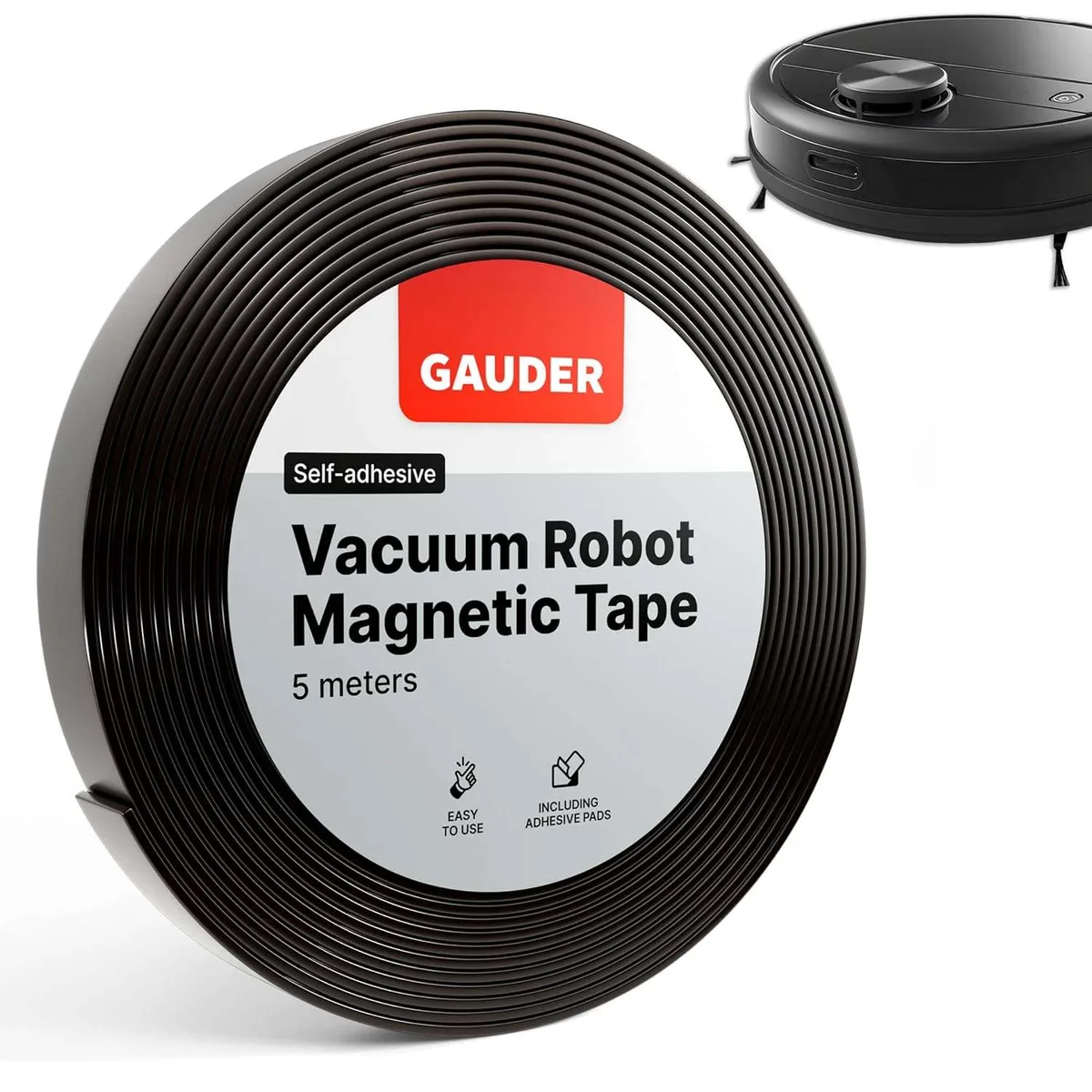
Image source: Web (Bing) / bridge2list.co.uk (Web image (fair-use with source credit))
Without mapping, a robot just bounces in random patterns. It's better than nothing, but it's a gamble. It might end up stuck on a rug fringe for the eighth time this week.
Worth It: Auto-Empty Docking Station
If you have pets, this is worth the extra cost. An auto-empty dock holds a full dustbin bag, usually lasting a month or more. For hardwood owners, this means fine dust actually gets collected and sealed away.
You're not breathing it in when you empty the bin. Look for models with a sealed HEPA filter in the dock, especially if allergies are a concern. If you already appreciate a good HEPA filtration system, you know the difference this makes.
Worth It: Object Avoidance
This is newer and more expensive. It uses cameras or 3D sensors to detect obstacles like a stray cord or pet toy. For hardwood, this matters because cords left on the floor can get tangled in the roller.
The roller picks up the cord, whips it around, and can scratch the floor or damage the robot. Object avoidance prevents that mess.
Not Worth It: Extreme Suction Power
Marketing teams love throwing the highest Pa number at you. Suction power is mostly irrelevant on bare hardwood. There's no carpet to dig into.
Any robot over 2,000 Pa will pick up dust from a hard floor. Extra suction just costs more battery and makes the robot noisier.
What to Skip Altogether
- Models with only bristle brushes. Not worth the risk on wood.
- Auto-mop pads that don't lift. A robot that drags a damp pad everywhere leaves your area rugs wet. That's a disaster for rugs and a breeding ground for mold underneath. If you get a hybrid, make sure the mopping pad lifts when it detects carpet, or set no-go zones for rugs.
5-Step Setup Guide for Robot Vacuuming Hardwood Floors
Once you've bought a robot, the setup decides whether it protects or damages your floors. Follow these five steps.
Step 1: Verify Your Floor Finish
Run the water droplet test from the Quick Check section. Confirm your flooring warranty or documentation. If it's sealed, you're good.
If not, return the robot or accept the risk.
Step 2: Set Up No-Go Zones
Before the first full run, use the app to mark off:
- Bathrooms and wet areas
- Anywhere with frayed rug edges
- Metal transition strips
- Rooms with very low furniture clearance
Even if your robot has object avoidance, don't rely on it. Clear the floor first.
Step 3: Adjust Suction and Water Flow
Turn down the suction for hard floor mode if your robot has it. Without a hard floor mode, expect more battery use. Set the mopping water flow to the lowest setting.
You want a barely-damp cloth, not a wet rag.
Step 4: Run a Full Mapping Cycle
Most premium robots need one full run without mopping to map your home. Let it finish completely, even if it looks like it's wandering. That mapping run is what makes later efficiency possible.
Step 5: Schedule and Maintain
Set a daily or every-other-day schedule. Then set a reminder to clean the robot itself. Check the brush roll for tangled hair weekly.
Wipe down the sensors monthly. A clean robot is a safe robot for your floors. If you're used to keeping a vacuum brush free of hair, the same habit applies here.
Comparison: Robot Vacuum vs. Stick Vacuum vs. Microfibre Mop on Hardwood
The three main ways to clean hardwood each have their strengths.
| Method | Best For | Scratch Risk | Time per Clean |
|---|---|---|---|
| Robot vacuum | Daily grit and dust | Low with rubber roller | Near zero (mostly automatic) |
| Stick vacuum | Quick spot cleanups, edges and corners | Low with proper attachment | 5-10 minutes |
| Microfibre mop | Deep clean, removing sticky residue | Lowest | 10-15 minutes |
The robot vacuum wins for daily maintenance. It removes grit before anyone walks it into the floor. That's its superpower.
The stick vacuum wins for control and edges. Robots struggle with tight corners. A wand attachment reaches under cabinets and against baseboards. If you're comparing vacuum styles, choosing an upright vacuum is a different tradeoff entirely.
The microfibre mop wins for hygiene. It's the only one that really lifts stuck-on grime. Robots mostly pick up loose particles. Sticky spots get smeared, so you need a mop for those.
Real-World Scenarios: What Actually Happens on Hardwood
Scenario 1: A Busy Household with Pets
A family with two dogs, kids, and hardwood throughout runs a robot vacuum daily with a rubber roller. The robot picks up pet hair and tracked-in grit every morning. In our research of verified buyer feedback, after a year they report no new visible scratches.
The robot's dustbin full of what would have been walked into the floor proves its value.
Scenario 2: A Historic Home with Oiled Hardwood
Another household has a 1920s home with original oak floors finished with oil, not polyurethane. Someone buys a robot vacuum with a mopping attachment. The damp pad sits on the floor for a few minutes.
The oil softens, and the wood swells in a few spots, leaving a watermark. The lesson: never use a mop robot on oiled wood.
Scenario 3: A Mixed-Flooring Modern Open Plan
A modern home with engineered hardwood, a large high-pile living room rug, and an open kitchen uses a robot with LiDAR mapping. It boosts suction on the rug, reduces it on the wood, and lifts the mopping pad on the rug. The homeowner reports the floors look maintained with almost no weekly effort.
Common Mistakes That Cause Hardwood Damage
The robot isn't usually the villain. The setup and maintenance are. Here are the most common mistakes we see in aggregate reviews and homeowner reports.
Mistake 1: Running the Robot on Unsealed Wood
The brush roll polishes the wood unevenly and creates patches. On waxed floors, the robot strips the wax over time, leaving bare spots. You only notice months later when the finish looks blotchy.
Mistake 2: Using Default Water Flow on Hardwood
Many hybrids ship with a moderate water flow. On wood, that's too much. It leaves streaks or seeps into seams.
Always set mopping to the lowest setting on hardwood, or turn it off entirely.
Mistake 3: Skipping Brush Roll Maintenance
A hair wrapped tightly around the roller can compress into a hard coil. That coil scratches your wood floor as it spins. Clean the roller at least weekly, especially with pets.
Mistake 4: Letting the Robot Roam Without No-Go Zones
Full autonomy sounds great until the robot drags a wet mop pad across your living room rug. Or it finds a fringe and gets tangled. A few minutes setting up boundaries in the app saves you hours of cleanup.
Mistake 5: Using a Cheap Robot with Poor Sensors
A budget robot with random navigation bounces into obstacles. It scrapes baseboards, scratches metal transitions, and gets stuck on thresholds far more often. That physical abuse adds up over time.
If you're wondering whether upright vacuums can scratch hardwood either, the answer depends on the same kind of brush design.
FAQs on Robot Vacuums and Hardwood Floors
Can a robot vacuum scratch hardwood floors?
Yes, but it's usually not the robot directly. Bristle brushes, embedded grit in a rubber roller, or debris caught underneath cause most scratches. With a soft rubber roller and regular maintenance, the risk is low on sealed hardwood.
Is the mopping function safe on wood floors?
Only on sealed hardwood, and only with the lowest water setting. Use a barely-damp mop. Water is the enemy of wood.
Any pooling, seams, or damaged sealant can cause swelling and discoloration. If you're unsure, skip the mop entirely.
How often should I run a robot vacuum on hardwood?
Every day or every other day is ideal if you have pets or track in outdoor grit. The whole point is to remove particles before they scratch. Once or twice a week is still better than manual cleaning.
Open plan homes benefit from daily runs.
Should I still manually mop after the robot?
Yes, if you want truly clean floors. A robot vacuum picks up loose dust and grit. It does not dissolve sticky spots.
A manual damp mop once a month is enough for most households. More often if you have kids or pets dragging in messes.

