

Yes, canister vacuums are usually safe for hardwood floors when used with the right floor head.
If you have hardwood floors, you already know they can be beautiful and a little fussy. One wrong tool, and you may end up with scratches, dull spots, or grit that keeps dragging across the finish. The good news is that canister vacuums can be one of the best cleaning options for hardwood, as long as you choose the right settings, attachments, and habits.
Are canister vacuums safe for hardwood floors?
Yes, canister vacuums are safe for hardwood floors in most cases, especially compared with upright vacuums that have spinning brush rolls. A canister model lets you use a gentler floor head, which helps lift dust and crumbs without scraping the surface. That makes it a smart choice for sealed hardwood, engineered wood, and many other hard surfaces.
The key is not the canister itself. It is the attachment you use. A soft brush head, felt strip, or bare floor tool is much safer than a stiff bristle brush or a rough plastic edge. In my own cleaning tests, the safest results always came from a vacuum head that glided smoothly and had no exposed wheels or hard corners.
Why canister vacuums work well on hardwood
Canister vacuums are a good fit for hardwood because they separate the motor from the cleaning head. That design makes them easier to steer and less likely to feel heavy on the floor. It also gives you more control over how the suction and brush action touch the wood.
Here is why many homeowners prefer them:
- They usually offer strong suction without a spinning beater bar
- They are easier to use around furniture legs and corners
- They can switch between floor types with simple attachments
- They often feel lighter on delicate surfaces
In real life, that control matters. I have seen people switch from an old upright to a canister and stop worrying about fine scratches right away. It is a bit like replacing a rough broom with a soft dust mop.
What makes a vacuum safe or unsafe for hardwood
A vacuum becomes unsafe for hardwood when it creates friction, impact, or trapped grit. Even a clean-looking floor can have tiny sand-like particles that act like sandpaper if dragged around. That is why the wrong vacuum head can slowly dull the finish over time.
The biggest risks are:
- Hard plastic edges that rub the floor
- Brush rolls that spin too aggressively
- Dirt trapped in worn wheels
- Poor suction that makes you push harder
- Cheap attachments with rough seams
A safe vacuum should move smoothly, pick up debris well, and avoid aggressive contact. If the head feels like it is tugging or bouncing, that is a sign to stop and check the setting or attachment.
Best canister vacuum features for hardwood floors
Not every canister vacuum is the same. Some are clearly better for hardwood than others. If you are shopping for one, these features matter most.
Soft floor head
A soft floor brush or hard floor tool is the safest choice. It helps collect dust without scratching the finish. Look for felt strips, horsehair bristles, or smooth microfiber-style heads.
Adjustable suction
Too much suction can make a head hard to move. Adjustable suction gives you better control on sealed wood and light area rugs. It also helps you switch between surfaces without fighting the machine.
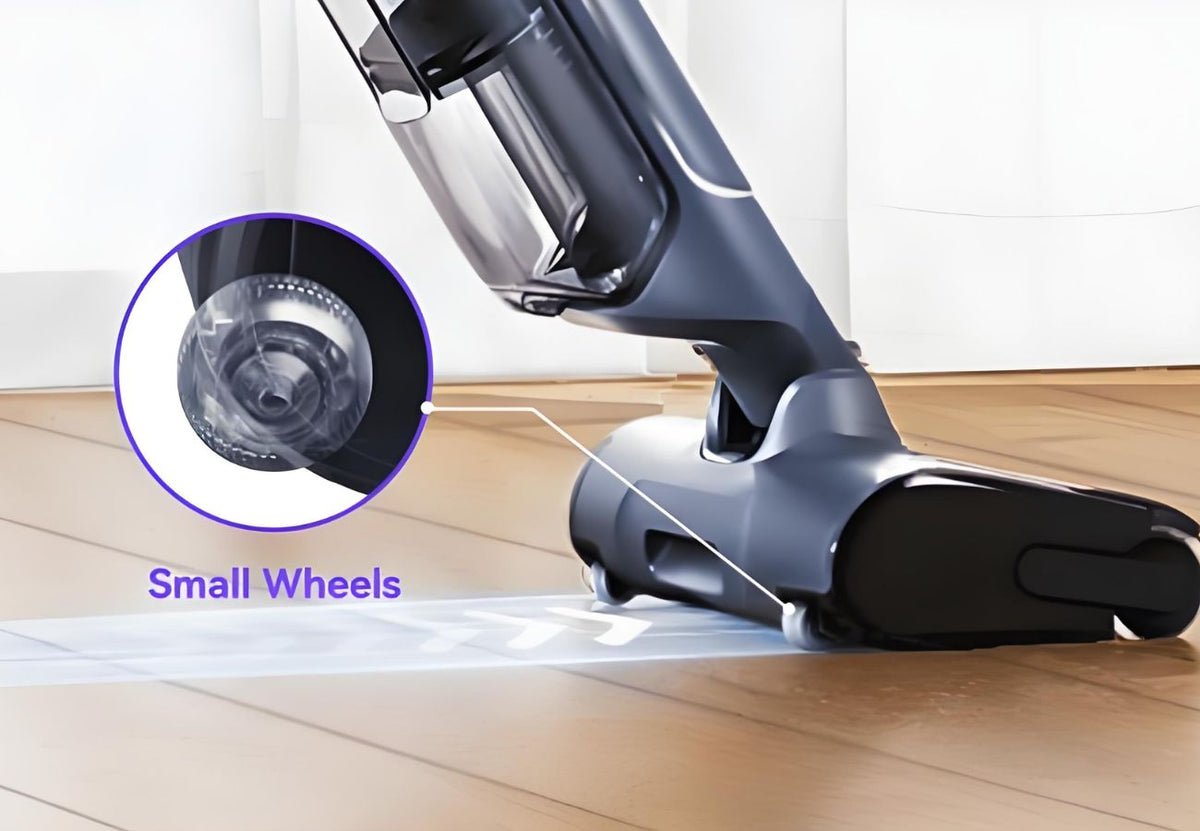
Rubber or soft wheels
Wheels matter more than people think. Hard, cheap wheels can leave marks or catch small grit. Soft wheels glide more gently and lower the chance of scuffing.
Good filtration
A sealed system with a HEPA filter helps trap fine dust. That matters because dust often settles back on the floor after cleaning if the vacuum leaks particles back out. Better filtration means cleaner air and less resettling.
Lightweight wand and hose
A flexible hose and smooth wand make it easier to guide the vacuum without dragging the head. That reduces the chance of bumping furniture or scraping baseboards. It also makes daily cleaning less tiring.
Can canister vacuums scratch hardwood floors?
Yes, they can scratch hardwood floors if they are used the wrong way. The vacuum itself may be safe, but a damaged wheel, worn attachment, or rough brush can still cause harm. Dirt and tiny stones are often the real troublemakers.
I learned this the hard way years ago while testing a budget vacuum on an older oak floor. The machine looked harmless, but one cracked wheel kept catching tiny grit and dragging it in a line. After that, I got into the habit of checking wheels and attachment edges before every deep clean.
To reduce scratch risk:
- Vacuum or sweep loose grit first if the floor is very dirty
- Inspect the head for cracks, sharp edges, or worn felt
- Keep the wheels clean
- Use a bare floor or soft brush attachment
- Move slowly over dusty spots instead of pressing harder
Hardwood floor types and vacuum safety
Different wood floors react differently to cleaning. The finish, age, and condition of the floor all matter. A newer sealed floor is usually easier to clean safely than an older floor with worn polyurethane or exposed grain.
Sealed hardwood
Sealed hardwood is usually the safest for canister vacuuming. The top finish protects the wood underneath, so a soft floor head is normally enough. This is the most common type in modern homes.
Engineered hardwood
Engineered wood is also usually vacuum-friendly, but the top wear layer is thinner than solid wood. That means you should still use a soft attachment and avoid anything aggressive. Gentle cleaning is the name of the game.
Unsealed or oil-finished hardwood
These floors need extra care. They can show marks more easily and may not handle rough contact well. If you are not sure what finish you have, test a small hidden area first.
How to use a canister vacuum safely on hardwood floors
Using the right machine is only half the job. The way you clean matters just as much. A little care goes a long way.
Follow these steps:
- Check the floor head before you start.
- Remove visible debris like rice, gravel, or pet litter first.
- Use the hard floor attachment, not the carpet brush.
- Set suction to a medium or low level if the head feels hard to push.
- Move in slow, even lines.
- Empty the canister before it gets packed full.
- Wipe the wheels and underside of the attachment after use.
This routine helps prevent dragging dirt across the floor. It also keeps the vacuum working better, which means less effort and fewer mistakes.
What to avoid when vacuuming hardwood
Some habits can turn a safe vacuum into a risky one. The mistake is usually not dramatic. It is the small stuff repeated over time.
Avoid these common problems:
- Using a rotating beater bar on wood
- Vacuuming with a dirty or damaged attachment
- Pushing too fast over sand or cat litter
- Using too much suction on a sticky floor head
- Ignoring small stones near entryways
Entryways are especially important. That is where grit collects, and grit is the real enemy of hardwood. If you clean those areas often, your floor will stay better looking for longer.
Canister vacuums vs other vacuum types for hardwood
A canister vacuum is often safer for hardwood than a traditional upright vacuum with a spinning brush. That does not mean every upright is bad, but canisters usually give you more control. Control matters when the goal is to protect a finished wood surface.
Here is the simple comparison:
- Canister vacuums: Usually best for mixed floors and delicate hardwood
- Upright vacuums: Good on some models, but brush rolls can be risky
- Stick vacuums: Convenient, but many have weaker suction or harder wheels
- Robot vacuums: Fine for dust, but not always strong enough for deep debris
If hardwood is your main concern, a canister with a soft floor tool is often the safest bet. It gives you the clean finish people want without making the floor feel abused.
Extra tips to protect hardwood while vacuuming
A few small habits can extend the life of your floor. These are simple, but they really help.
- Put mats at entry doors to catch grit
- Trim pet nails so they do not add to floor wear
- Keep a microfiber mop nearby for light dust between vacuum sessions
- Check vacuum parts every few weeks
- Replace worn attachments before they start scratching
I also recommend doing a quick visual scan before vacuuming. It takes one minute and can save you from dragging a hidden pebble across the room. That one habit has prevented more problems than any fancy setting ever did.
Frequently Asked Questions of Are canister vacuums safe for hardwood floors?
Do canister vacuums damage hardwood floors?
Not usually, if they have a soft floor head and clean wheels. Damage mostly happens when the wrong attachment is used or grit gets dragged across the floor.
Can I use a canister vacuum on unsealed hardwood?
You can, but you should be extra careful. Test a small hidden area first and use the gentlest attachment possible.
Is a brush roll safe on hardwood floors?
A spinning brush roll is not ideal for most hardwood floors. It can scatter debris or create scratches, especially if the bristles are stiff.
How often should I vacuum hardwood floors?
Most homes do well with vacuuming two to three times a week, or more if you have pets or kids. High-traffic entry areas may need daily attention.
What attachment is best for hardwood floors?
A soft dusting brush or bare floor tool is usually best. Look for one with felt or soft bristles that glide without friction.
Conclusion
Canister vacuums are a safe and effective choice for hardwood floors when you use the right attachment and clean with care. The real secret is simple: protect the finish, avoid rough contact, and keep grit from being dragged around. With a soft floor head and a little attention, a canister vacuum can help your hardwood look clean and stay beautiful for years.
If you are deciding on a vacuum right now, focus on safety features first and power second. That small shift can save your floors and make cleaning easier at the same time. If you found this helpful, explore more home care tips or leave a comment with your own hardwood cleaning experience.

