

Canister vacuums are usually lighter to carry than uprights, but the whole setup can still feel bulky.
If you have ever tugged one across a room, lifted it up stairs, or stored it in a small closet, you already know the real answer is a little more nuanced. Are canister vacuums heavy? Sometimes yes, sometimes no, and the difference depends on the motor, dust bin, hose, attachments, and how the vacuum is built. In this guide, I’ll break down what affects canister vacuum weight, how that weight feels in real life, and how to choose one that fits your home without becoming a burden.

What makes a canister vacuum feel heavy?
A canister vacuum has two main parts: the main body and the cleaning wand or hose. The canister body usually holds the motor, dirt container, and filter system. That means the weight is split, which is one reason many people find canister vacuums easier to push than upright models.
Still, “light” does not always mean “easy.” A canister may weigh less on paper, but it can feel awkward if the hose is stiff or the unit keeps tipping. I’ve used models that looked compact but felt like hauling a little suitcase with a mind of its own.
Several parts affect the feel of the machine:
• Motor size: Stronger motors often add weight
• Dust capacity: Bigger bins can make the unit heavier
• Material: Plastic shells are lighter than metal ones
• Cord length: Longer cords can add bulk
• Attachments: Extra tools increase total carry weight
• Wheel design: Smooth wheels make the vacuum feel lighter in use
So when people ask, are canister vacuums heavy, the real answer is not just about pounds. It is about balance, motion, and where you need to lift it.
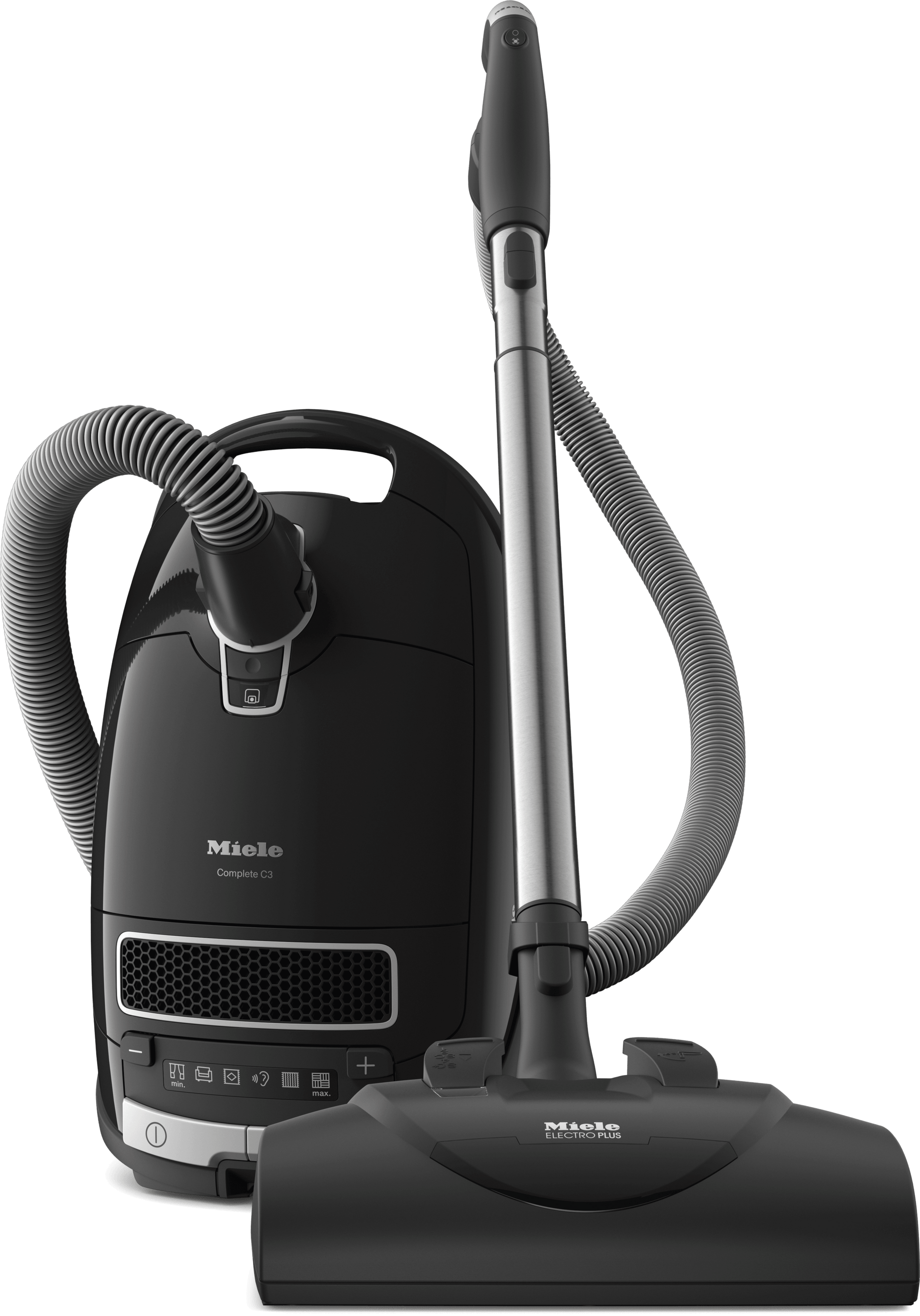
How much do canister vacuums weigh?
Most canister vacuums weigh somewhere between 8 and 20 pounds, though some can be lighter or heavier. Compact models often stay near the lower end, while full-size machines with strong suction and large bins can climb higher.
That said, the canister weight only tells part of the story. You also need to think about how far you will carry it and whether you need to lift it up stairs. A 12-pound vacuum may feel easy on hardwood floors but annoying if you have to move it from room to room on multiple levels.
Here is a simple way to think about it:
• Under 10 pounds: Usually easy to lift and store
• 10 to 15 pounds: Common range, manageable for most homes
• 15 to 20 pounds: Better for bigger homes, but can feel bulky
• Over 20 pounds: Often powerful, but less convenient for frequent lifting
I always tell people to look beyond the number. Weight matters, but shape matters too. A well-balanced 14-pound vacuum can feel easier than a poorly designed 10-pound one.
Are canister vacuums heavier than upright vacuums?
Not usually, at least not in the way most people mean. Upright vacuums place the motor and brush head in one unit, so the whole machine often feels heavier to push. Canister vacuums separate the motor from the wand, which makes cleaning carpets, edges, and stairs feel less tiring.
That said, upright vacuums can be easier to grab and go. With a canister model, you may not be lifting much while cleaning, but you do need to drag the unit behind you. That can be a problem on thick rugs, tight corners, or cluttered rooms.
In my experience, this is the tradeoff:
• Uprights feel heavier in the hand and arm
• Canisters feel lighter while cleaning but may be awkward to move
• Stairs are often easier with a lightweight canister body
• Large open spaces are usually easier with a canister too
So if your main concern is arm strain, canister vacuums often win. If your main concern is portability in a small apartment, a compact upright may still make more sense.
Why some canister vacuums feel lighter than others
Not all canister vacuums are built the same. Two models can weigh the same on a spec sheet and still feel very different in use. That difference usually comes down to design and handling.
A vacuum feels lighter when it has:
• Large rear wheels that roll smoothly
• A low center of gravity that prevents tipping
• A flexible hose that moves easily
• A carry handle that sits in a good spot
• A compact body that stores and lifts well
On the other hand, a vacuum can feel heavier if:
• The hose tugs against your arm
• The body flips over often
• The cord gets in the way
• The wheels snag on carpet or thresholds
This is one reason I always test how a vacuum moves, not just how it weighs. A machine can look small and still be a pain if it fights you at every turn.
Are canister vacuums heavy to carry upstairs?
Some are, but many are easier than uprights. The canister body is often lighter to lift than an upright vacuum, which helps on stairs. Still, if the vacuum is awkward to hold, the stairs can make it feel much heavier than it is.
For stair cleaning, a few things matter a lot:
• Carry handle placement
• Total weight of the canister body
• Length of the hose and wand
• Whether the vacuum stays stable when set down
If you live in a multi-level home, I would strongly suggest checking how easy it is to pick up with one hand. That small test tells you more than a product page ever will. I once used a vacuum that was technically light, but the handle dug into my palm so much that I dreaded stair day.
Is a canister vacuum a good choice for older adults or people with mobility issues?
It can be, especially if the model is lightweight and easy to roll. Many people with back pain or shoulder pain prefer canister vacuums because they do not have to push a heavy upright across the floor. The separate wand also reduces the need to bend and twist as much.
But the best choice depends on the person and the home. A vacuum with a heavy canister body, a short hose, or stiff wheels may create more trouble than relief.
Look for:
• Lightweight body
• Easy-roll wheels
• Simple controls
• Adjustable wand length
• Automatic cord rewind
• Easy-to-empty dust bin
If mobility is a concern, comfort matters more than raw suction power. A vacuum that is easy to use will get used more often, and that is what really keeps a home clean.
Benefits of canister vacuums beyond weight
People often focus on weight first, but canister vacuums bring other real benefits. These advantages matter just as much for daily cleaning.
Some of the biggest benefits include:
• Better maneuverability around furniture
• Easier stair cleaning
• Strong performance on hard floors
• More reach under beds and low sofas
• Less wrist strain during longer cleaning sessions
Canister vacuums are also helpful for homes with mixed flooring. The wand gives you more control, and the body stays out of the way. For pet hair, crumbs, and dust in tight spaces, that extra reach can be a game changer.
In practical terms, the vacuum can feel like a helper instead of a chore. That is often the difference between cleaning once a week and putting it off.

Limitations you should know before buying
Canister vacuums are not perfect. Even if the body is light, the whole experience can still be frustrating if the design is poor. I have seen people buy one expecting easy cleaning, then complain that it followed them like a stubborn suitcase.
Common limitations include:
• Bulkier storage than stick vacuums
• More parts to assemble and maintain
• Hose drag on thick carpet
• Less convenience for quick pickups
• Higher price for premium lightweight models
Also, some canister vacuums are made to be powerful first and light second. That means you may need to choose between suction strength and portability. The best model is the one that fits your floors, your stairs, and your daily habits.
How to choose a canister vacuum that is not too heavy
If you want a canister vacuum that feels manageable, focus on more than weight alone. A smart shopping checklist can save you a lot of frustration later.
Here is what to look for:
-
Check the total weight
Make sure you know the weight of the canister body, not just the box. -
Test the wheels
Good wheels make a vacuum feel much lighter in use. -
Hold the carry handle
If it feels awkward in the store, it will feel worse at home. -
Look at hose flexibility
A stiff hose can make a light vacuum feel heavy. -
Think about your floors
Thick carpet, stairs, and large homes all affect how heavy a vacuum feels. -
Review storage space
If it is hard to store, it may feel heavier in daily life.
A good rule from experience: choose the lightest vacuum that still gives you the suction and attachments you need. Going too light can backfire if cleaning power drops too much.
Tips to make a canister vacuum feel lighter in daily use
Even a midweight canister vacuum can feel easier with the right habits. Small adjustments often make a bigger difference than people expect.
Try these tips:
• Keep the cord fully managed so it does not snag
• Use the right attachment for each surface
• Pull the vacuum behind you at an angle, not straight back
• Empty the dust bin before it gets too full
• Clean the filter so suction stays strong
• Store the vacuum where you do not have to carry it far
I have found that many “heavy vacuum” complaints are really “bad vacuum handling” problems. Once you get used to the movement, a canister can feel almost like a rolling companion instead of dead weight.
Are canister vacuums heavy compared with cordless vacuums?
Usually, yes, but the comparison depends on what part you mean. Cordless vacuums are often lighter overall and easier to grab for quick messes. Canister vacuums are usually more powerful and better for longer cleaning sessions.
Here is the tradeoff:
• Cordless vacuums are easier to lift and move quickly
• Canister vacuums often last longer and clean deeper
• Cordless models may need charging
• Canister models need cord management but no battery worry
If you want the easiest possible lift, cordless often wins. If you want stronger, more consistent cleaning, a canister may still be worth the extra bulk.
Frequently Asked Questions of Are canister vacuums heavy?
Are canister vacuums hard to carry?
Not always. Many are light enough to carry with one hand, especially compact models under 15 pounds. The main challenge is usually the shape of the vacuum, not just the weight.
Are canister vacuums good for stairs?
Yes, they are often one of the better choices for stairs. The separate hose and wand let you clean steps without dragging a full upright machine up and down.
What is the lightest type of canister vacuum?
Compact canister models are usually the lightest. They are a good fit for apartments, small homes, and people who want easy storage and simple handling.
Why do some canister vacuums feel heavier than they are?
A vacuum can feel heavy if the hose is stiff, the wheels drag, or the body tips over. Poor balance can make a light machine feel much harder to use.
Should I avoid canister vacuums if I have back pain?
Not necessarily. A lightweight canister vacuum can reduce pushing strain, but you should still choose one with easy wheels and a comfortable handle. If lifting is painful, test the vacuum before buying.
Conclusion
So, are canister vacuums heavy? Some are, but many are easier to manage than people expect. The real answer depends on the model, the design, and how you plan to use it in your home.
If you want less strain, focus on balance, wheel quality, hose flexibility, and total weight. That way, you pick a vacuum that works with your space instead of against it. Take a few minutes to compare models carefully, and you will likely end up with a cleaner home and a much easier routine.
If this guide helped, explore more vacuum buying tips and share your own experience in the comments.

