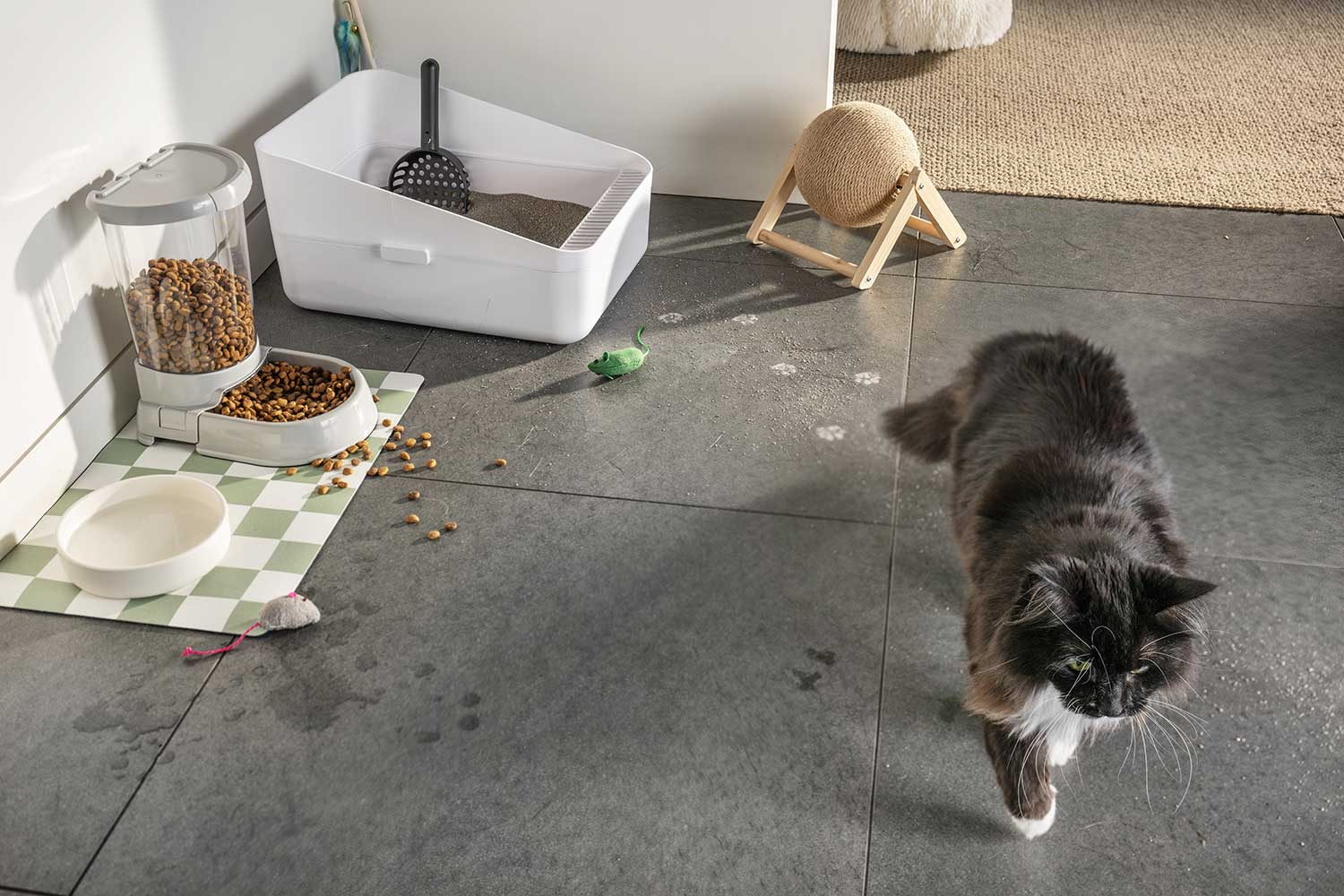
If you share your home with a cat, you know that cat litter can end up everywhere—on the floor, in corners, even tracked across the carpet. Many pet owners wonder if their vacuum cleaner can handle picking up cat litter, or if it will damage the machine. This article explores the truth about using a vacuum to clean up cat litter, which types work best, common mistakes, and practical advice to keep your home tidy and your vacuum safe.
What Happens When You Vacuum Cat Litter?
Cat litter is designed to absorb moisture and odors. Most types are made from clay, silica, or natural materials like wood or corn. The granules are often small but sharp and heavy, especially clay litter.
When you use a vacuum cleaner to pick up cat litter, several things can happen:
- The litter may clog the hose or filter.
- Sharp granules can scratch or wear out plastic parts.
- Fine dust from litter can block the motor or reduce suction.
- Moist litter can stick inside the vacuum and cause odors.
Not all vacuums are built to handle these challenges. Using the wrong type can shorten its life or even break it.
Types Of Vacuum Cleaners And Cat Litter Performance
Different vacuum cleaners react differently to cat litter. Here’s how the main types perform:
| Vacuum Type | Cat Litter Handling | Common Issues |
|---|---|---|
| Upright | Good for large areas, strong suction | Can clog if litter is moist; heavy models may scatter litter |
| Canister | Flexible hose, easy for corners | Hoses can clog; filters may fill quickly |
| Stick/Handheld | Convenient for quick cleanups | Small bins; limited power; not ideal for heavy litter |
| Robot | Automatic cleaning; good for daily maintenance | Limited bin size; may miss corners or thick piles |
| Shop Vac/Wet-Dry | Handles heavy debris; large bin | Bulky, noisy; not ideal for daily home use |
Most home vacuums can pick up dry cat litter if used carefully. For large amounts or moist litter, a shop vac or wet-dry vacuum is safer.
Choosing The Right Vacuum For Cat Litter
If cat litter is a constant problem, choosing the right vacuum makes cleaning easier and prevents damage. Here’s what to look for:
- Strong suction power: Cat litter is heavy. Look for vacuums with high suction ratings (measured in air watts or pascals).
- Large dust bin or bag: Frequent emptying is annoying and messy. Choose models with easy-to-clean bins.
- Durable hose and brush: Plastic hoses can crack from sharp litter. Consider metal or reinforced hoses.
- HEPA filter: Litter dust can affect air quality. HEPA filters trap fine particles and help reduce odors.
- Easy-to-access filters: Regular cleaning is important. Choose vacuums with filters you can reach and wash.
Some brands make pet-focused vacuums with special features for cat litter and hair. These often include stronger motors, anti-clog designs, and odor control.
How To Vacuum Cat Litter Safely
Vacuuming cat litter needs careful steps to avoid damaging your machine or spreading the mess. Here’s a practical guide:
- Sweep large piles first: If there’s a lot of litter, use a broom and dustpan before vacuuming. This reduces stress on the vacuum.
- Check for moisture: Never vacuum wet or damp litter. It can stick and block the motor. Always let the litter dry out first.
- Use the right nozzle: Flat nozzles or hard-floor attachments work better for litter. Avoid soft brush heads—they can get clogged.
- Go slow: Move the vacuum slowly over the litter. Fast movements can scatter granules and miss spots.
- Empty the bin often: Cat litter fills bins quickly. Stop and empty the bin before it gets full to prevent clogging.
- Clean filters regularly: After vacuuming, check and clean the filter. Litter dust can block airflow and reduce suction.
Example: Upright Vacuum Vs Shop Vac For Cat Litter
Let’s compare two common choices for picking up cat litter:
| Feature | Upright Vacuum | Shop Vac (Wet-Dry) |
|---|---|---|
| Suction Power | Medium to High | Very High |
| Dust Bin Size | Small to Medium | Large |
| Handling Wet Litter | Not recommended | Safe for wet debris |
| Ease of Use | Simple, lightweight | Heavy, less portable |
| Noise | Moderate | Loud |
| Maintenance | Frequent filter cleaning | Easy filter access |
For daily cleaning, an upright vacuum works if you follow the right steps. For deep cleaning or bigger messes, a shop vac is safer and more effective.
Common Mistakes When Vacuuming Cat Litter
Many people damage their vacuums or make cleaning harder by:
- Vacuuming wet litter: This causes blockages and bad smells.
- Ignoring filter cleaning: Litter dust builds up quickly.
- Using the wrong attachment: Soft brushes and carpet heads can’t handle hard granules.
- Vacuuming too much at once: Trying to pick up a big pile can overload the vacuum.
- Forgetting to empty the bin: Full bins reduce suction and can spill litter back onto the floor.
Avoiding these mistakes keeps your vacuum working longer and your home cleaner.
Best Practices For Cat Owners
Keeping your home clean with cats is easier if you follow a few best practices:
- Place mats around the litter box: Mats trap litter before it spreads. Choose mats with deep grooves or rubber textures.
- Sweep or vacuum daily: A quick daily clean prevents big messes and makes vacuuming easier.
- Choose low-dust litter: Some litters create less dust, which is safer for both your vacuum and your lungs.
- Use a dedicated vacuum: If you have a shop vac or handheld, keep it for pet areas to avoid spreading litter to the rest of the house.
- Monitor your vacuum’s health: If you notice smells, loss of suction, or strange noises, check for blockages.
Non-obvious Tips
- Let your vacuum cool down after picking up litter. The fine dust can overheat motors if you clean too much at once.
- Replace filters more often than the manual suggests if you vacuum litter regularly. This prevents permanent damage and keeps the machine working well.

Cat Litter Types: Which Are Easier To Vacuum?
Not all cat litter is the same. Some types are easier for vacuums to handle.
| Litter Type | Ease of Vacuuming | Potential Issues |
|---|---|---|
| Clay (clumping) | Harder | Heavy, sharp, can clog filters |
| Clay (non-clumping) | Medium | Granules smaller, still heavy |
| Silica | Easier | Light, but can scratch plastic parts |
| Wood/Pine | Easy | Light, less dust, soft granules |
| Corn/Wheat | Medium | Soft, but can create fine dust |
Wood and silica litters are easier for most vacuums, while clay is the toughest. If you want to vacuum litter often, consider switching to a softer, lighter type.
Is It Safe For Your Vacuum?
Vacuuming cat litter is safe if you:
- Use the right vacuum type
- Avoid wet litter
- Clean filters often
- Don’t overload the bin
Most vacuum warranties do not cover damage from picking up hard debris like cat litter. Some brands warn against using their machines for this purpose. Always check your manual and follow the manufacturer’s advice.
If you’re unsure, a broom and dustpan may be safer for daily use. For deeper cleaning, use a shop vac or a vacuum made for pet messes.
Real-life Examples
Pet owners share mixed experiences:
- Positive: “My upright vacuum handles litter well if I empty the bin after every use and clean the filter weekly.”
- Negative: “I tried vacuuming damp litter and ended up with a clogged hose and a bad smell that wouldn’t go away.”
- Tip: “Switching to wood pellet litter made vacuuming easier and reduced the dust in my home.”
According to a survey by the American Pet Products Association, about 40% of cat owners vacuum around their litter box daily. Most report that using the right vacuum and staying on top of cleaning makes a big difference.
For deeper advice on pet cleaning, see this resource: PetMD.
Frequently Asked Questions
Can Any Vacuum Cleaner Pick Up Cat Litter?
Not all vacuums can handle cat litter. Upright and shop vacs are best for dry litter. Stick and handheld vacuums may clog or struggle with heavy granules. Always check your vacuum’s manual before using it for cat litter.
Is It Safe To Vacuum Clumping Cat Litter?
Vacuuming clumping litter is risky. If the litter is wet, it can stick inside the vacuum and cause blockages. Only vacuum dry clumping litter and clean the filter after each use.
Will Vacuuming Cat Litter Ruin My Vacuum?
It can, especially if you vacuum wet litter, ignore filter cleaning, or use a machine not designed for hard debris. Choose a vacuum with strong suction, durable parts, and clean it often to avoid damage.
What Attachment Should I Use For Vacuuming Cat Litter?
Use a hard-floor nozzle or flat attachment. Avoid soft brushes or carpet heads—they can trap granules and block airflow. Some pet vacuums come with special attachments for litter.
How Often Should I Vacuum Around The Litter Box?
Daily vacuuming is best for homes with cats. It prevents buildup, keeps the area clean, and makes each cleaning session easier. If you use low-dust litter and mats, you may need to vacuum less often.
Keeping your home clean with cats takes some effort, but the right vacuum and a few smart habits make it much easier. Remember to use the correct tools, avoid common mistakes, and pay attention to your vacuum’s health. With these tips, you can enjoy a cleaner, fresher home—and a happier cat.