

Storing a vacuum cleaner may sound simple, but doing it the right way can make a big difference. Many people just push their vacuum into a corner or closet and forget about it. However, proper storage helps your vacuum last longer, keeps your home neater, and makes cleaning easier.
Whether you have a small apartment or a large house, understanding the best ways to store a vacuum cleaner can save you time, money, and frustration. Let’s explore the most effective methods, common mistakes, and some practical tips that even experienced users sometimes overlook.
Why Proper Storage Matters
Keeping your vacuum in good condition starts with proper storage. When you store a vacuum cleaner the right way, you:
- Prevent damage to important parts like hoses, cords, and filters
- Avoid bad smells caused by trapped dirt or moisture
- Save space and avoid clutter in your home
- Make cleaning faster, since your vacuum and accessories are always ready to use
Many vacuums break down early not because of poor quality, but because they’re stored carelessly. For example, wrapping cords too tightly can cause them to crack. Leaving a vacuum in a damp area can lead to mold. Small mistakes add up over time.
Choosing The Right Location
Finding the best spot to keep your vacuum cleaner depends on your home and the type of vacuum you own. Here’s how to decide:
Consider Your Space
- Closet: The most common choice, especially for upright and canister models. Make sure the closet is dry and not overfilled.
- Laundry room: Often has extra space and is away from main living areas. Just be sure the room doesn’t get too humid.
- Garage: Good for large vacuums, but only if the garage is clean and dry.
- Utility room: Ideal for homes with extra storage space.
Avoid Problem Areas
Never store your vacuum in places that are:
- Damp or wet (like bathrooms or basements with leaks)
- Very hot or cold (such as attics or uninsulated garages)
- Dusty or dirty (which can clog filters and motors)
Safety And Accessibility
Store your vacuum where you can reach it easily. If you have children or pets, keep it in a locked or high place to prevent accidents. Storing near electrical outlets saves effort, especially for corded models.
Storage Location Comparison
Here’s a quick look at how different locations compare for vacuum storage:
| Location | Pros | Cons |
|---|---|---|
| Closet | Easy access, safe from moisture | Limited space, may get crowded |
| Laundry Room | Extra room, out of sight | Possible humidity |
| Garage | Fits large vacuums, away from living space | Temperature swings, dust, moisture risk |
| Utility Room | Dedicated storage, dry | May not be available in all homes |

Preparing Your Vacuum For Storage
Before you put your vacuum away, take a few steps to keep it in top shape. Skipping these can lead to bad smells, reduced suction, or even damage.
1. Empty The Dust Bin Or Bag
Always empty the dust container or replace the bag after vacuuming. Full bins attract bugs and can cause odors.
2. Clean The Filters
Wash or tap out dust from the filters. Most modern vacuums have washable filters, but check your user manual. Let filters dry completely before reinstalling.
3. Check For Blockages
Look through the hose, brush, and nozzle for any trapped hair, string, or debris. Remove these to prevent clogs.
4. Wipe Down The Vacuum
Use a damp cloth to clean the outside. Wipe the wheels, handles, and attachments. Dirt and dust left on the vacuum can spread back into your storage area.
5. Let All Parts Dry
If you’ve washed any parts, let them air-dry fully before storing. Moisture can cause mold inside the vacuum.
6. Coil The Cord Properly
Wrap the power cord loosely using the hooks or holders on your vacuum. Don’t pull too tight—this can damage the cord over time.
Storing Different Types Of Vacuum Cleaners
Not every vacuum is the same. Upright, canister, stick, and robot vacuums all have special needs. Here’s how to store each one correctly.
Upright Vacuums
These are tall and often heavy. Store them in a closet or corner, standing upright. Lock the handle if your model has a latch. Store attachments on the vacuum if possible, or in a nearby bin.
Canister Vacuums
Canister models are shorter but wider. Place them on a flat surface, with the hose wrapped loosely around the body or hung on a wall hook. Store tools in the canister’s tool holder or a basket.
Stick Vacuums
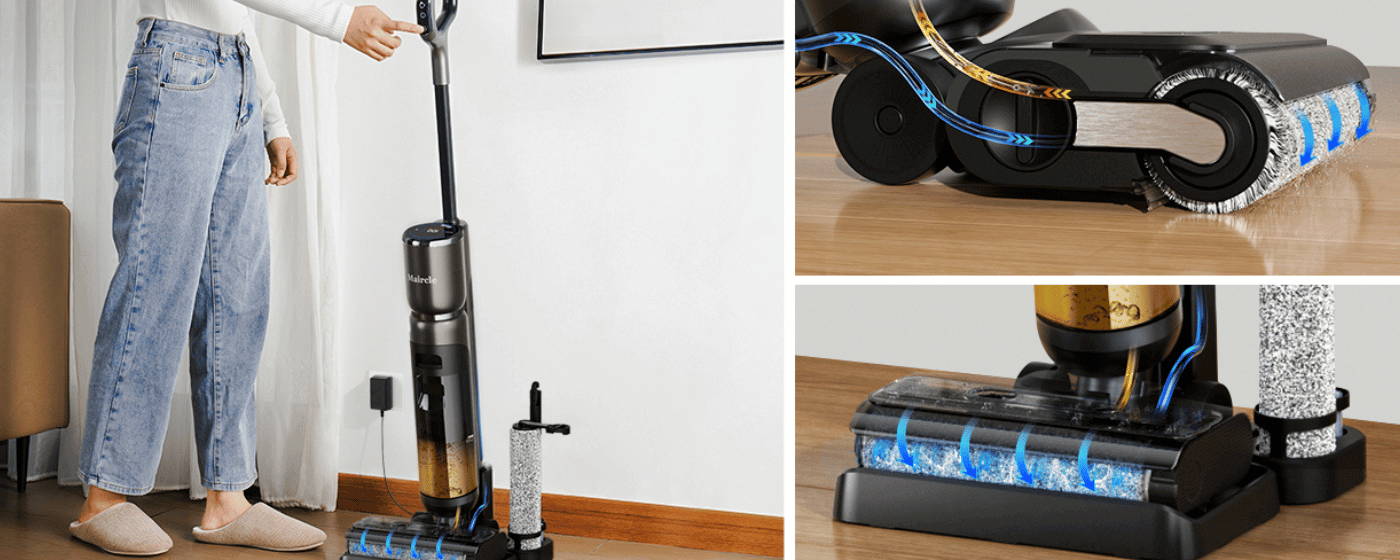
These are lightweight and usually cordless. Most come with wall mounts or charging docks. Hang them up to keep them safe and always charged. Avoid laying them flat on the ground—this can damage the battery.
Handheld Vacuums
Small and portable, these are best kept on a shelf or in a drawer. Keep the charger nearby, but unplug when not charging to save battery life.
Robot Vacuums
Robots need a charging station. Place the dock against a wall, with about 2 feet of space on each side and in front. This allows the robot to return easily. Keep the area clear of obstacles.
Vacuum Type And Storage Needs
Here’s a side-by-side comparison of different vacuum types and their storage requirements:
| Vacuum Type | Best Storage Method | Special Considerations |
|---|---|---|
| Upright | Stand upright in closet | Lock handle, store attachments |
| Canister | Shelf or floor, hose coiled | Don’t kink hose, keep tools nearby |
| Stick | Wall mount or dock | Keep charged, avoid lying flat |
| Handheld | Shelf or drawer | Store charger, avoid battery drain |
| Robot | Charging station, open floor | Clear area, regular emptying |
Organizing Attachments And Accessories
Most vacuums come with several attachments: crevice tools, dusting brushes, pet hair tools, and more. These often get lost or forgotten. Here’s how to keep them together:
- Use a small storage bin or basket in the same closet or room as your vacuum
- Hang attachments on wall hooks if space is tight
- Label bins or bags to identify each tool
- Some vacuums have built-in tool storage—use it, but don’t overstuff
Keeping accessories organized saves you time and helps you get the most out of your vacuum.
Special Tips For Small Spaces
If you live in a small apartment or have little storage, you need creative solutions. Try these:
- Wall-mounted holders: Many stick vacuums come with wall mounts. Install one behind a door or in a closet.
- Under-bed storage: Use low-profile bins for handheld vacuums and small attachments.
- Hooks and racks: Heavy-duty hooks can hold hoses, cords, or entire vacuums on a closet wall.
- Multi-use furniture: Some storage benches or ottomans can hide a compact vacuum inside.
People often forget that vertical space matters. Using the wall instead of the floor frees up valuable room.
Common Mistakes To Avoid
Even experienced vacuum owners make simple mistakes that can shorten the life of their machine. Watch out for these:
- Storing with a full dust bin: This leads to bad smells and bugs.
- Wrapping cords too tightly: Cords can crack or break inside.
- Leaving wet filters inside: Moisture causes mold and bad odors.
- Placing in direct sunlight: Sun can fade plastic and damage batteries.
- Ignoring the battery: For cordless models, let the battery run down a bit before recharging. Don’t leave plugged in constantly.
Vacuum Storage And Maintenance Frequency
Storing your vacuum properly is just one part of care. Regular maintenance is just as important. Here’s a simple guide to how often you should perform key tasks:
| Task | Recommended Frequency | Why It Matters |
|---|---|---|
| Empty dust bin/bag | After every use | Prevents odors, keeps suction strong |
| Clean filters | Monthly | Improves air quality, protects motor |
| Check for clogs | Every 2-3 uses | Prevents blockages, reduces wear |
| Wipe exterior | Monthly | Keeps vacuum clean, avoids dust spread |
| Inspect cords/batteries | Every 3 months | Avoids electrical hazards |
Pro Tips Most People Miss
Even if you think you know how to store a vacuum, these lesser-known tips can help:
- Store with the brush head up: This prevents the bristles from flattening, especially on upright and stick models.
- Leave the dust bin slightly open if you must store your vacuum before filters are fully dry. This lets air circulate and prevents mold.
- Use a surge protector for robot or cordless vacuums left on charge. This protects against power spikes.
The Environmental Impact Of Proper Storage
Good storage habits don’t just help your vacuum—they help the environment. When vacuums last longer, fewer end up in landfills. Also, vacuums with clean filters and no blockages use less electricity because they run more efficiently. Taking five extra minutes to store your vacuum properly saves resources and reduces waste.
For more on how to maintain appliances in a sustainable way, check out this helpful resource from the US Environmental Protection Agency.
Frequently Asked Questions
How Often Should I Clean My Vacuum Before Storing It?
You should empty the dust bin or bag and check filters after each use. A deeper clean—like washing filters or checking for clogs—should be done monthly or as recommended by your vacuum’s manual.
Where Should I Store My Vacuum If I Have No Closet Space?
Try using a wall-mounted holder, an under-bed storage bin, or a corner of your laundry room. Vertical storage solutions, like hooks, are especially useful in small homes.
Is It Okay To Leave My Cordless Vacuum On The Charger All The Time?
It’s best not to leave cordless vacuums charging 24/7. Allow the battery to run down partially before recharging, and unplug once fully charged to extend battery life.
Can I Store My Vacuum In The Garage?
You can, but only if the garage is dry, clean, and not exposed to extreme temperatures. Moisture or big temperature changes can damage your vacuum.
What’s The Best Way To Store Vacuum Attachments?
Keep attachments in a labeled bin, basket, or on wall hooks near your vacuum. Some vacuums have built-in storage for small tools—use these if available to avoid losing parts.
Storing your vacuum cleaner properly doesn’t have to be difficult. With a little planning and regular care, you can keep your machine working well for years. Not only will you save money, but you’ll also enjoy a cleaner, more organized home.
Make these storage tips part of your routine, and your vacuum will always be ready when you need it.


2 Comments
Pingback: Vacuum Cleaner Not Working: Quick Fix Guide - Vacuum Cleaner Tips
Pingback: Vacuum Cleaner Losing Suction: Quick Fixes - Vacuum Cleaner Tips