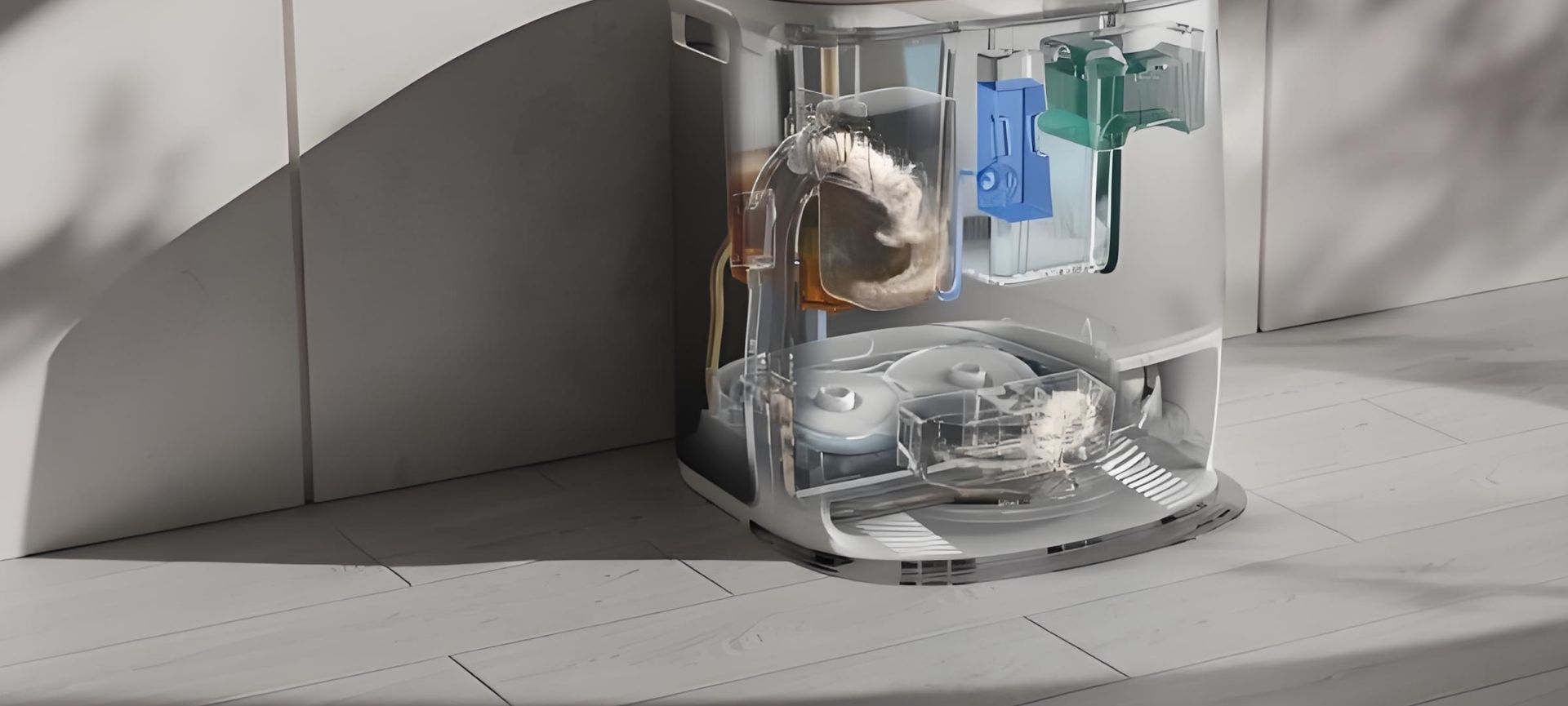
Why Does My Vacuum Smell Bad?
When you notice a bad smell coming from your vacuum cleaner, it’s not just unpleasant—it can also be embarrassing and even unhealthy. Many people expect their vacuum to leave rooms cleaner and fresher, but sometimes it does the opposite. If you have ever wondered, “Why does my vacuum smell bad?
“, you are not alone. Understanding the causes, knowing how to fix the problem, and learning how to prevent it will help you keep your home smelling fresh and your vacuum running smoothly.
What Causes A Vacuum To Smell Bad?
Several reasons can make your vacuum release unpleasant odors. Sometimes, the reason is obvious. Other times, it’s something most people miss. Here are the main causes:
1. Full Or Dirty Vacuum Bag Or Dust Bin
When the vacuum bag or dust bin is full, dust and debris start to break down. Food crumbs, pet fur, and even tiny bugs can rot or decompose, leading to bad smells. If you rarely empty the bag or bin, the odor will build up quickly.
2. Dirty Or Clogged Filters
Filters trap tiny particles, but they can get clogged over time. When filters are full of dust, pollen, or pet hair, they start to smell. In some cases, bacteria or mold can even start to grow inside damp filters, making the smell worse.
3. Pet Hair And Dander
If you have pets, your vacuum will likely pick up pet hair, dander, and even urine crystals. When these mix with dust inside the vacuum, they can make a strong, musty smell.
4. Mold And Mildew
Vacuuming up something wet—like a spilled drink or damp carpet—can cause mold or mildew to grow inside the machine. These fungi give off a sharp, unpleasant odor that gets blown back into your room every time you use the vacuum.
5. Burnt Belt Or Motor Issues
A burning smell is different from musty odors. If you notice a rubbery or burnt scent, the vacuum’s belt may be slipping, or the motor could be overheating. This is usually a sign that something mechanical needs attention.
6. Rotting Food Or Organic Debris
Vacuuming up food crumbs, vegetables, or other organic matter can cause smells as these items rot inside the bag or dust bin. Sometimes, even a small forgotten snack can make a big stink after a few days.
7. Poor Maintenance Habits
Skipping regular cleaning and maintenance makes all these problems worse. Over time, dirt, bacteria, and even small pests can build up in the vacuum, making the smell stronger and harder to remove.
How To Identify The Source Of The Smell
Finding the real cause of the odor is the key to solving it. Here’s how you can check different parts of your vacuum:
- Check the vacuum bag or dust bin: Empty it and look for any wet or rotten material.
- Inspect the filters: Remove and smell them. If they stink or look dirty, they need cleaning or replacing.
- Examine the brush roll and hose: Hair, threads, and debris often get stuck here. These can rot or mold, causing bad smells.
- Look for signs of moisture: If you find any dampness, mold, or mildew, that’s likely the culprit.
- Listen and smell for burnt odors: If it smells like burning rubber, check the belt and motor right away.
How Different Vacuum Types Compare For Smell Issues
Some vacuums are more likely to develop odors than others. Here’s a comparison of common vacuum types and how prone they are to bad smells:
| Vacuum Type | Smell Risk | Main Problem Areas |
|---|---|---|
| Upright (Bagged) | Medium | Bag, filters |
| Upright (Bagless) | High | Dust bin, filters |
| Canister | Medium | Bag/bin, hose |
| Stick/Handheld | High | Small dust bins, filters |
| Robot Vacuum | Medium | Dust bin, brushes |
Bagless models tend to smell worse if not cleaned often, while bagged vacuums can trap odors inside the bag until you change it.
Practical Solutions To Fix A Smelly Vacuum
Once you know where the smell is coming from, you can take action. Here’s what works best:
1. Empty And Clean The Dust Bin Or Replace The Bag
- For bagless vacuums: Wash the dust bin with warm, soapy water. Let it dry fully before reattaching.
- For bagged vacuums: Replace the bag with a fresh one. Don’t wait until it’s packed full.
2. Clean Or Change The Filters
- Most vacuums have several filters. Some can be washed, others must be replaced.
- Check your manual to see which type you have.
- Washable filters should be rinsed with water and dried completely.
- Change non-washable filters every 3–6 months, or sooner if they smell.
3. Clean The Brush Roll, Hose, And Attachments
- Remove tangled hair and strings from the brush roll.
- Use a long stick or broom handle to push out clogs from the hose.
- Wash attachments in warm, soapy water and let them dry fully.
4. Check For Mold Or Mildew And Treat It
- If you see mold, scrub affected parts with a mix of vinegar and water.
- Dry all parts in sunlight if possible; sunlight helps kill mold spores.
5. Replace Worn Belts Or Fix Motor Issues
- If the smell is burnt or rubbery, inspect the belt. Replace if it looks cracked or loose.
- For motor problems, check your manual or call a professional.
6. Use Odor Neutralizers Wisely
- Sprinkle a small amount of baking soda on your carpet before vacuuming.
- You can also place a dryer sheet or a special vacuum deodorizer in the dust bin or bag.
- Avoid using too much perfume or strong scents—they can mask, but not solve, the problem.
7. Deep Clean The Vacuum
Every few months, do a full clean:
- Unplug and take apart removable parts.
- Wash each piece that can get wet.
- Dry everything fully before reassembling.
How Often Should You Clean Your Vacuum?
How often you clean depends on how much you use it and if you have pets or allergies. Here’s a quick guide:
| Task | Recommended Frequency |
|---|---|
| Empty dust bin / change bag | Every use (bin), or when 2/3 full (bag) |
| Clean filters | Monthly (washable), every 3–6 months (replace) |
| Clean brush roll and hose | Monthly |
| Full deep clean | Every 3–6 months |
Being proactive keeps odors away and helps your vacuum last longer.
Common Mistakes That Make Vacuum Odors Worse
Even careful users sometimes make mistakes that encourage bad smells. Here are a few to avoid:
- Waiting too long to empty the bag or dust bin: This lets debris rot and stink.
- Ignoring the filters: Dirty filters spread odor and allergens.
- Vacuuming up wet material: Only use wet/dry vacuums for liquids.
- Storing the vacuum in a damp area: This encourages mold growth inside.
- Using the wrong bag or filter: Always use the type recommended by your vacuum’s manufacturer.
Ways To Prevent Vacuum Smells In The Future
A little prevention saves you time and trouble. Try these tips:
- Empty the dust bin or replace the bag regularly—don’t wait until it’s overfull.
- Clean or replace filters as needed, especially if you have pets.
- Avoid vacuuming wet or sticky messes unless your vacuum is made for it.
- Store your vacuum in a dry, cool place.
- Sprinkle baking soda on the carpet before vacuuming to help neutralize odors.
- Once a month, wipe down the vacuum’s exterior and wash any removable parts.
The Hidden Dangers Of A Smelly Vacuum
A bad-smelling vacuum is more than just annoying. It can also be a health risk. Bacteria, mold, and dust mites thrive in dirty vacuums. Each time you use it, you might be spreading these around your home. People with allergies or asthma can suffer more if the vacuum isn’t kept clean. In rare cases, a burning smell could mean a fire hazard—always fix mechanical smells immediately.
How Vacuum Maintenance Affects Performance
A clean vacuum doesn’t just smell better—it works better. Clogged filters or hoses make the motor work harder, so it can wear out faster. You’ll also pick up less dust and dirt if your vacuum is full or blocked. Regular maintenance saves money, helps your vacuum last years longer, and keeps your home truly clean.
What To Do If The Smell Won’t Go Away
If you’ve tried all the steps above and your vacuum still smells, consider these extra measures:
- Check for hidden debris in hoses or inside compartments.
- Replace all filters and the bag, even if they look okay.
- Contact the manufacturer for advice. You may need a professional cleaning or repair.
- Sometimes, old vacuums just need to be replaced if odors are deeply set.

When To Replace Your Vacuum
Most vacuums last about 5–8 years with good care. But if bad smells return quickly after cleaning, or if the motor is noisy or weak, it may be time for a new one. Newer models often have better filters and are easier to clean.
For more tips on vacuum care and odor control, you can visit the Good Housekeeping Guide.
Frequently Asked Questions
Why Does My Vacuum Smell Like Burning Rubber?
A burning rubber smell usually means the vacuum’s belt is slipping, stretched, or broken. Stop using the vacuum and check the belt. Replace it if it looks worn or damaged. A burning smell can also mean a problem with the motor, so get help if changing the belt doesn’t fix it.
Can I Use Air Fresheners In My Vacuum?
You can use special vacuum deodorizers or a small dryer sheet in the bag or dust bin. However, don’t rely on strong scents to cover up bad smells—always clean the vacuum first. Overuse of perfumed products can clog filters and cause other issues.
Is It Safe To Vacuum Up Wet Spills?
Regular vacuums are not made for liquids. Vacuuming wet spills can cause mold, mildew, and electrical problems. Only use a wet/dry vacuum for liquids. If you accidentally vacuum something wet, clean and dry all parts thoroughly.
How Do I Clean A Vacuum Filter?
Remove the filter and check your manual to see if it’s washable. If it is, rinse it under running water until the water runs clear. Let it dry completely before putting it back. If the filter is not washable, replace it with a new one.
Why Does My Vacuum Still Smell After Cleaning?
If the smell remains after cleaning, there may be hidden debris or mold in the hose or other hard-to-reach places. Try cleaning every part, including the hose and attachments. If the odor persists, the vacuum may be too old, or the smell may be stuck in the motor area.
Keeping your vacuum clean not only makes your home smell better but also improves air quality and extends your vacuum’s life. Regular care is simple and saves you from bigger problems later. When your vacuum smells fresh, your whole home feels cleaner.