

A lawn sweeper uses rotating brushes and a hopper to lift and collect grass, leaves, and debris.
I’ve spent years testing and using yard tools, and I’ll walk you through how a lawn sweeper works in plain language. This guide breaks down the mechanics, types, maintenance, and real-life tips so you can choose and use a sweeper with confidence. Read on to learn practical steps, simple diagrams in words, and mistakes to avoid when you ask, "How does a lawn sweeper work?"

How a lawn sweeper works: components and basic mechanics
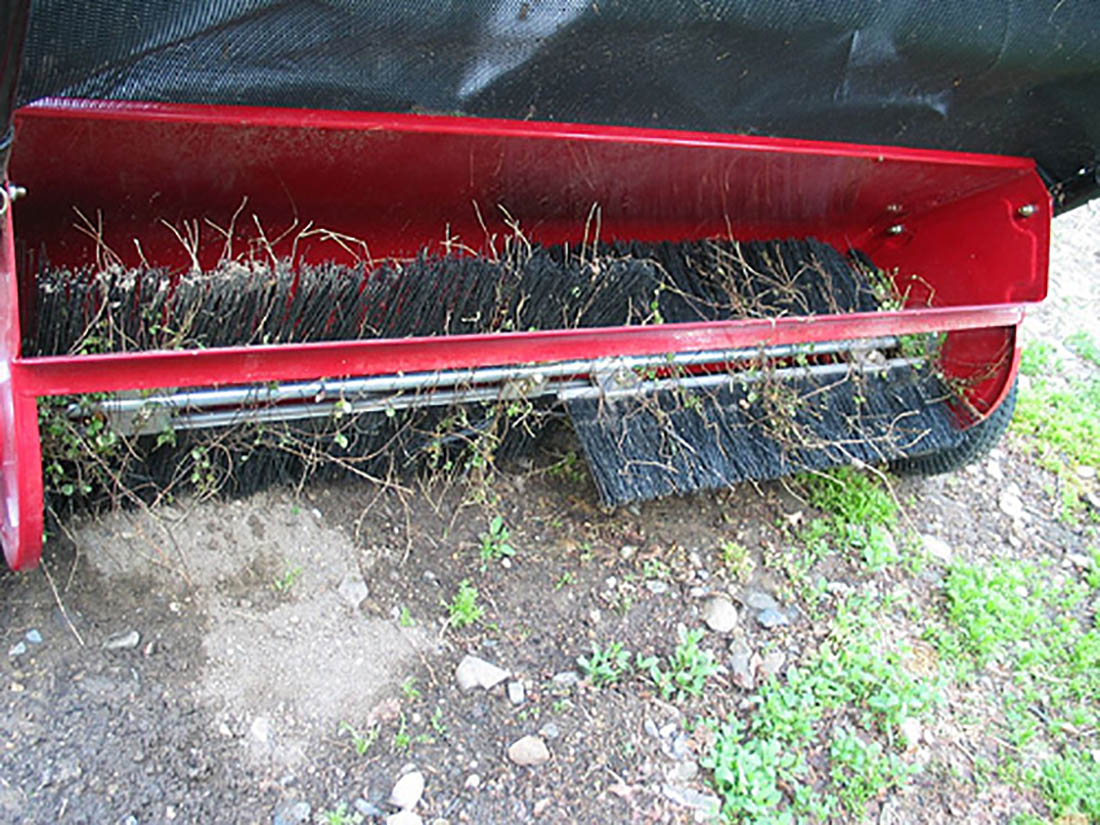
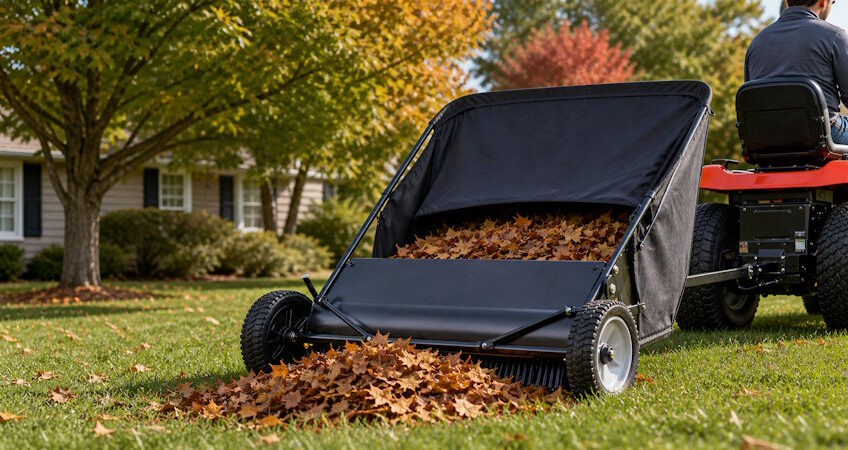
How does a lawn sweeper work? At its core, a lawn sweeper uses a set of rotating brushes that sweep debris into a hopper or collection bag. The brushes spin across the grass surface and lift loose material, which moves up a short conveyor or chute into the hopper. As you push or tow the machine, wheels turn the brush assembly or power is supplied by an engine or battery, creating the sweeping motion.
Key components include:
- Hopper or collection bag that stores leaves, clippings, and debris.
- Rotating brushes or tines that pick up material from the lawn surface.
- Frame and wheels that set the working height and transmit motion.
- Drive system that links wheel rotation to brush rotation on ground-driven models.
How does a lawn sweeper work in simple terms? The brush contact, wheel motion, and hopper angle must align to lift debris without dragging sod. Fine tuning the height and brush speed is essential to pick up different debris sizes while avoiding turf damage. I’ve spent weekends adjusting brush heights to find the sweet spot for both wet leaves and dry grass clippings.
:max_bytes(150000):strip_icc()/spr-agri-fab-44-in-tow-behind-lawn-sweeper-sara-luckey-04-9798a01f8a2e46c1aa898e273d9dd5e7.jpeg)
Brush types, pickup mechanics, and power sources
How does a lawn sweeper work with different brush types? Brushes come in several styles: nylon bristles, steel tines, and poly-covered brushes. Each type performs differently: nylon is gentle on turf, steel tines dig deeper into dense debris, and poly covers balance aggression and turf safety.
Drive systems vary:
- Ground-driven units use wheel rotation to spin the brushes. They are simple and reliable.
- Tow-behind power units connect to a lawn tractor and may use belt-driven or gearbox-driven brushes.
- Powered sweepers use an onboard motor or battery to spin brushes independently of wheel speed.
Choosing brush type affects pickup for pine needles, acorns, seed pods, and wet leaves. In my experience, nylon is best for frequent light cleanups, while steel tines handle fall cleanup well. How does a lawn sweeper work when wet debris is present? Wet debris sticks more, so slower brush speed and closer brush contact help, but you may still need a rake after heavy rains.

Types of lawn sweepers and common use cases
How does a lawn sweeper work across different models? There are three main types: push sweepers, tow-behind sweepers, and powered sweepers. Each fits a specific yard size and workload.
Common choices:
- Push sweepers are hand-pushed and best for small yards and light debris.
- Tow-behind sweepers hook to a mower or ATV and cover larger areas quickly.
- Powered sweepers have motors and are ideal when brush speed needs control separate from wheel speed.
Use cases:
- Weekly maintenance to pick up clippings after mowing.
- Seasonal leaf cleanup in fall.
- Clearing seed pods or pine needles before mulching or aeration.
I prefer a tow-behind sweeper for a half-acre lawn. It saves time and I can empty the hopper less often. For a small city yard, a push unit works fine and fits in a shed.
Benefits and limitations of using a lawn sweeper
How does a lawn sweeper work to improve yard care? It speeds cleanup, reduces back strain, and collects debris that can smother grass or clog mowers. Sweepers also allow quick removal without multiple raking sessions.
Limitations to consider:
- Wet, matted debris may not pick up well and can clog brushes.
- Sharp or heavy items like rocks and branches may damage tines.
- Sweepers do not dethatch or aerate; they remove surface debris only.
From testing, I learned that timing matters. A lawn sweeper shines when debris is dry and loose. If you try to sweep wet leaves, you may need to allow drying or follow up with a rake to avoid blockages.

How to choose the right lawn sweeper for your needs
How does a lawn sweeper work better for some yards than others? Match the machine to debris type, yard size, and storage needs. Consider these factors when choosing:
- Yard size and terrain: Tow-behind for large yards, push for small plots.
- Debris type: Steel tines for heavy fall debris, nylon for delicate turf.
- Hopper capacity: Larger hoppers reduce trips to empty for big jobs.
- Drive type: Ground-driven is simple; powered gives consistent brush speed.
- Build quality and warranty: Metal frames last longer than cheap plastics.
Try to test a model or read hands-on reviews before buying. I once bought a light plastic frame and regretted it; the frame flexed and reduced pickup performance. Spend a bit more for steel frames if you plan frequent or heavy use.

Maintenance, setup, and practical tips
How does a lawn sweeper work at peak performance? Regular maintenance and correct setup are key. Keep brushes in good shape, adjust height, and empty the hopper before it gets too full.
Maintenance checklist:
- Check brushes for wear and replace when bristles thin or tines bend.
- Lubricate wheel bearings and moving parts per the manual.
- Inspect belts and drive links for wear and proper tension.
- Store dry and clean to prevent rust and mold in the hopper.
Setup tips:
- Set brush height so brushes touch grass lightly. Too high wastes power. Too low can damage turf.
- Walk or tow at a steady speed. Slow and steady often works best.
- For wet debris, sweep after a dry day or use a rake for heavy, wet clumps.
I learned from a mistake: I once left a full hopper for weeks and the wet debris stuck and rotted. Clean the hopper after use, and your sweeper will last longer and smell better.
Frequently Asked Questions of How does a lawn sweeper work?
How often should I use a lawn sweeper?
Use a sweeper weekly during active mowing season for best results. For heavy leaf fall, sweep every few days or as needed to prevent buildup.
Can a lawn sweeper pick up wet leaves?
It can, but performance drops with wet leaves. Dry or mostly dry debris is picked up far more effectively.
Is a tow-behind sweeper worth it for small yards?
Not usually; push sweepers are more economical and easier to store for small yards. Tow-behind units are best for larger properties.
How do I adjust the sweep height?
Most sweepers have a height adjustment lever or pins. Set the brush to just touch the grass and make small adjustments while testing.
Can sweepers damage my lawn?
They can if brushes are set too low or used on soft, saturated turf. Use the right brush type and avoid aggressive settings on delicate lawns.
Do I need a special hopper liner or bag?
No, most come with purpose-built hopper bags or boxes. Replace only with manufacturer-recommended bags to ensure fit and airflow.
Conclusion
A lawn sweeper is a simple, effective tool that uses rotating brushes, a drive system, and a hopper to remove surface debris quickly. Knowing how does a lawn sweeper work helps you pick the right model, set it up correctly, and maintain it for years of use. Start by matching brush type and drive system to your yard, test brush height, and keep the unit clean after each use. Try sweeping a small area first and adjust until pickup is consistent.
If you want cleaner weekly maintenance and less raking, give a lawn sweeper a try. Share your experience, ask a question below, or subscribe for more hands-on yard tool guides.

