

Yes — standing desks can boost focus and output for many, though results vary by use and setup.
I’ve spent years helping people set up healthier workspaces and testing standing desks in real offices. This guide covers the core evidence, practical steps, and honest limits around the question: do standing desks increase productivity? I’ll explain why many people feel sharper when they stand, what studies show, how to use a desk right, and pitfalls to avoid so you can make a smart choice for your routine or team.
How standing desks may affect productivity
Short answer: standing changes posture and movement. That can change energy, alertness, and comfort. These shifts can affect work speed, focus, and decision quality.
Key ways standing desks influence work
- Energy and alertness increase for short periods after standing.
- Small, regular movement breaks reduce mental fatigue.
- Reduced sitting can lower discomfort that distracts from tasks.
- Standing can encourage shorter, more focused work bursts.
Why the question do standing desks increase productivity? matters
- Productivity is not one thing. It includes speed, accuracy, creativity, and focus.
- Standing may help some parts of work but not all. For example, it can speed short tasks but might not change deep creative work.
- Measuring productivity matters. If you track clicks or emails, the effect can differ from tracking task quality or problem solving.
PAA-style questions (brief answers)
Will standing help me finish tasks faster?
Many people complete short tasks faster when standing because they move more and stay alert. For long, deep tasks, benefits are smaller and depend on breaks and comfort.
Can standing improve focus all day?
Standing can boost focus in short cycles, but continuous standing causes fatigue. The best gains come from alternating sitting and standing.
Is standing better for brain work or manual tasks?
Standing helps low-effort tasks and quick interactions more than highly complex thinking that needs long, uninterrupted focus.
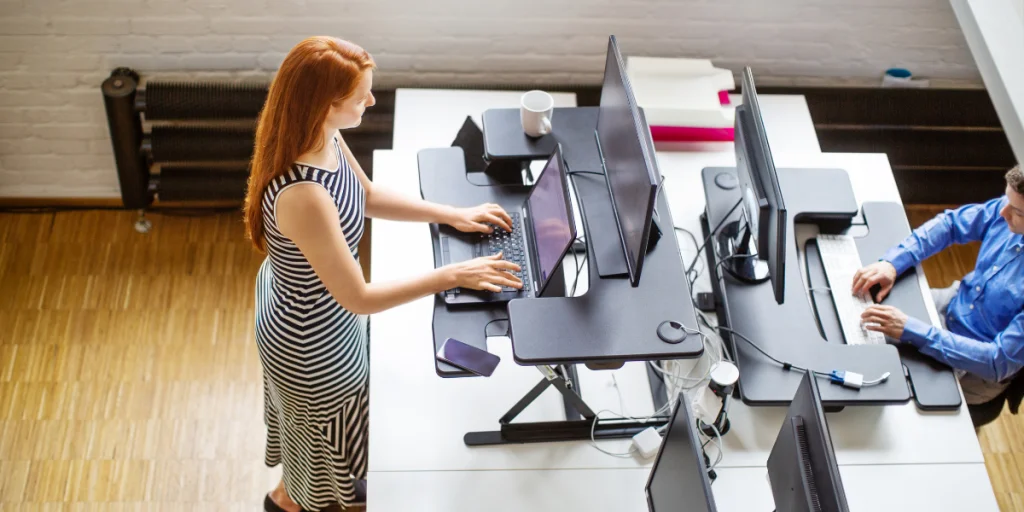
What the research says about do standing desks increase productivity?
Researchers have studied standing desk use in offices and labs. Results are mixed but show consistent trends.
Summary of evidence
- Short-term studies often show small gains in attention and speed for simple tasks.
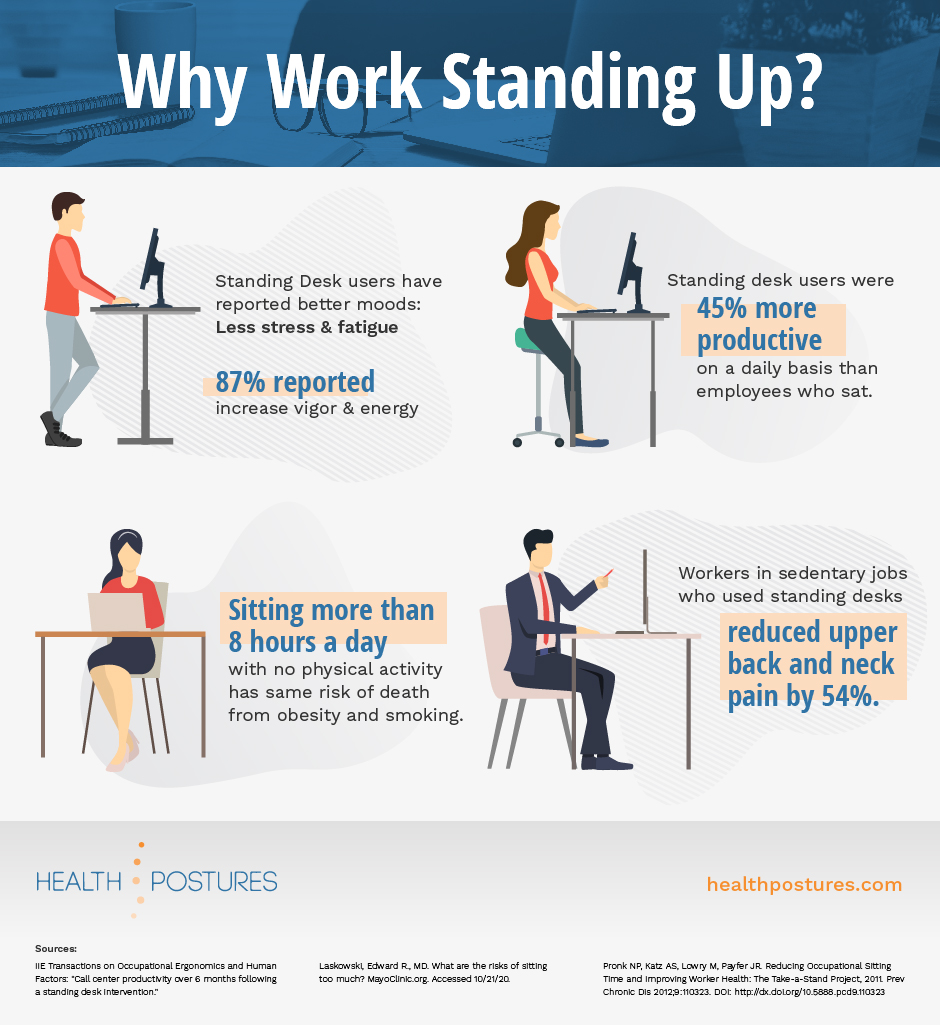
- Some randomized studies report improved mood and reduced fatigue when users alternate positions.
- Long-term evidence on major productivity increases is limited and depends on context and measurement.
- Meta-analyses find modest benefits for workplace performance and clear benefits for health markers like reduced sitting time.
How to read these findings
- Effect sizes are usually small to medium. Expect modest changes, not dramatic revolutions.
- Benefits are stronger when standing desks are part of a broader ergonomic and wellness plan.
- User training and habit changes influence outcomes. Simply switching to a standing desk seldom creates big gains alone.
My take: do standing desks increase productivity? Yes, for many people and tasks, especially when used correctly. But they are not a plug-and-play fix.

Practical setup and best practices to get productivity gains
A standing desk needs the right setup and habits. Here’s a step-by-step guide.
Ergonomic setup checklist
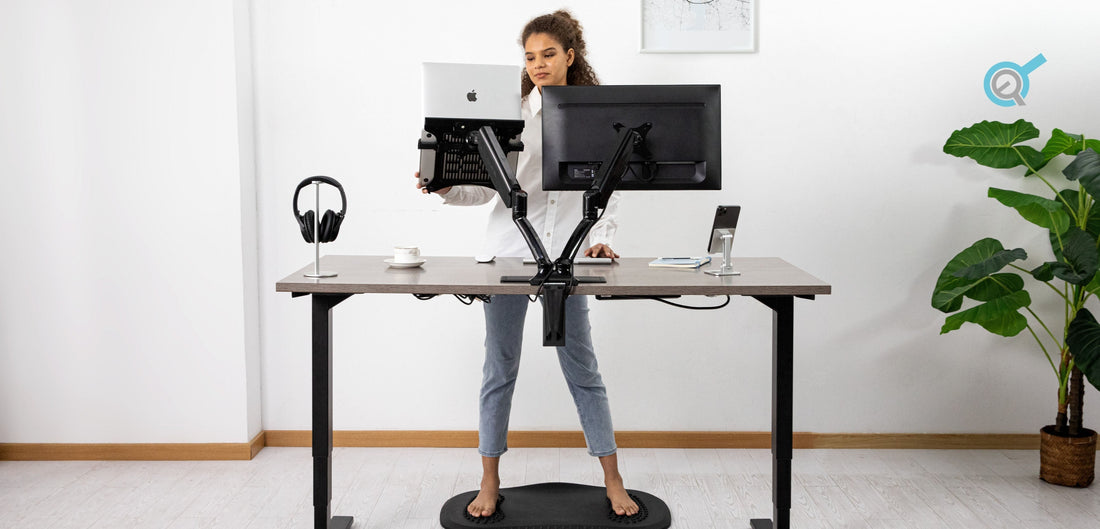
- Desk height: elbows at about 90 degrees when typing.
- Monitor height: top of screen at or slightly below eye level.
- Keyboard and mouse: keep them close and level.
- Anti-fatigue mat: reduces leg strain when standing longer.
- Good shoes: soft soles help when standing.
Healthy standing routine
- Use a 1:1 or 2:1 sit-to-stand ratio in the day. For example, 30–60 minutes standing followed by a break.
- Set a timer to change position every 30 to 60 minutes.
- Add micro-movements: shift weight, step in place, or short walks every hour.
- Match task type to posture: stand for quick meetings and shallow-focus tasks; sit for deep work blocks.
Techniques to track impact
- Time-block tasks and compare completion times when standing vs sitting.
- Track perceived focus and fatigue in a simple log for two weeks.
- Use objective metrics your work already captures (emails, code commits, calls).
Limitations, risks, and common mistakes
Standing desks are helpful but not perfect. Know the limits and avoid common pitfalls.
Limitations to expect
- Not everyone sees productivity gains. Personal preference and work type matter.
- Long standing sessions can cause fatigue, joint pain, or varicose vein risk.
- Poor setup can create neck, shoulder, or wrist strain.
Common mistakes
- Standing all day. This causes fatigue and lowers performance.
- Ignoring ergonomics. Bad monitor height or keyboard position hurts work more than sitting.
- Expecting instant results. Habits take time; measure over weeks.
How to avoid issues
- Alternate postures and move often.
- Invest in a good setup and an anti-fatigue mat.
- Start slowly. Add standing minutes gradually.
Cost, ROI, and rolling out standing desks in the workplace
Many offices consider standing desks for health and productivity. Here’s a practical approach.
Cost factors
- Desk type: manual vs electric sit-stand desks vary in price.
- Accessories: monitor arms, mats, and chairs add cost.
- Training and trial periods may add short-term cost but improve adoption.
Estimating ROI
- Measure absenteeism, reported discomfort, and task metrics before and after rollout.
- Small productivity gains plus fewer health complaints can justify cost over time.
- Pilot with a team to collect real data before larger investment.
Rollout tips
- Start with a pilot group and gather feedback.
- Offer training and simple ergonomics guides.
- Encourage flexible policies: let people choose what fits their work.
My experience: lessons from testing standing desks
I tested standing desks at home and in small teams for months. Here are honest takeaways.
What worked
- Short standing sessions improved my alertness for routine tasks.
- Using a timer to swap positions kept me fresh.
- A simple anti-fatigue mat made longer standing sessions comfortable.
What failed
- Standing without moving made me stiff and less productive.
- Skipping setup checks caused neck strain on one occasion.
- Expecting big productivity leaps led to disappointment.
Practical tips I learned
- Pair standing with short walks and focused task blocks.
- Treat the desk as a tool, not a cure. Use it with intent.
- Ask colleagues for feedback before rolling out widely.
Frequently Asked Questions of Do standing desks increase productivity?
Do standing desks reduce distractions at work?
Standing can reduce some low-level distractions by changing posture and encouraging short focus bursts. For major distractions, environment and habits matter more than posture.
How long should I stand to see benefits?
Start with 20 to 60 minutes at a time and alternate with sitting. Benefits often appear within days when you maintain a regular sit-stand cadence.
Will a standing desk improve my mood?
Many users report better mood and less fatigue after adding standing and movement to the day. Mood gains are often tied to less discomfort and more energy.
Are standing desks good for remote work?
Yes. Standing desks can help remote workers break long sitting sessions and create clearer work boundaries at home. Setup and routine are key.
Can standing desks help with creative work?
Standing may boost short-term idea flow for some people, but deep creative work often benefits from longer, uninterrupted focus while seated. Mix postures based on task needs.
Conclusion
Standing desks can increase productivity for many people when used right. They work best as part of an ergonomic plan that includes movement, correct setup, and realistic expectations. If you want gains, start small, track results, and pair standing with breaks and tasks that fit upright work.
Takeaway: try a short pilot. Set up ergonomics, use a timer, and log how standing changes your focus, speed, and comfort. If you see steady gains, scale up. Share your results, subscribe for updates, or leave a comment with your own standing desk story.

