

Stand 15 to 30 minutes each hour, gradually building to two to four hours total daily.
As a long-time ergonomics writer and frequent standing desk user, I will guide you through exactly how long you should stand at a standing desk. I combine research, practical tests, and real-world tips so you can set a plan that fits your body and work. Read on for clear schedules, posture advice, common mistakes, and a step-by-step transition plan you can try this week.

Why standing time matters
How long should you stand at a standing desk? This question matters because both too much sitting and too much standing can hurt you. Sitting for long periods links to low energy, back pain, and higher health risk. Standing too long can strain your legs, feet, and lower back.
Finding the right balance reduces fatigue and boosts focus. Standing occasionally raises heart rate and burns more calories than sitting. Short standing breaks also help posture and circulation.
How long should you stand at a standing desk depends on your goals, fitness level, and any health issues. Start small and be consistent for best results.

Recommended standing schedules and timing
How long should you stand at a standing desk? Use these practical schedules to get started. Pick one based on your comfort and job demands.
- 15/45 rule: Stand 15 minutes, sit 45 minutes each hour. Good for slow starts.
- 30/30 rule: Stand 30 minutes, sit 30 minutes. Balanced and easy to track.
- 15-30 minutes each hour: A flexible target many experts suggest.
- Gradual build: Start 1 hour daily in week one. Add 30 minutes per week until you reach 3 to 4 hours.
Aim for two to four hours standing spread through the workday. How long should you stand at a standing desk can change with your tasks. Stand more for focused work or light tasks. Sit for heavy keyboard work if needed.
If you have joint issues or circulatory concerns, keep sessions short and check with your provider. Track how your body feels and adjust the schedule.
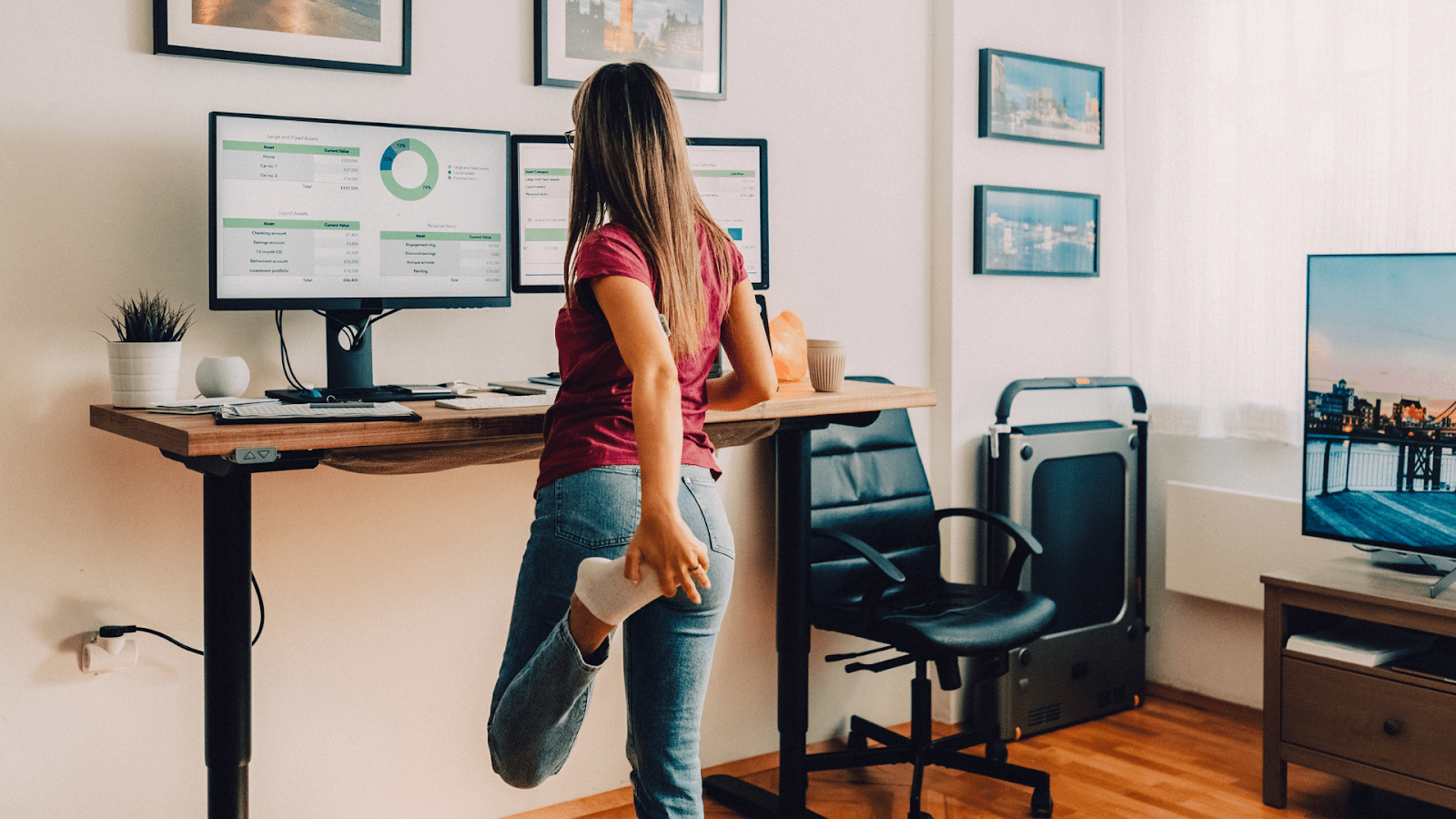
How to implement a transition plan
How long should you stand at a standing desk? Follow a clear plan to make standing easy and safe.
- Week 1: Stand 60 to 90 minutes a day in short blocks.
- Week 2: Increase to 2 hours total, split into 15–30 minute sessions.
- Week 3 to 4: Move toward 3 to 4 hours a day, still in intervals.
- Ongoing: Keep long work blocks mixed with walking breaks.
Practical tools to help
- Use a timer app or smart watch to remind you to change position.
- Alternate tasks. Use standing for calls or reading.
- Add short walks of 2 to 5 minutes each hour.
How long should you stand at a standing desk will feel different at first. Be patient. Small progress is real progress.
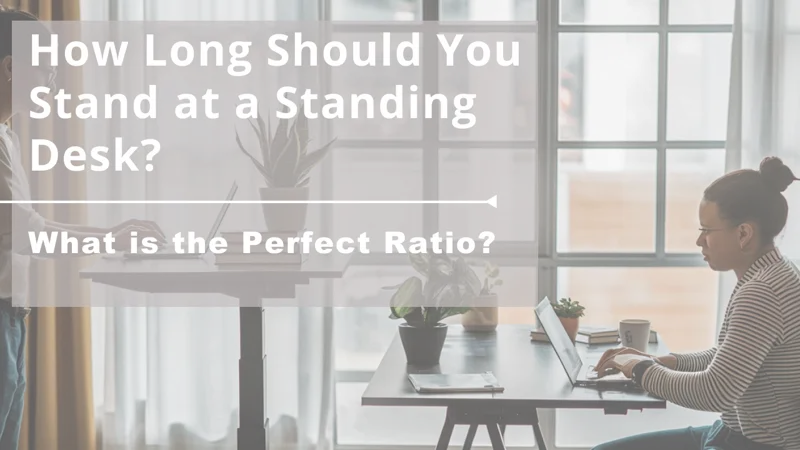
Posture, ergonomic setup, and movement tips
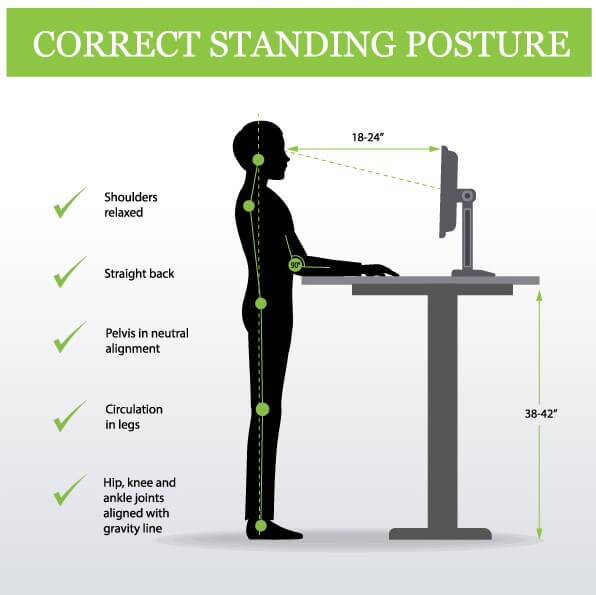
How long should you stand at a standing desk matters only if your setup is right. Poor posture while standing can cause pain fast.
Key setup points
- Desk height: Elbows at 90 degrees when typing.
- Monitor height: Top of screen at eye level or slightly below.
- Keyboard and mouse: Keep them close and at the same level.
- Weight shift: Move your weight between feet often.
- Footwear: Wear supportive shoes or use a cushioned mat.
Add micro-movements. Shift weight, bend knees slightly, or step in place. These small motions reduce stiffness and improve comfort while you stand longer.

Common mistakes and limitations
How long should you stand at a standing desk? Avoid these common errors when deciding.
- Standing nonstop for hours. This causes leg and back pain.
- Bad posture while standing. Slouching still strains your neck and back.
- Ignoring gradual build-up. Sudden long sessions cause soreness.
- Expecting standing to fix all health issues. It helps, but is not a cure.
Know your limits. If you have varicose veins, joint disease, or a recent surgery, check with a clinician. Standing helps many people but is not risk-free.
Personal experience and practical lessons
I began using a standing desk five years ago. My first week I stood too long. I developed calf pain and lower back stiffness. I then switched to a 15/45 routine. The pain eased. My energy rose.
Lessons I learned
- Start small. Short, regular sessions win over long, rare ones.
- Use a mat and good shoes. They reduce foot pain.
- Track your time and your symptoms. Adjust when needed.
- Mix movement into your day. Walk, stretch, or do calf raises.
If you ask me how long should you stand at a standing desk, I say follow the gradual plan. It is practical and kind to your body.
Frequently Asked Questions of How long should you stand at a standing desk?
How long should you stand at a standing desk each day for health benefits?
Aim for two to four hours total per day, spread across the workday in short sessions. Break time into 15–30 minute blocks to reduce fatigue.
Can I stand all day at my standing desk?
Standing all day is not recommended. It can cause leg strain and back pain. Alternate sitting and standing and include movement breaks.
How quickly will I adapt to standing more?
Most people adapt in two to four weeks when they increase standing gradually. Start with short sessions and add time slowly to avoid soreness.
Will standing burn a lot more calories than sitting?
Standing burns slightly more calories than sitting, but the difference is modest. The real gain comes from added movement and breaks you take while standing.
What if standing causes pain in my feet or back?
Reduce standing time and check your setup. Use a cushioned mat and supportive shoes. If pain persists, see a healthcare professional.
How do I track how long to stand at a standing desk?
Use timers or apps to log standing minutes. Set hourly reminders to switch positions and record how you feel after sessions.
Conclusion
Finding the right answer to how long should you stand at a standing desk is about balance. Start with short, frequent standing sessions, and build to two to four hours a day. Prioritize posture, use a timer, and mix in walking and stretches. Test a schedule for a month and tune it to how your body responds. Try the 15–30 minute blocks this week and share what works for you. Leave a comment, subscribe for more tips, or try a standing timer today.

