

A standing desk lets you work while standing, adjustable to sit or stand for comfort and health.
As someone who has designed workspaces and tested desks for years, I can tell you exactly what a standing desk is and why it matters for daily work. This guide explains what a standing desk is, how it helps your body and focus, real pros and cons, and practical tips for choosing and using one. Read on for clear, evidence-aware advice and hands-on tips you can use today.
What is a standing desk? Definition and types
A standing desk is a workstation designed so you can work while standing. It often adjusts in height so you can switch between sitting and standing. Many models let you change height by hand, with a crank, or with an electric motor.
Types of standing desks
- Manual height-adjustable desks. Simple and usually lower cost. You lift or crank them.
- Electric height-adjustable desks. Smooth, fast, and often have memory presets.
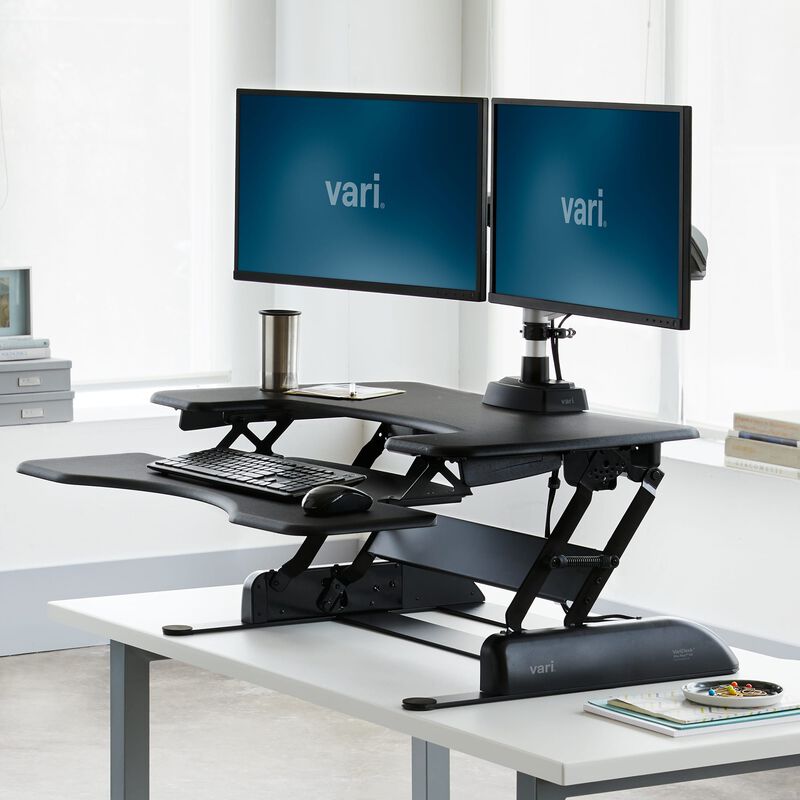
- Desk converters. Place on an existing desk to lift your monitor and keyboard.
- Fixed-height standing desks. A tall desk with no adjustment, good for shared standing tasks.
- Treadmill or dynamic standing desks. Combine light movement with standing work.
What is a standing desk? In short, it is a flexible solution to reduce long sits and improve posture at work.
Benefits of a standing desk
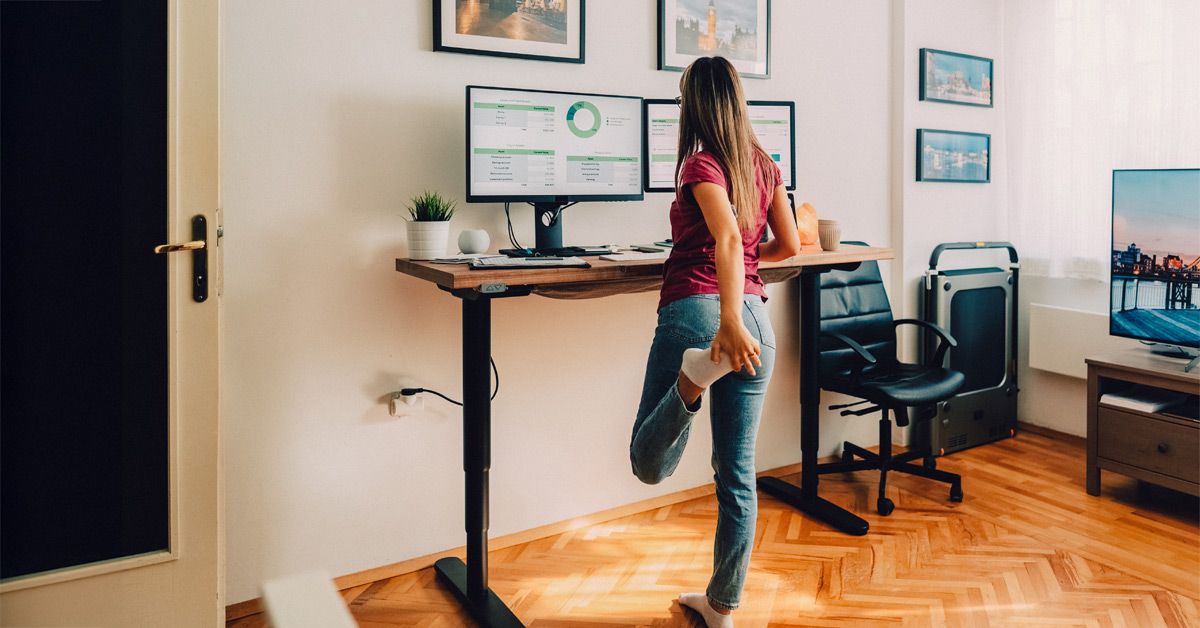
What is a standing desk? It offers many health and work benefits when used correctly.
- Reduces prolonged sitting. Standing breaks up hours of sitting that can harm health.
- Can ease back pain. Many users report less lower back discomfort after switching.
- Boosts energy and focus. Standing often increases alertness and reduces midafternoon slumps.
- Burns extra calories. Standing burns a few more calories than sitting and helps activity levels.
- Improves posture habits. Proper setup supports a neutral spine and better ergonomics.
Keep realistic expectations. The gains are modest. Standing is one of several steps for a healthier workday.
How standing desks work and key features to look for
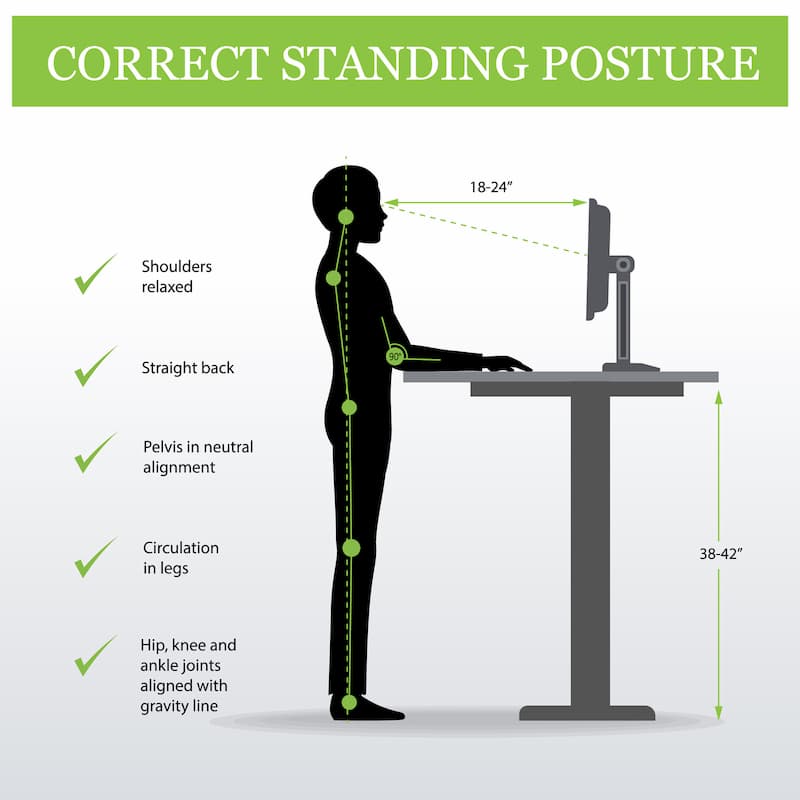
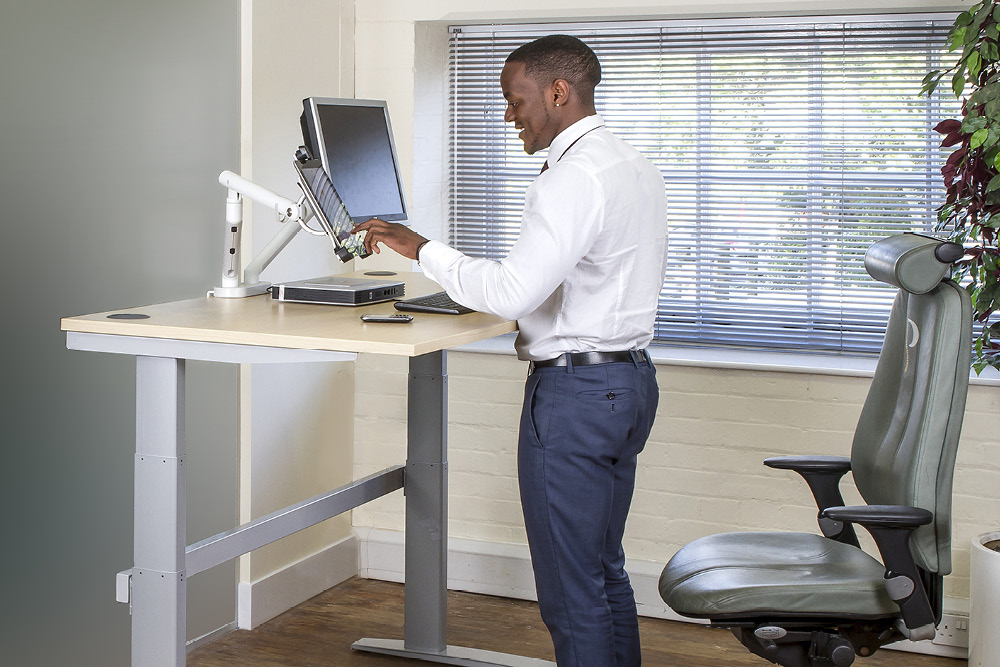
What is a standing desk mechanically? It raises and lowers your work surface to fit your body. The goal is to keep your screen at eye level and your forearms parallel to the floor.
Key features to consider
- Height range. Choose a desk that fits both your standing and sitting heights.
- Stability. A sturdy frame reduces wobble when typing or using a mouse.
- Adjustment method. Electric motors are fast and easy; manual options cost less.
- Memory presets. Helpful if multiple people use the desk or you switch often.
- Surface size and cable management. Ensure room for monitors and tidy cables.
- Weight capacity. Important if you have multiple monitors or heavy gear.
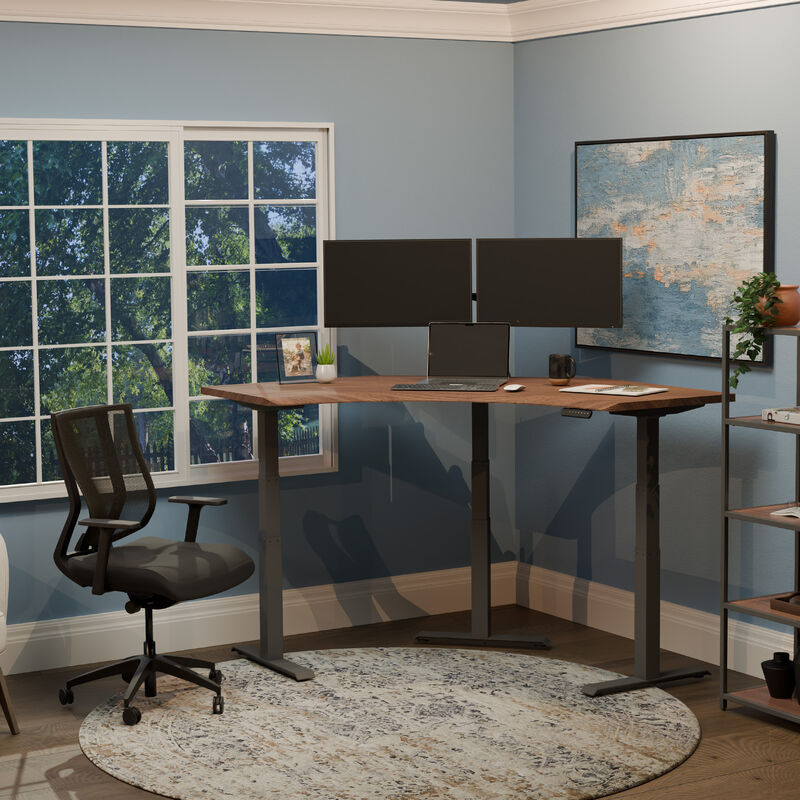
What is a standing desk setup? Pair it with an adjustable monitor arm, a good mat, and an ergonomic chair for sitting periods.
How to use a standing desk properly
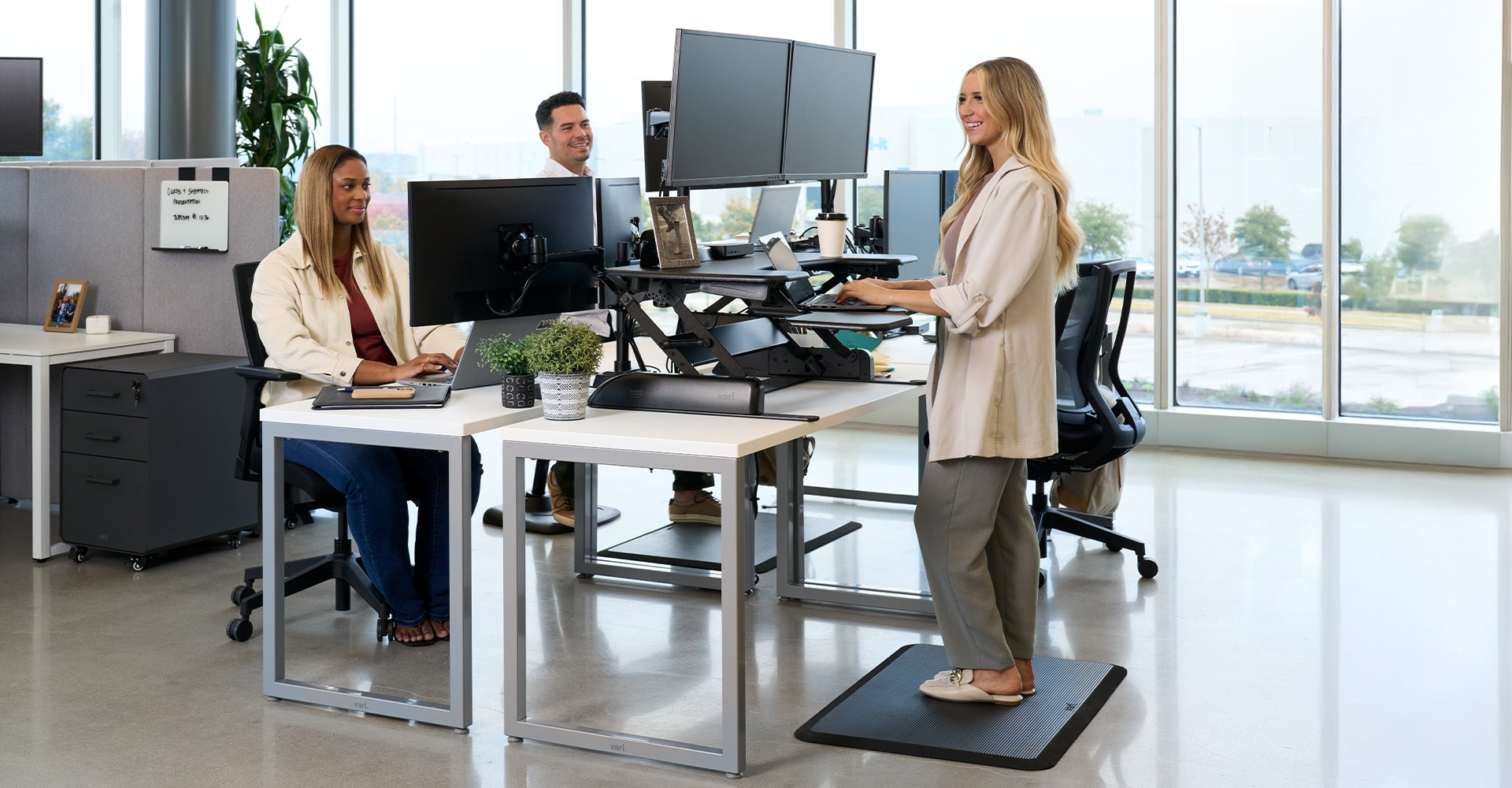
What is a standing desk good for? It works best when you alternate between sitting and standing.
Practical rules for use
- Start slow. Begin with 15–30 minutes standing every hour. Add time each week.
- Use a timer. Reminders help you change posture regularly.
- Keep monitors at eye level. Avoid looking down or up for long periods.
- Maintain neutral wrists. Keep keyboard and mouse at a comfortable height.
- Wear supportive shoes and use a cushioned mat to reduce foot fatigue.
Sample schedule
- Sit for the first 45 minutes to focus on deep work.
- Stand for 20 minutes to change posture and refresh focus.
- Repeat cycles and vary movement with short walks.
What is a standing desk habit? It’s a pattern of short standing sessions and moving breaks, not all-day standing.
Limitations and risks of standing desks
What is a standing desk not? It is not a cure-all. Standing too long can cause discomfort and other issues.
Common limitations
- Fatigue and leg discomfort from long standing. Breaks are essential.
- Possible increased strain on knees or feet without good shoes.
- Varicose vein concerns if you stand excessively. Move and sit periodically.
- Cost. High-quality adjustable desks can be expensive.
- Misuse. Poor ergonomic setup can worsen posture problems.
Be transparent about evidence. Research suggests standing lowers some risks linked to sitting, but results vary. Use a standing desk as part of a broader healthy-work strategy.
Choosing the right standing desk for you
What is a standing desk decision based on? Your budget, body, and workflow.
How to choose
- Measure your space and height. Check minimum and maximum heights before buying.
- Decide on adjustment type. Electric if you want ease; manual if you want low cost.
- Test stability and noise. Read reviews and try in person if possible.
- Consider warranty and after-sale support. Motors and electronics can fail.
- Factor in accessories. Monitor arms, mats, and cable trays add value.
What is a standing desk worth to you? Think about long-term comfort and productivity, not just price.
Personal experience and practical tips
What is a standing desk like in daily life? I’ve used standing desks for years in client offices and my home. I learned a few clear lessons.
- Start with short sessions. My first week I stood too long and got leg ache. I now do short intervals and feel better.
- Invest in a mat and good shoes. My feet stopped hurting after I upgraded both.
- Set up monitor height first. That small change fixed my neck strain.
- Use reminders. A simple timer helped me build a steady routine.
- Don’t expect overnight miracles. It took a few weeks to notice improved energy.
Mistakes to avoid
- Standing all day without breaks.
- Ignoring monitor and keyboard height.
- Buying a desk that can’t reach your ideal heights.
What is a standing desk success? It’s a habit of movement, not a single purchase.
Frequently Asked Questions of What is a standing desk?
What is a standing desk best used for?
A standing desk is best for reducing long periods of sitting and improving posture. It helps with energy and can reduce back discomfort when used correctly.
How long should I stand at a standing desk each day?
Start with 15–30 minutes every hour and gradually increase. Many people aim for a half sitting, half standing balance across the day.
Will a standing desk help my back pain?
Many users report less lower back pain, especially when paired with proper monitor height and periodic movement. Results vary by person and underlying conditions.
Do standing desks burn a lot of calories?
Standing burns slightly more calories than sitting, but it is not a weight-loss solution on its own. Use it as part of a more active lifestyle.
Can standing all day be bad for you?
Yes. Standing too long without breaks can cause fatigue and circulatory issues. Alternate sitting, standing, and light walking.
Are electric standing desks worth the cost?
Electric desks offer convenience and presets that save time and encourage use. They are worth it if you change positions often or share the desk.
Conclusion
A standing desk is a flexible tool to help you move more, sit less, and work with better posture. It is not a magic fix, but used well it can reduce discomfort, boost alertness, and support healthier habits. Start slowly, set up your monitor and keyboard correctly, and listen to your body. Try a standing desk for a few weeks and track how you feel; small changes add up. If this guide helped, try one simple change this week: stand for 20 minutes every two hours and notice the difference. Leave a comment, share your experience, or subscribe for more practical workspace tips.

