

Yes — high-quality HEPA air purifiers can cut common indoor asthma triggers and ease symptoms at home.
I write about indoor air and health from years of hands-on testing and working with people who have asthma. This guide explains whether air purifiers help, how they work, limits to expect, and real tips I learned while testing units in bedrooms, living rooms, and rental apartments. If you want practical answers to "Are air purifiers good for asthma sufferers?" you’ll find clear, evidence-based advice and simple steps to improve air and breathing.
How air purifiers work and what they remove
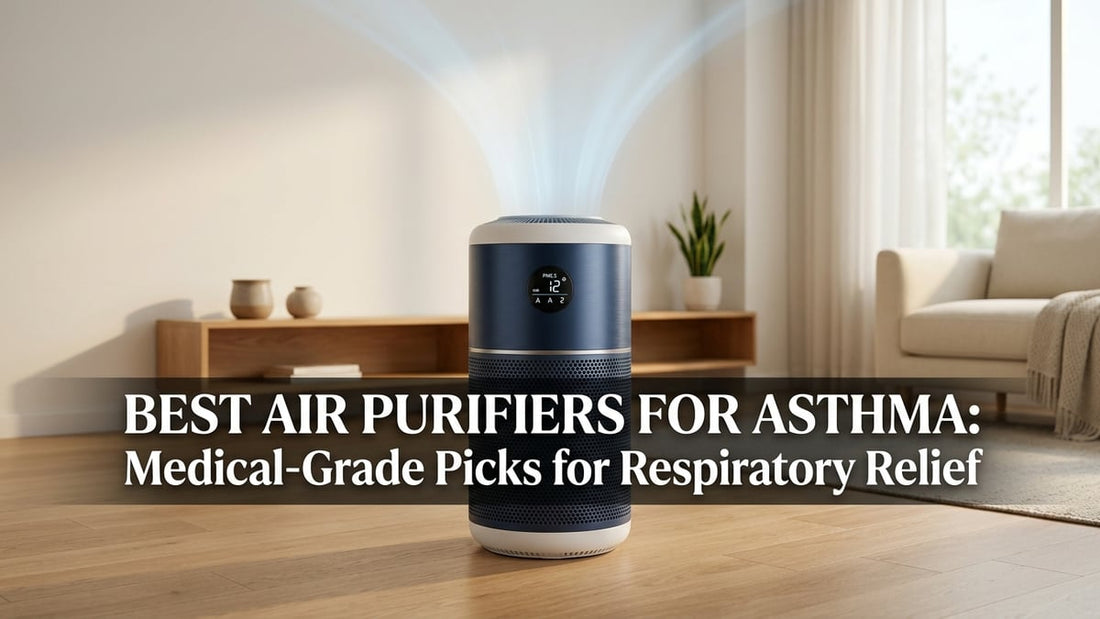
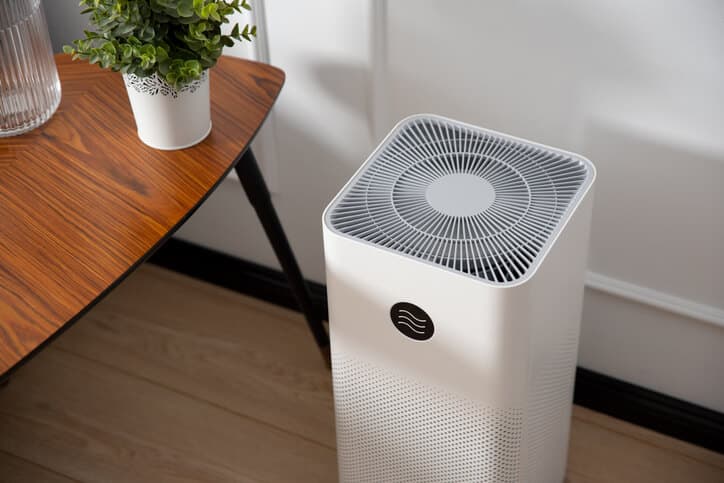
Air purifiers clean room air by pulling it through filters or using other technologies. Most effective units use a true HEPA filter that traps tiny particles. Other technologies include activated carbon for odors and specialized filters for smoke or chemicals.
Key parts and what they do:
- HEPA filter: Captures dust, pollen, pet dander, and many fine particles down to 0.3 microns.
- Activated carbon: Adsorbs smells, some volatile organic compounds (VOCs), and smoke gases.
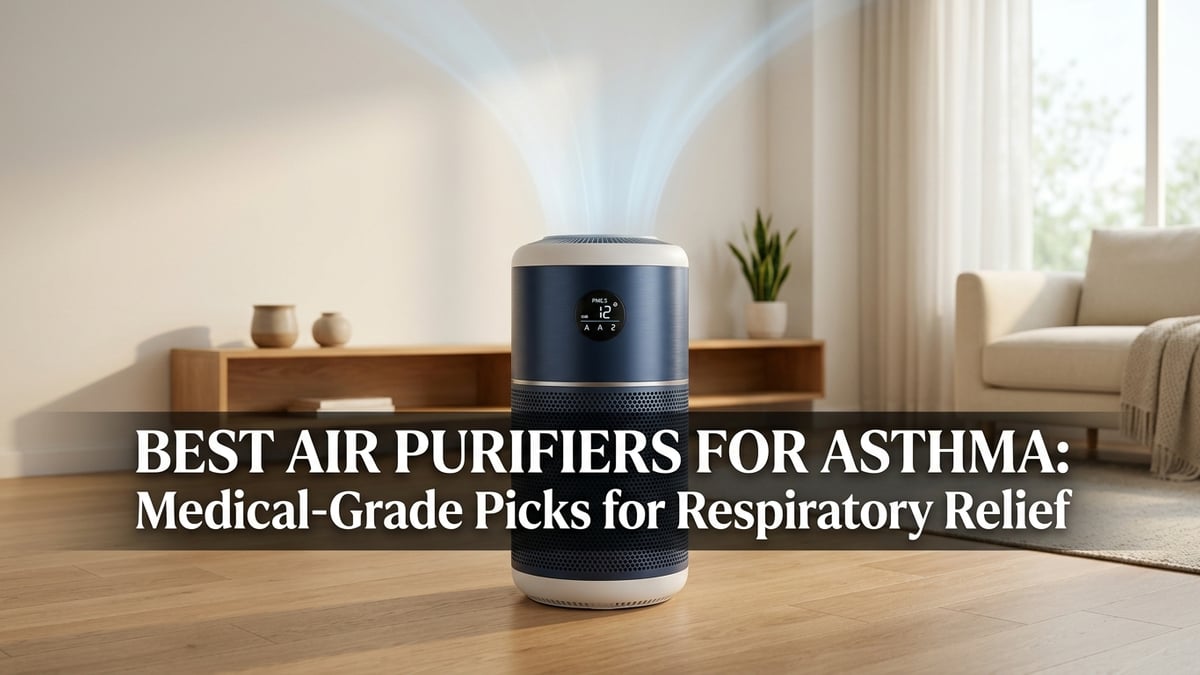
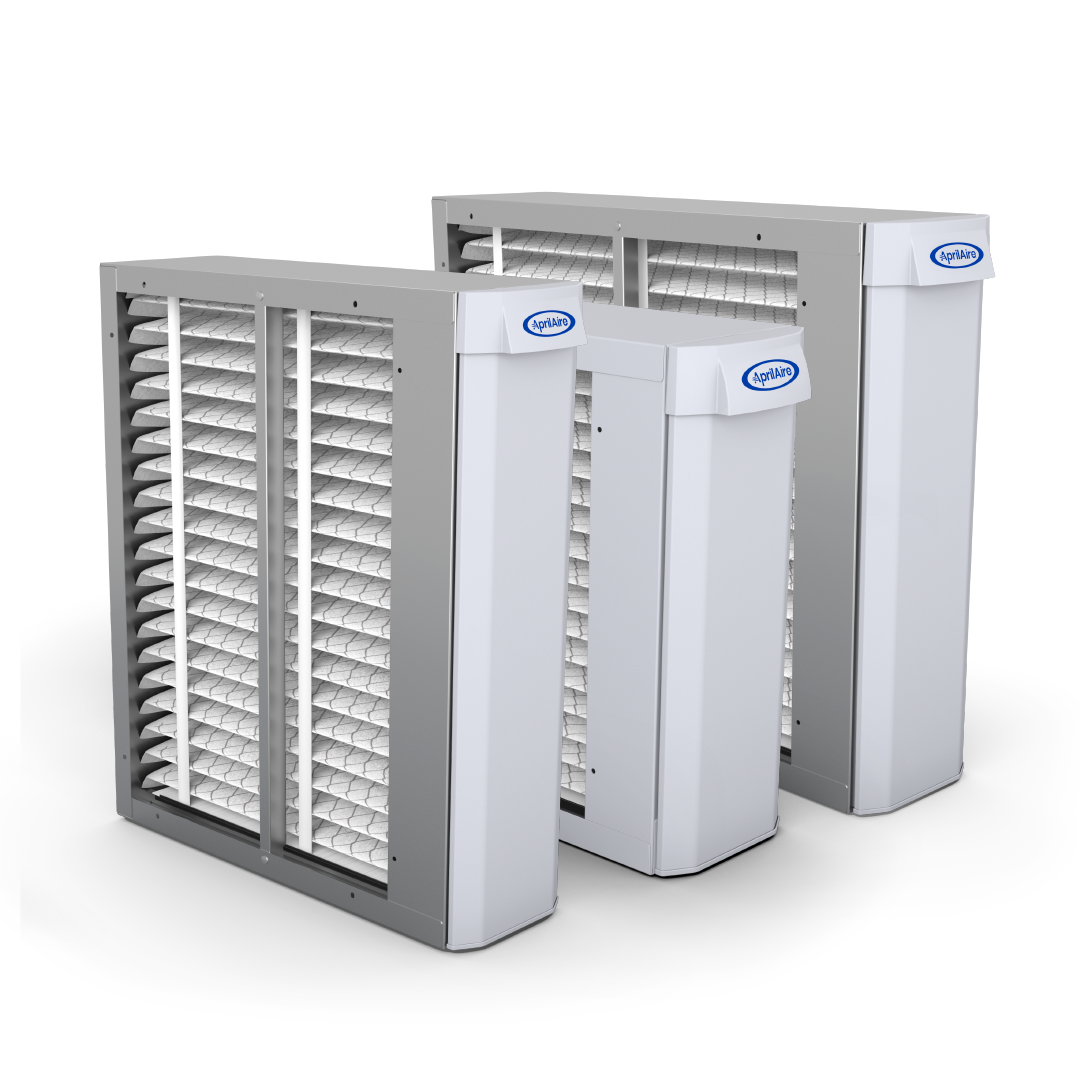
- Pre-filter: Extends HEPA life by catching larger particles like hair and fibers.
- Fan and CADR rating: Moves air through the filter; CADR tells you how fast it cleans a room.
Are air purifiers good for asthma sufferers? Yes, especially when the unit has a true HEPA filter and is sized for the room. They reduce many airborne triggers that worsen asthma.
Benefits for asthma sufferers
Air purifiers help by lowering the amount of particles and irritants in the air. For someone with asthma, fewer triggers often mean fewer symptoms and fewer attacks.
Practical benefits:
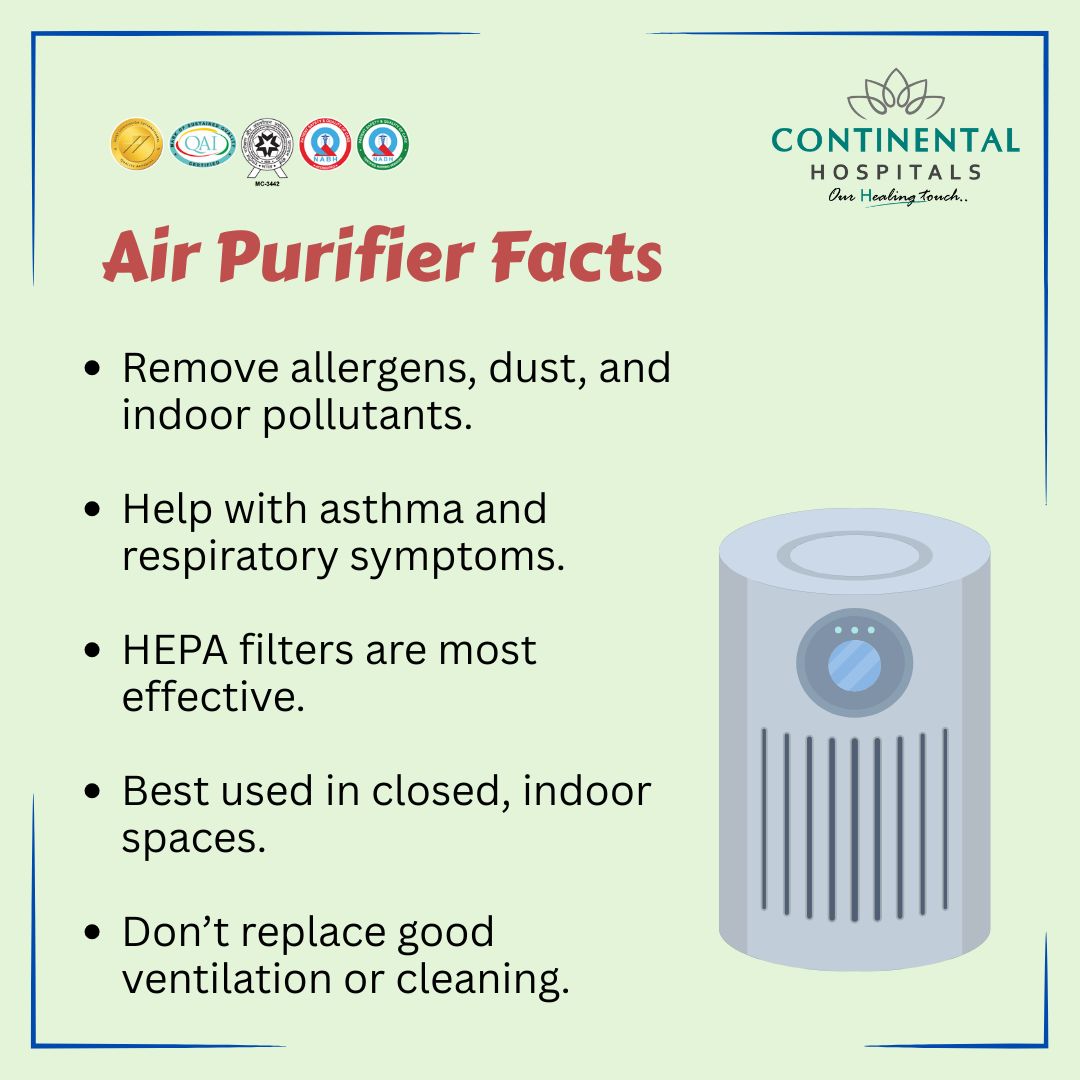
- Reduces airborne allergens that trigger inflammation.
- Lowers fine particle exposure from smoke and cooking.
- Can improve sleep by reducing nighttime triggers.
- Helps people with pet allergies by cutting dander in the air.
Are air purifiers good for asthma sufferers? They are a meaningful part of a larger asthma-management plan. They do not replace medications or doctor advice but can make daily life easier.
Limitations: what air purifiers cannot do
Air purifiers are not a cure-all. Knowing limits avoids disappointment.
Things they usually cannot do:
- Eliminate sources: They don’t stop mold growth, fix leaks, or remove dust mites embedded in bedding.
- Remove all gases: Some VOCs require targeted ventilation or specialized filters.
- Replace cleaning: Vacuuming, washing bedding, and source control are still needed.
- Ozone-producing purifiers: Avoid ozone generators; ozone can worsen asthma.
Are air purifiers good for asthma sufferers? They help with airborne particles but not with source problems or all chemical pollutants, so pair them with cleaning and ventilation.
Choosing the right air purifier for asthma
Pick a model that targets common asthma triggers. Look for true HEPA. Ignore units that only use ionizers or ozone.
Selection checklist:
- True HEPA or HEPA H13/H14 for best particle removal.
- CADR rating matched to room size; pick a unit that covers slightly larger than the room.
- Activated carbon if odors, smoke, or VOCs are concerns.
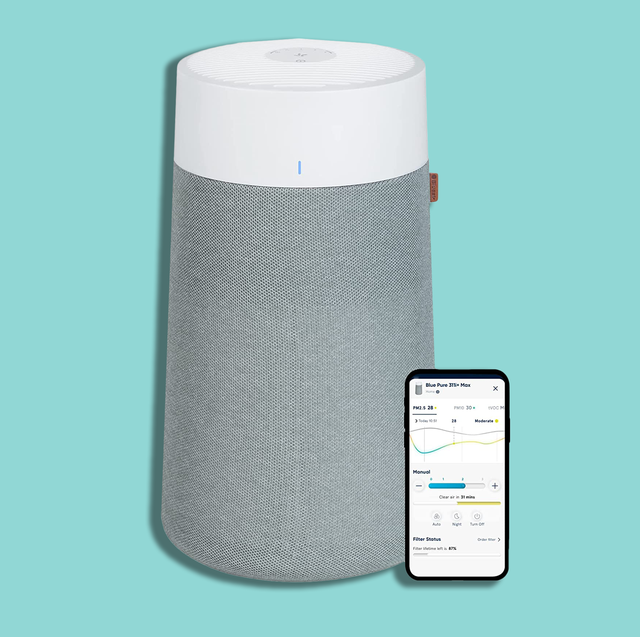
- Low noise for bedroom use and reasonable energy use.
- Filter replacement cost and availability.
Are air purifiers good for asthma sufferers? They are when you choose the right type and size. A small tabletop unit won’t clear the air in an open-plan living room.
:max_bytes(150000):strip_icc()/hlt-primary-hwortock-001-637a1267b3574813ae8c1e7a1e84728a.jpeg)
Best practices for using an air purifier effectively
A purifier only works if used properly. Small changes boost impact.
How to use one effectively:
- Place the unit in the room you use most, ideally near the source of dust or the sleeper’s head.
- Run the purifier continuously on a medium setting for steady cleaning.
- Keep doors and windows closed during high pollen or smoke days when the purifier is running.
- Replace filters on schedule. A clogged filter reduces performance dramatically.
Are air purifiers good for asthma sufferers? Yes, but only with correct placement and continuous use. I found that running a purifier overnight reduced my family’s morning coughing in weeks.
Evidence and clinical perspective
Clinical studies show that reducing indoor particulate matter can lower symptoms for some asthma patients. Trials often measure fewer symptoms, reduced medication use, or improved lung function in some populations.
What the evidence supports:
- Particle-reduction leads to fewer irritant exposures.
- HEPA filtration shows benefits for people with allergic asthma linked to pollen and pet dander.
- Results vary by individual, home environment, and other interventions.
Are air purifiers good for asthma sufferers? Evidence supports benefits for many, especially those with allergy-driven asthma. Expectations should be realistic and paired with medical care.

Personal experience, tips, and lessons learned
I’ve tested multi-room airflow patterns and lived with units in bedrooms and living rooms. Here are what I learned in real homes.
Practical tips from experience:
- Use more than one purifier in a large open home. One in the bedroom and one in the living room makes a big difference.
- Pay attention to filter change reminders. Waiting too long cuts performance.
- Combine with a HEPA vacuum and mattress encasements for best effect.
- Avoid cheap "HEPA-like" claims; true HEPA makes a measurable difference.
Are air purifiers good for asthma sufferers? In my testing and personal use, they often reduced daily symptoms when used with cleaning and source control.
Cost, maintenance, and long-term planning
Owning an air purifier is an ongoing expense. Factor filter costs and energy into your plan.
Cost considerations:
- Initial unit price varies by capacity, features, and brand.
- Filter replacements are recurring costs; check yearly budget.
- Energy use: modern units are often energy-efficient, but continuous operation adds to electricity bills.
- Lifespan: A quality unit can last several years with regular maintenance.
Are air purifiers good for asthma sufferers? Yes, but plan for maintenance costs. A cheap unit with high running costs or hard-to-find filters can become a poor long-term choice.
Frequently Asked Questions of Are air purifiers good for asthma sufferers?
Are air purifiers good for asthma sufferers during wildfire smoke?
Air purifiers with true HEPA and high CADR ratings can reduce smoke particles effectively. Seal the room and run the purifier continuously for the best protection.
Can air purifiers remove pet dander that triggers asthma?
Yes, true HEPA filters capture airborne pet dander and hair, which helps reduce exposure to pet-related asthma triggers. Regular cleaning and grooming help further.
Do air purifiers help with dust mite allergies for asthma?
Air purifiers reduce airborne mite particles but don’t remove mites from bedding and carpets. Use dust-mite-proof covers and wash bedding in hot water too.
Are ozone-generating air purifiers safe for asthma sufferers?
No, ozone can irritate airways and worsen asthma. Avoid ozone-producing devices and choose true HEPA units instead.
How often should I run an air purifier for asthma relief?
Run it continuously in the primary living and sleeping spaces for steady air cleaning. If that’s not possible, run it during high-risk times like cooking, cleaning, or pollen season.
Conclusion
Air purifiers with true HEPA filtration can be a helpful tool for many people asking, Are air purifiers good for asthma sufferers? They reduce airborne particles that commonly trigger asthma and can improve sleep and daily comfort. Pair a properly sized purifier with cleaning, source control, and medical care for the best results. If you live with asthma, try a trial period with a well-rated HEPA unit, track symptoms, and consult your clinician about integrating it into your asthma plan. Share your experiences or questions below, and consider subscribing for more practical air-quality tips.

