

Yes — an air purifier can help with allergies by removing many common airborne triggers and easing symptoms.
I’ve spent years testing air cleaners and helping allergy sufferers find relief. This article explains how an air purifier help with allergies, what they remove, what they don’t, and how to pick and use one for real results. Read on for clear, practical steps to reduce indoor allergens and breathe easier.
How air purifiers work
An air purifier pulls air through a filter or system to trap or neutralize particles. Most home units use a fan to move air and a filter to catch pollen, dust, and pet dander. Some systems add activated carbon to reduce odors and gases. Others use UV light or ionizers to kill or settle microbes, though those methods have limits and trade-offs.

What allergies can an air purifier help with?
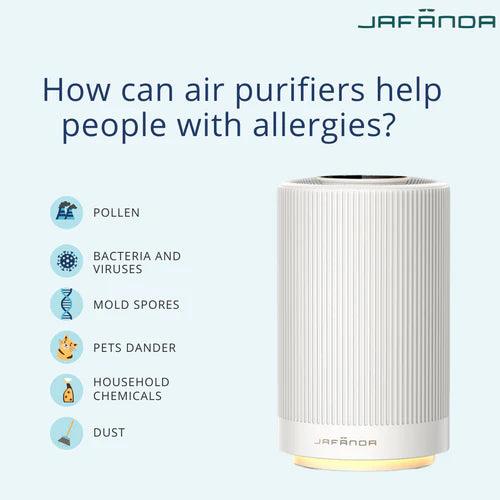
Air purifiers are best for airborne triggers that float in the air. They can lower levels of:
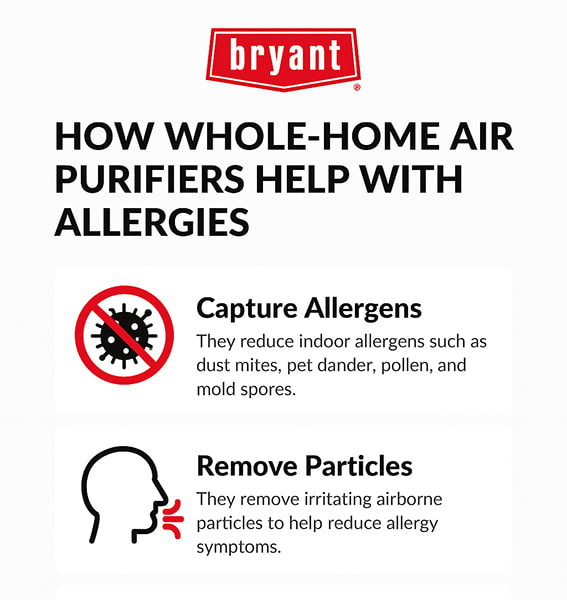
- Pollen. Good at removing pollen that comes into the home from outside.
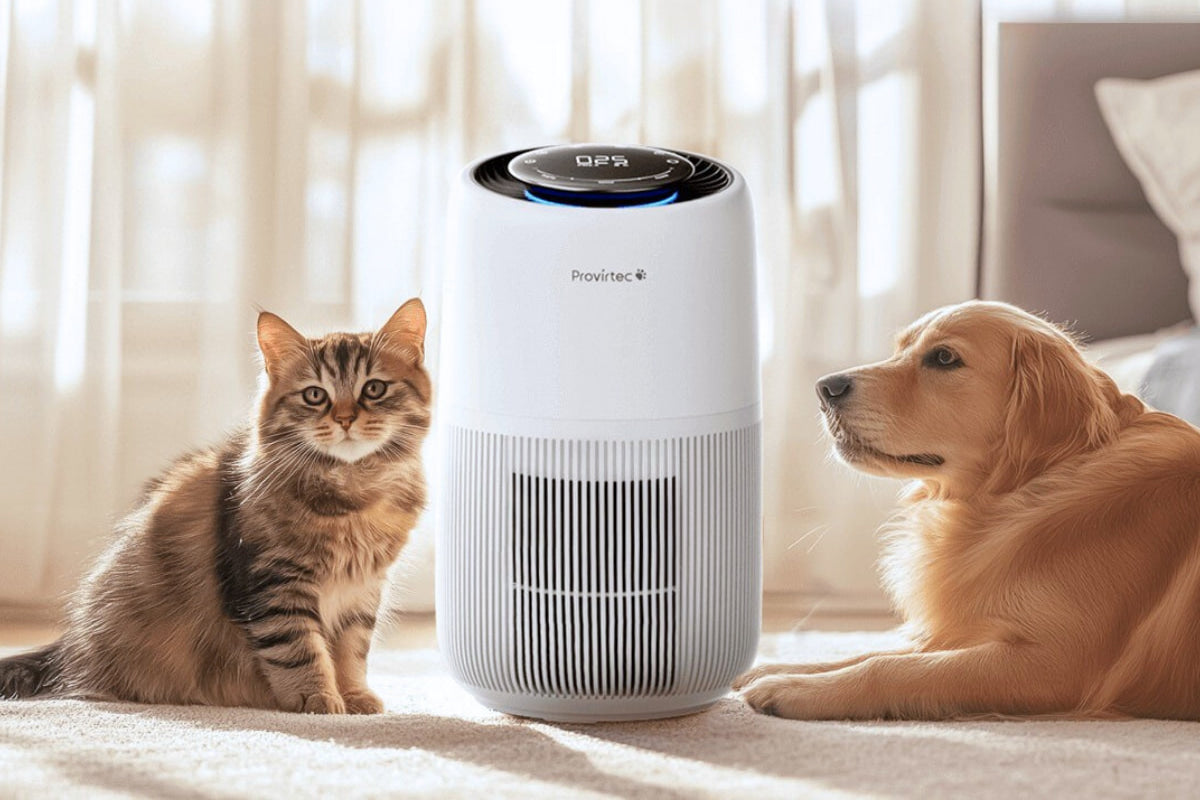
- Pet dander. Traps tiny skin flakes from cats and dogs.
- Dust mite fragments. Captures the fine particles that trigger reactions.
- Mold spores. Reduces airborne spores, though not mold on surfaces.
- Smoke and some odors. Carbon filters help with smoke smell and some volatile compounds.
Air purifiers work less well for allergens that live on surfaces. They do not remove pollen stuck to clothing or mold growing behind walls. Use cleaning and humidity control along with a purifier for best results.
Do air purifiers remove pollen fast?
Yes. A properly sized air purifier can reduce indoor pollen in a few hours. Faster removal needs higher air changes per hour.
Can an air purifier help with pet allergies?
It can reduce airborne pet dander a lot. It won’t help dander already on upholstery or carpets without cleaning.
Will an air purifier stop dust mite allergies?
They cut airborne dust mite waste. For full control, combine filtration with mattress covers and washing bedding.
Types of filters and what they capture
Choosing the right filter affects how well an air purifier help with allergies.
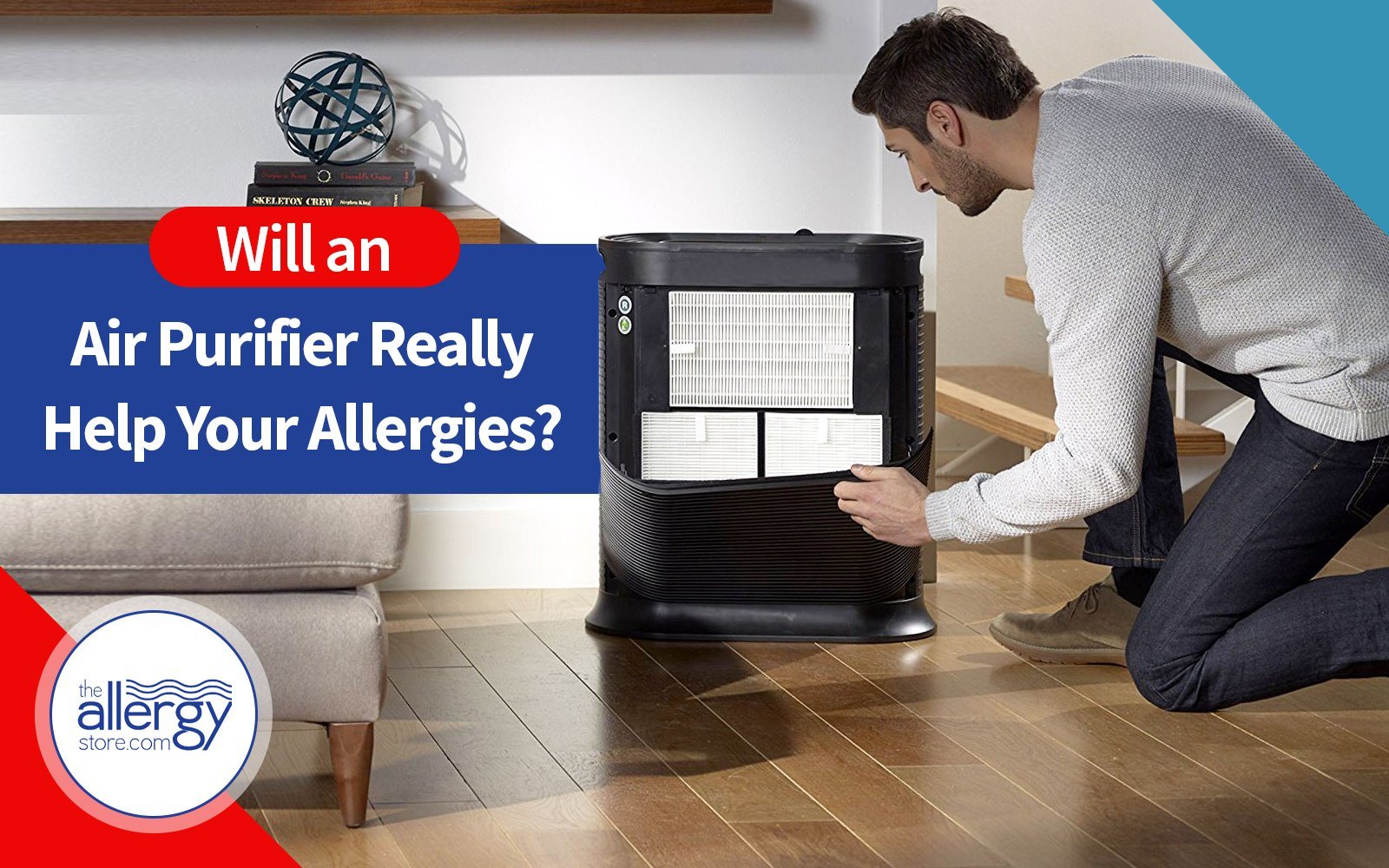
- HEPA filters. Capture 99.97% of particles 0.3 microns and larger. Best for pollen, dust, and pet dander.
- True HEPA vs HEPA-like. True HEPA meets strict standards. HEPA-like may vary in efficiency.
- Activated carbon. Adsorbs odors, smoke, and some gases that can worsen breathing.
- UV-C light. Can inactivate microbes but does not remove particles. Effectiveness varies by design.
- Ionizers and electrostatic precipitators. Make particles settle or stick to plates. Some produce ozone, which can irritate airways.
If your goal is allergy relief, a unit with a True HEPA filter is the simplest and most reliable choice.
How to choose and size an air purifier
A good unit must match your room and needs. Follow these steps.
- Check CADR (Clean Air Delivery Rate). Higher CADR means faster cleaning for pollen, smoke, and dust.
- Match room size. Look for products rated for your room square footage.
- Aim for 4 to 6 air changes per hour (ACH) for allergy relief. This means the air is filtered multiple times each hour.
- Consider noise and energy use. Quiet units help if you run them at night.
- Look at filter cost and availability. Ongoing filter replacement adds to total cost.
Selecting the right size and CADR helps an air purifier help with allergies quickly and efficiently.

Placement, maintenance, and real-life tips
Placement and upkeep are as important as filter quality.
- Place the unit in the room you use most. Bedrooms are a top priority.
- Keep it away from walls and blocked vents. Allow free airflow.
- Run it continuously during allergy season. Turning it off lets particles build up.
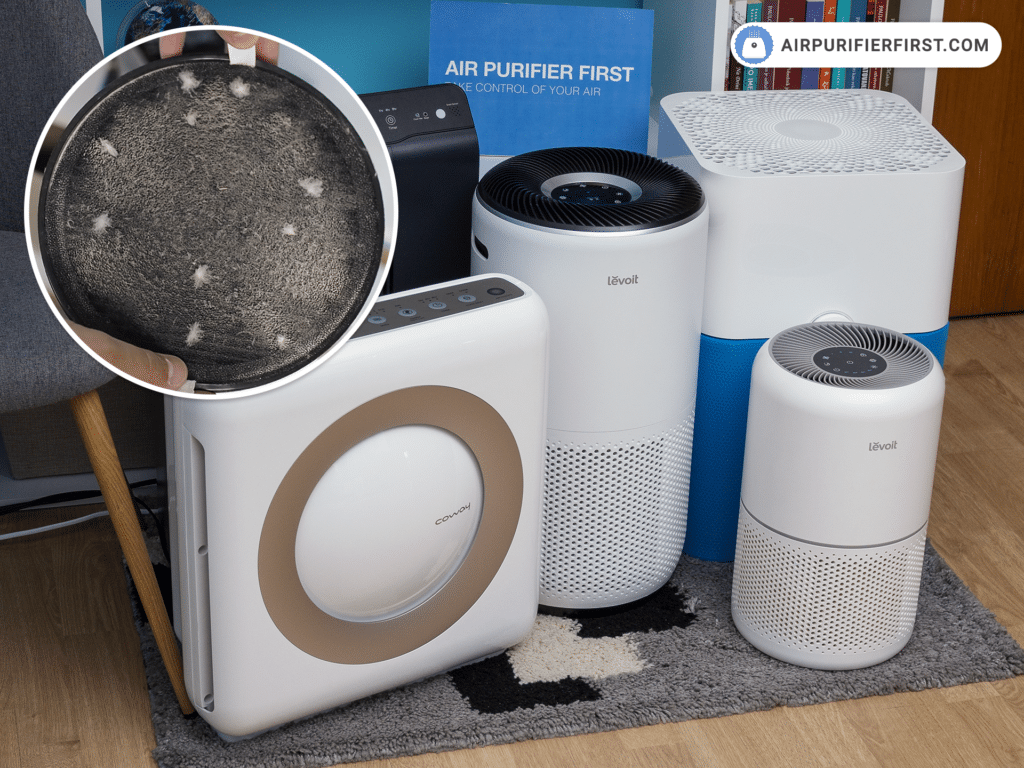
- Replace filters on schedule. A clogged filter cuts performance.
- Combine with cleaning. Vacuum with HEPA vacuums and launder bedding weekly.
- Control humidity. Keep indoor humidity around 40–50% to limit dust mites and mold.
These simple habits let an air purifier help with allergies much more effectively.
Limitations and realistic expectations
Be honest about what an air purifier can do. It is a tool, not a cure.
- Not a substitute for meds. Purifiers reduce exposure but may not stop symptoms. Follow medical advice.
- Does not clean surfaces. Wiping and washing are still needed.
- Outdoor exposure still matters. Going outside can trigger reactions even with a purifier at home.
- Not all pollutants are removed. Some VOCs need specific carbon filters, and some technologies can produce ozone.
- Poorly sized or cheap units may give little benefit.
Knowing limits helps you use a purifier correctly and avoid disappointment.
My experience and practical lessons
I tested several models in bedrooms and living rooms over years. These lessons came from real use.
- I learned to size units properly. Small purifiers in large rooms gave almost no relief.
- Continuous run beats short bursts. Allergens re-accumulate fast when the unit is off.
- Filter specs matter more than bells. HEPA plus carbon did more for me than UV or smart apps.
- I once bought a cheap ionizer and noticed throat irritation. I stopped using it and felt better.
- Combining a purifier with nightly bedroom cleaning changed my sleep and symptoms.
If you try one, track symptoms and allergy triggers. Adjust placement, run time, and filter type based on results.

Frequently Asked Questions of Can an air purifier help with allergies?
Can an air purifier remove mold from my home?
Air purifiers remove airborne mold spores but do not remove mold growing on surfaces or inside walls. Fix moisture problems and clean visible mold to prevent regrowth.
How often should I run an air purifier for allergies?
Run it continuously during high-allergy periods or at minimum while you are home and sleeping. Continuous use provides steady reduction of airborne allergens.
Is HEPA enough to control allergies?
HEPA filters are the most important part for particle removal and are usually enough to cut airborne pollen, dust, and dander. For odors or gases, add activated carbon.
Will an air purifier help pollen allergy at night?
Yes. Putting a HEPA purifier in the bedroom and running it overnight can lower pollen exposure and help reduce night-time symptoms.
Do air purifiers remove pet smell?
Activated carbon filters reduce many pet odors, but full odor removal may need fresh air, deep cleaning, and consistent filtration.
How do I know the unit is working?
Check filter condition and CADR rating. Use a particle meter or notice symptom changes. A clean, well-maintained unit shows measurable improvement.
Conclusion
Air purifiers can help with allergies by reducing airborne pollen, pet dander, dust, and mold spores. Choose a True HEPA unit sized for your room, run it continuously, and pair it with cleaning and humidity control for best results. Be realistic about limits and use purifiers as part of a broader allergy plan. Try one in your bedroom first, track how you feel, and adjust based on real results. If this guide helped, consider subscribing or leaving a comment about your experience with an air purifier and allergies.

