

Air purifiers can remove most airborne dust but not all settled dust without cleaning.
I have tested units in homes and offices for years. I know how filters, airflow, and placement matter. This guide explains whether Do air purifiers remove dust effectively? and how to get the best results. Read on for clear facts, practical tips, and simple tests you can try at home.
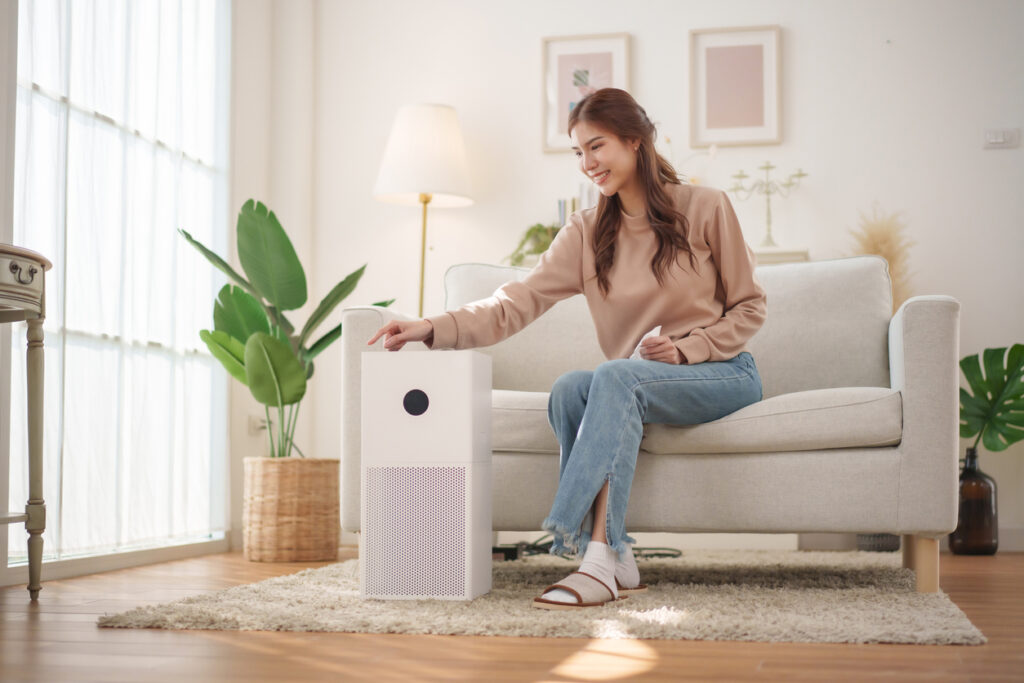
How air purifiers work: basic physics and filters
Do air purifiers remove dust effectively? They work by moving air and trapping particles. A fan pulls air through a filter. The filter catches dust, pollen, and other particles.
Key parts that matter
- Filter type. HEPA filters trap tiny particles well.
- Airflow. Higher flow cleans air faster.
- Room size. Small rooms clear quicker than large rooms.
Why dust still shows up
- Settled dust is on floors and surfaces. Purifiers clean the air, not floors.
- Large dust clouds can settle before the purifier captures them.
- Air currents and furniture block airflow.
Short practical test
- Run the purifier and watch a dust meter or a patch of light.
- Count minutes to see how fast visible dust fades. This shows whether Do air purifiers remove dust effectively? in your room.

Types of filters and how they handle dust
Do air purifiers remove dust effectively? Filter choice decides much of the answer. Not all filters perform the same.
Common filter types
- HEPA filters. Capture 99.97% of particles 0.3 microns and larger. Best for fine dust.
- Activated carbon. Removes odors and gases, not dust by itself.
- Pre-filters. Catch large dust and hair. They protect the main filter.
- Electrostatic and ionizers. Can reduce dust but may produce ozone and need care.
How filter ratings matter
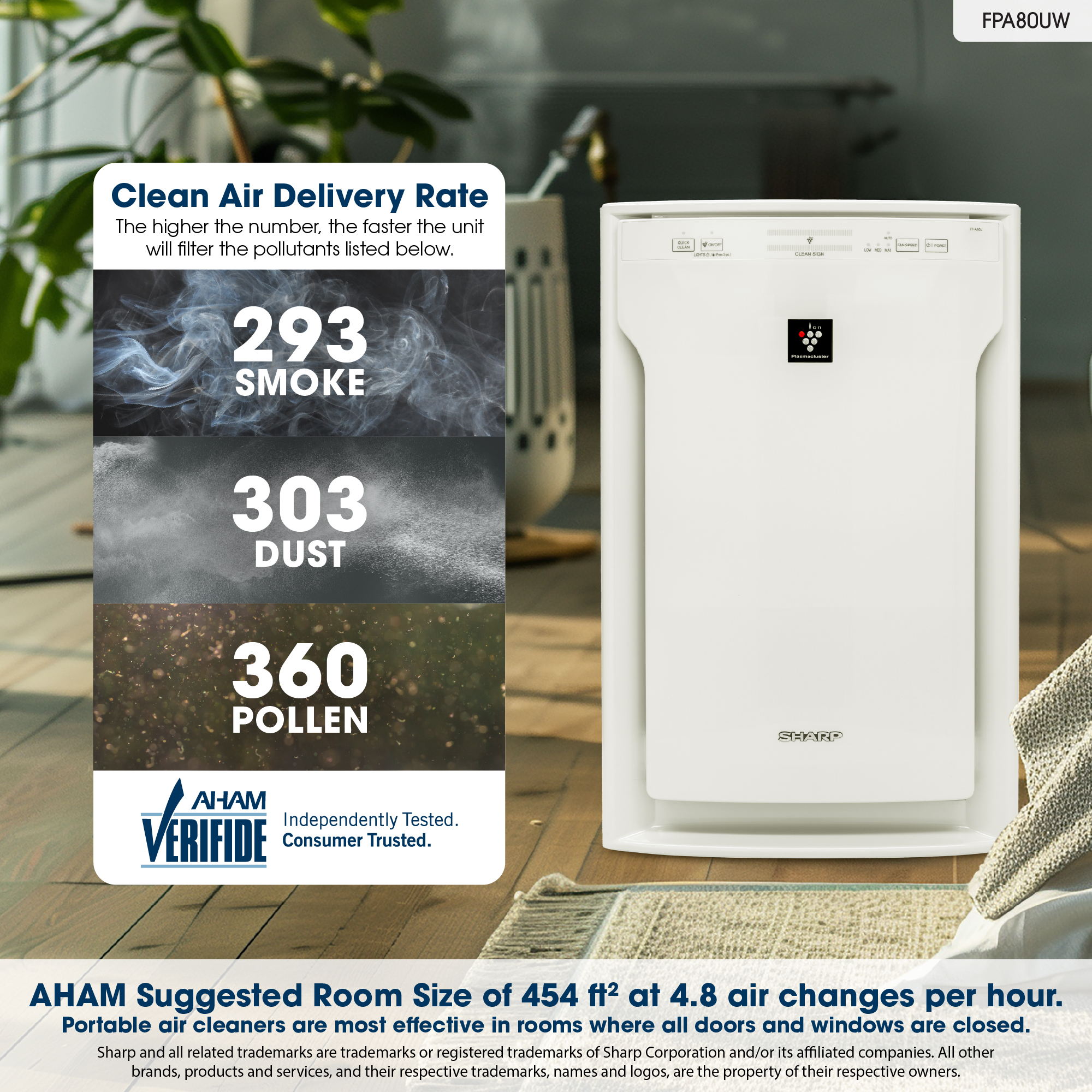
- CADR (Clean Air Delivery Rate) shows how fast a purifier cleans air for dust, smoke, and pollen.
- Look for CADR for dust to compare models. Higher CADR means faster dust removal.
Real note: a good HEPA unit plus a pre-filter gives steady dust control. That is a practical way to answer Do air purifiers remove dust effectively?

Factors that affect dust removal performance
Do air purifiers remove dust effectively? The short answer is: it depends. Here are the main factors.
Room and setup
- Room size. A purifier rated for the room works best.
- Placement. Keep the intake clear and place the unit where air flows.
- Doors and windows. Open spaces let dust in and slow results.
Maintenance and use
- Filter age. Old filters catch less dust. Replace per the maker’s guide.
- Fan speed. Higher speeds clean faster but can be louder.
- Run time. Continuous use keeps dust lower than short bursts.
Sources of dust
- Pets, shoes, and textiles add dust all day.
- Cooking and smoking raise fine particle levels.
- Outdoor dust enters on wind or open doors.

Real-world performance and tests
Do air purifiers remove dust effectively? Lab numbers can differ from home results. Real tests help set expectations.
What tests show
- HEPA units cut airborne dust a lot in an hour in sealed rooms.
- CADR and particle counters track real changes in minutes.
- Units vary by design; two HEPA models can differ in speed.
My testing notes
- I ran a mid-size HEPA unit in a living room. Dust particle counts fell 60–80% in one hour.
- Dust on low shelves needed wiping. The air was cleaner, but settled dust stayed.
- Running the purifier overnight gave the best steady results.
What to watch for
- A unit with low CADR may barely move dust.
- If dust drops then rises, check for new sources or poor sealing.

Tips to maximize dust removal from air purifiers
Do air purifiers remove dust effectively? Yes, when you use them the right way. Use these tips.
Placement and operation tips
- Place the purifier near the dust source or central in a room.
- Keep the intake and vents free of clutter.
- Run at higher speed for quick cleanup, then lower for maintenance.
Maintenance tips
- Change or clean pre-filters every month or per guide.
- Replace HEPA filters on schedule. A clogged filter cuts performance.
- Vacuum and dust surfaces often to reduce settled dust.
Room habits that help
- Use doormats and remove shoes indoors.
- Groom pets and wash bedding often.
- Use exhaust fans when cooking or burning candles.
When air purifiers are not enough
Do air purifiers remove dust effectively? They help, but they do not solve every dust problem.
Limitations to know
- Purifiers do not remove settled dust from carpets or shelves.
- They cannot stop new dust from entering if doors remain open.
- Some cheap filters do not capture fine particles well.
Complementary steps
- Vacuum with a HEPA vacuum regularly.
- Clean surfaces with a damp cloth to pick up settled dust.
- Seal windows and use doormats to cut incoming dust.
Personal experience and real tips from testing
Do air purifiers remove dust effectively? From my work, they do for airborne dust. Here are honest lessons.
What I learned
- A good HEPA purifier lowers sneeze triggers. My allergies eased after weeks of use.
- I once bought a small purifier for a large room. It barely helped. Match size to the room.
- Pre-filters save money. Clean them often to extend main filter life.
Mistakes to avoid
- Don’t buy by looks. Check CADR and filter type.
- Don’t expect instant magic. It may take hours for big rooms.
- Don’t skip maintenance. A dirty filter undoes the benefit.
Quick actions you can take today
- Check your purifier’s CADR and room size match.
- Run it on high after cleaning to cut airborne dust.
- Replace old filters and keep windows closed during high-dust days.

People also ask (PAA) style quick answers
Do air purifiers remove dust effectively? Yes, for airborne dust if you choose the right unit and use it well.
Can an air purifier remove dust from carpets?
- Not directly. Air purifiers reduce airborne dust, but vacuuming removes dust from carpets.
How fast do purifiers clear dust from a room?
- Times vary by CADR and room size. Many units cut airborne dust by half in 20–60 minutes.
Is HEPA better than other filters for dust?
- Yes. HEPA captures very small dust particles better than most other filters.
Do ionizers help with dust?
- They can reduce dust but may make particles stick to walls and may produce ozone, which is harmful.
Should I run my purifier all day?
- Running it all day keeps dust low. Use lower fan speeds for quiet, steady cleanup.
Frequently Asked Questions of Do air purifiers remove dust effectively?
Do air purifiers remove dust effectively?
Yes. Good HEPA purifiers remove most airborne dust particles. They work best when sized for the room and run long enough.
Can air purifiers remove dust mites?
Air purifiers reduce airborne mite fragments and waste but do not remove mites from mattresses or carpets. Washing bedding and vacuuming are needed.
Will an air purifier stop dust from coming back?
No. Purifiers reduce airborne dust but cannot stop new dust from entering or forming. Combine cleaning and source control.
How often should I change the filter to keep dust away?
Change HEPA filters every 6 to 12 months, or per the maker’s guidance. Clean pre-filters more often to keep dust capture high.
Will using a purifier reduce allergy symptoms caused by dust?
Yes. Many people see less sneezing and better breathing when airborne dust levels fall. Results vary by person and unit.
Conclusion
Air purifiers can remove airborne dust effectively when you pick the right filter and use it well. They cut fine particles, ease allergy triggers, and keep air fresher. Pair a purifier with regular cleaning, proper placement, and timely filter changes for the best result. Try a simple test in your room: run a properly sized HEPA unit and watch particle counts or visible dust over an hour. If you found this helpful, try these tips, share your experience below, or subscribe to learn more about choosing and using air purifiers.

