

You want to share your favorite snacks with your dog, but are you sure which human foods are safe for them? Feeding your furry friend the wrong treat can cause serious health problems.
Imagine the peace of mind you’ll feel knowing exactly what you can give your dog without harm. You’ll discover simple, safe foods that your dog will love. Keep reading to protect your pet and make snack time both fun and healthy!
Safe Fruits For Dogs
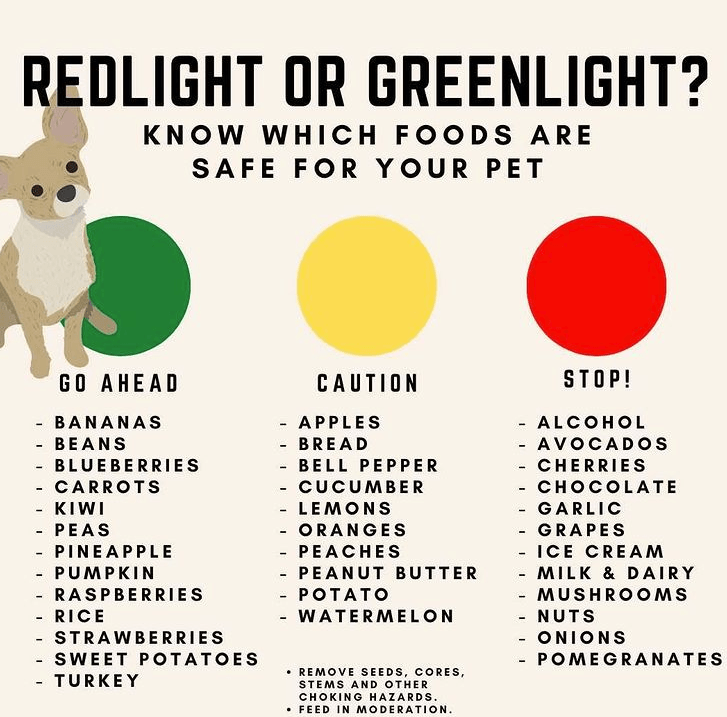
Many fruits are safe and healthy treats for dogs. They offer vitamins, fiber, and antioxidants. Always serve fruits in small pieces and remove any seeds or pits. Some fruits dogs enjoy include apples, pears, blueberries, strawberries, bananas, and watermelon.
Apples And Pears
Apples and pears are crunchy and sweet snacks for dogs. They have vitamins A and C. Remove the core and seeds before feeding. These fruits help clean your dog’s teeth and freshen breath. Serve in small slices to avoid choking.
Blueberries And Strawberries
Blueberries and strawberries are packed with antioxidants. These fruits support your dog’s immune system. They are low in calories and high in fiber. Wash them well and offer whole or chopped. These berries can also help reduce inflammation.
Bananas And Watermelon
Bananas are rich in potassium and fiber. They make a soft, sweet treat for dogs. Watermelon is mostly water and keeps dogs hydrated. Remove seeds and rind before serving watermelon. Both fruits should be given in moderation to avoid stomach upset.
Vegetables Dogs Can Enjoy
Vegetables are a healthy snack for dogs. They provide vitamins and fiber. Many dogs enjoy crunchy and fresh veggies. These can boost their digestion and keep them hydrated.
Not all vegetables are safe, but some are great choices. Offering the right veggies supports your dog’s health. Always serve them plain, without salt or seasoning.
Carrots And Green Beans
Carrots are sweet and crunchy. Dogs love to chew them. They are low in calories and high in fiber. Carrots also support eye health with vitamin A.
Green beans are another tasty option. They are full of vitamins and minerals. Dogs can eat them raw or cooked. Avoid adding any butter or spices.
Sweet Potatoes And Pumpkin
Sweet potatoes are rich in fiber and vitamins. They help with digestion and energy. Cooked sweet potatoes are easy to digest for dogs.
Pumpkin is good for a dog’s stomach. It can help with both diarrhea and constipation. Serve plain pumpkin without added sugar or spices.
Peas And Cucumber
Peas are small but packed with nutrients. They contain vitamins A, K, and B vitamins. Dogs can eat fresh or frozen peas safely.
Cucumber is very refreshing and low in calories. It can be a cool treat on hot days. Cut cucumber into small pieces to avoid choking.
Protein-rich Human Foods
Protein is important for your dog’s health. It helps build strong muscles and keeps their body working well. Many human foods have good protein that dogs can eat safely. These foods give dogs energy and support their growth.
Choosing the right protein foods helps keep dogs happy and healthy. Always prepare these foods simply, without spices or sauces. Here are some safe, protein-rich human foods for dogs.
Cooked Chicken And Turkey
Plain cooked chicken and turkey are great protein sources for dogs. Remove all bones and skin before feeding. These meats are easy to digest and low in fat. They provide important nutrients without harmful additives.
Boiled Eggs
Boiled eggs offer high-quality protein and essential amino acids. Serve them plain and fully cooked to avoid bacteria. Eggs help improve coat health and support muscle repair. They make a tasty and healthy snack for dogs.
Plain Yogurt
Plain yogurt contains protein and probiotics that support digestion. Choose unsweetened and unflavored yogurt to avoid harmful ingredients. Yogurt also adds calcium and vitamins to your dog’s diet. Use small amounts as a treat or meal topper.
Grains And Other Treats
Grains and other treats can be safe and tasty snacks for dogs. They offer variety and some health benefits. Choosing the right grains and treats helps keep your dog happy and healthy.
Rice And Oatmeal
Rice and oatmeal are gentle on dogs’ stomachs. They provide energy and fiber. Plain, cooked rice or oatmeal is best. Avoid adding sugar, salt, or spices. These grains can help dogs with digestion problems.
Peanut Butter
Peanut butter is a favorite treat for many dogs. It contains protein and healthy fats. Use natural peanut butter without xylitol or added sugar. Give only small amounts to avoid weight gain. It can also help hide medicine during pill time.
Cheese In Moderation
Cheese is safe for most dogs in small amounts. It is rich in protein and calcium. Watch for lactose intolerance signs like upset stomach. Choose low-fat, plain cheese to keep treats healthy. Cheese works well as a training reward.
Foods To Avoid
Not all human foods are safe for dogs. Some foods can harm your dog’s health. Knowing which foods to avoid keeps your pet safe and happy. This section explains harmful foods that should never reach your dog’s bowl.
Toxic Fruits And Vegetables
Certain fruits and vegetables are very harmful to dogs. Grapes and raisins can cause kidney failure. Onions and garlic can damage their red blood cells. Avocado contains a toxin called persin that affects dogs. Also, cherries and mushrooms can be poisonous. Always keep these away from your dog.
Dangerous Human Snacks
Many human snacks are unsafe for dogs. Chocolate contains theobromine, which is toxic to dogs. Salty snacks can lead to sodium poisoning. Candy and gum often contain xylitol, a deadly sweetener for dogs. Avoid giving your dog chips, cookies, or any processed snacks.
Common Allergens
Some dogs react badly to common allergens in food. Dairy products can cause stomach upset in many dogs. Wheat and corn sometimes trigger allergies or skin issues. Eggs may cause allergic reactions in sensitive dogs. Watch for signs like itching, vomiting, or diarrhea after feeding these foods.

Tips For Feeding Human Foods Safely
Feeding dogs human foods can be a nice treat. Careful steps keep dogs safe and healthy. Knowing how to feed human foods right helps avoid problems.
Follow simple rules to protect your dog’s health. Watch portions, prepare foods properly, and observe reactions closely. These tips make feeding safe and fun.
Portion Control
Give only small amounts of human food to dogs. Too much can upset their stomach or cause weight gain. Treats should be less than 10% of daily food intake.
Start with tiny pieces to see how your dog reacts. Avoid large servings that may cause choking or discomfort. Balance human food with regular dog meals.
Preparing Foods Properly
Cook foods without salt, spices, or sauces. Raw or undercooked foods can carry germs and hurt dogs. Remove bones, seeds, and skins that may cause harm.
Cut foods into bite-sized pieces for easy chewing. Avoid foods that are toxic, like onions, garlic, and chocolate. Clean hands and surfaces before handling dog food.
Monitoring For Reactions
Watch your dog after feeding new human foods. Look for vomiting, diarrhea, itching, or swelling. Stop feeding any food that causes problems.
Keep a food diary to track what your dog eats and how they react. Consult a vet if you notice unusual symptoms. Early action helps avoid serious health issues.

Frequently Asked Questions
What Human Foods Are Safe For Dogs To Eat?
Safe human foods for dogs include plain cooked chicken, carrots, apples (without seeds), and pumpkin. These foods provide nutrients and are generally non-toxic. Always introduce new foods slowly and in moderation to avoid digestive upset.
Can Dogs Eat Fruits Like Apples And Bananas?
Yes, dogs can eat apples and bananas in small amounts. Apples provide fiber and vitamins, while bananas are rich in potassium. Avoid seeds and large quantities to prevent stomach issues and choking hazards.
Is It Safe To Feed Dogs Cooked Vegetables?
Cooked vegetables like carrots, green beans, and sweet potatoes are safe for dogs. They offer essential nutrients and fiber. Avoid seasoning or adding salt, as these can harm your pet’s health.
Are Dairy Products Safe For Dogs?
Some dogs tolerate small amounts of dairy like plain yogurt and cheese. However, many dogs are lactose intolerant and may experience diarrhea or stomach upset. Always monitor your dog’s reaction when introducing dairy.
Conclusion
Feeding dogs human food can be safe with care. Choose fresh fruits, vegetables, and lean meats. Avoid foods that cause harm, like chocolate or onions. Always offer small amounts to see how your dog reacts. Consult a vet for advice on your dog’s diet.
Healthy treats help keep dogs happy and strong. Remember, safety first when sharing your food. Simple choices make a big difference in your dog’s health. Keep learning and caring for your furry friend every day.

