

How often should you bathe your dog? It’s a question every pet owner wonders about.
Bathing your furry friend too often can dry out their skin, while not bathing them enough can lead to odors and health issues. Finding the right balance is key to keeping your dog happy, clean, and healthy. You’ll discover simple guidelines and expert tips that make caring for your dog’s coat easy and stress-free.
Keep reading to learn exactly when and how to give your dog the perfect bath.

Factors Affecting Bathing Frequency
Bathing your dog is important for its health and happiness. The right bathing schedule depends on many factors. These factors help decide how often your dog needs a bath. Understanding them keeps your dog clean and comfortable.
Breed And Coat Type
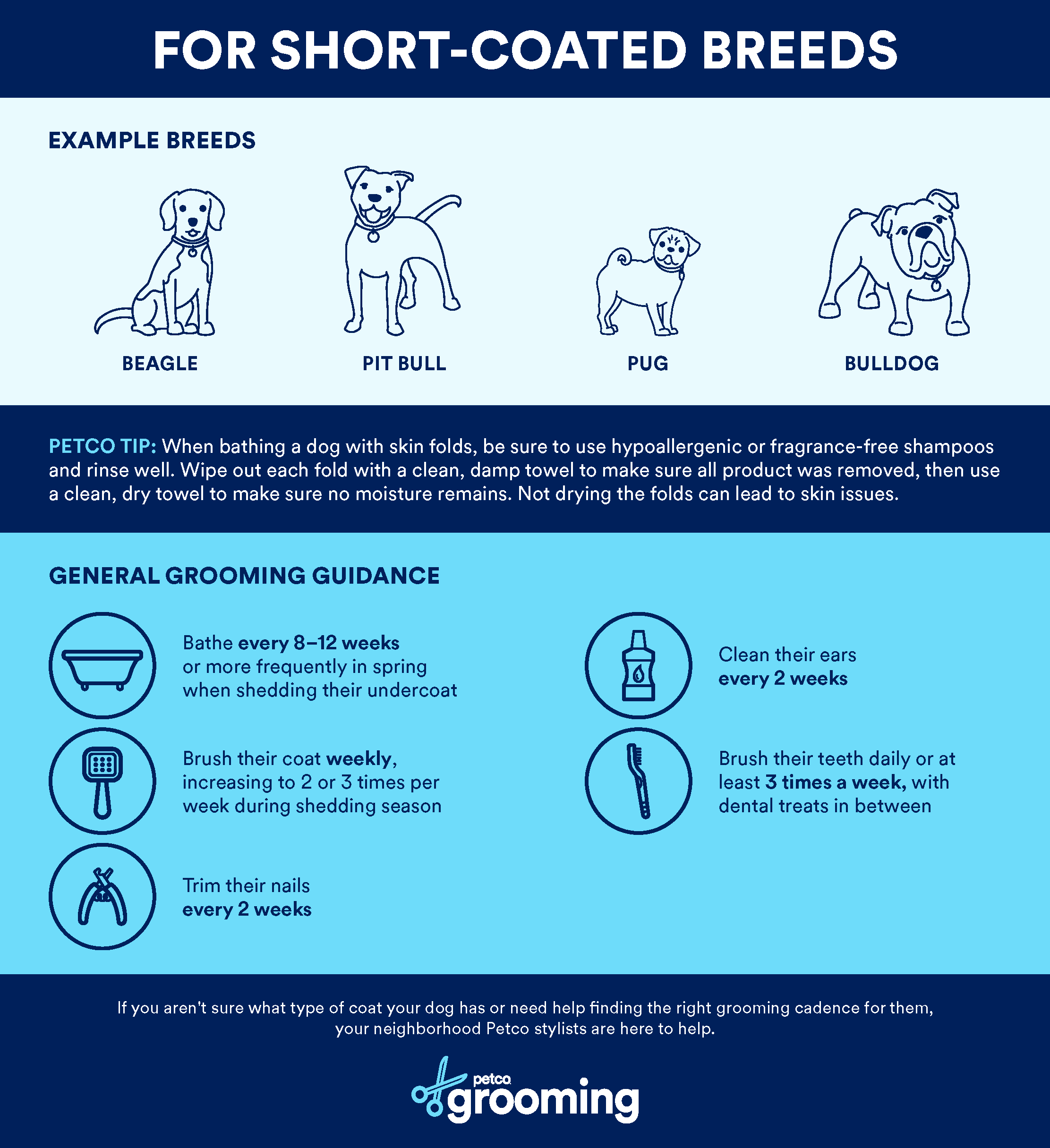
Different breeds have different coat types. Some coats are thick and long, others are short and smooth. Dogs with oily coats may need baths more often. Dry-coated dogs need fewer baths to keep skin healthy.
Double-coated breeds shed a lot. Bathing too much can harm their natural oils. Regular brushing helps reduce the need for frequent baths.
Activity Level
Active dogs get dirtier faster. Dogs who play outside or swim often need more baths. Less active dogs stay clean longer and need fewer baths. Watch your dog’s activity to decide bath timing.
Skin Conditions
Some dogs have sensitive or dry skin. Bathing too often can cause irritation or dryness. Dogs with skin allergies may need special shampoos and less frequent baths. Always follow your vet’s advice for skin care.
Environmental Influences
Where your dog lives affects bathing frequency. Dogs in muddy or dusty areas get dirty faster. Dogs in clean, indoor environments stay cleaner. Weather also matters—hot weather may require more baths than cold.
Signs Your Dog Needs A Bath
Knowing when to bathe your dog helps keep them healthy and happy. Bathing too often can dry their skin. Bathing too rarely can cause problems. Watch your dog closely. Certain signs show they need a bath soon.
Unpleasant Odor
A bad smell often means your dog needs a bath. Dogs get odors from dirt, oils, or sweat. A strong or sour smell is a clear sign. Dogs that roll in smelly things need washing quickly.
Visible Dirt And Grime
Look for dirt on your dog’s fur or skin. Mud, dust, or sticky substances are easy to spot. If your dog looks dirty, it’s time for a bath. Clean fur helps prevent skin problems and keeps your dog comfortable.
Excessive Scratching Or Itching
When dogs scratch a lot, their skin may be dirty or irritated. Dirt and oils can cause itchiness. Bathing can remove irritants and soothe the skin. Watch for constant scratching as a sign your dog needs cleaning.
Bathing Guidelines For Different Dogs
Bathing dogs is not a one-size-fits-all routine. Different dogs need different care. Their age, skin type, and health affect how often they need baths. Following the right guidelines helps keep your dog healthy and happy.
Proper bathing prevents skin problems and removes dirt and odors. It also helps spot any unusual bumps or irritations early. Let’s explore bathing tips for various dogs.
Puppies And Young Dogs
Puppies have delicate skin that can dry out easily. Bathing them too often may cause irritation. Usually, a bath every three to four weeks is enough. Use gentle, puppy-safe shampoo to protect their skin. Avoid getting water in their ears and eyes. Keep baths short and warm. This helps puppies stay calm and comfortable.
Adult Dogs
Adult dogs can be bathed more often than puppies. Most adult dogs need a bath every one to three months. This depends on their activity level and breed. Dogs that spend a lot of time outside may need baths more often. Use a shampoo made for dogs to maintain healthy skin. Brushing before bathing helps remove loose fur and dirt.
Senior Dogs
Older dogs have thinner skin and may have health issues. Bathing them too often can cause dryness and irritation. Bathing every six to eight weeks is usually enough. Choose a mild shampoo with moisturizing ingredients. Gently clean them to avoid hurting sensitive areas. Check for lumps or changes during bath time.
Dogs With Sensitive Skin
Dogs with sensitive skin need special care during baths. Frequent baths can worsen their skin condition. Bathe these dogs only when necessary, about once a month. Use hypoallergenic or oatmeal-based shampoos to soothe the skin. Avoid harsh soaps and hot water. Always rinse well to remove all shampoo residue.

Choosing The Right Shampoo
Choosing the right shampoo for your dog is important for healthy skin and fur. Not every shampoo suits every dog. Different dogs have different needs. Picking the correct shampoo helps avoid skin irritation and keeps your dog clean and happy.
Types Of Dog Shampoos
There are many types of dog shampoos available. Some are for sensitive skin. Others help with fleas or ticks. Medicated shampoos treat skin problems. Whitening shampoos brighten white fur. Choose a shampoo based on your dog’s coat and skin condition.
Ingredients To Avoid
Some shampoo ingredients can harm your dog. Avoid shampoos with parabens and sulfates. These can dry out the skin. Artificial fragrances may cause allergies. Steer clear of harsh chemicals that irritate your dog’s skin. Always check the label before buying.
Natural And Homemade Options
Natural shampoos use gentle ingredients like oatmeal and aloe vera. These soothe the skin and clean well. Homemade shampoos can be made with simple items like baking soda and vinegar. These options are safe and often cheaper. They work well for dogs with sensitive skin.
Bathing Techniques And Tips
Bathing your dog is important for their health and comfort. Using the right techniques helps make bath time easy and stress-free. Proper preparation, washing, and drying keep your dog clean and happy.
Preparing For The Bath
Choose a warm, quiet place to bathe your dog. Gather all needed items first. This includes dog shampoo, towels, and a brush. Use a non-slip mat to keep your dog safe. Brush your dog before the bath to remove loose fur.
Step-by-step Bathing Process
Start by wetting your dog’s coat with lukewarm water. Avoid spraying water directly in the ears and eyes. Apply dog shampoo evenly, starting from the neck down. Gently massage the shampoo into the fur. Rinse thoroughly to remove all soap. Soap left on skin can cause irritation.
Drying And Brushing
Use a towel to gently dry your dog. Pat the fur instead of rubbing it hard. For dogs that tolerate it, use a low heat blow dryer. Brush your dog’s coat while drying to avoid tangles. Make sure your dog is fully dry to prevent skin problems.
Common Bathing Mistakes To Avoid
Bathing your dog is important for cleanliness and health. Yet, many dog owners make common mistakes during baths. These errors can harm your dog’s skin and coat. Knowing what to avoid helps keep your dog happy and healthy.
Overbathing Risks
Bathing your dog too often removes natural oils from the skin. This can cause dryness and irritation. Dogs with sensitive skin suffer more from overbathing. The coat may become dull and brittle. Most dogs do well with a bath every few weeks. Adjust based on your dog’s breed and activity level.
Using Human Shampoo
Human shampoos have different pH levels than dog skin. Using human shampoo can dry out your dog’s skin. It may also cause itching or redness. Choose shampoos made specifically for dogs. These products keep the coat clean without harming the skin.
Ignoring Skin Reactions
Watch your dog’s skin after a bath. Look for redness, bumps, or flaking. These signs show irritation or allergy. Stop using the shampoo if you see reactions. Consult a vet to find a better product. Early care prevents serious skin problems later.
When To Consult A Veterinarian
Knowing when to see a vet for your dog’s bathing needs is important. Some skin or health problems need expert care. Bathing alone might not fix certain issues. Recognizing signs early helps keep your dog healthy and happy.
Persistent Skin Issues
Dogs with constant itching or redness need a vet check. Skin infections and parasites cause ongoing problems. Bathing too often can worsen dry skin. A vet can find the exact cause and suggest proper treatment.
Allergic Reactions
Swelling, rashes, or hair loss might mean allergies. These reactions can come from food, environment, or shampoos. A vet can test and advise on safe products. Avoid home remedies without professional advice to prevent harm.
Professional Grooming Needs
Some dogs need special grooming due to breed or health. Thick or curly coats may require expert trimming. Vets or groomers can guide on the best bathing schedule. Proper care prevents matting and skin problems.
Frequently Asked Questions
How Often Should I Bathe My Dog For Healthy Skin?
Most dogs need a bath every 4 to 6 weeks to maintain healthy skin. Overbathing can dry out their skin and cause irritation. Breed, activity level, and coat type also affect bathing frequency. Always use dog-specific shampoo to protect their skin’s natural oils.
Can I Bathe My Dog Too Frequently?
Yes, bathing your dog too often can strip natural oils and cause dryness. Generally, bathing more than once a week is unnecessary unless your dog gets very dirty or has a skin condition. Consult your vet for specific advice based on your dog’s needs.
What Factors Affect How Often To Bathe A Dog?
Factors include your dog’s breed, coat type, skin condition, and activity level. Dogs with oily or dirty coats may need more frequent baths. Dogs with sensitive skin require fewer baths. Outdoor dogs often need more cleaning than indoor pets. Adjust frequency accordingly.
Is It Necessary To Bathe Puppies Frequently?
Puppies usually don’t need frequent baths. Bathing too often can harm their delicate skin. Clean them only when dirty or after outdoor play. Use a gentle, puppy-safe shampoo and warm water. Consult your vet for the best bathing routine for your puppy.
Conclusion
Bathing your dog depends on their breed, coat, and activity. Regular baths keep dogs clean and healthy. Overbathing can dry their skin and cause irritation. Use gentle dog shampoo to protect their coat. Pay attention to your dog’s smell and dirt level.
A clean dog feels happy and comfortable. Always brush your dog between baths to remove loose hair. Remember, a balanced bathing routine suits your pet best. Keep your dog fresh without overdoing it. Care and attention help maintain your dog’s well-being.

