

So, you're wondering: How Much Gas Does a Gas Pressure Washer Use? It's a practical question that can save you a good chunk of change and frustration. Understanding your pressure washer's fuel consumption helps you budget for projects and avoid that dreaded moment when the engine sputters out mid-job.
The amount of gasoline a pressure washer consumes isn't a fixed number. It typically ranges from around 0.3 to over 1 gallon per hour, heavily influenced by engine size and how hard the machine is working. Manufacturer specifications often list engine displacement in cubic centimeters (CCs) to give you a baseline for its potential fuel draw.
How Much Gas Does a Gas Pressure Washer Use?
Gas pressure washers typically consume between 0.3 and 1.0 gallons of gasoline per hour. This figure can vary significantly based on engine size, water pump GPH rating, and operational load. For example, a 150cc engine might use 0.5 GPH, while a 300cc unit could approach 1.0 GPH.
Real-World Gas Usage: What to Expect
When we talk about how much gas a pressure washer uses, we're really trying to gauge the ongoing cost and logistical planning needed for a job. It’s not so much about miles per gallon, but more about gallons per hour of operation. This is why knowing your machine’s engine size is key.

Most gas pressure washers are designed for efficiency, but their power comes at a fuel cost. Even smaller engines, typically in the 100-150cc range, will burn fuel steadily while running. For context, a standard 1-gallon gas can might only last two to three hours of continuous use on a moderately sized machine.
Understanding the Factors That Affect Fuel Consumption
Several elements contribute to how much fuel your pressure washer guzzles. It's a combination of the machine's hardware and how you choose to use it. Thinking about these factors beforehand can help you manage expectations and costs.
- Engine Size (CCs): This is the primary driver. A larger engine displacement generally means more power and, consequently, more fuel burned.
- Water Pump Capacity (GPH): While not directly a fuel metric, a pump that moves a lot of water (high GPH) often requires a more powerful engine to keep up, indirectly increasing fuel use.
- Duration of Use: The most straightforward factor, the longer you run it, the more gas it uses.
- Engine Load: How hard the engine is working directly impacts fuel burn. Blasting tough grime requires more power than a light rinse.
- Maintenance: A well-maintained engine with clean filters and proper oil levels runs more efficiently, potentially using less fuel.
Engine Size (CCs) vs. Water Flow (GPH)
It’s important to understand that both the engine size (measured in CCs) and the water pump's flow rate (measured in GPH) play significant roles in fuel consumption, but in different ways. The engine's CCs determine the potential power it can generate and, therefore, its baseline fuel requirement. A higher CC engine demands more fuel to operate.
The GPH rating of the pump indicates how much work the engine is doing by moving water.
A higher GPH pump usually necessitates a larger, more powerful engine to drive it, thus indirectly leading to higher fuel consumption. For instance, a 2000 PSI, 2.0 GPM (gallons per minute) pressure washer will likely have a smaller engine and use less gas than a 3000 PSI, 3.5 GPM model. Manufacturer specifications for 7 Best Gas Pressure Washer units often provide both CCs and GPH, allowing you to make an informed decision.
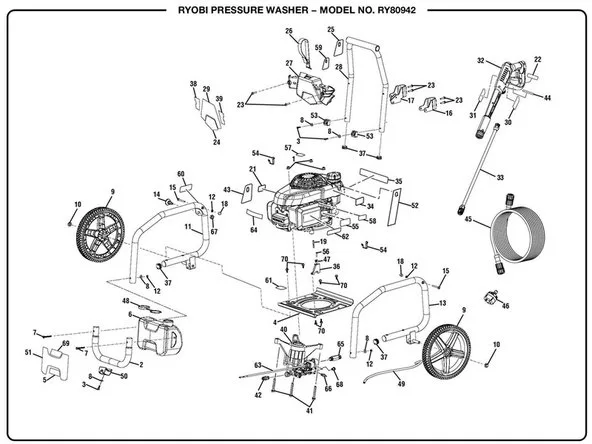
What You'll Likely Burn: Gallons Per Hour Estimates
Based on aggregate data and manufacturer specs, you can expect a gas pressure washer to consume fuel within a predictable range. For smaller engines, typically around 100-150cc, fuel consumption hovers around 0.3 to 0.5 gallons per hour. This makes them suitable for lighter tasks and homeowners who don't need extreme power.
Mid-range pressure washers, often featuring engines between 150cc and 200cc, tend to use between 0.5 and 0.7 gallons per hour. These are very common for general home use, like cleaning decks or driveways. For heavy-duty applications, such as tackling stubborn, aged grime on concrete or large structures, pressure washers with engines of 200cc and above can burn from 0.7 to over 1.0 gallon per hour.
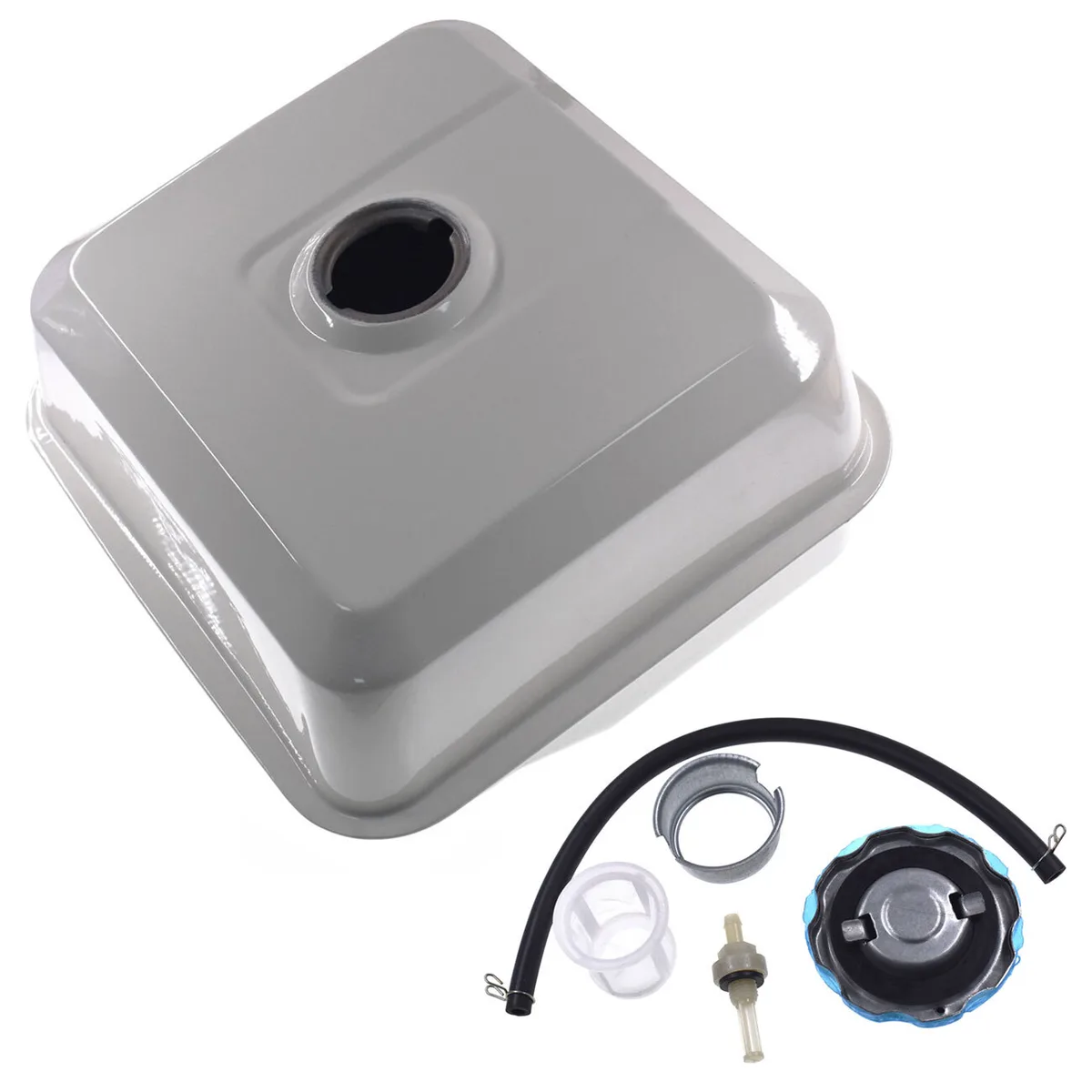
How Long Will Your Gas Tank Last?
Knowing your pressure washer's fuel consumption rate is one thing; figuring out how long a single tank of gas will last is another, and it's crucial for planning your projects. This calculation directly impacts how much fuel you need to buy and if you’ll need to refuel mid-task. As of 2026, fuel prices can fluctuate, making efficient usage even more important.
The fuel tank capacity on gas pressure washers varies significantly, but most residential models hold between 0.5 to 1.5 gallons. A smaller tank on a thirsty engine will mean more frequent stops.
Calculating Your Project's Fuel Needs
To estimate how long your gas will last, you need two key pieces of information: the engine's fuel consumption rate (in gallons per hour, GPH) and the estimated run time for your project. You can usually find the GPH consumption in your pressure washer's manual or on the manufacturer's website. If it's not explicitly stated, you can estimate it based on engine size as discussed earlier.
Let's say your pressure washer has a 175cc engine that consumes approximately 0.6 GPH, and you plan to clean your patio for about 90 minutes (1.5 hours). The calculation is straightforward: 1.5 hours * 0.6 GPH = 0.9 gallons. This means you'll need just under a full gallon of gas for that specific job.
Real Scenarios: Patio Cleaning vs. House Washing
Consider two common tasks: cleaning a medium-sized patio and washing the exterior of a house. For a patio, you might need 1 to 2 hours of run time. With a 150cc engine using 0.5 GPH, this could be 0.5 to 1.0 gallon of gas.
Washing a house exterior, however, is a much longer job, potentially taking 3 to 5 hours or more, depending on the house size and the complexity of the cleaning. Using the same 0.5 GPH pressure washer, you could easily burn 1.5 to 2.5 gallons of gas. For a larger home, you might even consider a more powerful machine, which could increase the GPH rate but potentially decrease the overall time due to its stronger output, leading to a comparable or even lower total fuel burn.
Making Your Gas Go Further
Anyone who owns a gas-powered tool wants to get the most out of every drop of fuel. Fortunately, there are several practical strategies you can employ to improve your pressure washer’s fuel efficiency and extend its run time. These aren't complex procedures, but they require a bit of mindful operation and basic upkeep.
By implementing these tips, you can reduce your fuel expenses and minimize interruptions during your cleaning tasks. This is particularly helpful for larger jobs or if you live in an area where fuel costs are a significant concern.
Expert Tips for Better Fuel Efficiency
- Shut Down When Not Spraying: This sounds obvious, but it's easy to leave the engine running while you reposition a hose or take a quick drink. Turning the engine off when you’re not actively cleaning saves fuel.
- Use the Right Nozzle for the Job: Different spray nozzles produce different pressures and spray patterns. A wider fan nozzle can cover more area faster for general cleaning, potentially reducing overall run time compared to a narrow, high-pressure nozzle that might be needed for tougher spots.
- Maintain Consistent Engine Load: Try to avoid letting the engine idle unnecessarily. When you're actively cleaning, keep the engine working at a steady pace.
- Plan Your Work: Group similar cleaning tasks together. Instead of cleaning one section of the deck, then moving to the shed, then back to the deck, try to complete all deck cleaning at once. This minimizes engine start-up and cool-down cycles.
Maintenance That Matters for Fuel Burn
Regular maintenance is key not just for the longevity of your pressure washer but also for its operational efficiency, including fuel consumption. A well-maintained engine runs smoother and more effectively. This is especially true for small gasoline engines that power most pressure washers.
- Clean or Replace the Air Filter: A clogged air filter restricts airflow to the engine, forcing it to work harder and burn more fuel. Check and clean your air filter regularly according to the manufacturer's recommendations. If it's damaged or excessively dirty, replace it.
- Check and Change the Oil: Proper lubrication is vital for engine performance. Ensure the oil level is correct and change the oil at the intervals specified in your owner's manual. Old or insufficient oil can lead to increased friction and reduced efficiency.
- Inspect the Spark Plug: A fouled or worn spark plug can cause misfires, rough running, and poor fuel combustion. Inspect it periodically and clean or replace it as needed.
- Keep the Engine Clean: Ensure the cooling fins on the engine are free of debris like grass clippings or dirt. Overheating can reduce efficiency and performance. For a rundown on maintenance for similar equipment, you can look into basic engine servicing steps for small engines.
When to Consider Alternatives (Or Not)
While gas pressure washers are powerful workhorses, they aren't always the only option. For certain tasks or users, other types of pressure washers might be more suitable, especially when fuel consumption is a primary concern. Electric pressure washers offer a different approach to cleaning, with distinct pros and cons regarding power and operational costs.
Thinking about alternatives can help you choose the best tool for your specific needs, ensuring you're not using more power, or burning more gas, than necessary. Some tasks might not even require the brute force of a gas unit.
Electric vs. Gas Pressure Washer Fuel Use
The most direct alternative to a gas pressure washer is an electric one. The fundamental difference lies in their power source. Gas models use an internal combustion engine fueled by gasoline, while electric models draw power from a standard electrical outlet.
This distinction has a significant impact on fuel usage. Electric pressure washers, by definition, use zero gasoline. Their "fuel" is electricity, which is typically much cheaper per hour of operation than gasoline.
For light to medium-duty tasks like washing a car, cleaning patio furniture, or a quick rinse of the deck, an electric model often suffices and eliminates fuel costs entirely. For example, the 7 Best Electric Pressure Washer options are ideal for users prioritizing convenience and lower running expenses over maximum power.
However, electric models generally offer less power (PSI) and water flow (GPH) compared to their gas counterparts. This means they might struggle with heavily caked-on dirt, large areas, or tasks requiring intense pressure, like deep cleaning concrete driveways. If you need serious power for frequent or demanding jobs, a gas unit, despite its fuel consumption, is often the more practical choice.
For reference, models designed for intensive use can be found in guides on 7 Best Commercial Pressure Washer options, which are almost exclusively gas-powered.
Pressure Washer Gas Usage: Common Mistakes to Avoid
Even with the best intentions, users can make a few common mistakes that lead to excessive gas consumption or inefficient operation from their pressure washers. Recognizing these pitfalls can help you avoid them and ensure you're getting the most out of your machine and your fuel. These errors often stem from misunderstanding the machine's capabilities or neglecting simple operational best practices.
- Using Excessive Pressure for the Task: For lighter jobs, like rinsing off dust, you don't need the highest pressure setting. Using a lower pressure setting or a wider spray nozzle conserves fuel by not overworking the engine unnecessarily.
- Neglecting Regular Maintenance: Skipping air filter cleaning, oil changes, or spark plug checks means the engine works harder. This inefficiency directly translates to higher fuel consumption and can even shorten the engine's lifespan.
- Letting the Engine Run Unattended: It's easy to get distracted, but leaving a gas pressure washer idling for extended periods while you do something else wastes fuel. Turn it off when you're not actively spraying.
- Using Stale Gasoline: Old gasoline can degrade and lead to poor engine performance, potentially making it less efficient. Always use fresh gasoline, and if storing the pressure washer for an extended period, use a fuel stabilizer or drain the tank.
- Overpowering the Job: Trying to use a very large, high-powered gas unit for a simple task like washing a car can lead to over-consumption. For smaller, less demanding jobs, a smaller gas unit or an electric model might be more fuel-efficient overall. Consider your task needs when choosing a unit, perhaps looking at options in 7 Best Pressure Washer for Car Washing.
Pressure Washer Gas Usage FAQs
How long can I run a gas pressure washer on one gallon of gas?
On average, a gas pressure washer can run for about 1.5 to 3 hours on a single gallon of gas. This depends heavily on the engine size and how hard it’s working. A smaller 100cc engine might achieve closer to 3 hours, while a 300cc+ engine could be closer to 1.5 hours.
Does the water pressure (PSI) affect gas consumption?
Yes, indirectly. While PSI measures water output, a higher PSI usually means a more powerful engine is required. This more powerful engine will generally consume more gas per hour to produce that higher pressure.
What is the most fuel-efficient type of pressure washer?
Electric pressure washers are the most fuel-efficient, as they use electricity instead of gasoline. They consume no gas at all, making them significantly cheaper to operate for light to medium-duty tasks.
Should I use a fuel stabilizer for my pressure washer?
Using a fuel stabilizer is highly recommended if you plan to store your gas pressure washer for more than 30 days. It prevents gasoline from degrading, which can clog the fuel system and lead to inefficient operation or starting problems.
Can I use regular unleaded gasoline in my pressure washer?
Yes, most gas pressure washers are designed to run on standard unleaded gasoline with an octane rating of 87 or higher. Always check your owner's manual for specific fuel recommendations from the manufacturer.


