

Keeping your pressure washer in good working order is key to getting the most out of it. Knowing how to clean a pressure washer properly ensures it lasts longer and performs better for all your outdoor cleaning tasks. From washing down the deck to detailing your car, a well-maintained machine makes the job easier.
Research from various manufacturers and equipment forums indicates that improper cleaning or storage is a leading cause of premature breakdown. For example, several gas pressure washer manuals recommend running the engine dry to prevent fuel system issues, a simple step that can avoid costly repairs. Getting this right means your pressure washer is ready when you are.
How to Clean a Pressure Washer?
Cleaning your pressure washer typically involves two main scenarios: a quick rinse after each use and a more thorough cleaning for long-term storage. Following manufacturer specifications for draining, flushing, and protecting components prevents damage and ensures optimal performance. This process is straightforward and doesn't require specialized tools.
When to Clean Your Pressure Washer
The frequency and depth of cleaning your pressure washer depends on how often you use it and how you store it. Generally, there are two key times to focus on cleaning:
- After every use: A quick rinse is essential to remove dirt, debris, and leftover detergent. This prevents clogs and corrosion.
- Before long-term storage: This includes seasonal storage (like over winter) or any period where the machine will sit unused for several months. This requires a more comprehensive approach to protect internal components.
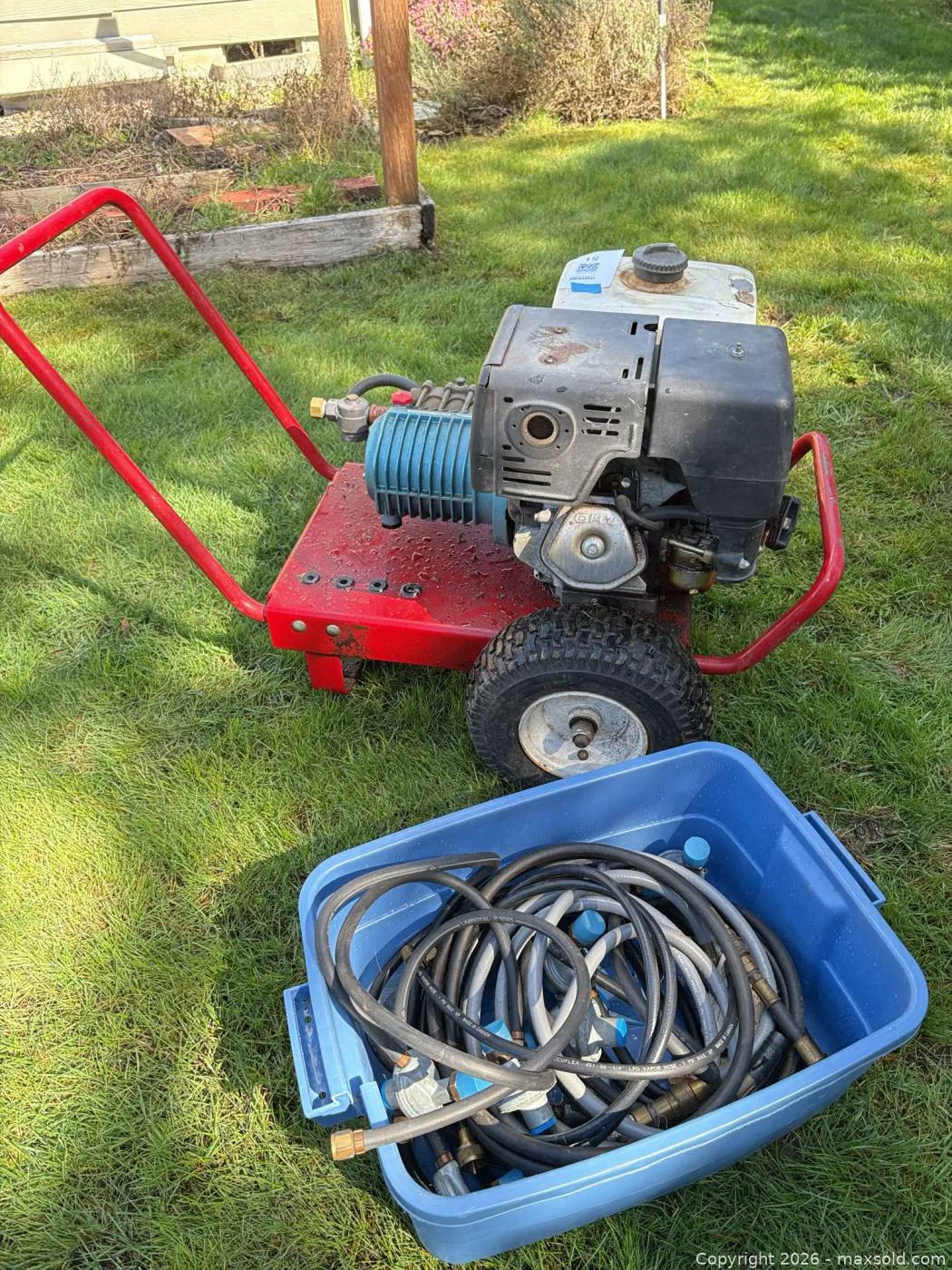
Image source: Web (Bing) / maxsold.com (Web image (fair-use with source credit))
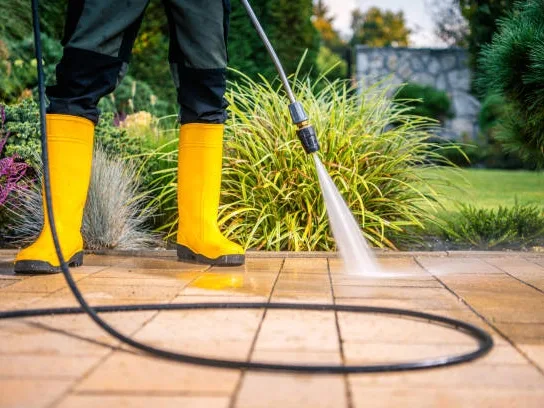
Image source: Bing (Web (fair-use with source credit))
Cleaning Your Pressure Washer After Every Use (Quick Rinse)
A quick clean after each use is crucial for maintaining your pressure washer’s health and ensuring it’s ready for the next job. This process should take only a few minutes but makes a significant difference in preventing damage. It’s about removing immediate contaminants before they can cause problems.
Step 1: Flush the System
Always start by running fresh water through the pressure washer for a minute or two after you've finished your cleaning task. This flushes out any remaining detergent, debris, or sediment that could clog the pump or hoses. Make sure the engine is still running for gas models, or that it's powered on for electric ones.
Step 2: Detach Hoses and Accessories
Once the water is running clear, turn off the pressure washer. Safely disconnect the high-pressure hose from the pump and the spray gun. Also, detach the garden hose from the water inlet.
Leaving hoses connected can trap moisture and debris.
Step 3: Clean the Spray Gun and Wand
Wipe down the exterior of the spray gun and wand with a damp cloth. Check the nozzle tips for any visible blockages and use a nozzle cleaning tool or a thin wire to clear them if necessary. Store the nozzles in a dry place, often in a designated compartment on the washer itself, to prevent loss and keep them clean.
Preparing for Long-Term Storage (Deep Clean)
When it’s time to store your pressure washer for an extended period, especially through colder months, a thorough cleaning and preparation process is vital. This prevents damage from freezing temperatures, fuel degradation, and corrosion. Manufacturer specifications, like those found on many Honda Power Equipment manuals, strongly advise these steps to safeguard your investment.
Step 1: Drain Fuel and Run Engine Dry (Gas Models)
For gas pressure washers, fuel left in the tank and carburetor can go stale and clog these components. The best practice is to empty the fuel tank completely. Then, start the engine and let it run until it sputters and dies from lack of fuel.
This ensures the carburetor is empty.
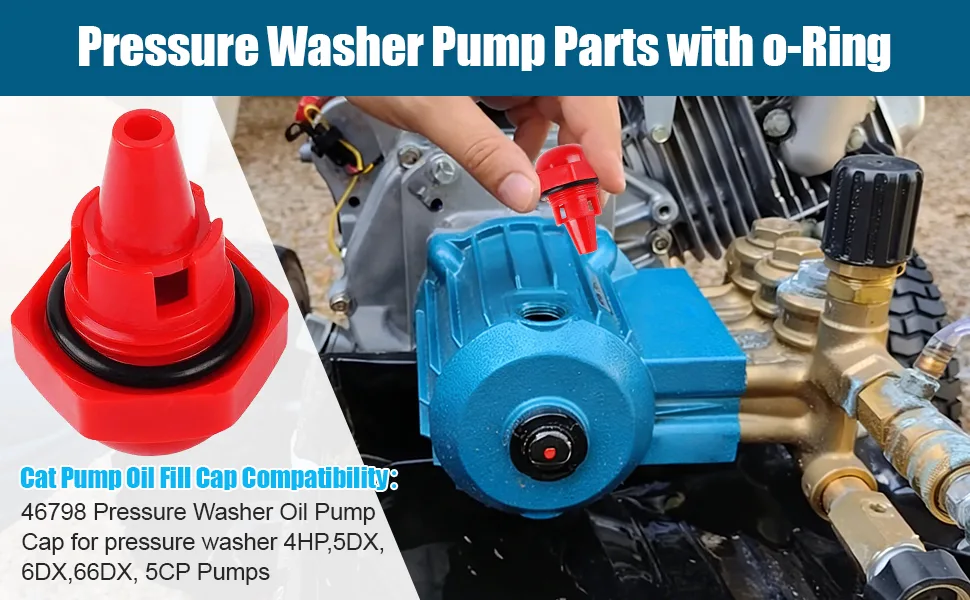
Image source: Web (Bing) / amazon.com (Web image (fair-use with source credit))
Step 2: Use Pump Saver/Winterizer Fluid
After draining the fuel, you'll need to protect the pump from freezing. Pour a designated pump saver or winterizer fluid into the water inlet. Connect the garden hose and briefly start the engine (or turn on electric power) to circulate the fluid through the pump.
This fluid displaces water and prevents ice damage. You'll know it’s working when you see the colored fluid exiting the spray gun.
Step 3: Flush Detergent Lines
If your pressure washer has a detergent tank or siphon hose, empty it and flush the system with clean water. Run the pressure washer with just water for a minute to clear out any residual soap that could harden or clog the lines.
Step 4: Disconnect and Clean Hoses
Remove all hoses, including the high-pressure hose and garden hose. Inspect them for any cracks, leaks, or damage. Wipe them down to remove dirt and grime, and allow them to dry completely before storing.
Coiling them loosely can help prevent kinks.
Step 5: Inspect and Clean Nozzles
Take a moment to clean each nozzle tip thoroughly. Remove any debris that might be stuck inside. Store them in a clean, dry place, perhaps in a specialized nozzle holder or a small plastic bag to keep them together and protected.
This ensures they’re ready to go without any fuss next time.
Step 6: Protect Engine and Pump Components
Wipe down the exterior of the entire machine, paying attention to the engine and pump. A light coating of oil on metal parts can help prevent rust during storage. Ensure the unit is stored in a dry, protected location, away from extreme temperatures and moisture.
Common Pressure Washer Cleaning Mistakes to Sidestep
Ignoring these simple but critical steps can lead to big headaches later. Forgetting to flush the system after using detergent is a common oversight, as it can lead to pump damage or mineral buildup. Many people also skip draining the fuel on gas models before storage, which can result in a gummed-up carburetor.
Another frequent mistake is improper hose storage. Simply coiling them tightly can create kinks that restrict water flow or, worse, lead to weak spots and leaks. Also, be sure to use only pressure washer-specific detergents; household cleaners can be too harsh or create excessive foam, damaging the pump or engine.
Finally, never run a pressure washer dry for extended periods if it hasn't been winterized, as this can damage the pump seals.
Keeping Your Pressure Washer Running Smoothly: Maintenance Tips
Regular maintenance is the best way to ensure your pressure washer performs reliably. Beyond just cleaning, a few extra steps can make a big difference over time. This proactive approach saves you from unexpected breakdowns and costly repairs.
- Check Oil Levels (Gas Models): For gas-powered units, checking the engine oil before each use is non-negotiable. Low oil levels can cause severe engine damage. Consult your owner's manual for the correct type and amount of oil.
- Inspect Fuel (Gas Models): Use fresh fuel, and consider using a fuel stabilizer if the gas will sit for more than 30 days. Stale fuel is a common cause of starting problems.
- Clean Air Filter (Gas Models): A clogged air filter restricts airflow to the engine, reducing performance and potentially causing it to run rough. Inspect it regularly and clean or replace it as needed.
- Examine Spark Plug (Gas Models): A fouled or worn spark plug can lead to starting issues and inefficient combustion. Check its condition and gap periodically.
- Tighten Connections: Ensure all hose connections, fittings, and bolts are secure. Vibrations during operation can loosen them over time.
Frequently Asked Questions About Pressure Washer Cleaning
How often should I clean my pressure washer?
You should perform a quick rinse after every use. A more thorough cleaning and preparation for storage is recommended before any extended period of non-use, especially before winter.
What kind of detergent should I use?
Always use detergents specifically designed for pressure washers. These are formulated to be safe for the pump and engine, and they often have lower foaming properties. Never use household cleaners or bleach unless explicitly stated as safe by the manufacturer.
Can I leave water in the pump during winter?
No, you absolutely should not leave water in the pump if there's any risk of freezing. Water expands when it freezes, which can crack the pump housing and lead to significant damage. Always use a pump saver or winterizing fluid designed for pressure washers.


