

The pile of fur on your rug keeps growing no matter how often you sweep. Your stick vacuum chokes on it every time. And there's that shop vac in the garage you keep wondering about.
So can a wet/dry vacuum pick up pet hair? Short answer: yes, it really can, as long as you set it up correctly and use the right attachments.
Wet/dry vacuums aren't just for sawdust and flooded basements. As of 2026, most consumer models pull between 35 and 120 CFM of airflow, which is more than enough to lift even deeply embedded dog fur. The trick is knowing which filter, bag, and nozzle to use for dry hair pickup.
Otherwise you'll end up with a clogged hose and a tangled mess.
Image source: Bing (Web (fair-use with source credit))
Quick Answer: Yes, But Only If You Do It Right
Yes, a wet/dry vacuum can pick up pet hair. Use the dry filter and a dust bag. Attach a crevice tool or upholstery brush.
Push slowly over carpets and fabric. The suction pulls hair directly into the tank or bag. It outperforms most household vacuums on heavy shedding.
How a Wet/Dry Vacuum Actually Handles Pet Hair
A wet/dry vacuum creates suction by spinning a fan inside a sealed tank. That suction pulls air through the hose and into the tank. The tank collects whatever you vacuum up, and the air passes through a filter before reaching the motor.
Pet hair gets caught in that same airflow path. But hair is long, light, and prone to tangling. It can wrap around the hose interior or cling to the filter surface instead of dropping into the tank.
That's why setup matters more than raw suction power.
Dry hair pickup works best when the vacuum has three things in place. First, a dry-use filter like a cartridge filter or a foam sleeve. Second, a disposable filter bag, which catches hair and dust before they reach the main filter.
Third, a narrow attachment like a crevice tool, which creates concentrated suction that pulls hair out of carpet fibers.
Wet mode is a completely different story. If you just finished vacuuming up a spilled drink, the foam filter is wet. Hair that touches that foam will mat into a soggy lump and clog everything.
The same happens if you try to vacuum damp hair. Dry hair plus a dry filter is the only safe combination.
The motor handles the extra resistance from hair fairly well. But you'll notice strain on the impeller if the hair wraps around it. Keeping the filter bag full instead of relying on the tank alone is a good practice.
If airflow drops mid-job, it's usually a clogged hose or a packed filter. The same suction loss fixes apply to any vacuum, including wet/dry models.
What You Need for Dry Pet Hair Pickup: Filters, Bags, and Attachments
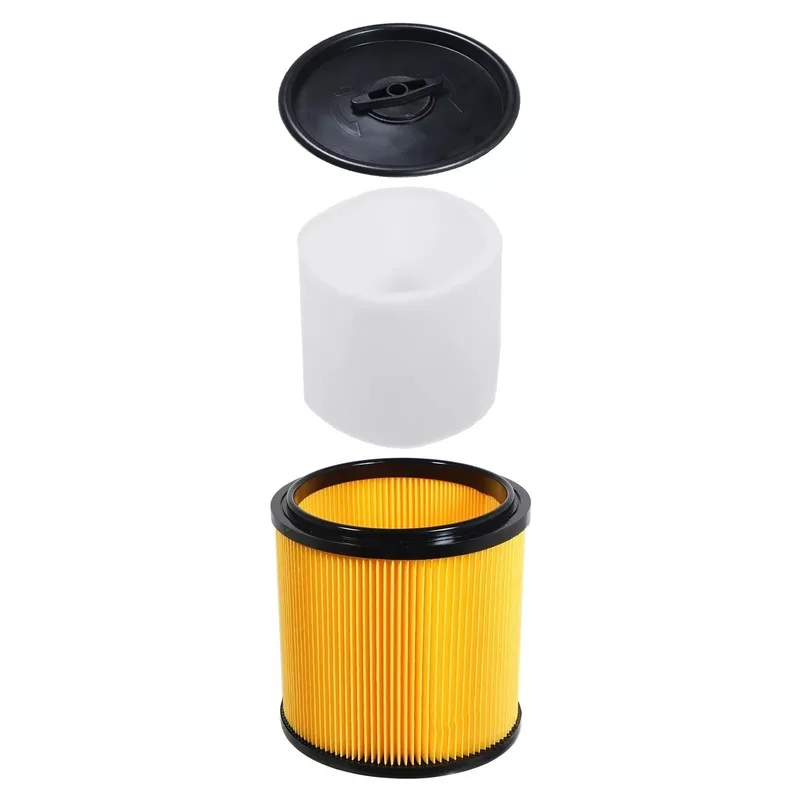
Image source: Web (Bing) / storage.googleapis.com (Web image (fair-use with source credit))
Before you turn the vacuum on, check what's installed. Wet/dry vacuums ship with a foam sleeve for wet pickup and a cartridge filter for dry pickup. If either is missing, the motor can suck in dust and hair, which damages it over time.
Look for a model that carries a recognized safety certification from an independent testing lab to make sure the electrical components are properly insulated.
Here is what you need for dry pet hair pickup:
- Cartridge filter, rated for dry use, clean and dry
- Disposable dust bag, if your model supports one
- A crevice tool or a wide floor nozzle with a rubber lip
- An upholstery brush for couches and car seats
The dust bag is the hidden hero here. It catches hair before it reaches the cartridge filter. Without a bag, hair piles up in the tank and wraps around the filter repeatedly.
Emptying it becomes a finger-tangling chore. A bag keeps everything contained and makes disposal a simple pull-and-toss. Regular filter maintenance like this is what keeps a vacuum running for years.
Attachment choice changes performance dramatically. A wide floor nozzle spreads suction across a large area, which is great for open floors but weak against embedded hair in carpet. A crevice tool concentrates suction into a narrow slot.
That narrow slot is what lifts hair out of fibers instead of just skimming the surface.
If your model has a rubber squeegee attachment, try it on carpet. The rubber edge generates friction and pulls hair to the surface. Then the vacuum can grab it with a regular pass.
The Decision Tree: Should You Use Your Shop Vac for Pet Hair Today?
Not every situation calls for pulling out the shop vac. Walk through these three questions before you start. If you answer yes to most, go ahead.
If not, another tool might work better.
Surface Condition: Carpet, Hardwood, or Car Interior?
Carpet needs the strong suction and crevice tool combination. Hardwood floors are fine with a wide floor nozzle and a soft brush to avoid scratches. Car interior upholstery behaves like a mix of both, so use the upholstery brush and slower passes.
If the surface is wet, do not use the vacuum for hair until it dries. Wet carpet and wet hair create clumps that block the hose. Wait a few hours, then vacuum.
Even the most powerful motor can't pull a wet mat through a narrow tube.
Hair State: Loose Fur, Embedded Hair, or Wet Mats?
Loose fur is easy. Vacuum it up like dust. Embedded hair means pressing the nozzle firmly and moving slowly over the spot.
Wet mats are a no-go. Let them dry completely, then brush them out before vacuuming.
Setup Check: Do You Have the Right Filter and Nozzle?
Confirm the dry cartridge filter is installed and the foam sleeve is removed. Add a dust bag if you have one. Attach the crevice tool or the rubber squeegee.
If any piece is missing, the vacuum will still pick up some hair, but it will clog faster and stress the motor. A collapsed hose can make the whole job worse, so check for bends and blockages before starting.
How to Set Up Your Wet/Dry Vac for Pet Hair: Pre-Cleaning Checklist
Take two minutes before you start. It saves you twenty minutes of unclogging later.
- Pull out the foam sleeve and store it separately while doing dry pickup.
- Install a dry-use cartridge filter.
- Add a disposable filter bag inside the tank.
- Attach the crevice tool for carpet and upholstery, or the floor nozzle for bare floors.
- Check the hose for clogs from previous jobs.
- Confirm the tank is dry inside.
There's one more thing worth checking. If your model has a blower port, make sure that vent is clear too. A blocked blower outlet reduces overall suction.
You can use the blower to move loose hair into a corner before vacuuming, which speeds up cleanup on hard floors.
Setup takes less time than it takes to drag out the machine. It prevents the two most common shop vac failures: hair wrapped around the filter and hoses jammed with fur and lint. A little routine upkeep goes a long way, and the same maintenance habits apply whether you're using a wet/dry vac or a more specialized unit.
Best Attachments for Pet Hair on Every Surface
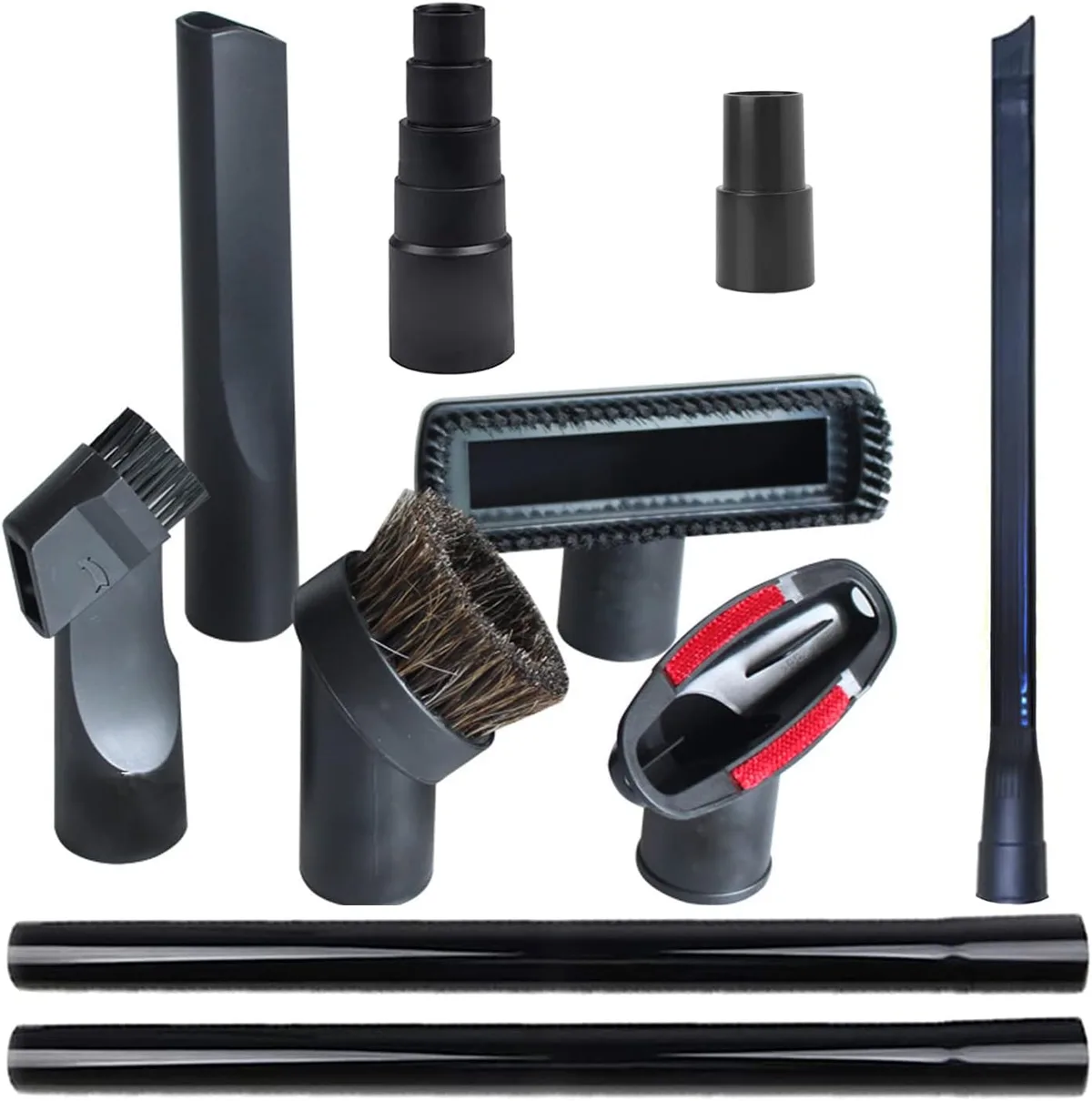
Image source: Web (Bing) / amazon.com (Web image (fair-use with source credit))
The right attachment turns a basic shop vac into a serious pet hair tool. The wrong one leaves streaks of fur behind and makes you work twice as hard.
Here's the breakdown:
- Crevice tool. Best for carpet edges, stairs, car seats, and tight corners. It concentrates suction into a narrow slot that pulls embedded hair loose.
- Upholstery brush. The bristles agitate fabric and lift hair before suction grabs it. Use this on couches, cushions, and pet beds.
- Rubber squeegee. Friction pulls hair up from carpet piles. It's also brilliant on leather car seats where hair clings statically.
- Wide floor nozzle. Good for hardwood and tile. Add a soft brush attachment to prevent scratches and catch fine hair along baseboards.
Manufacturer specs show that most wet/dry vacs shipped today include a crevice tool and a utility nozzle, but not an upholstery brush. If yours didn't come with one, pick up an aftermarket kit. They're cheap, fit standard hoses, and make a real difference.
Step-by-Step: Vacuuming Pet Hair Off Carpets, Upholstery, and Car Seats
Follow this order and you'll finish faster with fewer clogs.
Carpets and Rugs
- Brush the carpet first. Use a stiff-bristled brush or a rubber grooming mitt to loosen embedded fur.
- Attach the crevice tool and set the vacuum to dry mode.
- Move slowly, about one foot every two to three seconds.
- Overlap each pass by about half the nozzle width.
- Go in two directions. The second pass at a right angle catches hair the first one missed.
Upholstery and Pet Beds
- Switch to the upholstery brush.
- Spray fabric lightly with a wrinkle-release spray. It reduces static that holds hair in place.
- Use short, circular strokes, then final straight passes.
- Repeat with the crevice tool for seams and button areas.
Car Interiors
- Pull floor mats out and vacuum them separately.
- Use the crevice tool along seat tracks and between the seat and center console.
- Use the rubber squeegee on cloth seats, then vacuum after.
- Finish with the wide nozzle under the seats and in the trunk.
Vacuuming a single car interior with a wet/dry vac takes about 15 minutes. That includes setup and the pre-brushing step.
Mistakes to Avoid: Clogged Hoses, Wrapped Hair, and Wet Sludge
The most common shop vac failures with pet hair are almost always user error. Skip these and you'll be fine.
- Vacuuming wet hair. Wet fur mats into sludge that sticks to the hose wall. It's nearly impossible to push out. Always dry the mess first.
- Leaving the foam sleeve on. That's for wet pickup only. Hair snags and tangles around it, killing suction fast.
- No filter bag. Without a bag, hair wraps around the cartridge filter. You'll spend 20 minutes picking it off with your fingers.
- Moving too fast. Quick passes skim the surface and push hair deeper. Slow down.
- Ignoring the clog. If suction drops, stop. A blocked hose only gets worse with more suction. Disconnect and clear it before continuing.
- Mixing modes. Never switch from wet to dry without removing the wet filter and drying the tank. Moisture plus hair creates a smelly, matted mess.
Aggregate user reviews across multiple brands confirm these five mistakes account for most "my shop vac won't pick up" complaints. They're all avoidable with a minute of prep.
When to Skip the Shop Vac and Use a Dedicated Pet Vacuum Instead
A wet/dry vac is powerful, but it's not always the right tool. In several situations a dedicated pet vacuum is worth the upgrade.
- Daily maintenance. If you're picking up loose fur every day, a lightweight cordless stick vacuum is faster to grab and easier to use.
- Allergies. Most shop vacs aren't HEPA sealed. If dander bothers you, a proper HEPA pet vacuum keeps allergens contained. A basic shop vac can push fine particles back into the air.
- Delicate fabrics. Heavy suction can pull at loose threads on antique rugs or fragile upholstery. A household vacuum with a gentle setting is safer.
- Small messes. Dragging a 12-gallon tank out for a single dog bed is overkill. Use a handheld vacuum instead.
The exception is deep cleaning season. When your shepherd blows her coat in spring, the wet/dry vac wins every time. It pulls more hair per pass than any stick vac on the market.
If you're weighing a robot model for daily upkeep instead, most owners find them a worthwhile upgrade for routine fur patrol.
Maintenance After Pet Hair Pickup: Keeping Suction Strong and Odors Away
Pet hair is oily. That oil leaves a film inside the tank and filter, and it traps odors over time. A little maintenance after each use prevents that.
- Open the tank and pull out the dust bag. Seal it and toss it.
- If you ran bagless, knock loose hair off the cartridge filter with a soft brush.
- Wipe the inside of the tank with a damp microfiber cloth.
- Dry the tank completely before closing it.
- Check the hose by holding it up to a light. Clear any hair wads before they harden.
Once a month, wash the cartridge filter with mild soap and water. Let it air dry for 24 hours before reinstalling. Regular filter care is what keeps the motor running at full power.
If a sour smell develops, run a small batch of baking soda through the hose on dry mode. Then follow with a dry towel. That clears residual oils and leaves the system fresh for the next fur cleanup.
Costs and Specs to Watch: What Actually Matters Before You Buy
Match the machine to your shedding level, not the sticker price. A 5-gallon model between 1 and 3 HP handles a single dog. A 12-gallon unit with 5 HP or more is worth it for multi-pet households and spring blowouts.
Pay attention to CFM and water lift, not marketing horsepower. More CFM means better deep-carpet hair extraction. Filter bags cost $10 to $25 per pack.
Replacement cartridge filters run $15 to $40. That's the real long-term expense, so factor it in before you buy.
Cordless models are convenient but trade runtime for portability. Most run 20 to 45 minutes on a full charge. Corded models give unlimited time and stronger suction, which matters for big jobs.
FAQs: Quick Answers to Common Pet Hair Vacuum Questions
Can a wet/dry vacuum pick up pet hair?
Yes, with a dry filter, a dust bag, and a crevice tool. Slow passes remove embedded fur better than most upright vacuums. Just avoid wet mode for hair.
Will pet hair clog a shop vac?
It can wrap around the cartridge filter if you skip the bag. A disposable dust bag keeps hair contained and prevents tangles. Clear hose blockages immediately to avoid motor strain.
Is a shop vac better than a pet vacuum for dog hair?
For deep cleaning, yes. A shop vac pulls far more airflow than a stick vacuum. For daily touch-ups, a lightweight dedicated pet vacuum is faster and easier.
How do I keep pet hair from smelling in a shop vac?
Empty the bag right after each use. Wipe the tank dry and air out the filter before storage. Monthly filter washing prevents lingering pet odors.

