

Your wet/dry vacuum is supposed to trap dust, not throw it back into the room. If you're asking, "Why is my wet/dry vacuum blowing out dust?", the answer usually comes down to one of five things: a clogged filter, a torn filter, a leaking gasket, a full tank, or a cracked seal. It's frustrating, but it's almost always fixable in under ten minutes.
As of 2026, most shop vacuums ship with a pleated cartridge filter rated around 5 microns. Drywall dust, concrete powder, and fine sand can be 10 to 100 microns. That size gap is exactly why the filter is the first thing to suspect.
The good news? You don't need a new vacuum. You need to find the broken link in the airflow chain.
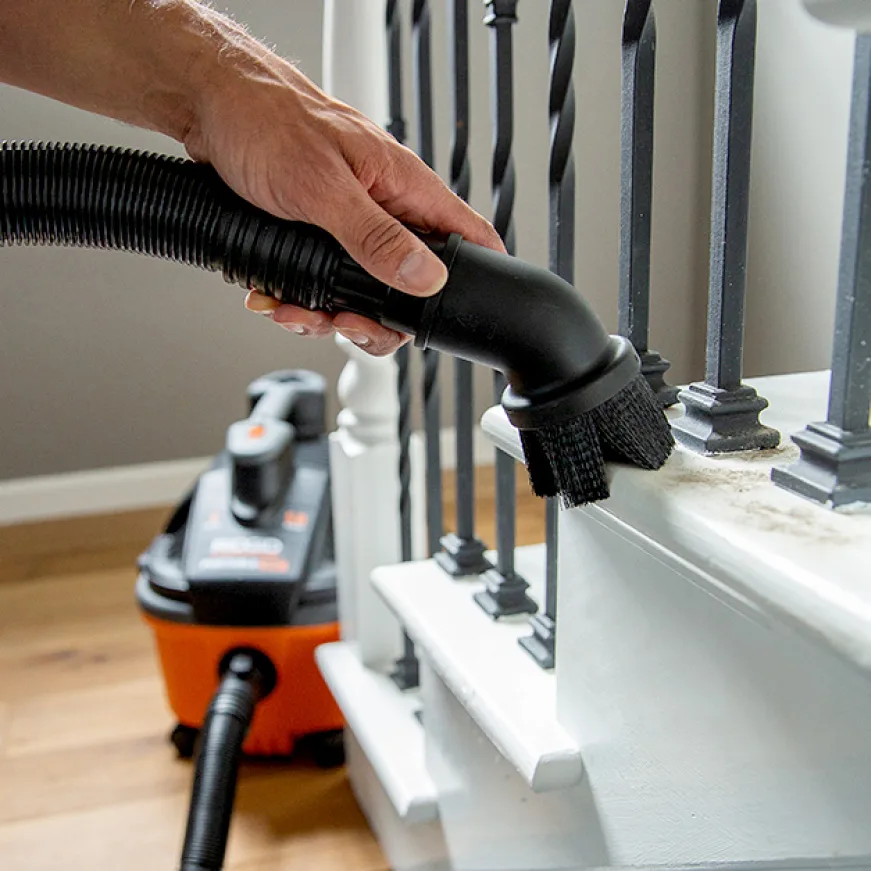
The Short Answer: Where the Dust Is Coming From
Dust blows out through the exhaust vent. That means the filter isn't catching it. The filter is either clogged, damaged, missing, or being bypassed through a bad seal.
Check the filter first, then the gasket around the lid. Those two parts cause almost all dust blowout problems.
How a Wet/Dry Vac Works: Airflow 101
Every wet/dry vacuum moves air along the same path: hose, tank, filter, motor, exhaust vent. The filter is the only thing that stops dust from reaching the motor and blowing out the back.
When the filter works, dust stays in the tank. When it fails, fine particles ride the airstream straight through the exhaust. That's the cloud you see behind the machine while sanding drywall or cleaning a garage.
- Intake hose pulls air and debris into the tank.
- Tank settles heavy debris at the bottom.
- Filter cartridge or sleeve traps fine dust.
- Motor and impeller create suction.
- Exhaust vent releases cleaned air.
Manufacturer specifications confirm that a pleated cartridge filter catches particles down to 1 to 5 microns. That only works if the filter is seated properly, not clogged, and matched to the job. The same airflow rules apply elsewhere.
A pool vacuum that's sucking up so slowly often has the same kind of restriction.
Diagnostic Tree: Match Your Symptom to the Cause
You don't need to guess. Use the symptom to jump straight to the broken part.
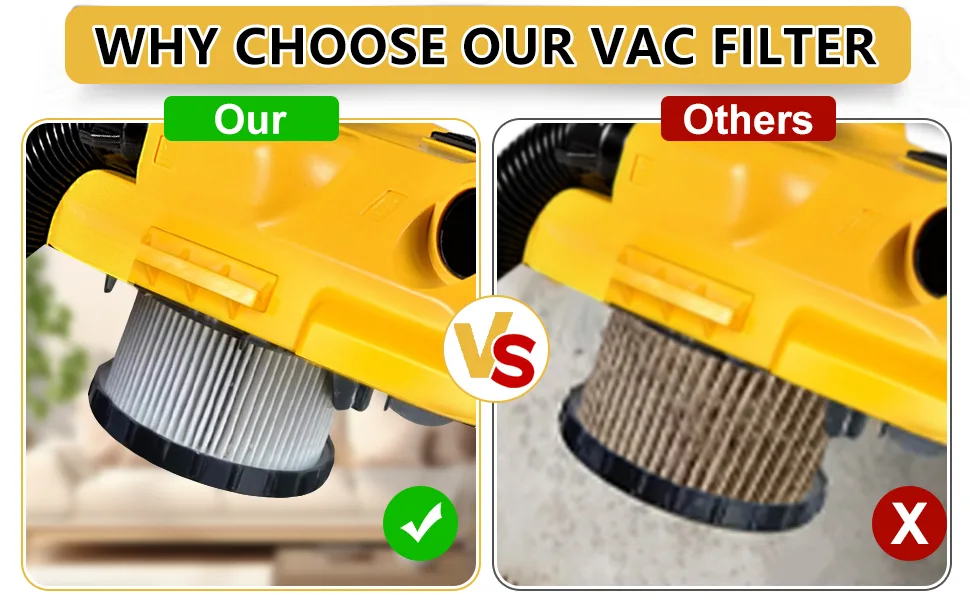
Branch A: Filter Problems (Clogged, Torn, or Wrong Filter)
If dust is blowing and suction is weak, the filter is clogged. A saturated filter can't pass enough air. The motor pushes harder and forces fine dust around the pleats. Tap the filter gently and retest.
If the filter is torn or stretched, replace it. A damaged filter lets dust pass through instantly. No amount of cleaning will fix a hole.
If the filter is the wrong type, swap it out. A foam sleeve is fine for wet pickup, but useless for fine drywall dust. A standard 5-micron cartridge handles sawdust but may struggle with plaster powder. Check the micron rating stamped on the filter.
Branch B: Seal and Gasket Failures
If dust leaks around the lid or seams, the tank gasket is the problem. The rubber strip between the tank and the motor head creates the airtight seal the system depends on. When it cracks, flattens, or shifts, dusty air escapes into the room.
Run your hand around the lid while the vacuum runs. If you feel a jet of air, reseat the gasket or buy a replacement. This is a cheap fix and easy to miss.
Branch C: Dust Bag Issues or Wrong Bag Placement
If the filter looks clean and the seal feels tight, check the dust bag. A full paper bag collapses and blocks airflow. That creates the same pressure problem as a clogged filter. An empty bag that's misaligned lets dust sneak past the inlet.
Open the tank and inspect the bag. The cardboard collar must snap firmly over the inlet ring.
Branch D: Clogged Hose or Blower Port
If dust blasts out of the blower port only, there's a clog upstream. Many wet/dry vacuums double as blowers. When the hose is blocked, the motor pressurizes and throws debris out through the exhaust.
Disconnect the hose and look for obstructions. Sawdust clumps, drywall chunks, or a crumpled receipt can all trigger this. The same thing happens when a hose collapses mid-clean and cuts off flow.
Branch E: Operating Without a Filter (The Rookie Mistake)
If there's no obvious filter issue, check whether a filter is installed at all. It happens more often than you'd think. Someone removes the foam sleeve for wet pickup, forgets to put the filter back, and the next dry job sends dust straight through the motor and out the vent.
This is careless, but it's also a fast way to ruin a motor. Fine dust works into the bearings and shortens the vacuum's life.
Common Mistakes That Make Dust Blow Out Even After a Fix
You fixed the obvious problem, but dust still appears. Watch for these common mistakes:
- Washing a paper filter. Water ruins the pleating and leaves a film that traps dust permanently. Tap it clean or replace it.
- Using a foam filter for dry dust. Foam sleeves are for wet pickup. Fine dry particles slip straight through.
- Overtightening the filter retainer. Cranking too hard warps the filter frame or cracks the lid. Hand-tight is enough.
- Reinstalling a damp filter. A wet filter clogs almost instantly. Let a washed filter dry completely.
- Forgetting the gasket. The filter gets all the attention, but the rubber seal is the sneaky culprit.
The same principle applies to maintaining other vacuums. Cleaning a robotic pool vacuum's filter regularly prevents the same kind of weak suction and debris bypass.
Proven Fixes and Quick Checks (Step-by-Step)
Here is the ten-minute routine that covers every common cause.
- Unplug the vacuum. Never work on a live machine.
- Remove the motor head and set it on a clean surface.
- Inspect the filter for holes, heavy clogs, or water damage.
- Tap the filter clean or brush the dust layer off gently.
- Check the rubber gasket around the tank lid. Feel for cracks or flat spots.
- Inspect the dust bag if you use one. Make sure it's not full and sits firmly on the inlet.
- Look through the hose and intake port. Remove any blockages.
- Reassemble the unit. Seat the filter properly, seat the gasket, and latch the clamps evenly.
- Test with an empty tank. Place your hand near the exhaust vent. Clean air means you fixed it.
- Vacuum a small amount of dry dust and watch the exhaust again.
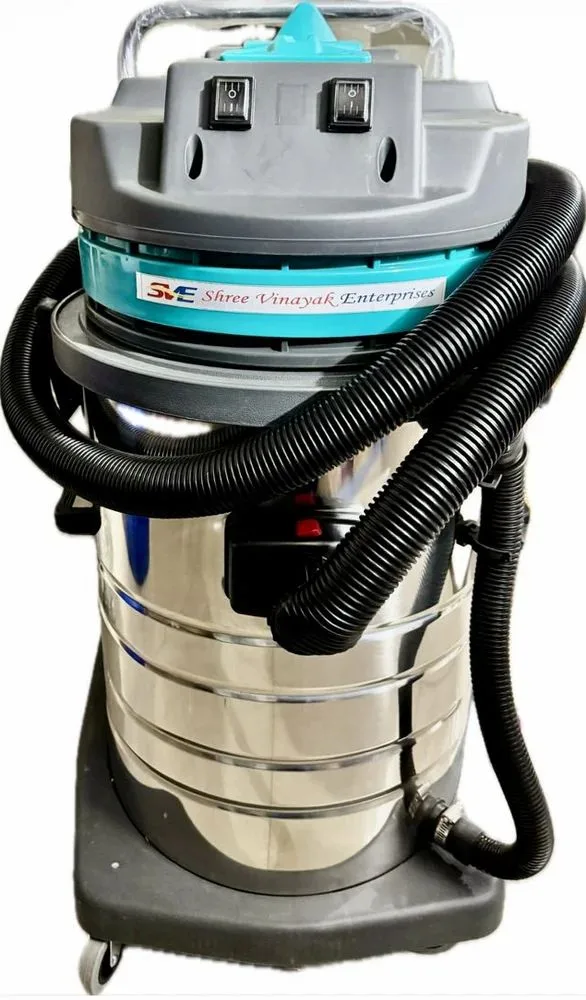
Still blowing dust? The motor housing itself may be packed with debris. That needs deeper disassembly.
For most people, replacing the motor head makes more sense at that point.
If you regularly vacuum concrete or masonry debris, keep health risks in mind. Fine silica dust is a serious respiratory hazard. OSHA's respirable crystalline silica standard recommends HEPA filtration and good dust control on job sites.
Filter Maintenance Quick Guide
| Filter Type | Dry Dust Use | Wet Use | Cleaning Method | Typical Lifespan |
|---|---|---|---|---|
| Pleated cartridge | Yes | No | Tap or brush off; replace if stained | 3 to 6 months |
| Foam sleeve | No | Yes | Rinse with water, dry completely | 6 months to 1 year |
| HEPA cartridge | Yes | No | Gently brush; do not wash | 6 to 12 months |
| Paper dust bag | Yes | No | Replace when two-thirds full | Single use |
Maintenance Routine to Keep Dust Where It Belongs
A simple routine stops this problem before it starts. Check the filter before every big job. A quick tap takes ten seconds and saves twenty minutes of cleanup later.
Empty the tank after heavy use. Fine dust sitting on the bottom recirculates up into the filter and clogs it faster. Wipe the inside with a damp cloth once the debris is out.
- Light garage cleanups: inspect the filter monthly.
- Weekly shop work: tap the filter out every time you empty the tank.
- Drywall or concrete jobs: clean the tank and filter immediately after finishing.
Using a pre-filter separator also helps. An external cyclone pulls coarse dust out of the airstream before it reaches the pleated cartridge. Users who add one report replacing filters half as often.
That's a real saving over a year.
The same idea applies to any vacuum. A regular maintenance schedule keeps the machine working longer and keeps the air around it cleaner.
When to Repair vs. Replace Your Vacuum
Not every dust blowout is a filter problem. Sometimes the vacuum itself is done. Weigh the repair cost against the price of a new unit.
Replacement parts are cheap. A new pleated filter costs $15 to $40. A new tank gasket costs about $10.
If those fix the issue, you're back in business for under $50.
Some signs point to replacement instead:
- The motor smells burnt. That's a dead motor, not a filter issue.
- The tank is cracked. Sealing a cracked tank never holds long.
- The filter retainer is warped. It won't seal again.
- You've replaced every part and dust still blows. The motor housing is likely packed with dust.
| Symptom | Best Move | Approx. Cost |
|---|---|---|
| Torn or clogged filter | Replace filter | $15 to $40 |
| Leak around the lid | Replace gasket | $10 to $15 |
| Burnt motor smell | Replace the whole vacuum | $80 to $150 |
| Cracked tank | Replace the whole vacuum | $80 to $150 |
| All parts fine, still blowing dust | Replace motor head or vacuum | $60 to $120 |
Most wet/dry vacuums last 5 to 8 years with regular use. If yours is older and the motor sounds tired, a new unit with a HEPA filter will handle fine dust better anyway. A newer filter system also gives you cleaner exhaust air and less lung irritation.
That same decision process applies elsewhere. The step-by-step logic in Dolphin E10 troubleshooting follows the same approach: check the cheap parts first, then decide if replacement beats repair.
FAQs on Wet/Dry Vacuum Dust Blowout
Why does my shop vac blow dust even with a new filter?
A new filter can still leak if the tank seal is broken. Check the rubber gasket around the lid. Also confirm the filter is seated into the retainer properly.
One loose clamp lets dust bypass the filter entirely. Tighten all latches evenly and retest.
Can I wash my pleated cartridge filter to stop dust blowout?
Usually not. Water destroys the pleating and leaves a film that traps dust permanently. Tap it clean after each use.
For jobs with heavy fine dust, install a fresh cartridge. Some newer filters are washable, but only if the manufacturer says so. Check the label before you rinse anything.
Why does my vacuum blow dust when I switch to the blower port?
That's a clogged hose or an overfilled tank. The blower function reverses airflow, so any debris sitting in the hose gets launched out. If the tank is too full, dust recirculates through the motor.
Empty the tank, clear the hose, and run it again.
Do I need a HEPA filter to stop fine dust from blowing out?
For drywall, plaster, or concrete dust, yes. A standard 5-micron cartridge lets the finest particles slip through. A HEPA filter catches particles down to 0.3 microns.
Just know that HEPA filters clog faster. You still need a tight seal and regular cleaning.
How often should I replace the tank lid gasket?
Replace it as soon as it cracks, flattens, or stretches out of shape. That usually happens every 2 to 3 years with weekly use. Store the vacuum with the lid latched loosely.
A pinched gasket wears out much faster.
Final Verdict: Your 10-Minute Diagnostic Plan
Here's the whole process in one quick pass. Work through these steps in order.
- Unplug the vacuum.
- Remove the motor head and inspect the filter.
- Clean or replace the filter if it's clogged or torn.
- Check the rubber gasket for cracks and proper seating.
- Inspect the dust bag for fullness or misalignment.
- Look through the hose and intake for blockages.
- Reassemble and run a dry test with the tank empty.
- Hold your hand near the exhaust vent and wait.
If dust blows during the test, the problem is inside the motor head. That's when you choose repair or replacement. If the airflow stays clean, you're done.
Jot this routine down near your outlet and you won't get blindsided by a dust storm again.

