

Do you remove the filter when vacuuming water? The answer depends on your vacuum and the filter it uses. Most wet/dry shop vacs require either a foam filter swap or a completely filterless setup.
Regular household vacuums should not touch water unless they are specifically rated for wet pickup.
Manufacturer specifications confirm that wet/dry vacuums use a float valve to cut suction when the tank is full. Paper pleated filters belong on dry duty only. The moment water hits them, they turn into a soggy mess.
As of 2026, nearly every shop vac owner faces this exact filter decision.
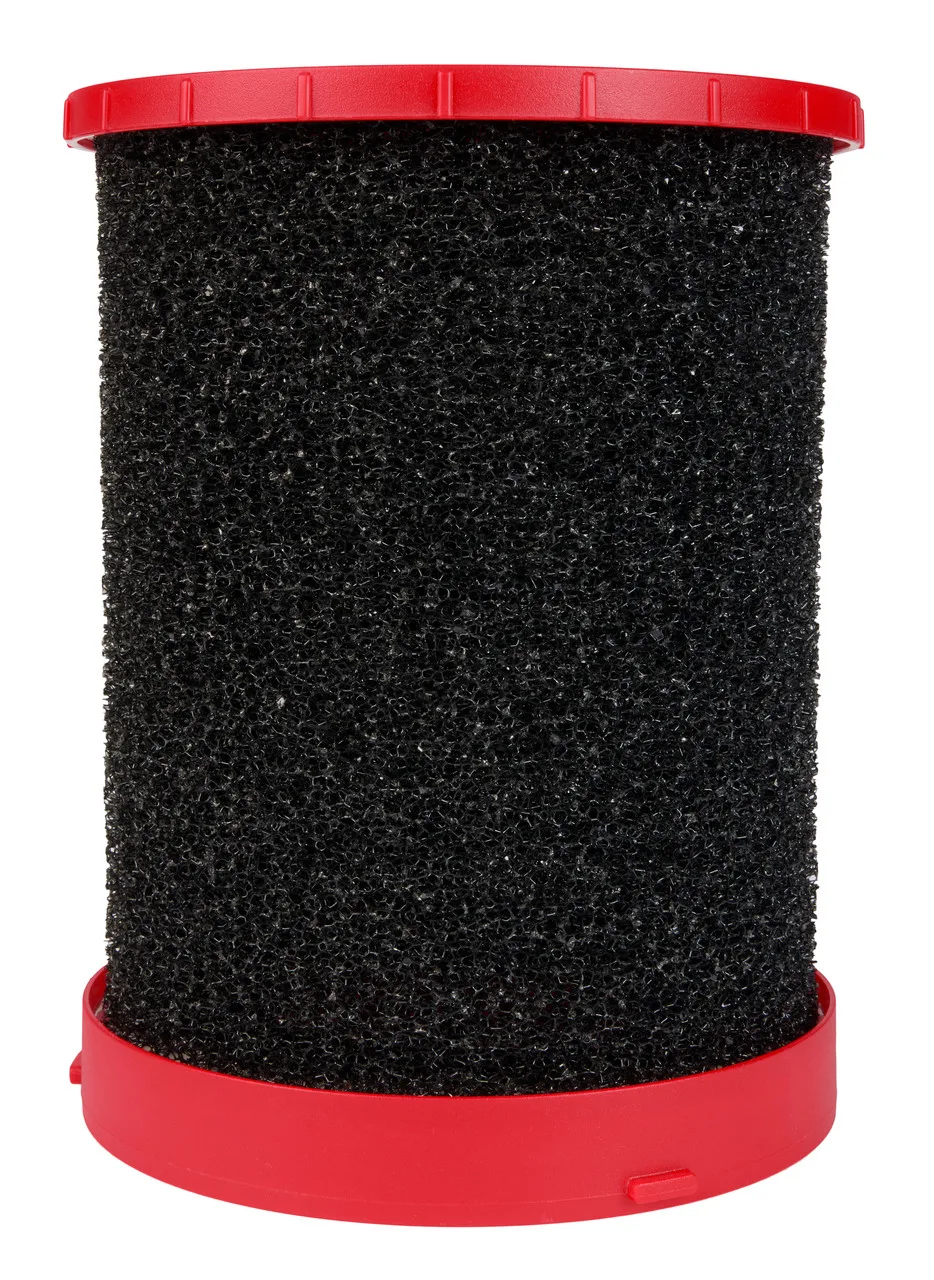
Image source: Web (Bing) / imsbolt-disneypunchout.com (Web image (fair-use with source credit))
Quick Answer
Yes, if the filter is paper or HEPA. No, if a foam sleeve is installed. Some models run filterless for wet pickup.
Check your manual before you start.
How Wet/Dry Vacuums Handle Water: The Float, the Tank, and the Filter
A wet/dry vacuum pulls air and debris through the hose and into a large collection tank. The motor sits above that tank, protected by a float valve and the filter setup. When the tank fills with water, the float rises and blocks the intake.
That shuts off suction before liquid reaches the motor.
The filter plays a different role in each mode. Dry mode needs a fine filter to trap dust. Wet mode needs either a foam sleeve that lets water pass or no filter at all.
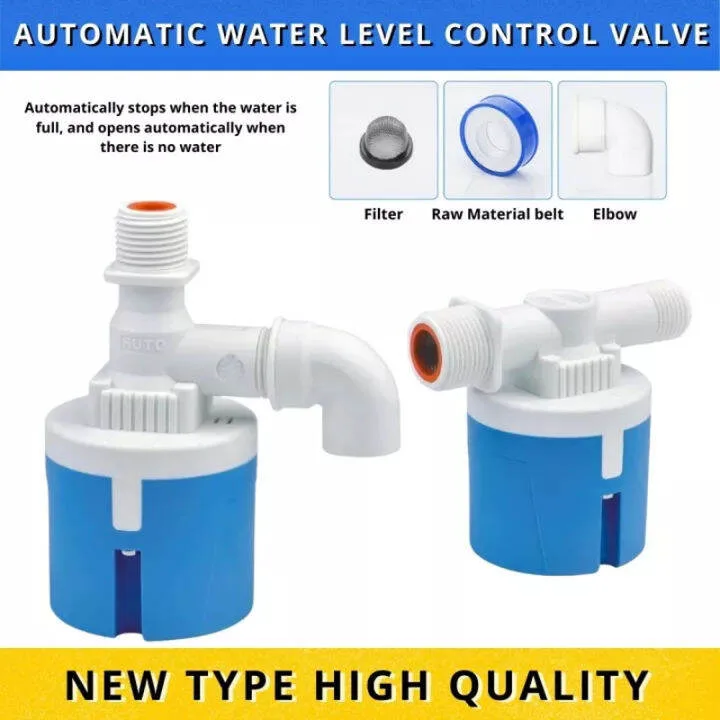
Image source: Web (Bing) / searspartsdirect.com (Web image (fair-use with source credit))
Here is how common filter types handle water:
| Filter Type | Best For | Wet Use |
|---|---|---|
| Paper cartridge or pleated media | Dry dust, sawdust, fine particles | Ruins instantly, turns to mush |
| HEPA filter | Fine dust, allergens | Irreversibly water-damaged |
| Foam sleeve | Wet pickup, general debris | Safe to leave on, washable |
| No filter (filterless) | Wet mode on select models | Designed for water-only pickup |
First, Check Your Manual: Why Manufacturer Instructions Matter
Manufacturers design each model with a specific wet-mode setup. Some require a foam filter. Others tell you to remove everything from the filter cage.
A third group expects a bare cage with the float doing all the work.
Skipping that setup can void your warranty. It can also turn a small spill into an electrical hazard. Underwriters Laboratories (UL) certification only covers the vacuum when it is used according to the manufacturer's instructions.
You can read more about that safety evaluation on the UL website.
The manual also shows where the float valve lives and how to inspect it. A stuck float is the most common cause of water reaching the motor. Finding your manual online takes two minutes.
It is worth far more than a new motor.
Decision Branch 1: You Have a Wet/Dry Shop Vac
A wet/dry shop vac is the right tool for most water cleanup. You just need to match the filter setup to the job.
Identify Your Filter Type
Open the tank and look up at the filter cage. You will see one of these:
- Paper cartridge filter: A rigid, pleated cylinder, usually gray or white.
- HEPA filter: A finer pleated cylinder with a rubber gasket, sometimes wrapped in mesh.
- Foam sleeve: A soft, open-cell cylinder, often black, blue, or gray.
- No filter: A bare plastic filter cage for filterless wet operation.
If It Uses a Paper or HEPA Cartridge: Remove It Before Water
If you see pleated paper, take it off. Paper fibers break down when wet. The pulp can clog the motor intake and wreck the suction path.
Remove the filter by unclipping the top of the cage, then lifting the cartridge straight up. Store it somewhere dry. A single wet use turns a $20 paper filter into trash.
If It Uses a Foam Sleeve: You Can Leave It On
A foam filter is built for wet pickup. Its open-cell structure lets water flow through while catching larger debris. Many shop vacs ship with a foam sleeve already covering the cage.
Check that the foam is clean. A foam sleeve clogged with sawdust will block water and kill suction. Rinse it, squeeze it dry, and slide it back on.
That filter cleaning routine takes less than a minute.
If It Runs Filterless in Wet Mode: Take Everything Off
Some models use no filter at all for wet pickup. They rely entirely on the float valve and a smooth filter cage. In that case, strip the cage clean before you start.
Push the float up by hand and let it drop. If it sticks, clean it. That little piece is the last barrier between water and the motor.
Decision Branch 2: You're Using a Regular Household Vacuum
Most standard vacuums should never vacuum water. Uprights, canisters, stick vacs, and robotic cleaners are not built for liquid intake. Their motors sit close to the airflow path, and their filters are designed for dry air only.
The moment water touches a paper dust bag, it disintegrates. Cloth filters soak through and let moisture into the motor. Even a small amount of water can short the electrical wiring.
If you need to dry a puddle, grab towels or a wet/dry shop vac. Replace a ruined motor and you will spend far more than a simple mop-up costs. The same rule applies to clogged intakes: block the airflow and everything downstream suffers.
Step-by-Step: Removing the Filter for Water Pickup
Unplug the vacuum first. Then open the tank and inspect what is inside. If you see a pleated paper or HEPA cartridge, pull it off and set it aside.
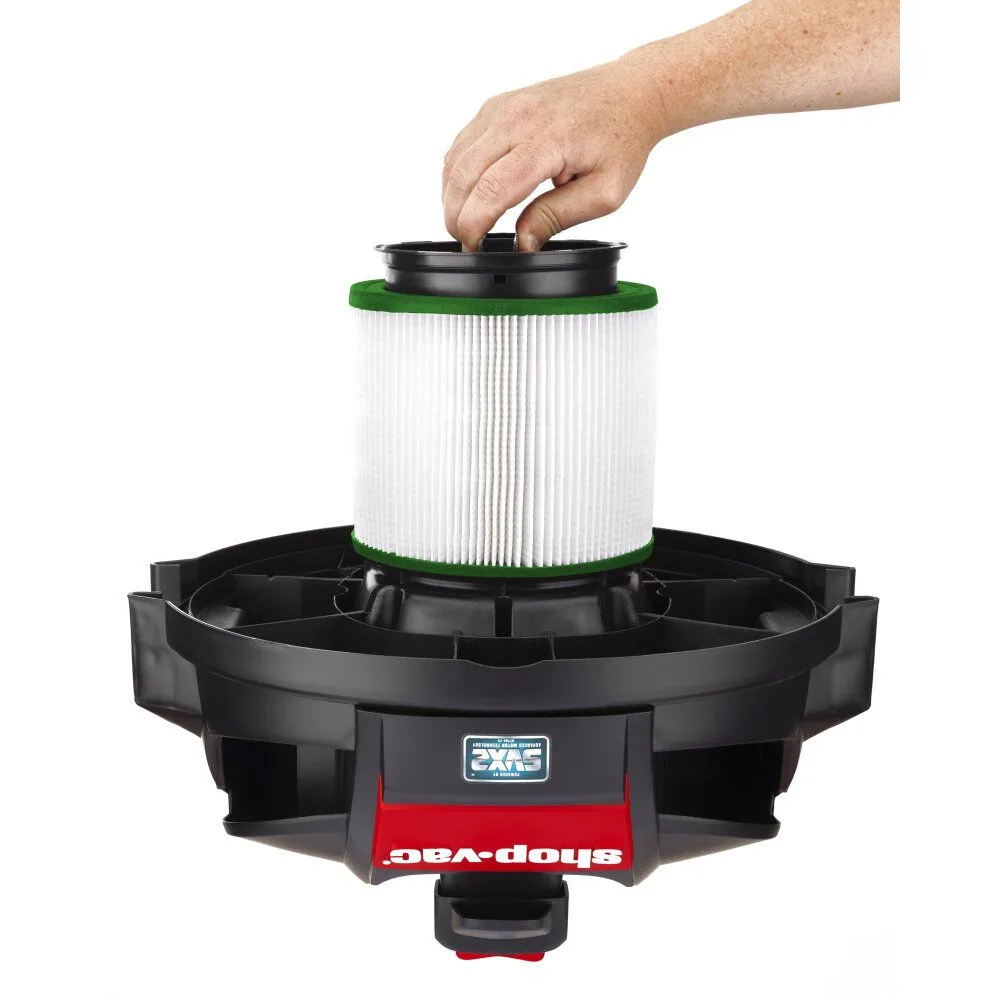
Image source: Web (Bing) / acmetools.com (Web image (fair-use with source credit))
Pre-Clean and Setup
Wipe down the filter cage and check the float valve. Remove any sawdust, drywall dust, or coarse debris that could jam the float. Push the float up by hand.
It should move freely and drop back down.
If your manual calls for a foam filter, rinse it, squeeze it out, and slide it over the cage. Damp is fine. Dripping wet is not.
Wet Mode Configuration
Confirm your setup against your manual.
- Paper or HEPA filter installed? Remove it for wet use and install a foam sleeve if required.
- Foam filter already on the cage? Leave it, but make sure it is clean and fully seated.
- No filter at all? Make sure the cage is bare and free of dry debris.
Picking Up Water the Right Way
Use the wet pickup nozzle that came with your vacuum. It has a flat squeegee edge that scoops up liquid efficiently. Keep it flat against the surface and move slowly.
Watch the tank level. When the float shuts off suction, stop and empty the tank. Do not keep tilting the vacuum to squeeze out extra capacity.
Emptying the Tank and Rinsing the Foam Filter
Most shop vacs have a drain plug near the bottom of the tank. Position the vacuum over a drain or bucket, pull the plug, and let the water flow out.
Rinse the tank with clean water. Then squeeze the foam filter under running water until it runs clear. This is the same care you would give a robotic pool vacuum after heavy use.
Common Mistakes That Ruin Shop Vac Motors
Repair forums and service reports show the same errors again and again. They all trace back to skipping the filter check.
- Leaving the paper cartridge on for wet pickup. It turns to mush and pushes moisture toward the motor.
- Forgetting to remove a full dust bag. A soaked bag collapses and blocks the intake completely.
- Ignoring a stuck float valve. If the float cannot rise, water reaches the motor housing.
- Vacuuming hot ashes before water. Ash mixes with liquid and forms a cement-like paste.
- Letting the tank overfill. The float is a helper, not a babysitter. Watch the fill level.
- Using a regular household vacuum for spills. Its motor is not sealed against water.
A blocked filter cage behaves exactly like a pool vacuum that keeps losing suction. The airflow drops, the motor strains, and performance collapses.
Safety First: Electricity, Water, and Your Own Two Feet
Water and a live electrical appliance create a serious shock risk. Start by plugging the vacuum into a GFCI-protected receptacle. That is the outlet type with the "test" and "reset" buttons.
Check the power cord before you start. Look for cracks, exposed wiring, or chew marks. Water wicks into a damaged cord quickly, and that is how people get hurt.
Keep your hands dry whenever you plug or unplug the machine. OSHA guidance for flood cleanup requires using only equipment rated for wet conditions. If your vacuum does not carry a UL or ETL safety mark, do not use it around water.
Review the official recommendations on the OSHA flood response page.
Maintaining Your Vacuum After Wet Use: Dry It Out or Pay for It
Moisture left inside a vacuum creates rust, mildew, and a smell that never quite leaves. The drying step is the one most people skip, and it is also the one that extends the life of your machine.
Empty the tank, rinse it with clean water, and wipe down the filter cage. Leave the tank upside down for a few hours. The foam filter needs 12 to 24 hours to dry completely on a towel.
Never put a damp foam filter back on for dry use, because it traps moisture against the motor intake.
If you vacuumed dirty water, add a few drops of mild dish soap to your rinse. Avoid harsh cleaners that can damage the seals. A ten-minute rinse now saves you from a rusty tank and a failed switch later.
Frequently Asked Questions
Should I remove the filter from my shop vac to vacuum water?
Yes, if it is a paper or HEPA cartridge filter. Those are dry-only. For wet pickup, either install a foam filter or run filterless, depending on your model.
Always check your manual first.
What happens if I vacuum water with a paper filter?
The paper soaks up water, breaks down, and can clog the motor intake. Even a small amount of moisture can damage the motor windings. Replace the filter if it ever gets wet.
Is it safe to vacuum water with a HEPA filter?
No. HEPA filters are not water-resistant. They can rip, tear, or trap water against the motor.
Remove the HEPA filter and use a foam sleeve or run filterless for liquid jobs.
How do I prevent mildew in my shop vac after vacuuming water?
Empty the tank completely after each use. Rinse it with clean water and a drop of dish soap. Dry the tank and foam filter fully before storing, with the lid open for ventilation.
Can I use my shop vac for wet and dry debris in the same session?
Not without a filter swap. Wet debris and dry dust combine into mud that clogs the filter and hose. Finish dry pickups first, clean the tank, then reconfigure for wet mode.
Decision Guide: Which Filter Setup Is Right for Your Next Spill?
When in doubt, follow this simple rule: dry filters for dry messes, foam or filterless for wet ones. Your manual is the final authority, but this table covers the common cases.
| Your Situation | What To Do |
|---|---|
| Paper or HEPA cartridge in a shop vac | Remove it. Use a foam sleeve if you have one. |
| Foam filter in a wet/dry vac | Leave it on. Rinse it before use. |
| Filterless shop vac | Strip the cage clean and rely on the float valve. |
| Regular household vacuum | Skip it. Grab towels or a wet/dry vac. |
That is the whole trick. Match the filter to the mess, keep the float free, and dry everything out after. Do that, and your vacuum will pull water for years without complaining.

