

Why does my wet/dry vacuum smell like burning? It’s a worrying moment, because a burning smell from any appliance is usually bad news. But in most cases, this one is fixable.
It’s your vacuum telling you that something inside is working too hard, getting too hot, or rubbing the wrong way.
Manufacturer specifications indicate that a wet/dry vacuum relies on forced airflow to keep its motor cool. When airflow drops, heat builds up fast. As of 2026, most shop vacs still use a universal motor with carbon brushes, and those brushes are a common source of that distinctive burnt smell.
Let’s walk through what’s happening and what you should do next.
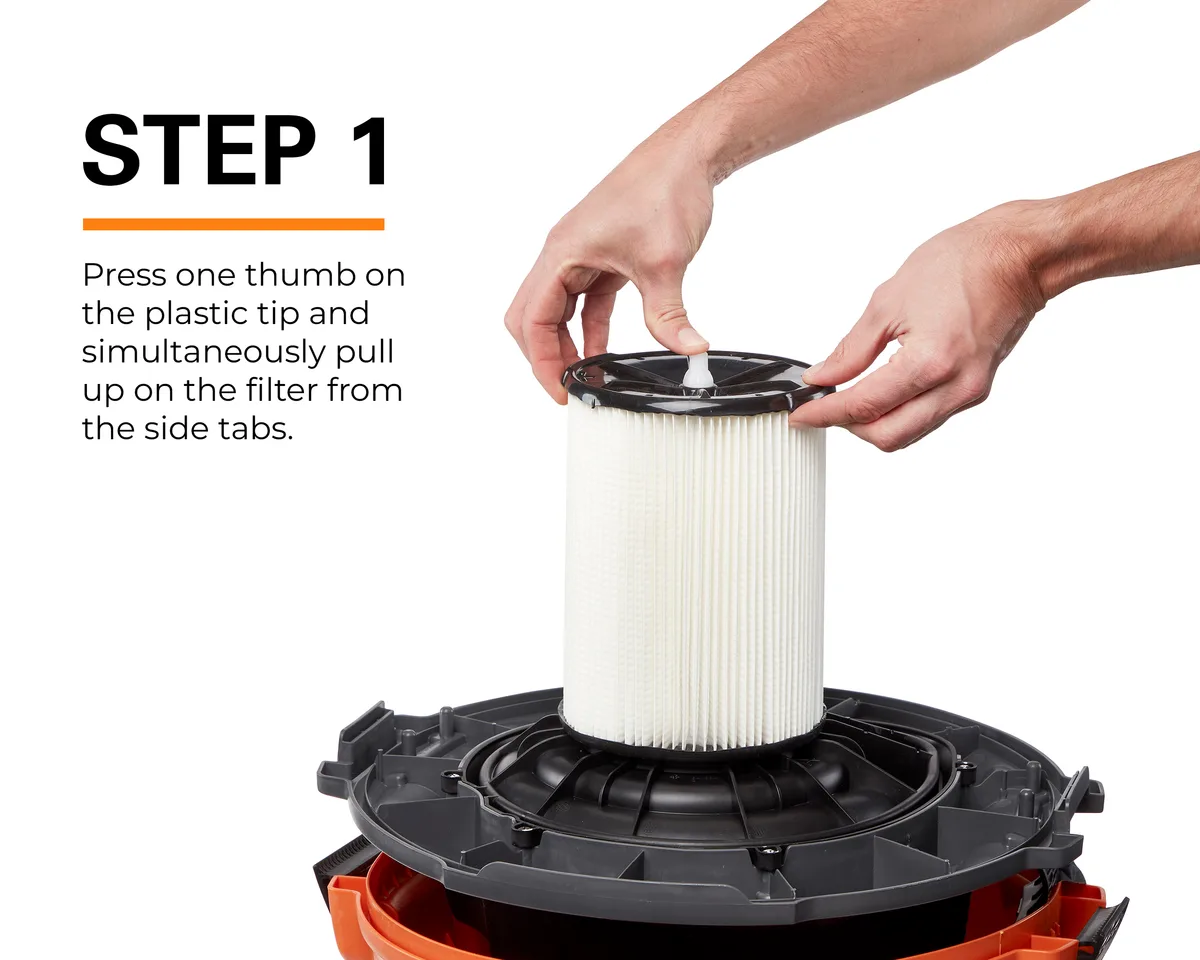
Image source: Bing (Web (fair-use with source credit))
Quick Answer: What That Burning Smell Usually Means
A burning smell from a wet/dry vacuum usually means the motor is overheating. A clogged filter, blocked hose, or debris stuck near the impeller causes it. Worn carbon brushes can also produce a sharp burning odor.
Stop using the vacuum immediately. Unplug it and check the airflow path.
How a Wet/Dry Vacuum Motor Works (and What Overheating Looks Like)
A wet/dry vacuum is a simple machine at heart. The motor spins an impeller, which pulls air through the hose, into the tank, and past the motor before exhausting out the back. That moving air does double duty.
It carries debris, sure, but it also cools the motor windings and the carbon brushes.
The motor in most shop vacs is a universal motor. That’s the same type of motor you’ll find in power tools like circular saws and angle grinders. It spins fast, it’s powerful for its size, and it uses carbon brushes to transfer electricity to the spinning part.
Those brushes are meant to wear down over time. When they get too short, they can spark more aggressively, and that creates heat and a distinct burning smell.
Here’s the key part. If the airflow through the vacuum drops, the motor loses its cooling effect. The tank might look full, the filter might be caked, or the hose might have a blockage.
Regardless, the result is the same. The motor temperature climbs, and before long, you smell something hot.
A thermal overload switch usually trips before the motor catches fire. That’s the little reset button you might have seen on the top of the vacuum. It cuts power when the motor gets dangerously hot.
But the thermal cutoff doesn’t always catch every problem. Worn brushes or a stuck impeller can make smoke before the switch reacts.
That’s why the smell matters. It’s the earliest warning sign you’re going to get. If you catch it early, you’re looking at a simple filter change or a quick cleanup.
If you ignore it, you’re looking at a new motor or an entirely new vacuum.
First Step: Rule Out Danger Before Anything Else
Before you poke around inside the tank, stop and think about electrical safety. A burning smell can come from the motor, but it can also come from the power cord, the switch, or the wiring inside the unit. Those failures are less common, but they’re more dangerous.
Unplug the vacuum immediately. Don’t just switch it off, pull the plug. Then inspect the power cord from end to end.
Look for melt marks, cracked insulation, or a warm spot near the plug. If the cord feels hot or looks deformed, don’t use the vacuum again until the cord is replaced.
Check your extension cord too. If you’re running a 12-amp wet/dry vacuum on a long, thin extension cord, the cord itself can overheat. That’s not a motor problem, but it smells exactly like a motor problem.
Our research shows that undersized extension cords are one of the most overlooked causes of burning smells in shop vacs.
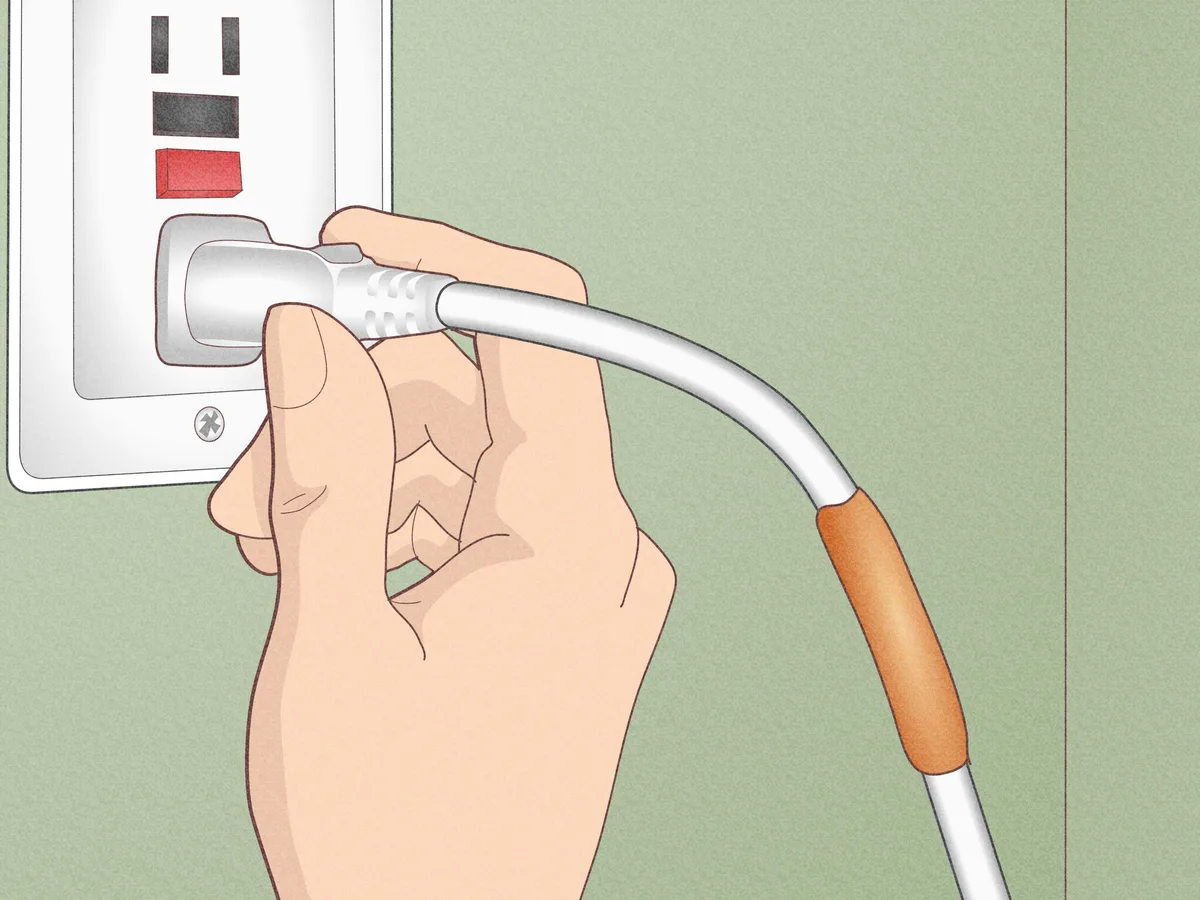
Image source: Web (Bing) / ar.inspiredpencil.com (Web image (fair-use with source credit))
Also check the area around the vacuum. Is there smoke coming from the exhaust port? Can you see sparks through the vents?
If yes, don’t open the motor housing yourself unless you know what you’re doing. A shorted motor can hold a charge even after unplugging. That’s a job for a professional repair shop.
Per Underwriters Laboratories standards, commercial-grade vacuum cleaners undergo strict electrical safety testing. Still, that doesn’t mean a faulty unit can’t fail. If the vacuum is still under warranty, contact the manufacturer instead of opening it up.
Opening the housing can void coverage.
Diagnosing the Burning Smell: A Step-by-Step Decision Workflow
Once you’ve confirmed the cord and plug look fine, it’s time to work through the likely causes. The trick is to let the actual symptoms guide you. Different problems create different signs.
Branch 1: Burning Smell With Normal Suction
If the vacuum still has strong suction but smells hot, the motor itself is likely the problem. The most common culprit is worn carbon brushes. When brushes get short, they arc more heavily and produce a sharp, metallic burning smell.
Another possibility is that the motor bearings are failing. A bad bearing creates friction, which creates heat. You’ll usually hear a grinding, squealing, or whining noise before the smell appears.
If that’s the case, turn the vacuum off and let it cool completely. Running it longer will only damage the motor further.
Branch 2: Burning Smell With Weak Suction
Weak suction plus a burning smell means airflow is restricted. The motor is straining to pull air through a clogged path, and without airflow, it’s overheating. Start with the easiest fixes first.
Check the filter first. A cartridge filter that’s caked with fine dust is the number one cause of airflow restriction. Remove it and hold it up to light.
If you can’t see light through the pleats, it’s clogged. Tap it clean or rinse it, but make sure it’s completely dry before reinstalling.
Then check the hose and the intake port. Use a broom handle or a long stick to push through any blockage. Common causes include a tennis ball, a sock, or a large wood chip stuck right at the bend.
Once the blockage is gone, the smell usually fades.
Branch 3: Burning Smell After Wet Pickup
If you just vacuumed up water and then noticed a burning smell, the issue is moisture. Wet/dry vacuums can handle water, but you need the correct filter setup. A paper cartridge filter that got wet will collapse, block airflow, and bake against the motor.
The motor itself can also get moisture on its windings. That can cause a hot, electrical smell. Let the vacuum sit unplugged in a dry area for at least 24 hours.
Then try it again. If the smell persists after the unit is dry, the motor may be damaged.
Branch 4: Burning Smell With Smoke or Unusual Motor Noise
This is the worst-case branch. Smoke coming from the exhaust, visible sparks, or a sudden loud grinding noise means the motor is failing internally. Stop using the vacuum immediately.
In this scenario, the thermal overload switch may have tripped. Wait 30 minutes for the motor to cool, then press the reset button. If it trips again quickly, the motor has a short or a locked rotor.
That usually means a motor replacement or, in many cases, a new vacuum is more cost-effective.
Where the Smell Comes From: Filters, Carbon Brushes, Debris, and Electrical Parts
Understanding the source of the smell helps you fix the right part. A burning vacuum isn’t just one problem. It’s a category of issues, each with its own signature odor.
Let’s break it down by component.
| Smell | Likely Source | What to Check |
|---|---|---|
| Sharp, metallic burning | Worn carbon brushes | Motor brush holders |
| Acrid, electrical smell | Overheated windings or short | Motor housing, reset button |
| Hot, dusty, dry burn | Clogged filter or blocked airflow | Filter, hose, ports |
| Rubber-like burning | Extension cord or power cord | Cord insulation, plug |
| Musty, damp heat | Moisture in the motor | Tank dry, filter condition |
Filters are the most common cause. A wet/dry vacuum depends on a clean filter to protect the motor from dust and debris. If the filter is torn, worn, or missing entirely, fine particles get pulled straight into the motor.
Those particles build up on the motor windings, acting like an insulating blanket. The motor then overheats and smells like burning dust.
Carbon brushes deserve special attention. They’re small blocks of carbon that press against the motor’s commutator. They conduct electricity to the spinning armature.
Over hundreds of hours, they wear down. As they get shorter, the spring tension weakens, and the brush starts to bounce. That creates sparking, heat, and a very distinct burning odor.
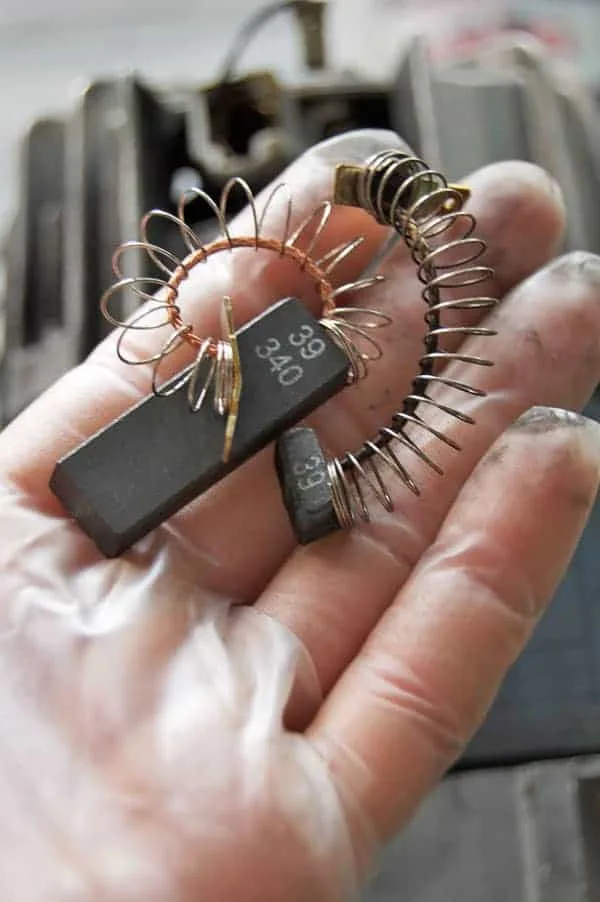
Image source: Web (Bing) / theartofdoingstuff.com (Web image (fair-use with source credit))
Debris near the impeller is another hidden cause. A small screw, nail, or chunk of drywall can get sucked into the fan housing. It gets wedged between the impeller blades and the housing, causing friction.
The motor works harder, the impeller gets hot, and the plastic housing can literally start to smell like burning plastic.
Finally, don’t overlook the simplest possibility. If you used the vacuum to pick up hot ashes, sawdust from freshly sanded wood, or even fine drywall dust, the material itself can smell burnt while it sits in the tank. Empty the tank, clean the filter, and see if the smell disappears.
Sometimes the vacuum is fine. It’s the contents that smell.
Common Mistakes That Cause a Burning Vacuum Motor
Most burning smells trace back to a handful of user errors. The good news is that these are all avoidable. The bad news is that they're also extremely common.
Mistake 1: Using a wet filter for dry pickup. A paper cartridge filter absorbs moisture and swells. It then blocks airflow, causing the motor to overheat. Always swap to a dry filter or a foam sleeve before switching jobs.
Mistake 2: Vacuuming hot ashes or embers. This is a big one. Hot material can ignite the paper filter or melt the plastic tank. Even "cool" ashes can contain smoldering embers for hours.
Use a metal bucket instead.
Mistake 3: Running on a thin extension cord. An undersized cord gets hot and starves the motor of power. That creates the exact scenario we talked about with airflow and heat. Use the shortest, thickest cord you have, ideally 14-gauge or lower for runs over 25 feet.
Mistake 4: Ignoring a clogged filter. A filter packed with fine dust starves the motor of cooling airflow. That's the same reason a pool vacuum that keeps losing suction often runs hot. Tap the filter off if you're in a hurry, but wash or replace it when it's truly caked.
Mistake 5: Forgetting the tank is full. When water or debris reaches the float valve, the float closes off airflow. The motor keeps running but gets zero cooling. Empty the tank before it reaches the shutoff point.
Mistake 6: Running the vacuum for hours straight. Wet/dry vacs aren't built for marathon sessions. Most have a duty cycle of 15 to 30 minutes of continuous use. Then they need a cooldown period.
Check your owner's manual for the specific rating.
Safety Warnings: Fire Risk, Electrical Shock, and What to Never Vacuum
A burning smell isn't just uncomfortable. It's a warning that something could catch fire or shock you.
Never vacuum these materials:
- Hot ashes, embers, or lit cigarettes
- Gasoline, lighter fluid, or solvents
- Corrosive chemicals like battery acid
- Water mixed with flammable liquids
If you've already vacuumed something dangerous, unplug the vacuum and move it outside. Open the tank away from your face and let it air out.
Electrical shock risks: Water and electricity don't mix. When the motor gets wet, the risk of shock spikes. Always unplug the unit before touching the tank or filter.
Never reach into the tank while the vacuum is running.
Fire risk: A locked rotor, a shorted wire, or heavy brush sparking can ignite dust inside the motor. That's why you should never run the vacuum unattended when it smells hot. The [U.S.
Consumer Product Safety Commission](https://www.cpsc.gov) notes that motor overheating is a common cause of appliance fires. Keep a dry chemical fire extinguisher nearby, especially in a workshop.
If the vacuum trips its thermal overload switch, let it cool for at least 30 minutes before resetting. If it trips again immediately, don't play with it. The motor has a serious problem.
How to Fix It: Cleaning, Brushes, and When to Call a Pro
Start with the simple fixes. Most burning smells disappear after a thorough cleanup.
- Unplug the vacuum.
- Empty the tank. Rinse it with water and dry it completely.
- Clean or replace the filter. If the filter is washable, use cool water and let it air dry fully. Never reinstall a damp filter.
- Check the hose and ports. Remove any blockages with a broom handle or flexible wire.
- Inspect the impeller area. Turn the tank upside down and look at the fan blades. Remove debris with needle-nose pliers.
- Press the thermal reset button. If the motor shut off due to heat, this button usually sits on the motor housing.
If the smell continues, the carbon brushes may be worn. Replacing brushes is doable for a skilled DIYer, but it's not for everyone. You need to open the motor housing, remove the old brushes, and match the exact size and shape.
Some motors use brush holders that require specific tools. The same kind of work you'd expect from a professional on units that need expert troubleshooting tips.
When should you call a pro? If you notice smoke, visible sparks, or a burning smell that returns after a full cooldown, stop. A professional repair center can test the motor windings and replace damaged parts safely.
The cost of a motor replacement often runs $60 to $120 in labor and parts, which is why many people simply buy a new vacuum.
But if it's just a clogged filter or a full tank, you can fix that in under five minutes for free.
How to Prevent the Burning Smell From Coming Back
Prevention is about making good habits automatic. Here's a quick maintenance routine to follow.
- Clean the filter after every big job. Dry dust builds up fast. A quick tap or rinse keeps airflow strong.
- Let the filter dry completely before storing. Moisture leads to mold and motor damage.
- Empty the tank when it's about two-thirds full. Don't push it to the float shutoff.
- Use the right filter for the job. Use a foam sleeve for wet pickup and a cartridge filter for dry debris. Never use a wet filter for dry tasks.
- Check the cord and connections regularly. Look for cracks, heat marks, or loose plugs.
- Give the motor a cooldown break. If you've been vacuuming for 20 minutes, let the motor rest for 10.
- Inspect the brushes annually. If you've had the vacuum for years, worn brushes are the most likely cause of that smell.
Just like a pool owner sticks to a robotic vacuum upkeep routine, you need a rhythm for your shop vac. A $20 filter is a lot cheaper than a $150 motor replacement.
Frequently Asked Questions
Can I fix a burning wet/dry vacuum myself?
Often, yes. If the problem is a clogged filter, debris stuck in the hose, or a full tank, you can fix it in minutes. Unplug the vacuum, clean the filter, and clear the blockages.
If the smell persists, it's likely motor-related.
How do I reset the thermal overload switch?
The button is usually a small red or black button on the motor housing. Let the motor cool for 30 minutes. Press the button until it clicks.
Plug the vacuum back in and test it. If it trips again fast, there's a deeper issue.
Is it safe to keep using a vacuum that smells like burning?
No. Turn it off immediately. A burning smell means the motor is overheating or electrical parts are failing.
Continuing to use it risks fire, electrical shock, or permanent damage. The same caution applies to similar vacuum problems like a collapsed hose blocking flow. Always diagnose the cause before using it again.
How long should a wet/dry vacuum motor run before cooling down?
Most models tolerate 15 to 30 minutes of continuous use. After that, the motor needs a cooldown period. Check your owner's manual for the specific duty cycle rating.
The same logic applies to how long you should run any vacuum before letting it rest.
Why does my vacuum smell like burning after vacuuming water?
Moisture likely got onto the motor or the filter got wet. A damp paper filter collapses and restricts airflow. Let the vacuum dry out for 24 hours, replace the filter if needed, and make sure you use a foam sleeve for wet pickup.
What's the difference between a burnt dust smell and an electrical burning smell?
Burnt dust smells like scorched sawdust or overheated paper. It usually comes from a clogged filter. An electrical burning smell is sharper and more acrid.
It points to worn brushes, overheated windings, or shorted wiring. That's a more serious problem.
Final Decision Guide: Repair vs. Replace
If the burning smell came from a clogged filter or a full tank, just clean it and move on. That’s a free fix. If the motor itself is smoking, tripping the reset repeatedly, or making grinding noises, a repair often isn’t worth it.
Motor replacement parts usually run $60 to $120 in labor and components. A new mid-range wet/dry vacuum costs around $80 to $150. Unless your unit is a high-end model with a powerful motor or large tank capacity, replacement is the smarter call.
Your final check is simple. Ask yourself how old the vacuum is. If it’s under three years and the problem is just brushes or debris, fix it.
If it’s older, has seen heavy use, and the motor smells burnt, put that money toward a new one. You’ll get better airflow, a fresh warranty, and no lingering smoke smell in your workshop.

