

If you've ever had a water heater let go or a basement take on rain, you know the scramble. What is the best shop vacuum for water? In most cases, it's a wet/dry shop vac with a removable paper filter, a working float valve, and a drain port.
Those three features matter more than brand or sticker price.
As of 2026, most consumer wet/dry vacs draw 5 to 12 amps and come in tank sizes from 2 to 16 gallons. But the actual wet capacity usually runs two to three gallons lower than the box says. That difference matters when water is creeping toward your storage boxes.
Let's walk through what separates a great water hog from a frustrating one.
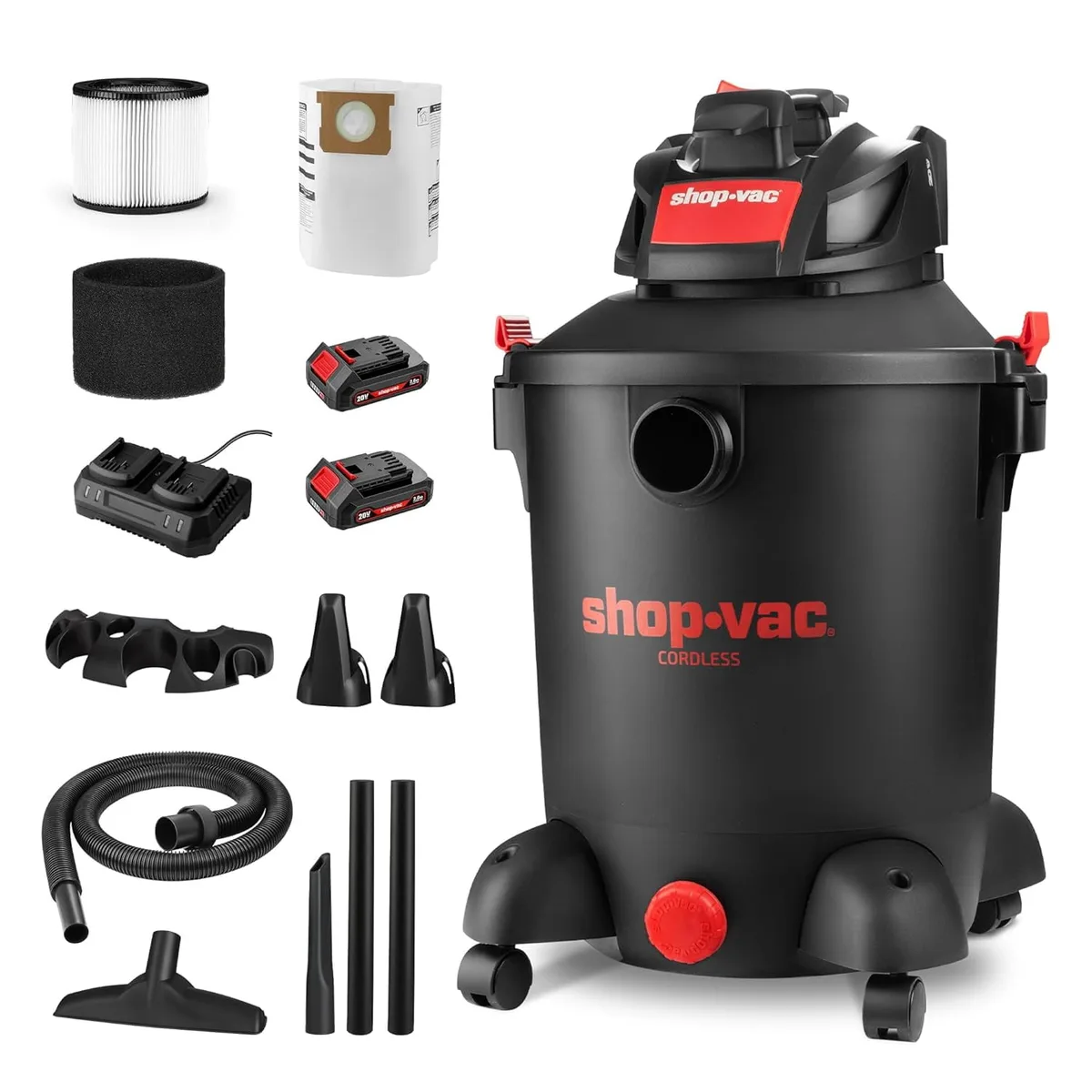
Image source: Web (Bing) / walmart.com (Web image (fair-use with source credit))
Quick Answer
The best shop vacuum for water is a corded 10-gallon wet/dry model. Look for a stainless steel tank, a drain port, and a 2.5-inch hose. The float valve and foam wet filter are must-haves.
This combo moves water fast, empties easily, and stays reliable. For most homes, that size offers the best balance of suction, capacity, and price.
Why a Shop Vac Is the Go-To Tool for Water Cleanup
A shop vacuum isn't just for sawdust. Its wet/dry design lets you pick up water, mud, and small debris without wrecking the motor. That makes it the first tool most people grab when water appears where it shouldn't.
A standard household vacuum routes air through a bag, and water destroys that bag and the motor. A wet/dry vac pulls water straight into a sealed tank where it collects until you empty it. The motor stays protected by a float valve that shuts off airflow when the tank is full.
So how does it stack up against other methods?
- Towels and mops work for small spills, but they soak through fast.
- A utility pump moves gallons per hour, but it can't handle shallow water.
- A carpet extractor is great for upholstery but expensive.
- A shop vac handles a toilet overflow or a minor flood and then goes back to dry duty.
For most people, a shop vac is the right call. It's portable, affordable, and already in many garages. If you've ever dealt with a pool cleaner that suddenly loses all pickup, the same blockage checks apply to shop vac hoses and filters.
First, Understand What "Water Pickup Ability" Actually Means
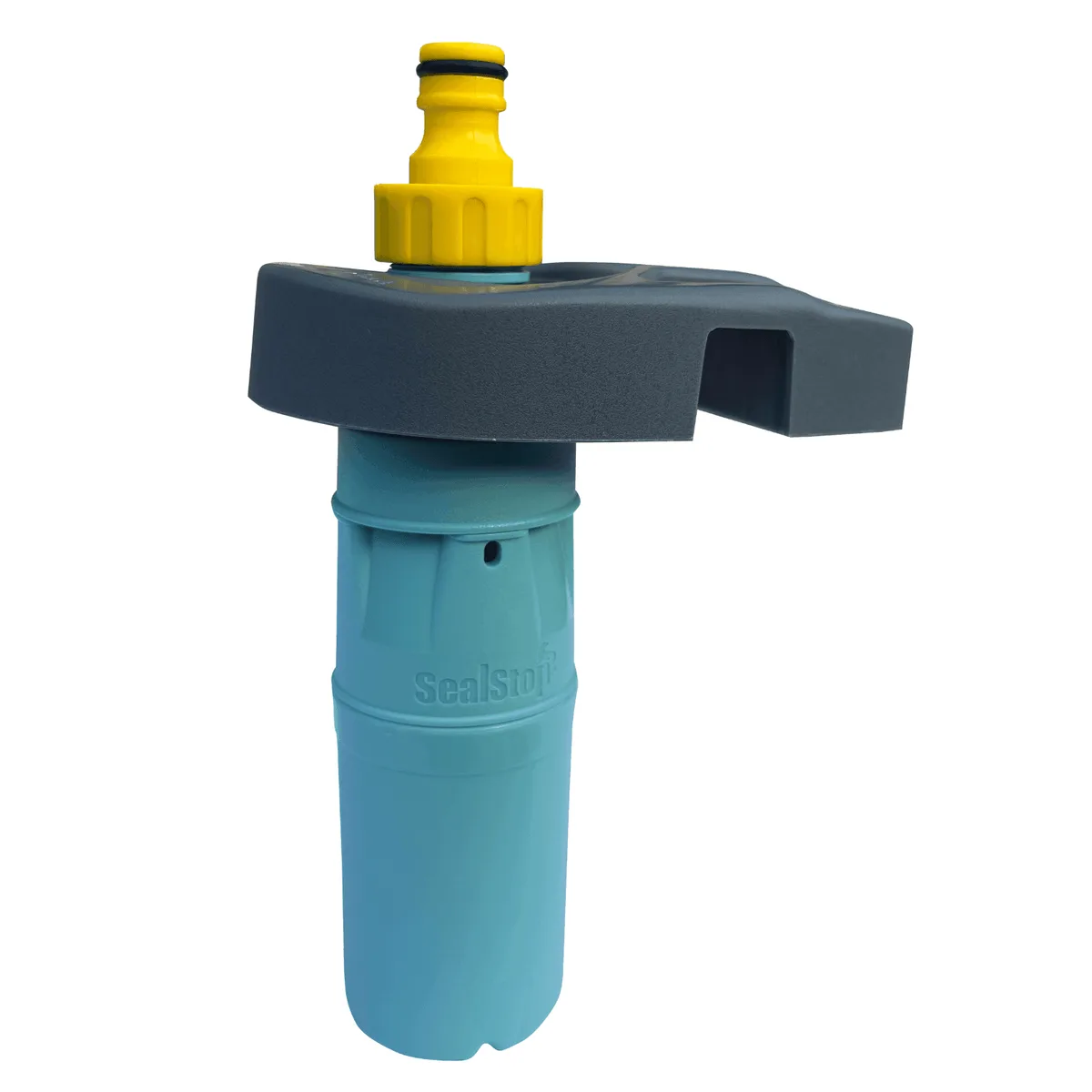
Image source: Web (Bing) / cleanfreak.com (Web image (fair-use with source credit))
The capacity number on the box can mislead you. A 10-gallon shop vacuum won't hold 10 gallons of water. Here's why: the float valve, a small ball or cage near the suction inlet, shuts off the vacuum when water hits a certain level.
That prevents water from entering the motor, but it also stops pickup a few inches below the top.
So a 10-gallon tank might have a real wet capacity of 7 or 8 gallons. That's why manufacturers list "wet capacity" separately on spec sheets. It's the number that actually matters.
The other critical piece is the filter setup. Dry shop vacuums use a pleated paper cartridge to trap dust. That filter cannot get wet.
If you run water through it, the paper turns to mush.
To switch to wet mode, remove the paper cartridge and install a foam sleeve over the filter cage. The foam catches large debris but lets water pass through and fall into the tank. If your hose bends or collapses during suction, the same airflow problem happens with hoses that fold under load.
Keep the hose as straight as possible, and choose a wider hose for better water flow.
What to Look for in a Wet Shop Vac
Not every wet/dry vac is equally good at water pickup. Here's what separates a solid tool from a frustrating one.
Tank size and actual wet capacity. Go bigger than you think you need. A 5-gallon vac handles a sink overflow, but a 10-gallon or 12-gallon model gives you breathing room during a basement seep. Check the wet capacity number, not just the drum size.
Hose diameter. A 2.5-inch hose moves water far faster than a 1.5-inch one. The wider hose also resists clogs from small debris in floodwater. If you're mostly cleaning spills, 1.5 inches is fine.
For real water emergencies, go wider.
Drain port. This sounds small until you lift 8 gallons of water. A tank with a drain valve lets you empty it by unscrewing a cap. On bigger models, you can often attach a garden hose and drain directly outside.
Corded vs cordless. Corded models deliver consistent suction for hours. Cordless ones are convenient but usually tap out after 15 to 25 minutes under load. For serious water cleanup, corded is the safer bet.
Filter system. Look for a vac where the wet filter sleeve slides on and off easily. Some models have a tool-free filter cage, which matters when you're switching between wet and dry jobs in a hurry.
Accessories. A squeegee nozzle is the key attachment for water on hard floors. A crevice tool can't match it. Also check if the unit includes a dust brush and a blower port.
Tank material. Stainless steel resists rust and odors better than plastic. It's heavier, but it lasts longer in a damp garage. Polypropylene tanks are fine for occasional use and much easier to carry.
The Real-World Breakdown: Best Wet Shop Vacs by Category
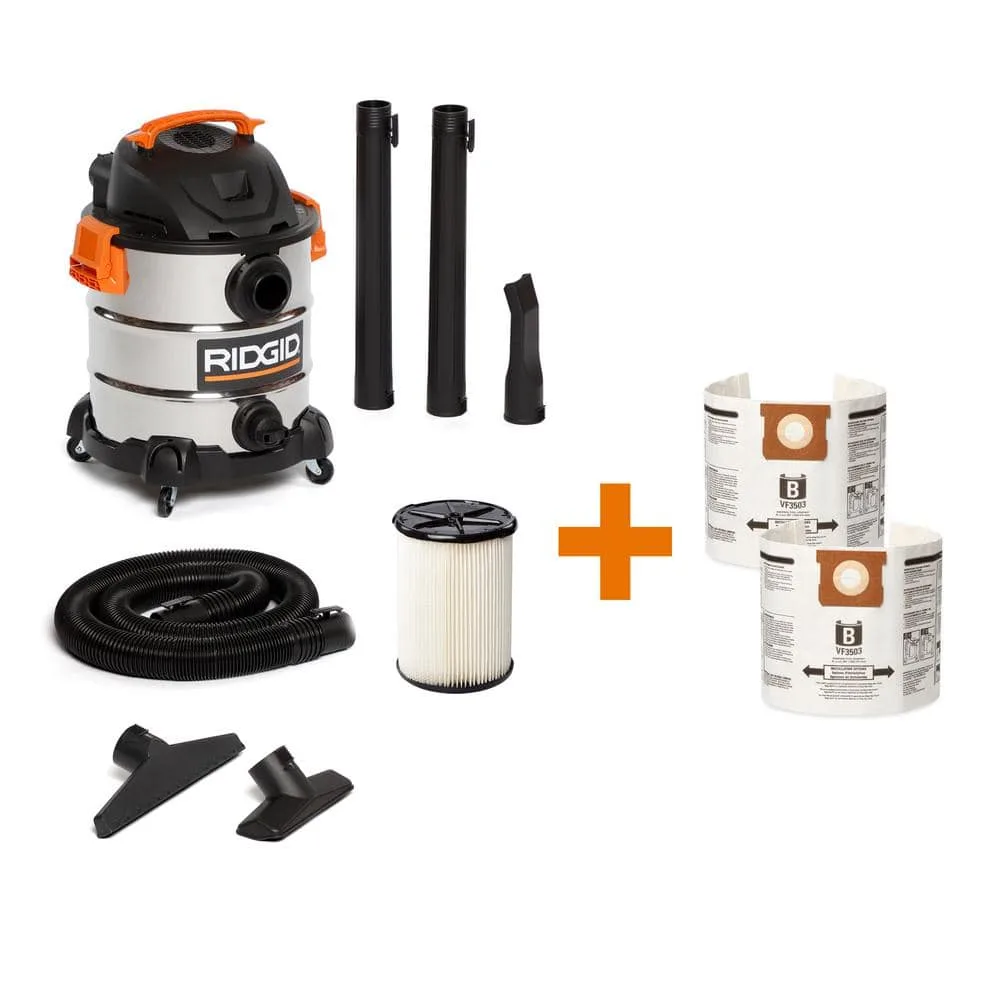
Image source: Web (Bing) / sansujyuku.com (Web image (fair-use with source credit))
This isn't about one perfect model. It's about matching the vac to your specific cleanup situation. Based on manufacturer specs and verified buyer feedback, here's how the market breaks down.
Best Overall for Most Homeowners
The 10-gallon stainless steel class is the sweet spot. Ridgid's 10-gallon models consistently pull strong ratings. They offer around 100 CFM of airflow and about 60 inches of water lift.
That's enough for a flooded laundry room or a burst supply line. The built-in drain port and a 2.5-inch hose make the job faster. Check current specifications on Ridgid's official site.
Expect to pay between $120 and $180.
Best Budget Pick
If you only face occasional spills, a 5-gallon or 6-gallon vac from Shop-Vac or Craftsman gets the job done. You give up some capacity, but you keep the essentials: a foam wet filter, a float valve, and a squeegee attachment. Many sell for under $70.
They're also lighter and easier to carry up and down stairs.
Best for Big Water Jobs
For a flooded basement, go big. A 14-gallon or 16-gallon model with a 2.5-inch hose moves water fast. The wider hose picks up more water per sweep, cutting your time significantly.
Some models offer a drain that hooks to a garden hose, so you can pump water outside without lifting the tank. These are heavier and pricier, usually $150 to $250, but they're the right tool for major water intrusion.
Best Cordless for Quick Spills
Cordless wet/dry vacuums have improved a lot. DeWalt and Milwaukee both make cordless models that share batteries with their power tool lines. They sacrifice runtime and some suction for portability.
They're perfect for clearing a dehumidifier pan or a sink overflow where dragging a cord is a hassle. Just clean and dry the foam filter afterward, or you'll have mildew next time.
Best for Cars and Tight Spaces
A 2-gallon or 3-gallon mini wet/dry vac fits behind a car seat and handles seat spills, trunk leaks, and pet messes. These compact units have shorter hoses and smaller tanks, but they're far easier to maneuver. They're also cheap enough to keep in a truck or RV without worrying about theft.
Side-by-Side Spec Comparison
Here's a quick reference table based on representative 2026 model lines. Use it to narrow down your options before reading individual reviews.
| Model Type | Tank Size (gal) | Wet Capacity (gal) | Airflow (CFM) | Hose Size (in) | Price Range | Best For |
|---|---|---|---|---|---|---|
| Budget 6-gal | 6 | 4.5 | 70 | 1.5 | $50 to $80 | Small spills, cars |
| Mid-size 10-gal | 10 | 7.5 | 100 | 2.25 | $100 to $180 | Home floods, garage |
| Large 14-gal | 14 | 11 | 140 | 2.5 | $150 to $250 | Basement floods |
| Cordless 3-gal | 3 | 2 | 50 | 1.5 | $100 to $200 | Quick pickup, portability |
| Contractor 16-gal | 16 | 13 | 120 | 2.5 | $200 to $300 | Job sites, heavy use |
These numbers are typical across major brands, but always verify the specific model. The one number you shouldn't skip is wet capacity. That tells you how many trips to the drain you'll actually make.
The Right Way to Use a Shop Vac on Water
Using a wet/dry vac on water isn't complicated, but the setup matters. Get it wrong, and you'll ruin a filter or stall suction mid-job.
- Remove the paper filter. Store it in a dry place. Water will destroy the pleated cartridge.
- Install the foam sleeve. Slide it over the filter cage. Make sure it's snug and covers the whole cage.
- Check the float valve. It should move freely. Debris can jam it, which stops the vacuum from shutting off.
- Attach the right nozzle. A squeegee attachment works best on flat floors. For carpet, use a wide floor nozzle.
- Work in overlapping passes. Move slowly so the vacuum captures water before it spreads.
- Listen to the pitch. When suction climbs and the motor sounds strained, empty the tank.
- Drain before it's full. Use the drain port or lift the tank carefully. Water is heavy.
The same cleaning logic applies to other wet equipment. A robotic pool cleaner works the same way: keep the filter clear and suction stays strong.
Mistakes That Ruin Shop Vacs During Wet Use
A few common mistakes turn a good shop vac into a smelly paperweight. Avoid these.
- Forgetting to remove the dry filter. Wet paper filters disintegrate and send debris into the motor.
- Letting the float valve clog. Sawdust and leaves can trap it. Check it before every wet job.
- Vacuuming soapy water. Suds trigger the float early, and you'll stop picking up water long before the tank is full.
- Using an undersized extension cord. A cord rated for less than the vacuum's amp draw causes voltage drop, which reduces suction.
- Vacuuming near live outlets or standing water. Never operate the vacuum while you're standing in water. Use a GFCI-protected outlet.
- Skipping the rinse. Leaving wet debris inside the tank breeds mildew fast.
If you're dealing with floodwater that may contain sewage or chemicals, treat it as contaminated. The CDC's flood cleanup guidance and EPA's mold prevention resources are good starting points. Wear rubber boots and gloves, and ventilate the area.
Maintenance After a Wet Job
The job isn't over when the water's gone. A few minutes of cleanup keeps the vacuum fresh and ready for the next mess.
- Rinse the tank with clean water after each use.
- Wash the foam sleeve with mild soap and water.
- Dry the tank completely with the lid off.
- Wipe down the hose and let it drain.
- Clean the float valve and filter cage with a brush.
- Store the dry paper filter back in place for the next dust cleanup.
This routine also extends the life of the motor. Grime left in the tank can creep into seals and wear them out. If you're used to keeping other vacuums in good shape, this will feel familiar.
Shop Vac vs. the Alternatives
Sometimes a shop vac isn't the right tool. Here's how it compares when the water gets serious.
- Shop vac vs utility pump. A pump handles deep standing water in a crawl space or sump pit. A shop vac is better for thin layers and tight spaces.
- Shop vac vs carpet extractor. An extractor injects cleaning solution and pulls it back, so it's better for upholstery and stained carpet. A shop vac only removes water.
- Shop vac vs wet vac. A small hand wet vac is convenient for spot spills, but it can't handle gallons of water.
- Shop vac vs restoration crew. If water has soaked drywall, insulation, or flooring, call a professional. A shop vac can't fix structural moisture.
Frequently Asked Questions
Can you vacuum water with any shop vac?
No. Only wet/dry shop vacuums are built for water pickup. Standard home vacuums route air through bags or filters that water destroys.
Check the label. If it doesn't say wet/dry, keep it away from water.
Why is my shop vac blowing water out of the exhaust?
That usually means water reached the motor. The float valve failed, or it got jammed by debris. The foam filter may also be missing or installed incorrectly.
Turn it off immediately, dry everything, and inspect the float before using it again.
How do I get the mildew smell out of my shop vac?
Wash the tank with warm soapy water. Rinse the foam sleeve or replace it if it's stained. Dry the tank with the lid off for a day.
You can also wipe the inside with diluted white vinegar to kill odors.
Can I vacuum up water with a HEPA filter installed?
No. A HEPA filter is a dry-use filter. Water will ruin it quickly.
Remove it and install the foam wet sleeve before any water pickup. Keep the HEPA filter stored dry for dust jobs.
How much water can a 10-gallon shop vac actually hold?
Most 10-gallon models hold between 7 and 8 gallons before the float valve shuts off suction. The advertised size is dry volume. Always check the wet capacity spec on the box or product page.
The Bottom Line
The best shop vacuum for water is the one that fits the job you face most often. For most people, that's a corded 10-gallon model with a drain port, a 2.5-inch hose, and a reliable float valve. If you only face rare spills, a budget 6-gallon vac is enough.
If you've got a real flood risk, step up to a 14-gallon or larger unit.
Whichever you choose, the setup is the same: remove the dry filter, add the foam sleeve, check the float, and keep the tank clean. Do that, and your shop vac will handle water duty for years. That's a tool worth having ready before the next spill finds you.

