

Can a wet/dry vacuum clean upholstery? Yes, it absolutely can, with a few important conditions. Your shop vac is excellent at pulling up fresh spills and embedded dirt, but use it wrong and you risk water rings, soap residue, or a moldy couch.
Get it right and you'll never need to rent an extractor again.
As of 2026, most mid-size wet/dry vacuums produce between 50 and 200 CFM of airflow. That's more than enough suction for upholstery, provided you use the right filter and attachment. The trick is matching the machine to the fabric.
Let's break down exactly how to do that without wrecking your furniture.
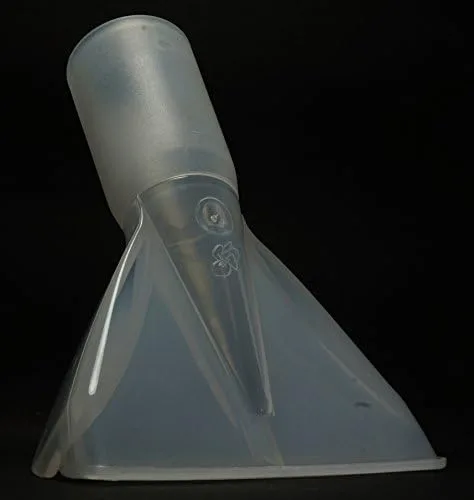
Image source: Web (Bing) / amazon.in (Web image (fair-use with source credit))
Quick Answer: Yes, But Only If You Play It Smart
Yes, but only if you play it smart. Wet/dry vacuums handle liquid spills, pet hair, and surface dirt beautifully. Deep cleaning is a different story, so set expectations.
Use the machine for emergency extraction, routine fabric care, and light stain treatment. Keep it away from leather, suede, and anything with an "X" care code. That rule alone prevents most DIY upholstery disasters.
What a Wet/Dry Vac Actually Does to Upholstery (And What It Doesn't)
Think of a wet/dry vacuum as a powerful drinking straw. It pulls liquid and loose debris into a tank, but it doesn't spray. It doesn't scrub.
It doesn't deep-condition.
Here's what a shop vac does really well:
- Lifts fresh spills before they sink into the cushion foam
- Removes pet hair and surface grit from woven fabrics
- Extracts moisture after you've treated a stain with a cleaning solution
- Pulls water out of car seats and small furniture pieces
Here's what it can't do:
- Break down bonded soil inside cushion padding
- Sanitize bacteria or neutralize odors on its own
- Remove old oil-based stains that have already cured into the fibers
That extraction power is still valuable. It's the same physical principle professional restorers use. Professional cleaners follow the IICRC's upholstery care standards, which center on a simple sequence of agitation, extraction, and dry time.
A wet/dry vac handles the extraction side well, but it needs help with agitation and the right solution.
If your machine's suction fades mid-job, check the filter before anything else. A clogged filter is the most common cause, and that problem is usually easy to fix with a quick rinse. The same troubleshooting that helps restore lost airflow on other rigs applies here.
The First Decision: Read the Fabric Care Code (W, S, WS, X)
Every upholstered piece sold in the United States has a care tag. That's not optional. The Federal Trade Commission's care labeling rule requires it.
The tag tells you which cleaning method is safe, and ignoring it is how upholstery nightmares start.
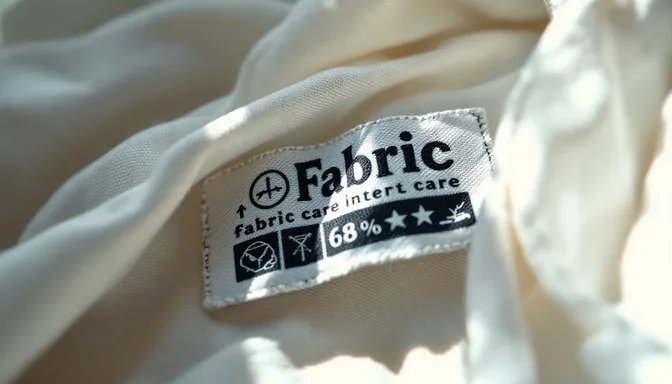
Image source: Bing (Web (fair-use with source credit))
| Code | Meaning | What you can do |
|---|---|---|
| W | Water-based cleaners are safe | Dilute detergent plus water, then extract with wet/dry vac. |
| S | Solvent-only cleaning | Water will leave permanent stains. Use dry cleaning solvent or vacuum only. |
| WS | Water and solvent are both safe | Pick your method based on what you have on hand. |
| X | Professional cleaning only | Do not wet or shampoo at home. Vacuum lightly and call a pro. |
If the tag is faded or missing, test an inconspicuous corner with a mist of water and blot with a white cloth. Wait a few minutes to see if any dye bleeds. If the color transfers, stop.
Spotting Problem Fabrics: What to Never Vacuum Wet
Some fabrics repel moisture beautifully. Others collect it like a sponge and reward you with wrinkles, stains, or peeled backing. Here's the short list of fabrics that should never meet a wet/dry vac:
- Leather and faux leather. Water soaks into the surface, stiffens it, and can crack the finish. Dry vacuum and conditioner only.
- Suede. Water creates spotting that can't be brushed out.
- Velvet and velour. The pile can crush under suction, and water leaves permanent crushing.
- Silk or rayon blends. They shrink, discolor, and crush easily.
- Antique or hand-dyed fabrics. Dye bleed can drain straight from the fabric into the water you're extracting.
- Unbacked, flat-weave cottons. Water sits in the weave and fades dye lines.
What about cushions and foam? If you're dealing with upholstered foam cushions, beware. Foam is porous and will absorb liquid fast.
Water trapped deep in the cushion can take days to dry, and that's a recipe for mildew.
Also watch for layered fill. When a couch has a thin fabric cover over foam, suction can drive water deeper into the padding instead of lifting it out. Press lightly on these pieces to avoid pushing moisture further down.
What You Need: Attachments, Filters, and Cleaning Solutions
You don't need a fancy machine to clean upholstery. A basic wet/dry vac, the right filter, and one or two attachments will get you through most jobs. Here's the full shopping list.
| Tool | Why you need it | Where to find it |
|---|---|---|
| Foam sleeve filter (wet pickup) | Lets liquid pass into the tank without ruining the motor | Usually included with the machine |
| Upholstery nozzle / wide brush | Covers more surface area without grinding the fabric | Often in the base kit or sold separately |
| Crevice tool | Gets into seams, edges, and cushion gaps | Included with most models |
| Soft brush attachment | Loosens dried stains and pet hair before extraction | Sold in attachment kits |
| Fabric-safe cleaner | Breaks down oils and stains that water alone can't lift | Spray bottles from grocery or auto stores |
| Clean white towels | Blot and dry fabric slightly after extraction | Laundry room |
One important note: if your vacuum has a disposable paper bag installed, remove it before any wet work. The paper disintegrates and clogs the motor's vent. Swap in a foam sleeve filter instead.
The same filter-care routine that keeps robotic pool vacuums running well applies here.
Use the crevice tool for seams and edges, but make sure the hose stays straight as you work. A kink kills suction immediately. The same thing happens when pool vacuum hoses collapse, regardless of the brand.
After any wet job, clean the tank right away. Rinse it, wipe down the seals, and hang the foam filter to dry. That quick routine prevents mildew and keeps the machine ready for the next emergency.
It's the kind of simple upkeep that extends vacuum life.
A quick note on cordless models. Some cordless wet/dry vacs work fine for spot cleaning, but their small tanks fill fast and suction drops in seconds. For a whole couch, the corded option is nearly always the better way to go.
Step-by-Step: How to Safely Clean a Couch with a Wet/Dry Vac
The right method comes down to one simple question: what are you cleaning? Fresh spills, dried stains, and routine dust all need different approaches. But a few steps stay the same every single time.
Start with a dry pre-vacuum. Run the upholstery nozzle over the entire surface to pull up hair, crumbs, and loose dirt before any liquid touches the fabric. Skipping this step just pushes dirt deeper into the fibers.
Swap your filter before anything wet. Remove the paper filter and install the foam sleeve designed for wet pickup. This is not optional.
A paper filter will burn out the motor almost instantly.
Always test a hidden spot. Spray a small amount of cleaner on an inconspicuous corner and blot with a white towel. Wait ten minutes.
If any dye transfers, stop there.
Branch 1: Liquid Spill (Emergency Water Extraction)
Fresh spill on a "W" fabric? Act fast. Time is your enemy here because liquid wicks horizontally through cushion foam.
Start by grabbing the cleanest edge of the mess and blotting with dry towels to absorb what you can. Then switch the vacuum to wet mode and use the crevice tool or a wide nozzle set to gentle suction.
Don't press hard. Glide the nozzle over the surface slowly and let suction do the work. For a soaked cushion, flip it upright and extract from the top.
Then flip it over and do the other side to draw liquid back out.
Finish with airflow. Point a fan at the area and leave the cushion standing on edge to dry. Most woven fabrics dry in 6 to 12 hours with good ventilation.
If it's still damp after 24 hours, mold risk climbs fast.
Branch 2: Dried Stains and Pet Accidents (Wet Extraction with Rinsing)
Once a stain sets, dry vacuuming alone won't lift it. You'll need a three-stage process: spray, agitate, extract.
Spray the stain with a fabric-safe upholstery cleaner. For pet accidents, use an enzyme-based cleaner. Let it dwell for five to ten minutes so it can break down the proteins and oils.
Agitate gently with a soft-bristle brush. This loosens the dried soil from the fibers. Don't scrub aggressively.
That frays the fabric and spreads the stain.
Extract with the wet/dry vac, using overlapping passes. Then follow with a plain water rinse. Spray clean water over the same spot and extract again.
That rinse is critical because leftover cleaner acts like a magnet for future dirt.
Branch 3: Everyday Dirt and Pet Hair (Dry Vacuum Only)
Most couches need this branch far more often than they need wet cleaning. If there's no visible stain and no smell, put the wet filter away and use dry vacuuming.
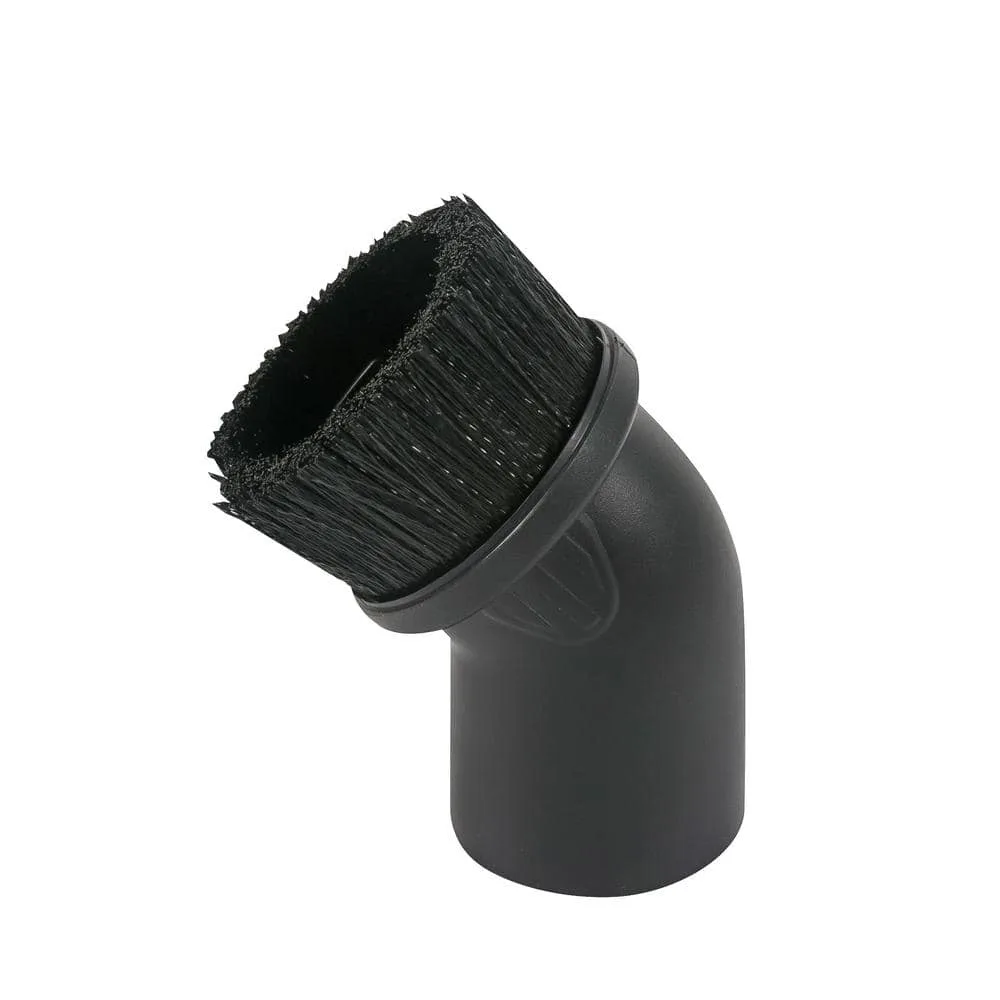
Image source: Web (Bing) / homedepot.com (Web image (fair-use with source credit))
Attach a soft brush nozzle to loosen embedded hair and dust. Work in slow, overlapping stripes. This is the safest possible method for any fabric, including "S" and "X" fabrics that should never get wet.
For seams, armrests, and the base edge, switch to a crevice tool. Pay special attention to the gap between the back cushion and the frame, where crumbs collect.
Vacuuming upholstery once a week keeps allergens down and slows abrasive wear from grit. It also means wet cleaning becomes a rare emergency instead of a monthly chore.
Common Mistakes That Ruin Upholstery (And How to Avoid Them)
Most upholstery damage doesn't come from the vacuum itself. It comes from operator error. Here are the most common slip-ups and the simple fix for each.
- Leaving the dry filter in. This kills the motor and scatters dust everywhere. Always swap to the foam sleeve for wet jobs.
- Saturating the fabric. A soaked cushion takes days to dry and can mildew. Use less cleaner than you think you need. You can always add more.
- Skipping the rinse step. Soap residue left in the fibers attracts dirt, leaving rings even after the stain is gone. Always rinse with plain water.
- Pressing down hard with the nozzle. That forces liquid deeper into the padding. Keep the nozzle gliding lightly over the surface.
- Using water on an "S" fabric. Even a small amount leaves a permanent watermark. Check the code first, every single time.
- Ignoring the drying phase. Cushions left to air dry slowly in a dark room develop mildew odor. Use fans and open windows to speed things up.
- Cleaning leather with a wet/dry vac. Water stiffens leather and cracks the finish. Dry vacuum only.
If suction drops mid-job, stop and check the filter. A soapy foam filter clogs quickly, so keep a clean one ready if you're cleaning a full couch.
Wet/Dry Vac vs. Carpet Extractor vs. Steam Cleaner: Which Do You Actually Need?
If your couch needs deep cleaning every few months, a wet/dry vac might not be enough. That depends on what "deep" means to you.
| Tool | What it does | Best for |
|---|---|---|
| Wet/dry vacuum | Extracts liquid and loose dirt | Spills, pet hair, routine fabric care |
| Portable carpet extractor | Sprays cleaner, scrubs, and extracts | Embedded stains and odor treatments |
| Steam cleaner | Uses hot vapor to loosen grime | Sanitizing hard surfaces, not fabrics |
A wet/dry vac wins for emergencies and regular upkeep. It's fast, cheap, and already in most garages. An extractor is the right call for set-in stains on "W" fabrics.
It sprays a consistent mist of cleaner and extracts it back out, which keeps fabric from getting oversaturated.
Steam cleaners are a poor choice for upholstery. The heat can damage synthetic fibers and glue-backed fabrics. Use them on tile, glass, and sealed surfaces instead.
If you're still deciding whether the extra cost of an extractor makes sense, think about how often you'll use it. The logic mirrors how owners weigh the value of an automated pool cleaner before buying one. For occasional use, a wet/dry vac plus a hand brush gets you 90% of the way there.
Real-Life Examples: Spills, Pet Messes, and Car Seats
A red wine spill on a cotton cushion. Someone sets a glass down, the dog bumps the table, and wine sinks into the fabric. Acting within five minutes, brushing the area lightly with a soft brush and then extracting with a wet/dry vac removes nearly all the liquid.
The residual moisture dries in eight hours with a fan blowing on it. No stain, no smell.
A pet accident on a polyester recliner. The urine had dried by the time it was discovered. An enzyme cleaner was sprayed on the spot and left to sit for fifteen minutes.
After agitating with a brush and extracting twice with the vacuum, then rinsing with plain water, the odor was gone. The key was the rinse step, it prevented residue from attracting future dirt.
A car seat with months of tracked-in dust. The front seat fabric looked gray. Using a soft brush attachment on a dry wet/dry vac, the surface lifted enough dust to visibly lighten the fabric in a single pass.
This is the most satisfying use case because there's no risk of water damage. Just vacuum, check the tag, and move on.
How Much This Costs: Attachments, Filters, and Cleaners
You likely already own the wet/dry vac. If not, entry-level models run $30 to $100. The rest of the gear is affordable.
| Item | Typical price range |
|---|---|
| Upholstery attachment kit (brush + crevice tool) | $10 to $30 |
| Foam sleeve filter (wet pickup) | $5 to $15 |
| Fabric-safe upholstery cleaner | $5 to $15 |
| Enzyme cleaner for pet stains | $8 to $20 |
| Spare paper filter (dry use) | $5 to $12 |
A basic kit for upholstery cleaning totals under $50. That's a fraction of what a rental extractor costs per day. The only ongoing expense is cleaning solution, and a $10 bottle handles several couch treatments.
If you already own a machine, the cheapest route is buying a foam filter and a soft brush. You can also use plain water for light cleaning. That works fine for freshening fabric without chemicals.
Frequently Asked Questions
Can a wet/dry vacuum damage upholstery?
Yes, but only if you use the wrong filter, too much suction, or water on an "S" fabric. Always check the care code first. Glide the nozzle lightly and use the foam sleeve filter for wet jobs.
Never push down hard, because suction can crush foam padding.
What is the best attachment for cleaning a couch?
A wide upholstery nozzle with soft bristles works best. It covers more surface area and protects the fabric. Use a crevice tool for seams and edges where crumbs collect.
A soft brush attachment also helps loosen pet hair before extraction.
Can I use a wet/dry vacuum on leather?
For dry vacuuming only. Never use water or extraction on leather. Moisture stiffens the hide and cracks the finish.
Use a dry brush attachment and a leather conditioner instead. If you spill liquid on a leather couch, blot it with towels and let it air dry.
How long does upholstery take to dry after wet vacuuming?
Most woven fabrics dry in six to twelve hours with good airflow. Use a fan and lift cushions off the frame to let air circulate. If the fabric is still damp after 24 hours, mold risk rises.
In humid weather, a dehumidifier speeds up the process.
Do I need to use a cleaning solution, or is water enough?
Water works for light soil and rinsing residue. For set-in stains, pet accidents, and odors, use a fabric-safe cleaner. Enzyme cleaners handle biological messes best.
Agitate gently with a soft brush before extracting. Skip the soap and just rinse if the fabric is barely dirty.
Final Verdict: When to DIY with a Wet/Dry Vac (And When to Call a Pro)
Do it yourself when you have a "W" or "WS" fabric, a fresh spill, or a routine dust buildup. Your wet/dry vac handles those safely and cheaply. Keep it to the three-branch process: dry vacuum first, check the code, and extract with the right filter.
Call a professional when the fabric code says "X" or "S" and water damage is already visible. Also call if the stain has oil, ink, or unknown origin that your cleaner can't lift. Professional restorers have specialized extraction machines and solvent systems that go beyond what a shop vac can do.
For everything else, the wet/dry vac you already own is the right tool. It saved you a rental fee, a long afternoon, and your couch.

