

What is the best compact shop vacuum? No single model wins for everyone, which makes this a trick question. The right pick depends on whether you're cleaning a car, a workbench, or post-renovation dust.
You need a machine that balances suction, size, and power delivery for your specific messes.
As of 2026, compact wet/dry vacuums range from 1 gallon to 5 gallons, and they run on either 120V cords or interchangeable power-tool batteries. Reliable models list airflow in CFM and suction in inches of water lift, not vague peak horsepower. Let's break down the tradeoffs and find the one that actually fits your garage, workshop, or job site.
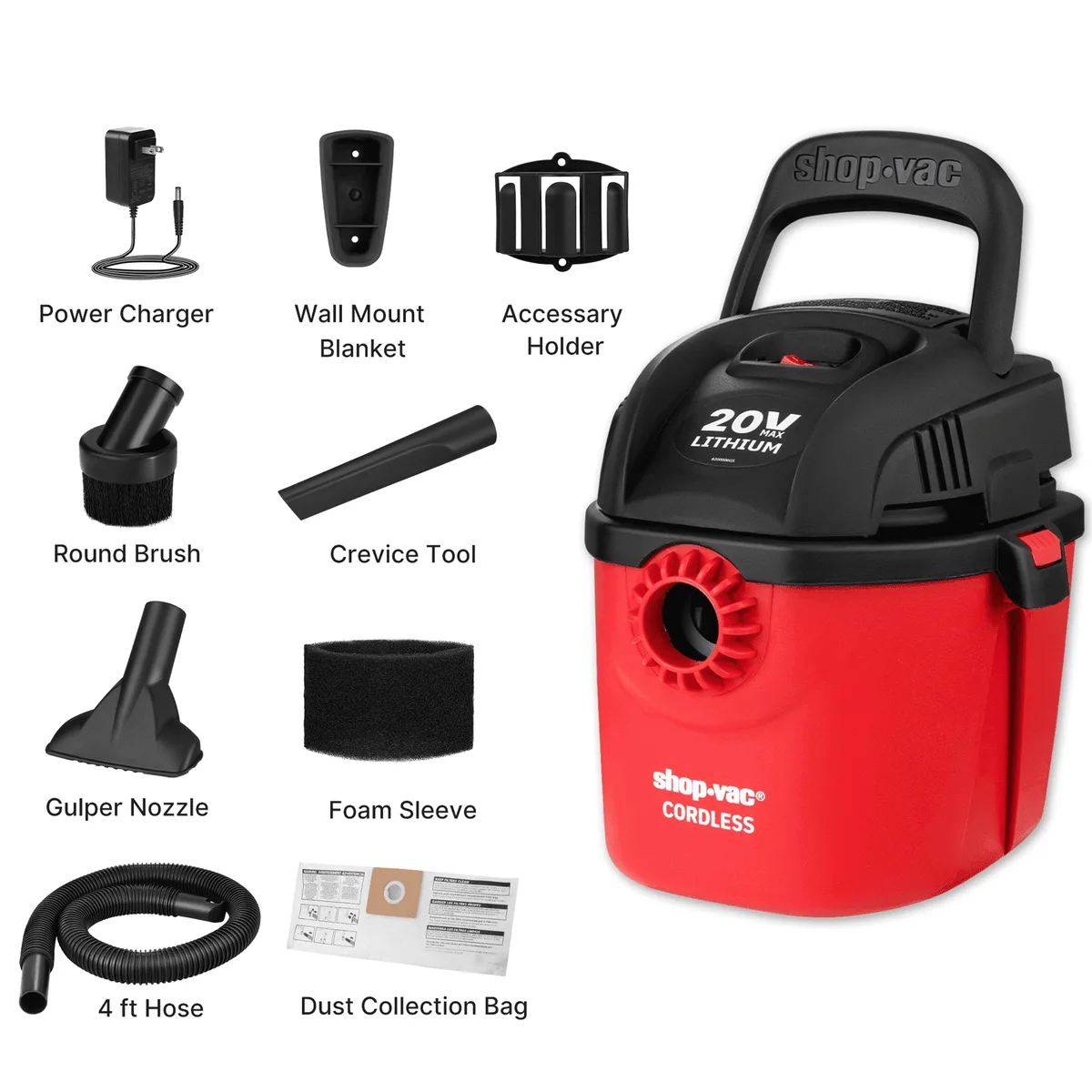
Image source: Web (Bing) / walmart.com (Web image (fair-use with source credit))
Quick Answer
The best compact shop vacuum depends on your messes. For most homes, a corded 3-gallon wet/dry vac wins. It offers strong suction and unlimited runtime.
A cordless model makes sense for portability. Ignore peak horsepower and watch CFM and water lift instead.
Why "Best Compact Shop Vac" Is a Trick Question
There's no universal winner because "compact" means different things. A 1-gallon vac fits in an apartment closet. A 5-gallon model gives you more capacity but takes up more space.
The word "best" only makes sense once you know your primary jobs.
Think about what you'll be cleaning. Sawdust? A simple 2.5-gallon corded model handles it well.
Fine drywall dust? You need a sealed HEPA filter and maybe an auto-start outlet for daisy-chaining a sander. Wet spills?
The same machine works if you remove the filter bag and switch to wet mode.
The mess drives the decision, not the price tag. Buy for the dirtiest job you do regularly, and you'll never regret the purchase.
What Actually Matters in a Compact Shop Vac
Most buyers start with horsepower, but that number is mostly marketing. Real performance comes from two specs: CFM and inches of water lift.
CFM measures how much air moves through the hose. It tells you how fast large debris travels from point A to the tank. Water lift measures suction strength, or how high a column of water the vacuum can pull.
High water lift matters for heavy debris and wedged dust. High CFM matters for clearing open areas fast.
As of 2026, a good compact corded model moves around 50 to 70 CFM and lifts 60 to 90 inches of water. Cordless models are improving, but many still sit closer to 40 CFM.
| Spec | What it tells you | Good target for compact |
|---|---|---|
| CFM | Airflow volume and how fast debris moves | 50+ CFM |
| Water lift | Suction strength | 60+ inches |
| Motor amps | Power draw, not a direct performance number | 4 to 6 amps for corded |
| HEPA seal | Captures fine dust | 99.97% at 0.3 microns, sealed system |
What about the filter?
Standard cartridge filters handle dry dust. HEPA filters capture 99.97% of particles at 0.3 microns. For wet pickup, you remove the paper bag or switch to a dedicated wet filter.
Sealed HEPA matters more than people think. A HEPA filter only helps if the whole housing is sealed. Otherwise, fine dust escapes around the motor and gets back into your lungs.
If you create concrete or drywall dust, look for a sealed HEPA vac. OSHA's silica rule requires effective dust control on many masonry and concrete jobs. That's a compliance issue, not just a nice upgrade.
Hose size and auto-start
The hose is the part you'll feel every single use. A 1-1/4 inch hose is light, flexible, and fits most power tools. A 1-1/2 inch hose moves more air but feels stiffer and heavier.
Auto-start is a game changer for workshop fans. It's a small outlet on the vac that turns the machine on when a plugged-in sander or saw starts. This keeps dust extraction automatic and eliminates the "forgot to turn it on" problem.
The Main Contenders: Corded vs. Cordless
Two platforms dominate the compact market. Each has a clear personality, and neither is universally better.
Corded Compact Vacs
Corded models are the workhorses. They run as long as there's an outlet, and they don't care about battery temperature or charge cycles.
- Unlimited runtime and steady suction
- Lower price, typically $40 to $150
- Stronger water lift for heavy wet messes
- Auto-start outlets are common on mid-range models
The downsides are obvious. You need an outlet nearby, and the cord gets tangled when you're moving around a car or up a ladder. Corded units also tend to be a bit heavier because they skip the battery but keep the motor size.
Cordless Compact Vacs
Cordless models shine where cords can't reach. They're perfect for car detailing, attic crawls, and quick pickups on a job site.
The biggest advantage is the battery platform. If you already own drills or impacts from a major brand, a bare-tool compact vac might cost very little. You're buying into a system, not a one-off gadget.
- True portability with no cord management
- Shares batteries with your existing tools
- Brushless motors improve runtime and suction
- Fits in tight spaces like trunks and van interiors
The tradeoff is runtime. Most cordless compact vacs last 10 to 30 minutes at full power, so a second battery is almost essential. Cordless models also cost more.
A quality kit runs anywhere from $100 to $350, and that's before you factor in extra batteries.
Side-by-Side Comparison: Top Picks Across the Board
In our research, the strongest compact picks fall into four clear categories. Match your priority to the right style, and you'll rarely regret the purchase.
| Your priority | Best choice | Why |
|---|---|---|
| Unlimited runtime | 3 to 4 gallon corded wet/dry | Steady suction, auto-start, no battery anxiety |
| Portability | 2-gallon cordless on your drill battery | Fits in a bucket, works in cars and tight spaces |
| Fine dust control | Sealed HEPA dust extractor | Captures 99.97% of particles at 0.3 microns |
| Budget | 2.5-gallon corded | Low price, easy storage, decent suction |
Shop-Vac, Craftsman, and Ridgid dominate the corded side. DeWalt, Milwaukee, Makita, and Festool lead on cordless and dust extraction. All of them publish real CFM and water-lift numbers, so compare those specs directly.
The same logic applies to hose diameter. If most of your attachments are 1-1/4 inch, buy a 1-1/4 inch hose. Don't buy an adapter as a workaround.
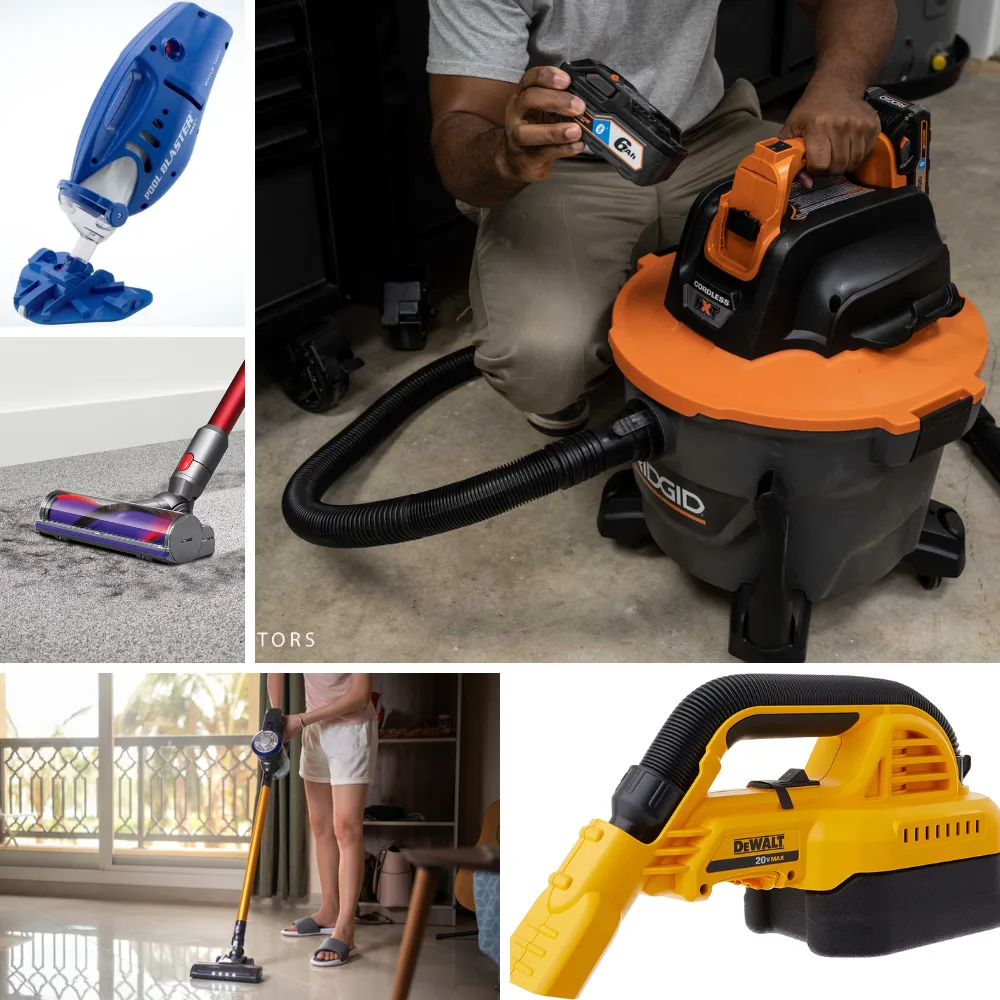
Image source: Bing (Web (fair-use with source credit))
Best for Your Garage, Workshop, Car, or Job Site
Your mess dictates the best form factor. Here's a real-world breakdown:
- Garage general duty: 2.5 to 4 gallon corded with a 1-1/4 inch hose
- Car and truck detailing: 1.5 to 2.5 gallon cordless with a crevice tool and brush nozzle
- Workshop dust extraction: 3-gallon corded with auto-start and a sealed HEPA filter
- Job site fine dust: a HEPA dust extractor with a 1-1/2 inch hose
- Apartment or RV: 1-gallon cordless with a tiny footprint
Our research shows most buyers overestimate the size they need. A 3-gallon tank holds a surprising amount of sawdust, and it's far easier to carry than a 10-gallon drum. If your workshop is small, the compact segment is genuinely enough.
For car detailers, a cordless compact vac is the difference between a clean interior and a seat full of gravel. The 1-1/4 inch hose reaches under seats, and the battery means you can work around the whole car without dragging an extension cord through a puddle.
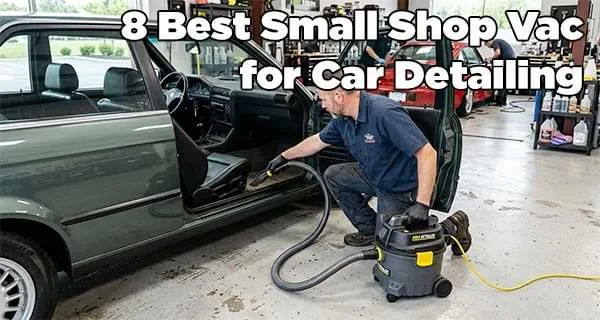
Image source: Bing (Web (fair-use with source credit))
A quality corded model will serve you for years with basic maintenance. Cordless units depend on battery health, so store them cool, avoid deep discharges, and clean the filters regularly.
Real Data: Suction, Runtime, Noise, and Price
Numbers cut through the marketing. As of 2026, here's what realistic performance looks like for compact wet/dry vacuums.
| Spec | Corded 3-gallon | Cordless 2-gallon |
|---|---|---|
| Water lift | 60 to 90 inches | 40 to 60 inches |
| Airflow | 50 to 70 CFM | 35 to 45 CFM |
| Runtime | Unlimited | 10 to 30 minutes |
| Price | $50 to $120 | $100 to $250 |
Runtime matters more than most buyers expect. A cordless model will finish a car interior or a quick workshop sweep. It won't last through a full garage renovation.
Noise also deserves attention. Compact vacs typically run between 60 and 80 dB. That's loud enough to justify hearing protection for longer sessions.
Price follows performance closely. Corded units are cheaper because they skip the battery, charger, and brushless motor. That doesn't make them worse.
It makes them a better value for anyone with a power outlet nearby.
Mistakes That Ruin a Compact Shop Vac Experience
Most compact vac problems trace back to basic errors. Avoid these and your machine will last for years.
- Leaving the paper bag in for wet pickup. The bag shreds and clogs the filter.
- Never cleaning the cartridge filter. Suction drops steadily until you barely pick anything up.
- Using a non-HEPA vac for fine dust indoors. Microscopic particles blow right back out.
- Pulling the hose hard enough to tip the tank. Compact models are light by design.
- Ignoring weak suction. Check the hose first, since it's a common source of lost-suction problems.
A quick check of the airflow path fixes most of these. Blocks hide in the hose, the filter, or the tank intake.
HEPA, Dust Extractors, and OSHA Silica Rules: When It Matters
Fine dust is the real health risk. Standard shop vac filters capture coarse debris but let fine particles escape. If you cut drywall, grind concrete, or sand treated wood, you need a sealed HEPA system.
A truly sealed HEPA vac captures 99.97% of particles at 0.3 microns. The key word is "sealed." A HEPA filter only works when the housing, gaskets, and latch contain the airflow. Cheap filters with a HEPA label don't always meet that standard.
On construction sites, this becomes a compliance issue. Under OSHA's silica rule, employers must control dust exposure for tasks like masonry cutting and concrete grinding. A dust extractor with a HEPA filter and tool-triggered auto-start is often the acceptable solution.
If you do renovation work, check the rules before you start, not after the inspector arrives.
Dust extractors built to European standards carry dust classifications like L, M, and H. Those ratings tell you how much fine dust the machine can handle. For heavy renovation work, an M-class sealed vacuum is a meaningful upgrade over a standard shop vac.
Maintenance That Keeps Suction Strong
Shop vacuums are simple machines. They lose performance when you ignore the filter, the hose, or the seals. A quick schedule keeps everything running.
| Task | Frequency |
|---|---|
| Clean the cartridge filter | Monthly, or after heavy use |
| Rinse the wet filter | After every wet pickup |
| Check the hose for blockages | Every few months |
| Empty the tank | Before it reaches full |
Emptying the tank before it's full saves you a dusty mess. When a compact vac fills up, debris can blow back through the hose. Tap the filter outdoors and avoid cleaning it with compressed air.
That just forces dust deeper into the filter material.
Expert Tips: Filters, Hoses, and Cyclone Add-Ons
A few simple upgrades make a compact vac feel like a professional tool. Start with a second filter. Swap between a dry filter and a wet filter instead of cleaning one constantly.
Cyclone separators are the best add-on for workshop use. They sit between the hose and the tank and spin larger debris into a separate cup. The filter stays cleaner, suction stays stronger, and you empty the cup far less often.
Choose the right hose, too. A 1-1/4 inch hose is light and works with most power tools. A 1-1/2 inch hose boosts airflow but feels harder to bend.
Keep it coiled after use. A kinked hose is just a hidden clog waiting to happen.
Frequently Asked Questions
Do I really need a HEPA filter on a compact shop vac?
Only if you create fine dust. Sawdust and general garage messes don't demand it. Drywall, concrete, or masonry work do.
A sealed HEPA system keeps those particles out of your lungs. If you're not sure, check your tasks before buying.
How many gallons do I need if I'm mostly cleaning a car?
A 1 to 2 gallon model is plenty for autos. It fits under seats, reaches the trunk, and won't weigh you down. Cordless versions work well here because you can move around the whole vehicle.
A 3-gallon unit adds capacity but feels bulkier for tight interiors.
Can I use my power tool batteries with a shop vac?
Yes, if you stay within one brand's platform. DeWalt, Milwaukee, Makita, and similar brands offer bare-tool compact vacs. They'll share chargers and batteries with your existing drills and impacts.
That's a smart way to save money and storage space.
Why does my shop vac lose suction fast?
A clogged filter or blocked hose is the usual cause. Check the airflow path before blaming the motor. Clean or tap out the cartridge filter, and look for debris stuck in the hose.
A full tank also kills suction, so empty it early.
What's the difference between a shop vac and a dust extractor?
A shop vac handles general dry and wet messes. A dust extractor is built for fine dust control with a sealed HEPA filter and higher static pressure. Dust extractors often carry dust-class ratings and connect to power tools for automatic extraction.
They cost more, but they protect you better.
Final Verdict: Which One Should You Buy?
If you only buy one compact vac, pick a corded 2.5 to 4 gallon model from a reliable brand. It runs forever, clears most messes, and fits most budgets. That's the safest answer for a typical garage or workshop.
Add a cordless model later if you detail cars or work far from outlets. Match it to your existing battery platform, and keep a spare battery ready. That setup gives you freedom without sacrificing consistent suction.
For renovation or masonry work, skip basic shop vacs entirely. Get a sealed HEPA dust extractor that meets the rules for fine dust on job sites. Compliance aside, it's the difference between protecting your lungs and gambling on them.
Whichever you choose, invest in a clean filter and a good hose. Those two habits do more for performance than any fancy feature.

