

Wet/dry vacuum vs regular vacuum: which is better? You'd think a spec sheet would settle it. It won't.
The honest answer depends on the mess you clean most often, whether that's carpet dust in a bedroom or sawdust and standing water in a garage.
As of 2026, most consumer wet/dry vacuums pull between 50 and 120 CFM of air at the nozzle, while a regular household vacuum leans on a motorized brush to lift dirt off carpet. That single design difference drives everything else, including filter type, tank size, noise, and cost. Keep it in mind as you walk through the options.
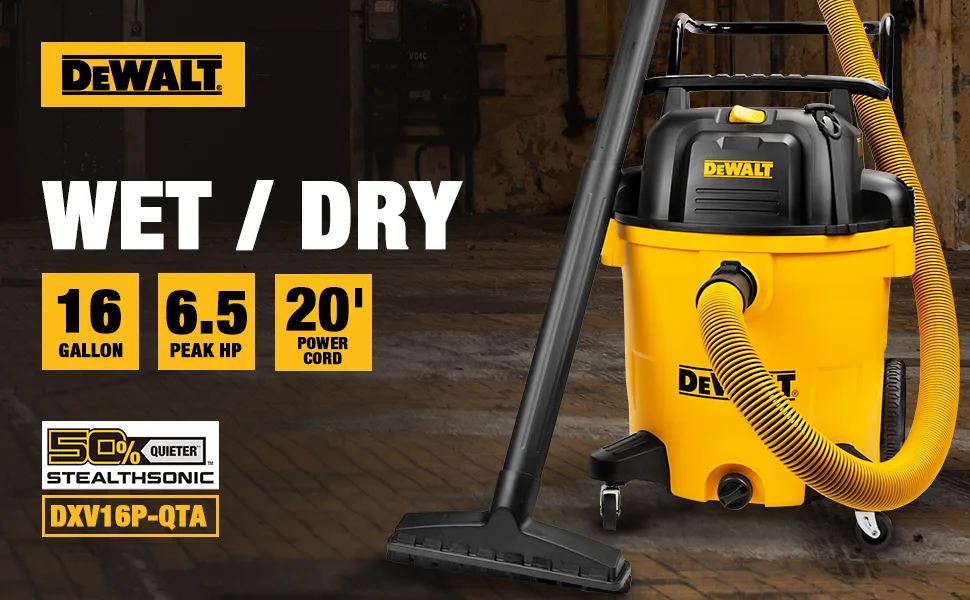
Image source: Bing (Web (fair-use with source credit))
Why This Comparison Actually Matters
Most people compare horsepower and price, but the real split is mechanical. A regular vacuum is a carpet-cleaning tool first and a hard-floor tool second. A wet/dry vacuum is a debris-and-water tool that doesn't care about floor type.
Think about the last big mess in your home. Did it involve dust bunnies under the couch, or did it involve a spilled bucket of water, a bag of drywall dust, or a gravel-and-mud trail from the yard? Those are two different jobs.
A regular vacuum chokes on a penny, a nail, or a puddle. It sucks them partway up the hose, and then they clog something. A wet/dry vacuum, often called a shop vac, just drops them into a tank and keeps going.
The tradeoff shows up in design.
Our research points to one consistent pattern: most households that have a workshop or an active outdoor life eventually end up owning one of each. It's not because either machine is weak. It's because they solve different problems.
If you're deep into pool maintenance, the same airflow logic applies. A collapsing hose is a classic symptom of a clogged filter, which matters just as much with a shop vac.
Quick Answer: Which One Should You Buy?
Buy a wet/dry vacuum if you clean a garage, workshop, or car. Buy a regular vacuum if you mostly clean carpets and indoor dust. If both sound like home, keep both.
A standard vacuum cannot handle water. A shop vacuum cannot deep-clean carpet fibers.
How Wet/Dry Vacuums Work (And What They're Really For)
A wet/dry vacuum is basically a portable fan, a sealed tank, a hose, and a filter. The motor pulls air through the hose, debris and water drop into the tank, and the air exits after passing through the filter. If you're picking up dry dust, you install a cartridge filter.
If you're picking up liquid, you swap in a foam filter and pull out any paper bag from the tank.
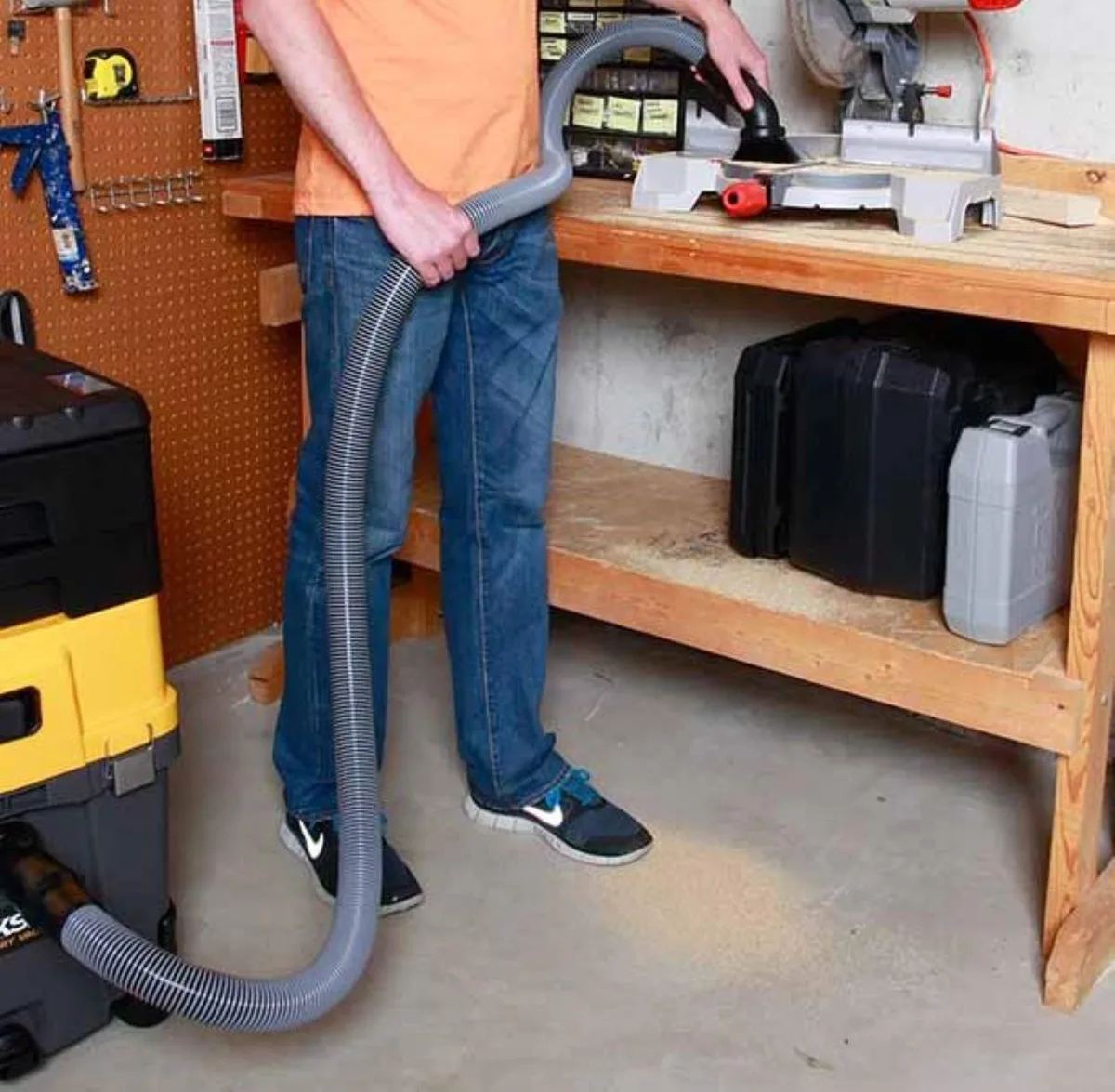
Image source: Web (Bing) / powerplusparts.com (Web image (fair-use with source credit))
The trick is knowing which filter to use. A dry cartridge filter works great for sawdust, plaster dust, and dirt, but it absorbs water and eventually ruins itself. A foam filter lets water pass through without soaking the motor.
If you use the wrong one, the machine loses suction fast, and you risk pushing moisture into the motor housing.
That's where the float valve comes in. When the tank fills with liquid, the float seals off the intake before water reaches the motor. It doesn't give you much warning.
You'll hear the motor pitch suddenly change, and that's your signal to empty the tank before it keeps pulling.
Most wet/dry vacuums also double as a blower. You attach the hose to the exhaust port on the back, and suddenly you've got a mini leaf blower for the garage, a dust puffer for the workshop, or a fast way to push water off a flat driveway.
In our research, the biggest mistake owners make is treating it like a regular vacuum. They leave the wrong filter in place, never check the float, and then wonder why the suction dies. After you've done a wet job, rinse the tank and the hose, then let the foam filter dry before storing it.
That one habit makes the machine last for years.
Sizes range from compact 2-gallon units up to contractor-grade 16-gallon tanks. The 5-gallon and 6-gallon models are the sweet spot for most homes. They're still easy to move, but they hold enough debris and water to feel genuinely useful.
A manufacturer's UL safety certification matters here, too, especially when you're pulling standing water. That certification tells you the motor and wiring meet basic safety standards. Look for the UL mark on the housing before you buy.
The official UL safety certification program sets the baseline for residential electric appliances.
How Regular Vacuums Work (And What They're Really For)
A regular household vacuum does one thing extremely well: it moves a fast stream of air across a floor, and it uses that air to pull dust, hair, and crumbs into a bag or bin. The motor spins a fan, the fan creates suction, and the floor nozzle channels that suction exactly where you need it.
The extra tool in most regular vacuums is the motorized brush roll. It beats and sweeps carpet fibers while the suction pulls dirt up. That brush is the whole reason a standard vacuum outperforms a shop vac on carpet.
Wet/dry vacuums don't have one, and that's not a failure. It's just a different job.
Regular vacuums usually come in one of five formats.
| Format | Best For | Typical Weakness |
|---|---|---|
| Upright | Carpets and whole-home vacuuming | Bulky on stairs |
| Canister | Hard floors, furniture, stairs | Hose and canister drag behind you |
| Stick / cordless | Quick everyday messes | Shorter runtime and smaller bin |
| Robot | Maintenance between deep cleans | Struggles with heavy debris |
| Handheld | Cars, stairs, upholstery | Small capacity |
Bagged models trap dust inside a paper or cloth bag, and disposal is cleaner. Bagless models empty into the bin, which saves money but creates a burst of dust every time you empty it. Both work.
It comes down to whether you'd rather pay for bags or breathe a little dust.
Filtration deserves your attention here. A quality HEPA filter traps fine particles that would otherwise blow straight back into the room. The U.S.
Environmental Protection Agency defines HEPA as capturing 99.97% of particles at 0.3 microns. That's why an allergy-friendly home needs a regular vacuum with sealed filtration, not a shop vac with a foam pre-filter.
One hard rule applies to every regular vacuum: never vacuum water. A standard vacuum's motor sits in the middle of the airflow path, and liquid can short it out or cause a shock hazard. Wet/dry vacuums route airflow around the motor.
Regular vacuums don't. If you have a spill, reach for the shop vac.
Wet/Dry Vacuum Pros and Cons
A wet/dry vacuum does some things brilliantly and other things poorly. Knowing the whole picture helps you decide whether one belongs in your garage or your cleaning closet.
Pros
- Picks up standing water and wet spills safely when the foam filter is installed.
- Handles bulky, sharp, and heavy debris that would clog or damage a regular vacuum.
- Offers huge tank capacity without much price increase.
- Doubles as a blower for leaves, dust, and stubborn garage corners.
- Easy to rinse out and reuse, no bags to replace on most models.
- Costs less per gallon of capacity than most traditional vacuums.
Cons
- No motorized brush roll, so it cannot deep-clean carpet fibers.
- Noisy. Most models run at 80 to 90 decibels, which is enough to require hearing protection.
- Heavy and bulky, especially in 8-gallon and larger sizes.
- Fine dust can blow back into the air if the filter isn't seated or gets clogged.
- Filter switching is easy to forget, and forgetting ruins the machine.
- Not designed for delicate hardwood floors, since the hard plastic nozzle can leave scratches.
Who It's Right For
A wet/dry vacuum shines if you own a car, a workshop, a basement, or a pool. It also earns its spot during storm season, when water sneaks in through a garage door or under a window. If you have ever used a towel line to keep water from spreading, you already know why a shop vac is worth having.
The same suction principles show up in pool equipment, which is why many homeowners use a small wet/dry vac to drain a pool cover or clean the filter basket. It's a different task than crawling pool walls, but it's a genuinely useful backup tool to have on hand.
For everyday housework, though, the shop vac is too loud and too clunky for a quick living-room cleanup. That's fine. You don't need one tool to do everything.
It just needs to be the right tool for the biggest, messiest jobs on your property.
Regular Vacuum Pros and Cons
A regular vacuum wins the indoor daily rounds. That's its home turf, and it shows.
Pros
- Motorized brush roll digs dirt out of carpet fibers. No shop vac attachment can match that.
- HEPA filtration traps fine particles and keeps them from recirculating. That's a big deal for allergy season.
- Quieter than most wet/dry models. Much better for mid-day cleaning while kids nap.
- Lightweight and easy to maneuver around furniture and stairs.
- Cordless stick vacuums give you grab-and-go convenience for quick messes.
Cons
- Cannot touch water. A single wet spill can fry the motor.
- Chokes on bulky debris like gravel, drywall chunks, or screws.
- Bags or filters cost money over time. Even bagless models need periodic filter washing.
- Weak suction for heavy workshop dust.
- Limited capacity means frequent emptying on big jobs.
Who It's Right For
If your floors are mostly carpet, or if you vacuum more than you mop, a regular vacuum belongs inside. It's also the right call if anyone in the house has allergies, because sealed HEPA filtration makes a noticeable difference in air quality. Pet owners should lean regular too.
The brush roll pulls embedded hair a shop vac would leave behind.
Head-to-Head: Wet/Dry Vac vs Regular Vacuum
A quick side-by-side makes the tradeoffs obvious.
| Spec / Feature | Wet/Dry Vacuum | Regular Vacuum |
|---|---|---|
| Handles water | Yes, with foam filter | Never |
| Carpet deep cleaning | Poor | Excellent |
| Hard floor pickup | Good | Good |
| HEPA filtration | Rare, add-on | Common |
| Tank/bin capacity | 2 to 16 gallons | 0.3 to 1 gallon |
| Noise level | 80 to 90 dB | 65 to 75 dB |
| Weight | 10 to 40 lbs | 8 to 20 lbs |
| Blower function | Yes | No |
| Typical price | $50 to $150 | $100 to $400 |
That table shows why picking one isn't a defeat. They're built for different worlds. The real question is which world you live in most.
Best Use Cases: Where Wet/Dry Vacuums Win
If you spend time in a garage, workshop, or driveway, the wet/dry vacuum is a no-brainer. Sawdust, drywall dust, nails, and gravel vanish into a tank you can just rinse out.
Water is another zone. A flooded basement, a burst supply line, or a spill in a laundry room calls for a shop vac before anything else. This is where that foam filter and float valve pay off.
Car cleaning also leans shop vac. The hose reaches under seats, and you can suck out mud and leaves without worrying about burning out the motor. Slip a wide filter cleaning routine into the same maintenance habit so nothing sits wet for long.
Use the blower function too. It clears leaves off a porch, dust off a workbench, and water off a flat patio. That's functionality a regular vacuum simply doesn't offer.
So the if/then decision is easy. If you deal with water, heavy debris, or outdoor messes more than a few times a year, buy the wet/dry vac first.
Best Use Cases: Where Regular Vacuums Win
Inside a typical home, regular vacuums win on comfort, quiet, and floor care. If you have wall-to-wall carpet, the motorized brush roll is non-negotiable. It literally beats the carpet to release dirt, something a wet/dry vac can't do.
Allergies change the math too. A sealed HEPA machine keeps fine particles trapped instead of blowing right back into the air. That's a real health benefit, not marketing noise.
Quick daily tidying is another category where regular vacuums shine. You grab a cordless stick, zip across the kitchen floor, and dock it back on the wall. No hose, no tank, no filter swap.
Then there's the storage angle. Regular vacuums sit upright in a closet or lay flat under a bed. A 6-gallon shop vac is round, bulky, and hard to tuck away in a tidy home.
If your mess is mostly dry, inside, and on floors, the regular vacuum is the better daily partner. Many households eventually buy a small, cheap shop vac for the garage and keep the regular vacuum for the house. That setup covers nearly every scenario without overthinking it.
Common Mistakes to Avoid When Choosing or Using Either
The biggest mistake is using the wrong filter at the wrong time. Running a dry cartridge filter in water ruins it and risks motor damage. Always swap in the foam filter for wet pickup, then pull it out afterward so it can dry.
Another mistake is dragging a regular vacuum near water. Even a small spill can reach the motor in seconds. That's an instant repair bill or a new machine.
Buying too small a tank is a quieter mistake. A cramped garage with sawdust can fill a 2-gallon unit in minutes. Step up to 5 gallons at least.
You'll empty the tank less often and appreciate the extra reach.
Skipping filter maintenance causes loss of suction fast. Both machine types need regular filter cleaning, whether that's washing a foam filter or changing a HEPA bag. Ignore it and the airflow dies, which makes every job take twice as long.
Forgetting to rinse the tank after wet pickup is also common. Standing water in a tank smells musty within days. A quick rinse and dry prevents mold and keeps the next cleanup session pleasant.
Costs, Filters, and Maintenance Over Time
Filters cost $10 to $40 for a wet/dry cartridge or foam set. Regular vacuum bags run $10 to $50 for a pack of HEPA filters. Bagless models need periodic washing but no recurring bags.
For wet/dry vacs, keep a spare foam filter so you can swap one out while the other dries. Rinse the tank after every wet job to prevent mildew smell. A quick dry keeps the next cleanup session pleasant.
For regular vacuums, check the brush roll for tangled hair monthly. Pull the HEPA filter out and tap it clean when suction drops. That simple habit extends motor life and keeps airflow strong.
Safety Warnings and Wet Pickup Rules
Always plug wet pickup work into a GFCI-protected outlet. Ground-fault circuit interrupters cut power before a shock becomes fatal.
Never vacuum flammable liquids like gasoline, paint thinner, or solvents. The motor can ignite fumes. That's a hard safety rule, not a suggestion.
For wet pickup, remove the dry cartridge filter and install the foam filter. The foam keeps water out of the motor. Mixing them up is the most common cause of shop vac failure.
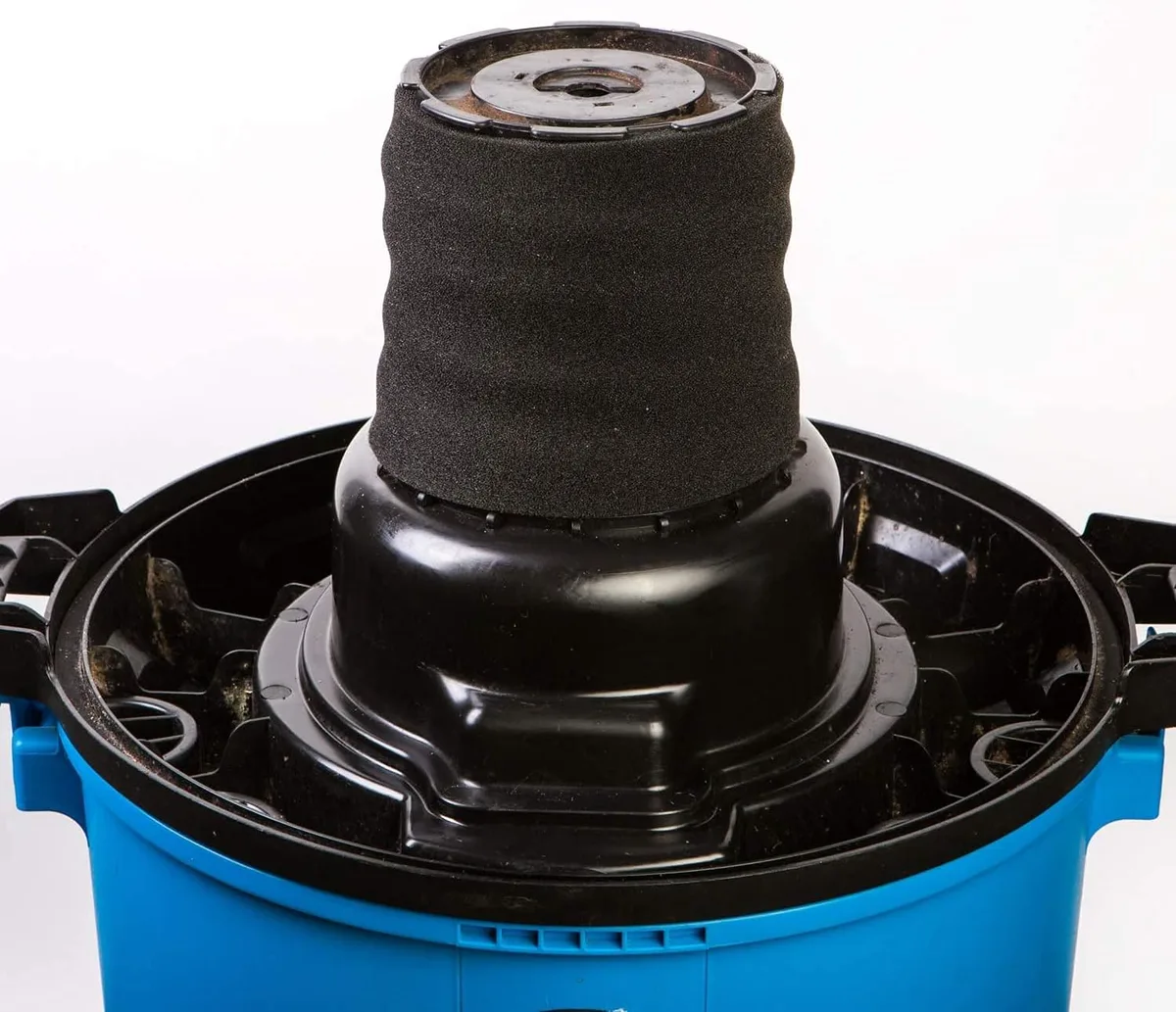
Image source: Web (Bing) / walmart.com (Web image (fair-use with source credit))
Inspect the power cord for cracks before use around water. Damaged cords belong in the trash, not the outlet. The same logic applies to extension cords, so keep them off wet floors entirely.
Real-Life Scenarios: Garages, Kitchens, Cars, and Carpets
Think through your actual messes before you buy.
- Garage: sawdust, screws, and leaf debris vanish into a shop vac tank. A regular vacuum stays indoors.
- Kitchen: a spilled pitcher of juice or a failed dishwasher hose calls for wet pickup. Use the foam filter, then rinse the tank.
- Car: sand and gravel wipe out a regular vacuum fast. A wet/dry vac with a crevice tool reaches deeper under seats.
- Carpets: muddy dog prints dry into powder. A regular vacuum with a brush roll lifts it out. A shop vac just moves it around.
Frequently Asked Questions
Can a wet/dry vacuum replace a regular vacuum for home use?
Not entirely. A shop vac lacks a motorized brush roll, so carpet cleaning falls short. For hard floors and heavy messes it works fine, but everyday home upkeep, especially with pets or rugs, still favors a regular vacuum.
Most homes benefit from owning both.
What happens if I vacuum water with a regular vacuum?
The motor sits directly in the airflow path. Water reaches it fast, causing a short circuit and potential shock hazard. If the machine uses a paper bag, the bag disintegrates on contact.
Turn it off immediately, unplug it, and let everything dry before assessing the damage.
What size wet/dry vacuum do I need for home use?
A 5-gallon model is the minimum for decent capacity without feeling clumsy. A 6-gallon unit is the sweet spot for garage cleaners and car owners. Larger 10 to 16 gallon tanks suit construction work, not typical household cleanup.
Final Verdict
If your mess is dry, indoor, and carpet-heavy, a regular vacuum handles it best. If your mess involves water, heavy debris, or the garage, a wet/dry vacuum is the pick.
For most homeowners, the smart setup is one of each. A corded shop vac for the workshop and a lightweight regular vacuum for the house covers nearly every scenario without overthinking it.

