

A clogged central vacuum tube can be a major annoyance, turning a quick clean into a frustrating battle. When your powerful vacuum suddenly loses suction or stops working altogether, it’s often a sign that something is blocking the flow of air and debris. These blockages can happen in various parts of the system, from the inlet valves to the main pipes and even the power unit itself.
Fortunately, most clogs are not permanent and can be cleared with a bit of patience and the right tools. Understanding how your central vacuum system works and where clogs typically form is the first step to fixing the problem. This guide will walk you through the common causes of clogs and provide practical, step-by-step methods to remove them, restoring your vacuum’s powerful performance.
Locating The Clog
Before you can remove a clog, you need to find it. Clogs can occur in several places within your central vacuum system. Knowing where to look will save you time and effort.
Inlet Valve Issues
The most common place for a clog to start is at the inlet valve, where you plug in your hose. Sometimes, a large object can get stuck right at the opening or just inside the pipe connected to the valve. If the clog is here, you might notice a complete loss of suction at that specific inlet, while others might still work.
Tubing And Pipe Obstructions
Over time, debris can build up and create a blockage further down the central vacuum tubing within your walls. This is more likely to happen if large or unusual items are accidentally vacuumed up, such as socks, toys, or even small stones. A clog in the main tubing can affect multiple inlets or the entire system.
Clogs At The Power Unit
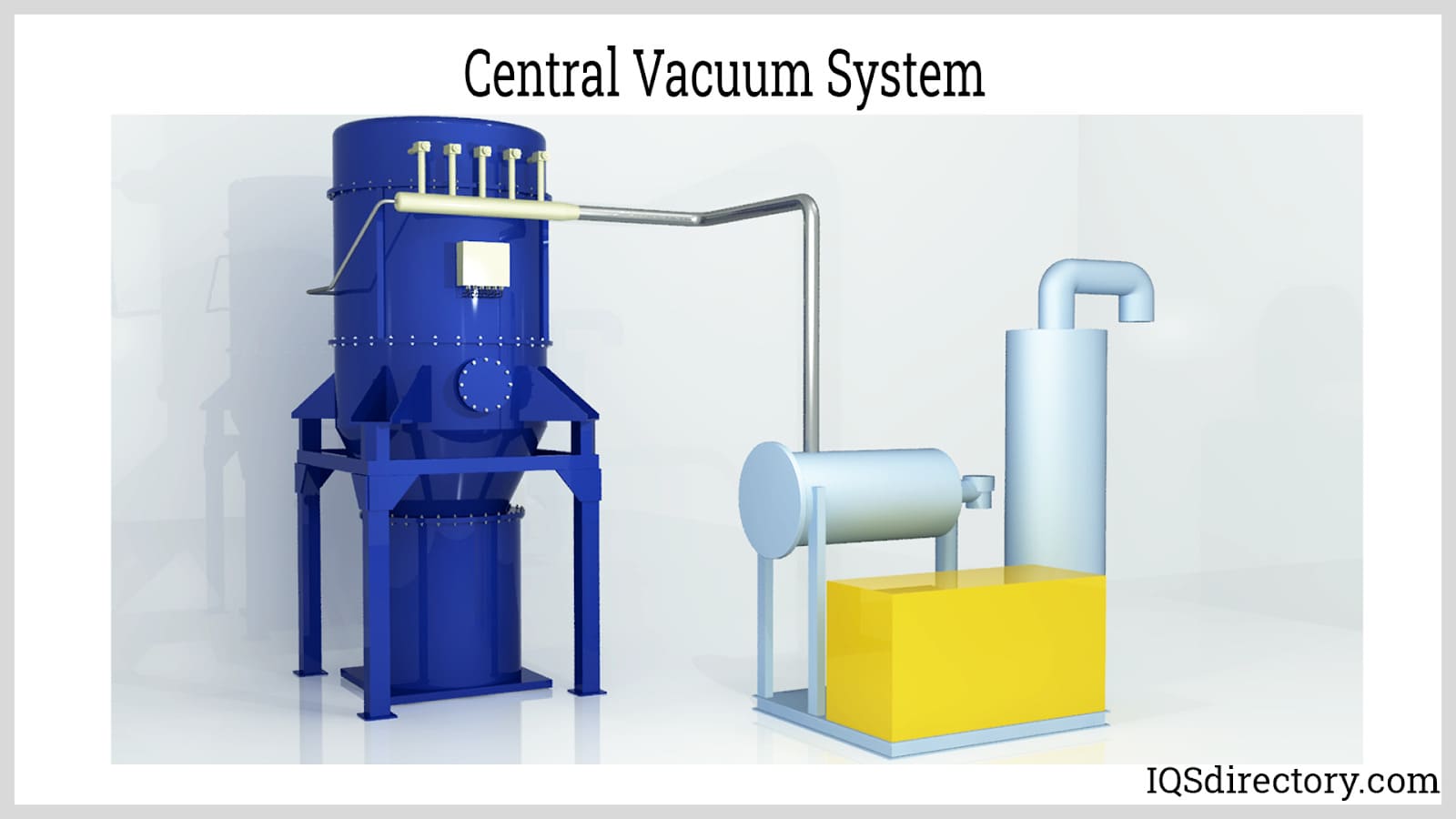
The final destination for debris is the central vacuum power unit, usually located in a garage, basement, or utility room. If the dust collection bag or canister is full, or if there’s a blockage in the intake pipe leading to the unit, it can cause a significant loss of suction. You might also notice unusual noises or a burning smell if the motor is struggling.
Tools You Might Need
Having the right tools makes clearing a clog much easier. Most of these are common household items, but a specialized tool can be very helpful.
- Vacuum Cleaner Hose: Your standard central vacuum hose can sometimes be used to dislodge clogs by pushing air through the system.
- Plunger: A simple sink plunger can create suction or pressure to move a blockage.
- Long, Flexible Rod or Snake: A plumber’s snake or a flexible drain rod is ideal for reaching deep into the tubing. Some central vacuum kits come with a specialized long, flexible rod for this purpose.
- Broom Handle or Similar Object: A sturdy, long object can be used to gently push a clog.
- Screwdriver: You might need a screwdriver to remove faceplates on inlet valves.
- Gloves and Dust Mask: It’s a good idea to wear these for protection, especially when dealing with dust and debris.
Step-by-step Clog Removal Methods
There are several effective ways to tackle a central vacuum clog, starting with the simplest.
Method 1: Using The Vacuum Hose
Sometimes, the clog is close to an inlet valve. You can try to clear it using the vacuum hose itself.
- Disconnect the Hose: Detach your central vacuum hose from the wall inlet.
- Insert Hose into Inlet: Firmly insert the end of the hose into the wall inlet where you suspect the clog.
- Turn On the System: Turn on the central vacuum system at the power unit or the switch on the hose.
- Listen and Feel: Listen for any changes in sound. You might hear the clog break free, or you might feel increased suction. If this doesn’t work, the clog is likely further down the line.
Method 2: The Plunger Technique
A plunger can create enough force to dislodge many clogs.
- Seal the Inlet: Place a damp cloth or a piece of plastic wrap over the wall inlet and secure it with tape. This creates a better seal.
- Place the Plunger: Position a sink plunger over the inlet valve.
- Plunge Vigorously: Pump the plunger up and down several times with force, just as you would to clear a sink drain. This pressure or suction may move the blockage.
- Check for Suction: Remove the plunger and the seal. Turn on the system to check if suction has returned.
Method 3: Using A Long Rod Or Snake
For clogs deeper in the tubing, a long, flexible rod is your best bet.
- Access the Tubing: You might need to access the tubing from an inlet valve, a junction box, or even by removing a section of pipe if the clog is very severe. Often, you can start from the inlet valve.
- Insert the Rod: Gently feed the flexible rod or snake into the vacuum tubing through the inlet valve.
- Push and Twist: Push the rod slowly until you feel resistance. Gently twist and push the rod to break up the clog. Be careful not to force it too hard, as this could damage the pipes.
- Retract and Repeat: Pull the rod back out. You may need to repeat this process a few times.
- Test the System: Once you believe the clog is cleared, turn on the central vacuum to test the suction.
Method 4: Clearing The Power Unit
If the clog seems to be near the power unit, inspect it directly.
- Turn Off Power: Crucially, turn off the power to the central vacuum unit at the breaker box before inspecting it.
- Check the Canister/Bag: If your unit uses a bag, check if it’s full. If it’s a bagless unit, empty the collection canister. A full container can significantly reduce suction.
- Inspect Intake Pipe: Look at the pipe that leads from your house’s vacuum pipes into the power unit. Sometimes debris can accumulate here.
- Check Filter: Many units have a filter that can become clogged. Consult your owner’s manual for its location and how to clean or replace it.
- Turn Power Back On: After clearing any obstructions, restore power and test the system.
Preventing Future Clogs
The best way to deal with clogs is to prevent them from happening in the first place. Simple habits can keep your system running smoothly.
Be Mindful Of What You Vacuum
Avoid vacuuming large items, such as paper towels, tissues, or food scraps. These are common culprits for clogs. Educate everyone in the household about what can and cannot be vacuumed.
Regular Maintenance
Periodically check the dust collection bag or canister in your power unit and empty or replace it as needed. A full collection system is a primary cause of reduced suction and potential clogs. Also, check any filters according to the manufacturer’s recommendations.
Use The Right Attachments
Using the correct attachments for different surfaces can help prevent debris from getting lodged in the hoses or pipes. For instance, use a floor brush for hard floors and a beater bar for carpets.

Troubleshooting Common Issues
Even with precautions, clogs can occur. Here are a few common issues and how to address them.
Weak Suction At All Inlets
If you notice weak suction at every inlet, the problem is likely with the power unit or the main line leading to it. Check the collection canister/bag and any filters.
Loss Of Suction At One Inlet
This usually indicates a clog between that inlet and the next one, or a blockage right at the inlet itself. Start by checking the inlet valve and then try clearing the tubing from that point.
Strange Noises From The Power Unit
Unusual noises, like grinding or whining, can mean something is stuck in the motor or the intake port of the power unit. Always turn off the power at the breaker before investigating the power unit.

