

The best canister vacuum for allergies is one with sealed HEPA filtration, strong suction, and a truly sealed system.
If you live with allergies, you already know dust is never just dust. It can be pollen, pet dander, mold spores, and fine particles that settle deep into carpets and float back into the air when cleaning. I’ve seen this in real homes many times: the wrong vacuum can stir everything up, while the right canister vacuum can make a room feel noticeably fresher after just one pass.
What makes a canister vacuum good for allergies?
A canister vacuum for allergies needs more than strong suction. It must trap tiny particles and keep them locked inside the machine, not release them back into your home.
The most important feature is HEPA filtration. True HEPA filters can capture 99.97% of particles as small as 0.3 microns, which is the size range that often matters most for allergy sufferers. But filtration alone is not enough. The vacuum also needs a sealed airflow path, because even the best filter cannot help much if dirty air leaks out through cracks.
A good allergy-friendly canister vacuum usually includes:
• Sealed HEPA filtration to trap fine allergens
• Strong suction for carpet, rugs, and hard floors
• Well-fitted dust bags or easy-to-empty sealed bins
• Brush heads that reduce dust scatter
• A design that prevents leaks around joints and filters
In my experience, the biggest mistake people make is buying a vacuum with a HEPA label but no sealed system. That is like putting a lock on a door and leaving the window open.

What is the best canister vacuum for allergies?
The best canister vacuum for allergies is usually a sealed HEPA model from a brand known for filtration quality, consistent suction, and low dust escape. In many homes, top choices include Miele canister vacuums, Sebo canister models, and Kenmore canisters with HEPA bags and filters.
If I had to narrow it down for allergy control, I would focus on these traits first:
• Sealed HEPA system
• High-quality dust bags
• Adjustable suction for different surfaces
• Good carpet and upholstery tools
• Easy maintenance with minimal dust exposure
For many allergy households, a bagged canister vacuum is often better than a bagless one. Bags usually contain dust more cleanly when disposed of, which reduces the chance of allergen release. That matters a lot if you sneeze as soon as you open a dust bin.
The best canister vacuum for allergies is not always the one with the fanciest screen or the strongest marketing. It is the one that traps allergens reliably, cleans well, and stays sealed over time.
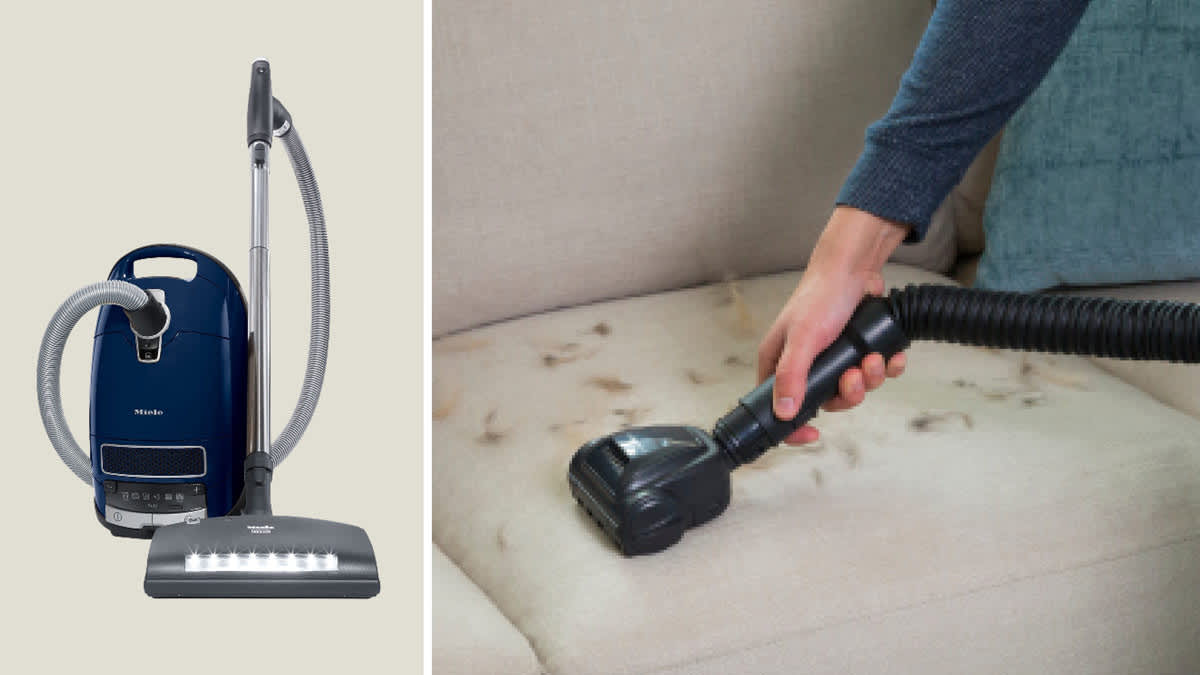
Why HEPA filtration matters so much
HEPA filtration is one of the most important features in an allergy vacuum because it helps trap microscopic particles that trigger symptoms. These particles include pet dander, pollen, dust mites, and mold fragments.
A regular filter may catch visible dirt, but allergens are much smaller. That is why many people still feel itchy or congested after cleaning with a basic vacuum. A true HEPA filter helps reduce that problem by capturing the tiny stuff that often slips through.
Here is why HEPA matters:
• It helps keep fine allergens out of the air
• It can improve indoor air quality during cleaning
• It reduces the chance of re-circulating dust
• It supports better cleaning for asthma-sensitive households
One thing I learned the hard way is that filter quality is only part of the picture. If the vacuum is not sealed, dust can bypass the filter and go right back into the room. That is why the best canister vacuum for allergies needs both HEPA filtration and sealed construction.
:max_bytes(150000):strip_icc()/spr-detail-bissell-multliclean-allergen-pet-rewind-upright-vacuum-ebrockob-003-8-1-20100be9a9714f66a0d5f288d0091bdb.jpeg)
Bagged vs bagless canister vacuums for allergies
This is one of the biggest questions allergy shoppers ask, and in many cases, bagged wins.
Bagged canister vacuums are often better for allergies because the dust stays inside the bag until you throw it away. That means less contact with dust, pet hair, and pollen. Bagless vacuums can be convenient, but emptying the bin can send fine particles into the air.
Here is a simple comparison:
• Bagged vacuums are usually better for dust containment
• Bagless vacuums may be easier to use day to day
• Bagged systems often work better for severe allergies
• Bagless bins need frequent washing, which can expose you to dust
If your allergies are mild, a good bagless sealed model may still work well. But if your nose runs the minute you clean, I would lean toward bagged every time. The best canister vacuum for allergies often uses bags because the cleanup process is cleaner and calmer.

Key features to look for before you buy
Shopping for the best canister vacuum for allergies can feel overwhelming. A lot of brands promise “deep cleaning” or “allergy care,” but the real value is in the details.
Look for these features first:
• True HEPA filtration
• Sealed system construction
• High-quality filtration bags
• Carpet height adjustment
• Soft brush tools for hard floors
• Upholstery and crevice tools
• Long cord and good reach
• Easy-to-replace filters and bags
Also pay attention to floor type. If you have mostly hardwood or tile, you need a vacuum that can clean fine dust without blowing it around. If you have carpet, you need strong suction plus a head that pulls dirt from the fibers without scattering debris.
Another tip from real-world use: test the vacuum in a small area first if you can. Some vacuums feel powerful but are too loud, too bulky, or too aggressive on rugs. Comfort matters because the best vacuum is the one you will actually use often.
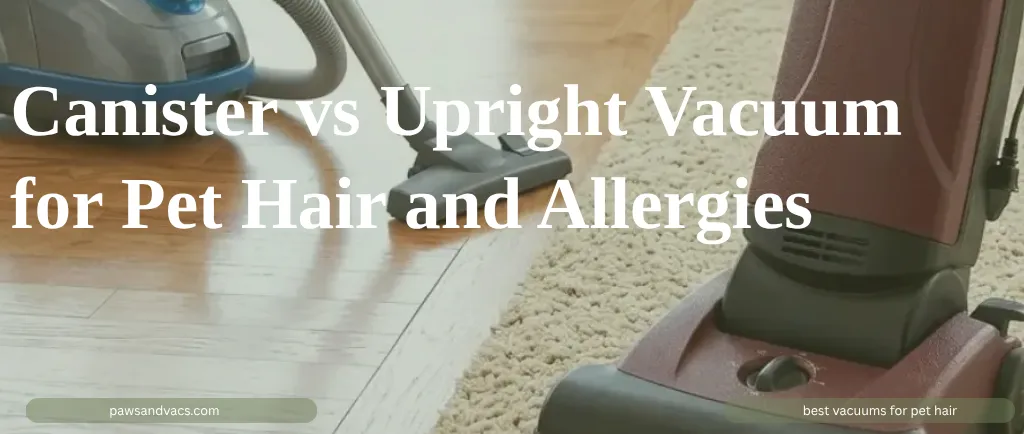
Best canister vacuum types for different allergy needs
Not every allergy home has the same problem. The best canister vacuum for allergies depends on what is causing the symptoms.
For pet allergies
Choose a sealed HEPA bagged canister with a turbo brush or motorized pet tool. Pet dander is light and sticky, so you need strong suction and good filtration.
For dust mite allergies
Pick a vacuum with excellent carpet cleaning and a sealed bag system. Dust mites live deep in fabrics, mattresses, and rugs, so attachments matter a lot.
For pollen allergies
A HEPA canister with strong hard-floor performance is ideal. Pollen often enters through shoes, clothes, and open windows, then settles on floors and furniture.
For mold sensitivity
Look for a vacuum that limits dust escape and keeps filters dry and easy to maintain. Mold spores are tiny, so sealing and consistent filter care are especially important.
In short, the best canister vacuum for allergies is the one that matches your main trigger. That is how you get results instead of just another appliance taking up closet space.

How I would compare top allergy-friendly canister vacuums
When I compare vacuums for allergy control, I look at real cleaning behavior, not just specs on the box.
My checklist is simple:
• Does it feel sealed when running?
• Does the bag change stay clean?
• Does the vacuum leave less dust behind on dark surfaces?
• Can it handle both rugs and hard floors well?
• Does it keep suction steady as it fills?
In practice, brands like Miele and Sebo are often praised for filtration and build quality, while some Kenmore models offer strong value for the price. That said, the best canister vacuum for allergies for one person may not be the best for another. A smaller apartment, a large house, or a pet-heavy home all need slightly different tools.
My advice is to choose the vacuum that balances airflow, sealing, and ease of use. Fancy features are nice, but reliable dust capture is what helps you breathe easier.

Tips to get the most allergy relief from your vacuum
Even the best canister vacuum for allergies will underperform if it is used the wrong way. A few small habits can make a big difference.
Try these tips:
• Vacuum at least twice a week if allergies are active
• Empty or replace bags before they are overly full
• Replace filters on schedule
• Clean upholstery, curtains, and vents regularly
• Vacuum slowly so the machine can lift fine debris
• Use attachments for corners and furniture
• Keep windows open only when outdoor pollen is low
One mistake I see often is skipping maintenance. A clogged filter or an overfilled bag can weaken suction and let dust escape. That is like trying to breathe through a straw. Your vacuum needs care if you want it to care for your air.
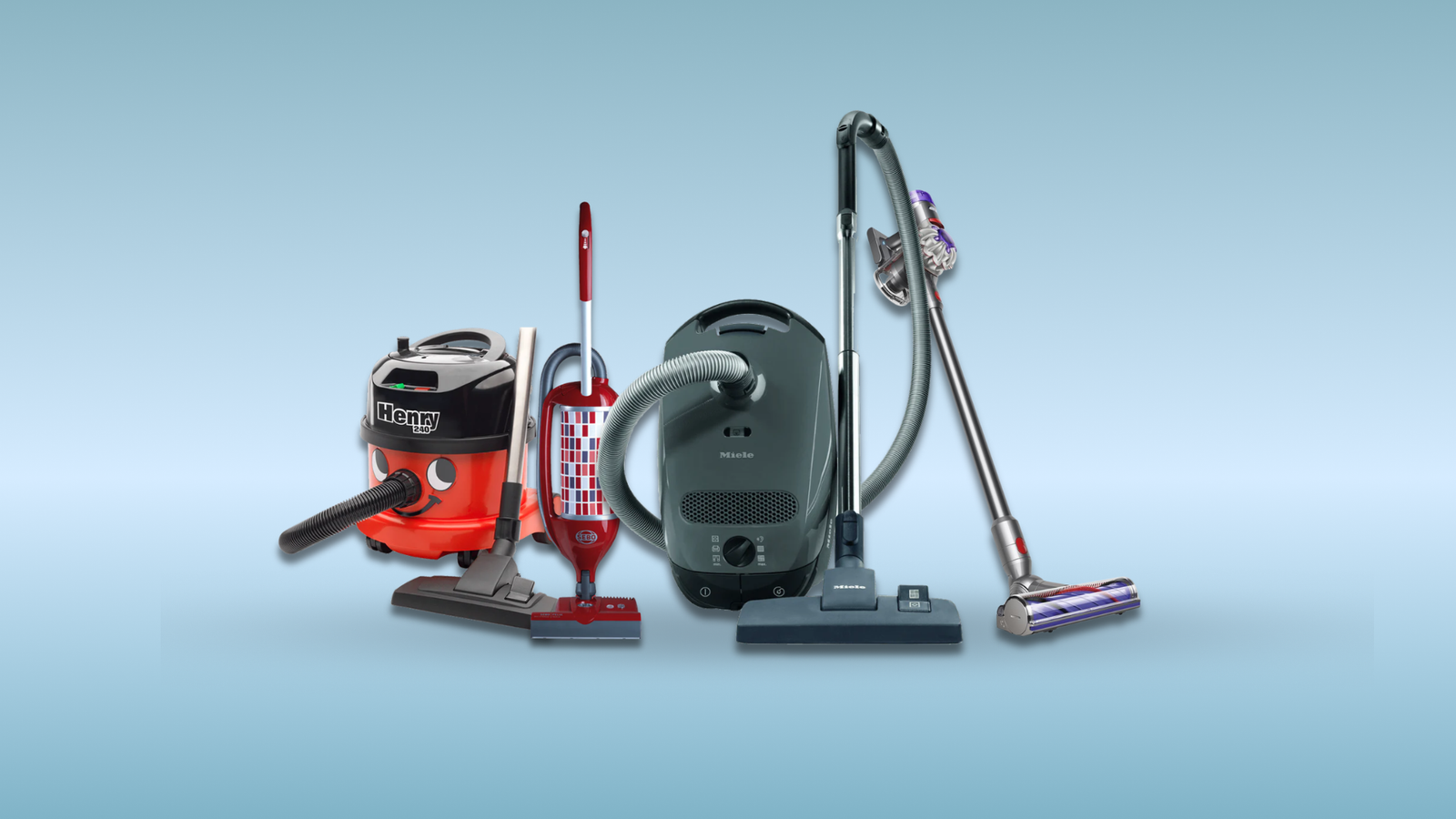
What not to buy if you have allergies
Some vacuums may look appealing but are not ideal for allergy sufferers.
Avoid models that have:
• Weak filtration with no HEPA rating
• Non-sealed airflow paths
• Dust bins that release cloud-like puffs when emptied
• Poorly fitting filters or cheap seals
• Noisy motors that make cleaning unpleasant and rushed
Also be careful with marketing terms. Words like “allergen reduction” sound helpful, but they do not always mean the vacuum is truly sealed or HEPA-certified. If you want the best canister vacuum for allergies, check the real filtration setup, not just the label.

Frequently Asked Questions of What is the best canister vacuum for allergies?
Is a bagged canister vacuum better for allergies?
Yes, bagged canister vacuums are often better for allergies because dust stays contained when you dispose of the bag. This reduces direct contact with allergens and lowers the chance of dust escaping back into the room.
Do I need true HEPA filtration for allergies?
True HEPA filtration is highly recommended if you have allergies, especially to dust, pollen, or pet dander. It helps trap very small particles that standard filters may miss.
Can a bagless canister vacuum still be good for allergies?
Yes, but only if it has a sealed system and strong filtration. Even then, emptying the bin can release more dust than a bagged vacuum, so it may not be the best choice for severe allergies.
How often should I vacuum if I have allergies?
For most allergy sufferers, vacuuming at least twice a week helps keep dust and dander under control. If you have pets or heavy pollen exposure, more frequent cleaning may help.
What floor types are easiest to clean with an allergy vacuum?
Hard floors are usually easiest to clean because allergens sit on the surface. Carpets need stronger suction and a good brush head because dust and dander can settle deeper in the fibers.
Conclusion
The best canister vacuum for allergies is one that combines true HEPA filtration, a sealed system, and easy dust containment. For many homes, that means a bagged canister vacuum with strong suction and thoughtful attachments that clean without stirring allergens back into the air.
If you are choosing one today, focus on filtration first, convenience second, and brand hype last. A well-built vacuum can make daily life feel lighter, cleaner, and far less irritating. Take the time to compare sealed systems, bag quality, and tools that fit your floors, then choose the model that matches your real home needs. If you want, keep researching with your specific allergy triggers in mind and share your setup with others who may be facing the same dust battle.

