

Yes, canister vacuums can clean rugs well when the right brush and suction settings are used.
If you’ve ever wondered whether a canister vacuum is strong enough for rugs, you’re not alone. I’ve tested enough floor care setups to know that the answer depends less on the machine shape and more on the tools, the rug pile, and how you use it. In this guide, I’ll break down exactly when a canister vacuum works great on rugs, when it struggles, and how to get the best results without damaging your floors.
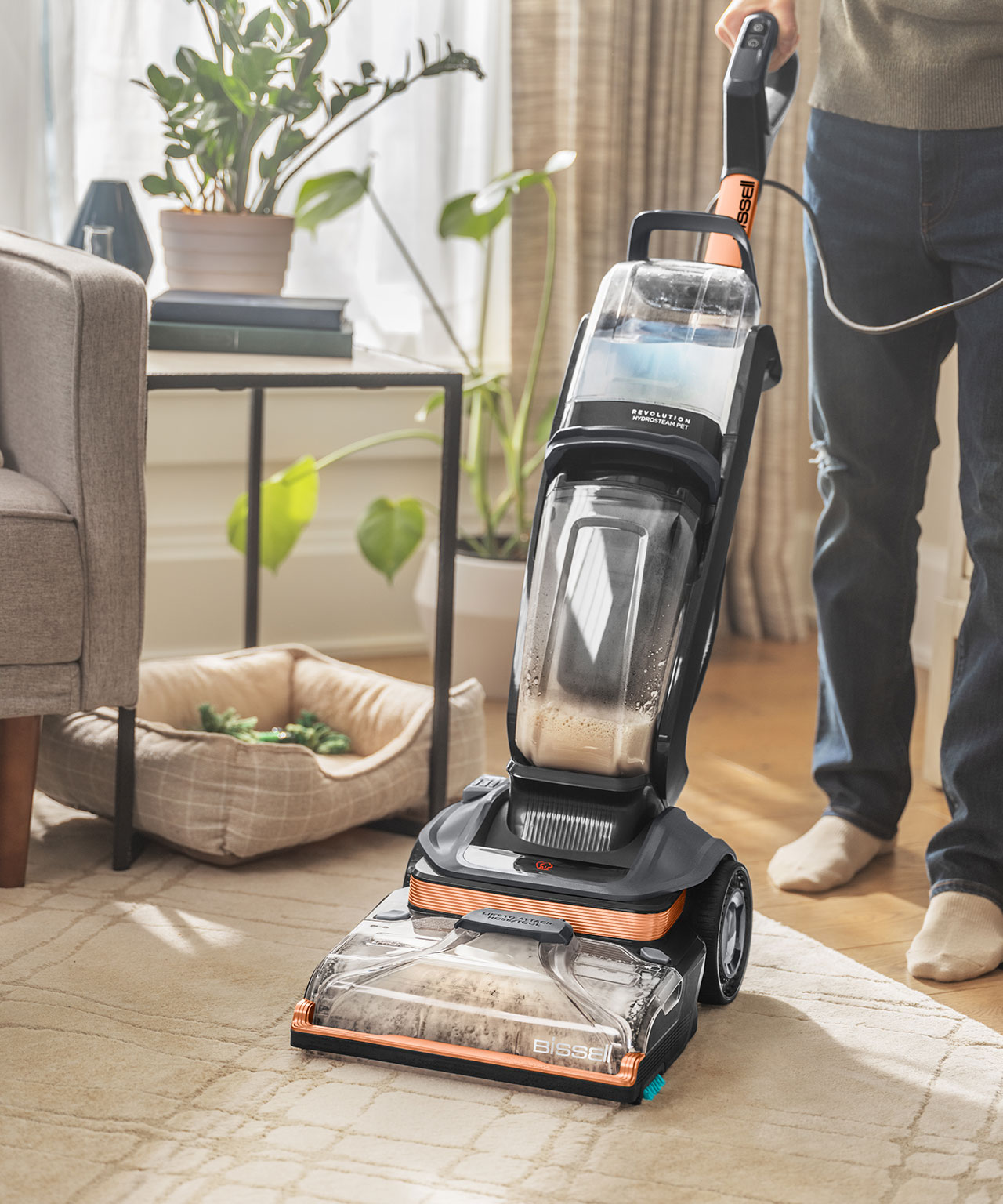
Can canister vacuums clean rugs?
Yes, can canister vacuums can clean rugs, and in many homes they do a very good job. The key is using the correct floor head, the right suction level, and a rug-safe setting if your vacuum has one.
A canister vacuum is often easier to move around than an upright vacuum. That makes it a smart choice for area rugs, runner rugs, and low-pile carpet. The canister sits behind you while the hose and wand handle the cleaning, so it can feel lighter and less tiring on the arms.
How canister vacuums work on rugs
Canister vacuums clean rugs by pulling dirt, dust, crumbs, hair, and fine debris through a hose into the dust bag or bin. The wand and attachment at the end do the real work on the rug surface.
The results depend on a few things:
- Suction power: Strong enough suction helps lift dust and embedded grit.
- Brush head type: A powered brush roll cleans deeper, while a bare floor head is gentler.
- Rug thickness: Low-pile rugs are easier to clean than thick shag rugs.
- Fiber type: Wool, cotton, jute, and synthetic rugs can react differently to suction and brushing.
In my experience, a good canister vacuum can do almost everything an upright can do on rugs, especially when the rug is not very thick. The mistake people often make is using the wrong attachment. That’s like trying to sweep a driveway with a paintbrush.
Best types of rugs for canister vacuums
Canister vacuums are usually best on rugs that are easy to move air through and don’t trap the head too deeply.
Low-pile rugs
Low-pile rugs are one of the easiest surfaces for a canister vacuum. Dirt sits near the top, so suction and a gentle brush can remove it well.
These rugs are ideal if you want quick cleanups and daily maintenance. They also reduce the risk of the vacuum getting stuck or dragging the rug.
Flatweave rugs
Flatweave rugs are a great match for canister vacuums. Since they have little to no pile, they clean easily without much effort.
A suction-only head often works fine here. This is one reason many people like canister vacuums in kitchens, hallways, and busy living rooms.
Medium-pile rugs
Canister vacuums can clean medium-pile rugs well if they have a motorized brush head or adjustable suction. These rugs need a little more power than flat rugs but are still manageable.
You may need to slow down your cleaning pace to let the vacuum pull dirt out fully. Going too fast is a common mistake.
Delicate area rugs
Many delicate rugs can be cleaned with a canister vacuum, but only with care. Handmade, antique, or natural-fiber rugs may need lower suction and a soft brush.
When I’ve worked with fragile rugs, I always test a small hidden spot first. That simple step can save you from loose fibers or fraying edges later.

When a canister vacuum may struggle
Canister vacuums are not perfect for every rug. Some rugs are simply too thick or too textured for a standard setup.
Here are the main problem cases:
- High-pile rugs: Thick fibers can be hard to reach without a powered brush.
- Shag rugs: Long fibers can tangle in the brush or make the vacuum hard to push.
- Loose fringe: Fringes can get sucked into the hose or brush head.
- Very dense wool rugs: These may need a gentler approach to avoid fiber stress.
- Jute or sisal rugs: These can shed and may be damaged by aggressive brushing.
A vacuum can still clean some of these rugs, but you need to be careful. If the head grabs the rug too hard, switch to suction only or lower the brush height if possible.
Features to look for in a canister vacuum for rugs
If rugs are part of your home, the right features matter a lot. Not every canister vacuum is built the same.
Look for these options:
- Adjustable suction: Lets you reduce power on delicate rugs.
- Motorized brush head: Helps lift dirt from deeper fibers.
- Height adjustment: Useful for changing between hard floors and rugs.
- Brush roll on/off switch: Important for fragile or looped rugs.
- Multiple attachments: A combination tool can help with edges and corners.
- HEPA filtration: Helpful if you want better dust control and allergy support.
From a practical point of view, the brush head matters more than many shoppers realize. A strong motor with the wrong floor tool may underperform, while a modest vacuum with the right head can clean surprisingly well.
How to vacuum rugs with a canister vacuum
Using the right method makes a big difference. A careful routine helps protect the rug and improve cleaning results.
-
Check the rug label or care tag if available.
Some rugs need special care, especially natural or handmade ones. -
Pick the right attachment.
Use a soft suction head for delicate rugs and a powered brush for tougher pile. -
Adjust suction if your vacuum allows it.
Lower suction helps prevent the rug from sticking to the head. -
Vacuum slowly.
Slow passes give the vacuum time to lift dirt from the fibers. -
Vacuum in two directions.
One pass with the nap, then one pass against it, can pull out more debris. -
Watch the edges and fringe.
Use a gentler tool for borders so nothing gets snagged. -
Empty the bag or bin regularly.
A full bag or dust cup weakens performance fast.
This is one of those jobs where patience beats speed. Think of it like combing hair, not rushing through it with your fingers.
Benefits of using a canister vacuum on rugs
There are several good reasons people choose canister vacuums for rugs.
- Better maneuverability: The wand is easy to move around furniture and corners.
- Less arm strain: The body of the vacuum rolls behind you.
- Good for mixed floors: Ideal if your home has rugs, wood, tile, and carpet.
- Strong dust pickup: Many canister vacuums are built for fine debris and allergens.
- Flexible cleaning: Attachments can help with stairs, upholstery, and tight spaces.
For homes with lots of area rugs, a canister vacuum can be a very practical choice. It feels less bulky than an upright and often reaches places that are annoying to clean by hand.
Limitations you should know
Even though canister vacuums can clean rugs, they do have limits. Knowing them helps you avoid frustration.
- Some models lack powered brush rolls, so deep cleaning may be weaker.
- Very thick rugs can block airflow and reduce cleaning contact.
- Loose or fringe-heavy rugs may get pulled or tangled.
- Cheap floor heads can scatter dirt instead of lifting it.
- Strong suction alone does not always replace brushing action.
A lot of cleaning performance comes down to balance. Too much suction can make the head hard to move, while too little suction leaves grit behind.
Canister vacuum vs upright vacuum for rugs
Both canister vacuums and upright vacuums can clean rugs, but they shine in different situations.
Canister vacuums are often better for:
- Mixed flooring homes
- Delicate rugs
- Stair cleaning
- Lightweight, easy handling
- Reach under furniture
Upright vacuums are often better for:
- Wall-to-wall carpet
- Deep pile carpet
- Homes that want one fast pass
- Users who prefer a self-contained unit
If your home is mostly rugs and hard floors, a canister vacuum can be the more versatile option. If your home is mostly carpet, an upright may be easier for deep pile cleaning.
Common mistakes to avoid
I’ve seen a few cleaning mistakes come up again and again. Most of them are easy to fix.
- Using a hard floor head on a thick rug: This can reduce dirt pickup.
- Leaving the brush roll on for delicate rugs: That can rough up fibers.
- Ignoring suction control: Full power is not always best.
- Vacuuming fringe too aggressively: It can get caught fast.
- Skipping regular maintenance: Dust buildup in filters lowers performance.
The biggest lesson is simple: match the tool to the rug. That one habit saves time and protects the rug’s texture.
How often should you vacuum rugs?
Most rugs benefit from weekly vacuuming, but busy homes may need more frequent care. High-traffic rugs can collect grit quickly, especially near doors and seating areas.
A good routine looks like this:
- Once a week for low-traffic rugs
- Two to three times a week for high-traffic rugs
- Spot clean crumbs and pet hair as needed
- Shake out small rugs outdoors when safe
Regular vacuuming helps extend the life of the rug. Dirt acts like sandpaper, so removing it early protects the fibers.
What professionals and cleaning standards generally recommend
Cleaning experts and carpet care guidance often stress gentle but consistent vacuuming, especially for textile surfaces that trap soil. Industry guidance also supports using the proper brush setting for different fibers and construction types.
That matches what I’ve seen in practice. The best results come from consistency, not brute force. A vacuum that is used correctly several times a week often outperforms a stronger machine that is used poorly.
Frequently Asked Questions
Can a canister vacuum replace an upright vacuum for rugs?
Yes, for many homes it can. A canister vacuum works very well on low-pile, flatweave, and many medium-pile rugs when it has the right head and suction control.
Do canister vacuums work on thick shag rugs?
Sometimes, but not always. Thick shag rugs can be difficult because the fibers are long and can tangle or block the head, so a gentler attachment is usually safer.
Should I use the brush roll on all rugs?
No, not on all rugs. Brush rolls are helpful on many rugs, but delicate, looped, or fringe-heavy rugs may do better with brush roll off or suction only.
Are canister vacuums good for pet hair on rugs?
Yes, many are very good for pet hair, especially models with strong suction and a motorized brush head. Regular passes help keep hair from working deep into the fibers.
How do I know if my rug is safe to vacuum with a canister vacuum?
Check the care label if one is available and test a small hidden spot first. If the rug lifts, snags, or sheds heavily, switch to a gentler setting or use a different tool.
Conclusion
Canister vacuums can clean rugs very well when you use the right attachment, suction level, and cleaning method. They are especially useful for low-pile rugs, flatweaves, and mixed flooring homes, while thicker or more delicate rugs need a more careful touch.
If you want better results, focus on matching the vacuum to the rug instead of just chasing the strongest machine. Try the tips above on your own rugs, and you’ll likely notice a cleaner finish with less effort. If this helped, explore more home cleaning guides or leave a comment with the rug type you’re trying to clean.

