

Bagged canister vacuums usually win for cleaner air and easier mess handling, while bagless models save on ongoing costs.
Today's Exclusive Deals
Limited-time Exclusive Deals. Check current discount on Amazon.
Check Price on Amazon As an Amazon Associate I earn from qualifying purchases.If you are trying to decide between a bagged vs bagless canister vacuum, the best choice depends on how you clean, how often you vacuum, and how sensitive you are to dust. I have compared both styles in real homes, and the difference is bigger than most shoppers expect. In this guide, I’ll break down the tradeoffs in plain English so you can choose the model that fits your floor type, budget, and allergy needs.

Bagged vs bagless canister vacuum: what’s the real difference?
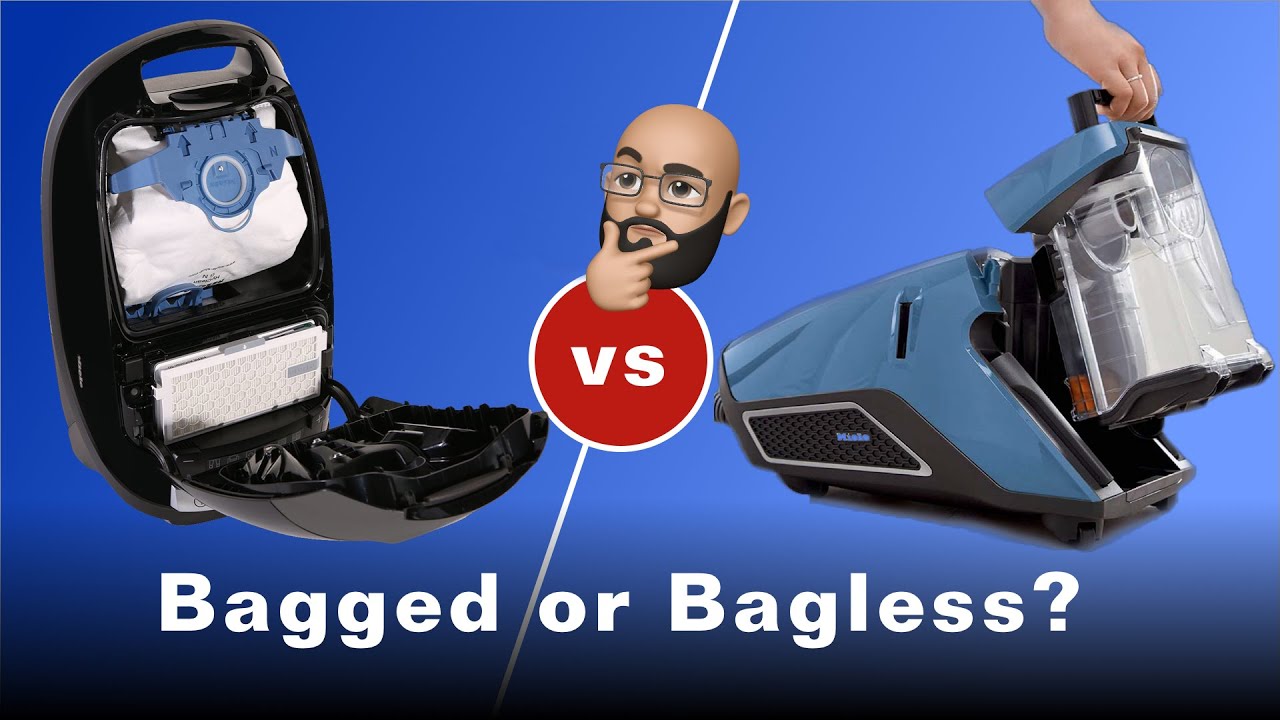
A canister vacuum separates the motor and dust system from the cleaning head. That design is great for hard floors, area rugs, stairs, and tight spaces. The bagged vs bagless canister vacuum debate comes down to how debris is collected.
Today's Exclusive Deals
Limited-time Exclusive Deals. Check current discount on Amazon.
Check Price on Amazon As an Amazon Associate I earn from qualifying purchases.A bagged canister vacuum stores dirt in a sealed disposable bag. A bagless canister vacuum collects debris in a reusable dust cup or bin that you empty by hand. Both can clean very well, but they feel very different in daily use.
In my experience, the choice is less about raw suction and more about cleanup, filter care, and comfort. One model may look cheaper at first, but the hidden work shows up later. That is why the bagged vs bagless canister vacuum decision deserves a closer look.

How bagged canister vacuums work
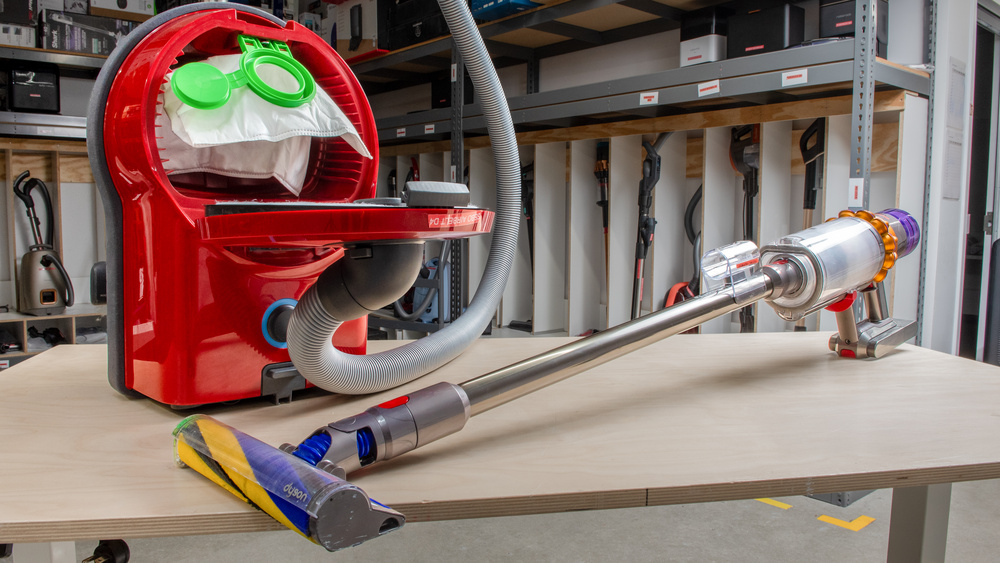
Bagged canister vacuums pull air and debris into a disposable bag inside the canister. The bag acts like a first filter, trapping dust, pet hair, and fine particles before air reaches the final filter. When the bag is full, you remove it and replace it.
Today's Exclusive Deals
Limited-time Exclusive Deals. Check current discount on Amazon.
Check Price on Amazon As an Amazon Associate I earn from qualifying purchases.This setup is simple and neat. You do not have to dump dust into the trash every time you clean. That makes bagged canister vacuum models a strong pick for people who hate mess or deal with allergies.
A few things stand out with bagged systems:
- They tend to hold dust more securely.
- They often keep the inside of the vacuum cleaner.
- They make disposal fast and clean.
- They usually need replacement bags over time.
I’ve found that bagged canister vacuum users often stick with their machines longer because maintenance feels easier. There is less “vacuum dust cloud” drama when it is time to empty the unit.
How bagless canister vacuums work
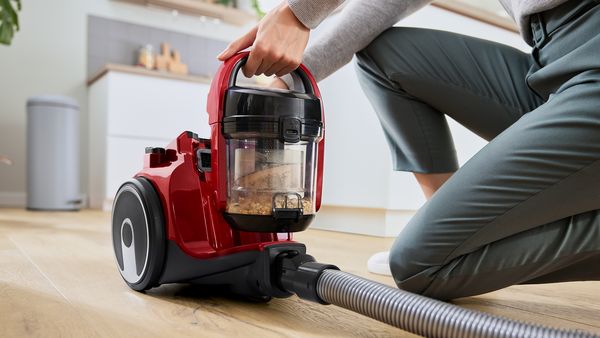
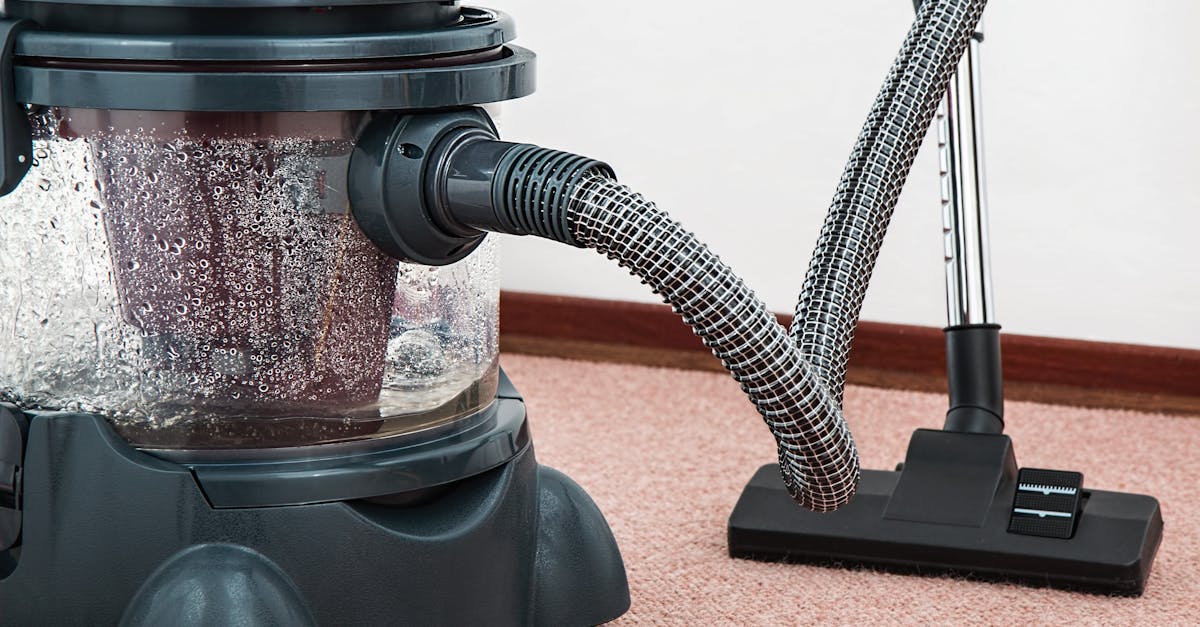
Bagless canister vacuums collect dirt in a clear bin or dust cup. You empty the container into a trash can, then snap it back into place. Most models use washable or reusable filters to help trap smaller particles.
The big draw is convenience and lower long-term cost. You do not need to keep buying bags. You can also see when the bin is full, which some users like.
Still, bagless canister vacuum models have their own downsides:
- Emptying the bin can release dust.
- Filters need regular cleaning.
- Fine debris can cling to the cup and parts.
- Performance may drop if the bin is not cleaned often.
I have seen many people love bagless vacuums at first, then get annoyed by the dirty bin routine. If you vacuum often, that extra cleanup can become the part you dread most.
Bagged vs bagless canister vacuum: key differences that matter
When people ask about bagged vs bagless canister vacuum options, they usually want the practical stuff. Here is where the differences really show up.
Dust control and air quality
Bagged canister vacuums usually do better at containing dust. The sealed bag reduces the chance that dirt escapes back into the air during disposal. That can matter a lot if someone in the home has allergies, asthma, or strong dust sensitivity.
Bagless canister vacuums can still be good, but emptying them often creates a puff of dust. Even with good filters, the emptying process is usually messier than a bagged system. For air quality, the bagged canister vacuum usually has the edge.
Ongoing cost
Bagless canister vacuums usually cost less to keep running. Since there are no replacement bags, your main upkeep cost is filter care and the occasional replacement filter. That appeals to people who want fewer recurring purchases.
Bagged canister vacuums cost more over time because bags must be replaced. The cost may be modest, but it adds up. If you vacuum a lot or have a large home, that is worth factoring into the bagged vs bagless canister vacuum decision.
Ease of emptying
Bagless wins on speed in some cases, because you just dump the bin. But “easy” is not always the same as “clean.” If dust bothers you, the bagless emptying process can feel unpleasant.
Bagged vacuums are usually cleaner to dispose of. You pull the bag, seal it, and toss it. That is one reason many people with allergies prefer bagged canister vacuum designs.
Maintenance
Bagged models usually need fewer messy cleanups. You replace the bag, check the filter, and move on. The bag does a lot of the work.
Bagless models need more hands-on attention. Filters must be washed or replaced on schedule, and the dust cup needs regular cleaning. If you skip that, suction can suffer.
Filtration
Many premium bagged canister vacuums use strong multi-stage filtration and sealed systems. That helps trap fine particles like pollen, dust mite debris, and pet dander. For many buyers, that is a major reason to choose bagged.
Bagless systems can also offer HEPA-level filtration, but the user must keep the filter system clean for it to work well. A clogged filter can reduce airflow fast. In the bagged vs bagless canister vacuum debate, filtration quality often depends on both design and upkeep.
Noise and feel
Noise varies by brand, but bagged vacuums often sound smoother to many people. The bag can slightly soften the sound of debris hitting the inside of the machine. That may not matter to everyone, but it is a pleasant bonus.
Bagless units can sound a bit harsher, especially when the dust cup is full. The difference is not huge, but in a small apartment it can be noticeable.

Which is better for allergies and asthma?
If allergies or asthma are a major concern, bagged canister vacuum models are usually the safer bet. The sealed bag keeps dust contained from the moment it enters the vacuum until disposal. That helps reduce exposure during cleanup.
Many allergy organizations and indoor air quality experts recommend vacuuming with strong filtration and sealed dust disposal. That is one reason bagged models often rank high in homes with pet dander, pollen, or dust mite issues. I have seen families make this switch and immediately notice less irritation after cleaning day.
Bagless canister vacuums can still work well if they use true HEPA filtration and are emptied carefully outdoors or into a trash bag. But if someone in the home is very sensitive, the bagged canister vacuum is usually the better choice.
Which is better for pet hair?
Pet hair is where the bagged vs bagless canister vacuum question gets interesting. Both styles can handle pet hair well if the brush head and airflow are strong enough. The real difference is what happens after the hair is collected.
Bagged canister vacuums make disposal easier when the bin is full of fur, dust, and dander. You do not need to reach into a hairy dust cup. That makes them popular with cat and dog owners.
Bagless canister vacuums let you see the fur buildup, which can be useful. But pet hair often sticks inside the cup and around the filter area. If you clean up a lot of shedding, bagged models often feel less frustrating.
Which is better for hardwood floors and rugs?
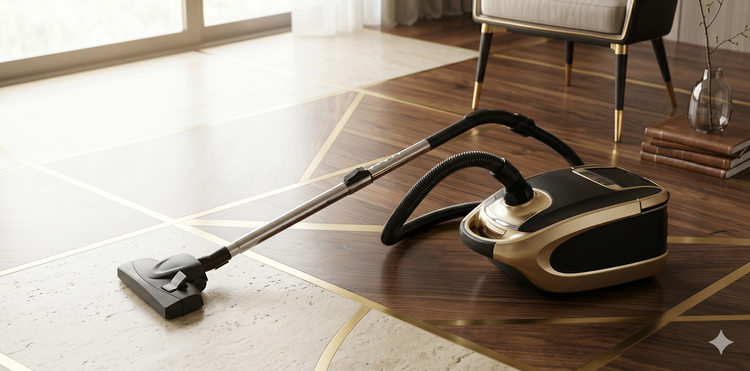
Canister vacuums are a strong choice for hardwood floors because the hose and floor head are easy to control. In many homes, both bagged and bagless canister vacuum models perform well on hard floors. The main difference is not the floor type but the cleanup system.
For area rugs and low-pile carpet, suction and brush design matter more than bag style. A good canister vacuum with the right head will do the job in either format. If you have mixed flooring, focus on attachments, brush control, and seal quality first.
For deep carpet, canister vacuums are often less ideal than upright vacuums, though high-end models can still handle it. In that case, bagged or bagless matters less than the vacuum’s carpet performance.
Cost breakdown: short-term vs long-term value
A bagless canister vacuum often looks cheaper on paper. You pay once, then reuse the bin. That makes it attractive for budget shoppers.
A bagged canister vacuum may cost more over time because bags need replacing. However, some people save money in other ways. They may spend less time cleaning filters or replacing clogged parts, and they may get better performance retention.
Here is the simple way I look at it:
- Choose bagless if you want lower ongoing supply cost.
- Choose bagged if you want less mess and better dust control.
- Choose based on total comfort, not just the sticker price.
A vacuum is a tool you use every week. If the cheaper option makes you avoid cleaning, it is not really cheaper in real life.
:strip_exif():no_upscale():format(webp):quality(58)/1643387166000/smallballandkenmore.jpeg)
Maintenance and cleaning tips for both types
No matter which side you choose in the bagged vs bagless canister vacuum debate, maintenance matters. A well-kept vacuum lasts longer and cleans better.
For bagged canister vacuums
- Replace the bag before it gets completely packed.
- Check the hose and wand for clogs.
- Clean or replace filters on schedule.
- Use the right bag size for your model.
For bagless canister vacuums
- Empty the dust cup before it reaches the fill line.
- Wash filters as directed by the manufacturer.
- Let washable filters dry fully before reuse.
- Clean the cyclone area and seals if suction drops.
From experience, the biggest mistake people make with bagless units is ignoring the filter. That one step can make a good vacuum feel weak. On the bagged side, a common mistake is waiting too long to replace the bag, which can also hurt airflow.
My honest take after comparing both styles
If I had to choose one for most homes, I would lean toward a bagged canister vacuum. It is usually cleaner, easier on allergies, and less annoying at emptying time. For families, pet owners, and anyone who wants low-fuss upkeep, that matters a lot.
That said, bagless canister vacuum models are still a smart choice if you care most about lower ongoing costs and do not mind a little extra maintenance. If you are the kind of person who empties the bin outdoors and keeps filters clean, bagless can work beautifully.
The best choice is the one you will actually use well. I have seen expensive vacuums fail because they were inconvenient, and midrange vacuums shine because they fit the owner’s routine. That is the real lesson in the bagged vs bagless canister vacuum conversation.
How to choose the right canister vacuum for your home
Before you buy, think about how you live day to day. The right vacuum should fit your habits, not just the product page.
Use this simple checklist:
- Choose bagged if you want cleaner disposal and better dust containment.
- Choose bagless if you want to skip buying bags and prefer a visible dust bin.
- Choose bagged if allergies or asthma are a concern.
- Choose bagless if you do not mind cleaning filters and bins often.
- Check the vacuum’s filtration system, attachments, and floor head design.
- Read the dust capacity and maintenance instructions before buying.
If you are still unsure, compare replacement bag prices, filter costs, and ease of emptying. Those details often reveal the best fit faster than brand marketing does.
Frequently Asked Questions
Are bagged canister vacuums better than bagless ones?
Bagged canister vacuums are usually better for dust control and allergy relief. They also tend to be cleaner and easier to empty without making a mess.
Do bagless canister vacuums lose suction faster?
They can, especially if the dust cup or filters are not cleaned regularly. A clogged filter can reduce airflow and make the vacuum feel weaker.
Which vacuum type is cheaper over time?
Bagless canister vacuums are usually cheaper over time because you do not buy replacement bags. Bagged models may cost more in supplies, but some users feel the cleaner disposal is worth it.
Are bagged canister vacuums better for pet owners?
Often yes, especially if you deal with heavy shedding or dander. Bagged models make pet hair disposal much cleaner and less irritating.
Can bagless vacuums be good for allergies?
Yes, but they need strong filtration and careful emptying. Even then, bagged canister vacuums are usually the better choice for sensitive users.
How often should I replace vacuum bags or clean filters?
Replace a bag when it is about two-thirds to three-quarters full, or sooner if suction drops. Clean or replace bagless filters based on the manufacturer’s schedule, since different models vary.
Conclusion
The bagged vs bagless canister vacuum choice comes down to what you value most. If you want cleaner disposal, better dust control, and a more allergy-friendly setup, bagged is usually the better pick. If you want lower ongoing costs and do not mind more hands-on cleanup, bagless can be a solid choice.
For most homes, I’d recommend thinking beyond the label and focusing on your real routine. The best vacuum is the one that fits your floors, your health needs, and your tolerance for maintenance. If this guide helped, explore more vacuum buying tips, compare a few models side by side, and leave a comment with what matters most in your home.

