

A canister vacuum hose is best cleaned by unplugging it, removing clogs, flushing debris, and drying it fully.
Today's Exclusive Deals
Limited-time Exclusive Deals. Check current discount on Amazon.
Check Price on Amazon As an Amazon Associate I earn from qualifying purchases.A dirty or blocked hose can make any canister vacuum feel weak, noisy, or plain frustrating. I’ve seen this more times than I can count: the machine looks fine, but the hose is hiding everything from dust bunnies to pet hair to tiny paper scraps. If you want your canister vacuum to pull like it should, knowing how to clean a canister vacuum hose the right way makes a big difference.
Why a clean canister vacuum hose matters
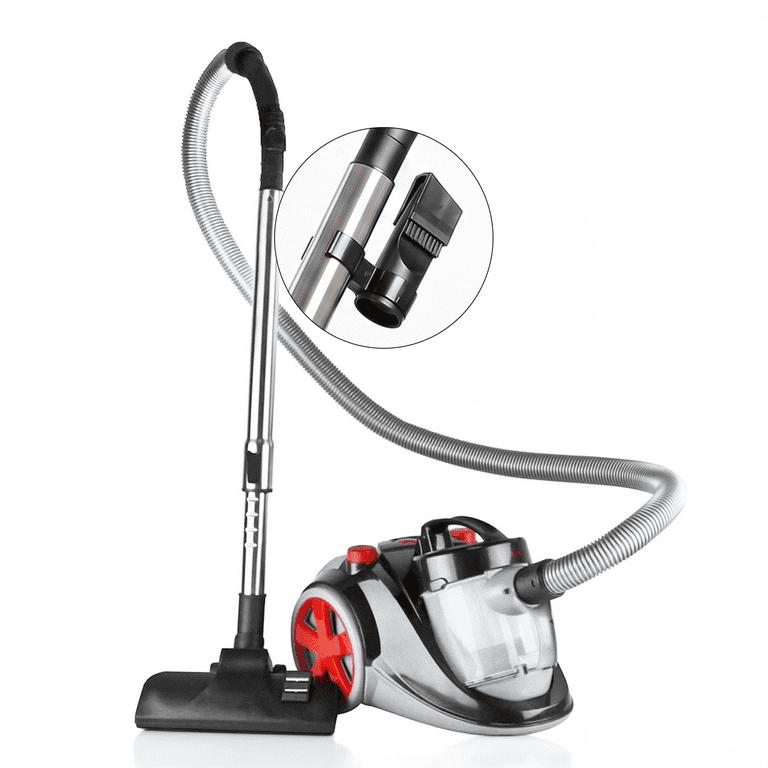
A canister vacuum hose is the main airway between the floor tool and the vacuum body. If that path gets clogged, suction drops fast. Even a small blockage can make the whole machine seem tired.
Today's Exclusive Deals
Limited-time Exclusive Deals. Check current discount on Amazon.
Check Price on Amazon As an Amazon Associate I earn from qualifying purchases.A clean hose also helps your vacuum last longer. When airflow is blocked, the motor works harder. That extra strain can lead to heat buildup, poor performance, and more wear over time.
There’s also a hygiene benefit. Dust, pet dander, food crumbs, and moldy moisture can build up inside the hose. If you clean a canister vacuum hose regularly, you help keep the air in your home fresher too.
What you need before you clean a canister vacuum hose
Before you start, gather a few simple items. You do not need special tools in most cases.
- A flashlight
- A long, flexible brush or broom handle wrapped in cloth
- Warm water
- Mild dish soap
- A bucket or tub
- A clean towel
- A dry, well-ventilated space
If your hose has electronic controls or wiring, check the manual first. Some hoses should not be soaked, and forcing water into the wrong type can damage internal parts. When in doubt, clean the hose gently and avoid full submersion.
Today's Exclusive Deals
Limited-time Exclusive Deals. Check current discount on Amazon.
Check Price on Amazon As an Amazon Associate I earn from qualifying purchases.How to clean a canister vacuum hose step by step
Cleaning a canister vacuum hose is usually simple if you take it slow. The biggest mistake I see is people rushing and pushing a clog deeper. That can turn a small fix into a bigger one.
1. Turn off and unplug the vacuum
Always unplug the vacuum before you do anything else. This protects you from accidents and keeps the motor from starting while you work. It also gives you a clean, safe setup.
2. Remove the hose from the vacuum
Detach the hose from both ends if possible. Check the connections for dust, hair, or debris. Sometimes the problem is not deep inside the hose at all, but right at the opening.
3. Look inside the hose
Use a flashlight to inspect the full length of the hose. Hold it up to the light if it is flexible enough. If you see a clog, mark where it sits so you know where to focus.
4. Dislodge loose debris
Tap the hose gently to loosen dirt. You can also bend and flex it a bit to shift material inside. For stubborn clumps, push a soft broom handle or similar blunt object through carefully.
Do not use sharp tools. A knife, wire hanger, or stiff pointed rod can puncture the hose wall. I learned that lesson early on with a cracked hose that looked fine until suction vanished for good.
5. Wash the hose if it is safe to do so
If the hose is washable, fill a tub or sink with warm water and a little mild dish soap. Swish the hose through the water and flush it with clean water. This helps remove dust film, sticky residue, and odor.
If the hose is not meant to be soaked, wipe the inside as much as possible with a damp cloth on a flexible brush or handle. You can also run dry air through it to remove loose debris. Always follow the maker’s care instructions when they are available.
6. Rinse thoroughly
Soap left inside can attract dirt later. Rinse the hose until the water runs clear. Make sure there is no suds or residue inside the tube.
7. Dry the hose completely
This step matters more than many people think. A damp hose can trap odor, encourage mold, and even damage the vacuum if reattached too soon. Hang it in a warm, airy place until it is fully dry.
If possible, let it sit overnight. I usually give it extra time rather than risk hidden moisture. A hose that feels dry on the outside may still hold water inside bends or ridges.
8. Reattach and test suction
Once the hose is fully dry, reconnect it and test the vacuum. Run it for a minute and listen for strong airflow. If the suction still seems weak, the blockage may be in the wand, brush head, filters, or canister itself.

Common causes of a clogged canister vacuum hose
A canister vacuum hose can clog for many reasons. Some are obvious, and some sneak up on you over time.
- Pet hair that mats together inside the tube
- Large crumbs or food pieces
- Paper scraps, tissue, or small toy parts
- Dust buildup from repeated use
- Sticky residue from wet debris
- Moisture that leads to grime or odor
- Kinks or bends that trap debris
In homes with pets or kids, clogs happen more often. That is normal, not a sign that your vacuum is failing. It just means the hose needs a little more attention.
How often should you clean a canister vacuum hose?
For most homes, checking the hose every one to three months is a smart habit. If you have pets, heavy foot traffic, or frequent messes, you may need to clean it more often. If suction suddenly drops, check the hose right away.
A simple monthly inspection can save a lot of time. I treat it like checking a sink drain before it overflows. Catching a small issue early is always easier than fixing a full blockage later.
What not to do when cleaning a canister vacuum hose
Some cleaning methods can do more harm than good. Avoid these common mistakes.
- Do not use sharp tools that can puncture the hose
- Do not pour boiling water into the hose
- Do not reattach a damp hose
- Do not force hard clogs through with too much pressure
- Do not soak hoses with built-in wiring unless the manual says it is safe
- Do not ignore cracks, tears, or loose fittings
If the hose is damaged, cleaning may not be enough. A cracked hose can leak air and reduce suction even when it looks clean. In that case, replacement is often the better fix.
Tips to keep your canister vacuum hose cleaner for longer
A little prevention goes a long way. These habits help reduce clogs and keep airflow steady.
- Empty the canister before it gets too full
- Clean or replace filters on schedule
- Avoid vacuuming wet messes unless the machine is made for it
- Pick up large debris by hand first
- Store the hose without sharp bends
- Check for tangles after vacuuming pet hair
- Inspect the hose connection points often
One of the simplest tricks is to listen to your vacuum. A change in sound often comes before a full clog. If it starts to strain, whistle, or lose pull, check the hose before the problem gets worse.
When to replace the hose instead of cleaning it
Sometimes a hose is too far gone to save. Cleaning helps, but it cannot fix everything. If you notice any of these issues, replacement may be the right choice.
- Visible cracks or holes
- A crushed or permanently bent section
- Strong odors that remain after cleaning
- Repeated clogs in the same place
- Air leaks at the ends
- Torn internal lining
Replacement can seem annoying, but it often restores suction fast. In my experience, a worn hose can waste more time than it is worth. A new hose is usually a better value than fighting the same weak airflow over and over.
Frequently Asked Questions of How do you clean a canister vacuum hose?
Can I wash a canister vacuum hose with water?
Yes, if the hose is designed to be washable and does not contain electrical parts. Use warm water and mild soap, then rinse and dry it completely before reattaching it.
How do I know if my vacuum hose is clogged?
The biggest signs are weak suction, strange noises, and a vacuum that feels like it is working harder than usual. You can also hold the hose up to the light or run a flexible brush through it to check for blockages.
Can I use vinegar to clean a vacuum hose?
You can, but mild soap and warm water are usually enough. If you use vinegar, dilute it and rinse well so the smell does not linger inside the hose.
What should I do if the clog is stuck deep inside?
Try a flexible brush, broom handle, or gentle compressed airflow if the hose material allows it. If the clog will not move, check whether it is actually in the wand, brush head, or canister instead of the hose.
How long does it take for a vacuum hose to dry?
Drying time depends on the hose length and room conditions, but overnight is a safe rule. Make sure the inside is fully dry before use, because trapped moisture can cause odor or mold.
Conclusion
Knowing how to clean a canister vacuum hose is one of those simple home skills that pays off fast. It improves suction, helps your vacuum last longer, and keeps your cleaning routine less frustrating. Best of all, it usually takes only a little time once you know the steps.
If your vacuum has been acting weak, start with the hose before you assume the machine is failing. Clean it, dry it well, and check it regularly so you can keep your canister vacuum working like it should. If this guide helped, save it for later, share it with someone who has a dusty vacuum, or leave a comment with your own cleaning tip.

