

Yes, canister vacuums can be excellent for pet hair when they have strong suction and the right tools.
If you live with pets, you already know that fur has a way of showing up everywhere. On rugs, on stairs, on sofa seams, and somehow even in places your eyes can barely reach. Over the years, I’ve seen canister vacuums shine in homes with shedding dogs and cats because they are flexible, easy to maneuver, and often better at reaching tight spots than many upright models. In this guide, I’ll break down when a canister vacuum is a smart choice for pet hair, where it falls short, and how to choose one that actually makes cleanup easier.
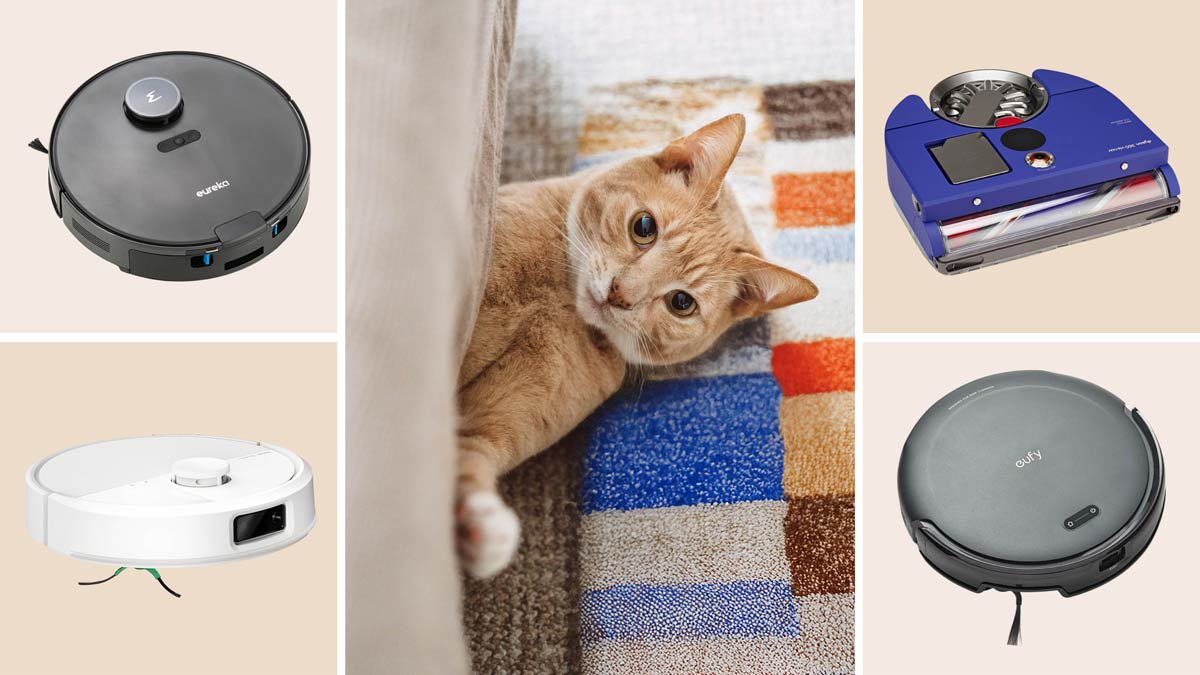
Are canister vacuums good for pet hair?
Yes, canister vacuums are often very good for pet hair, especially if you need to clean stairs, furniture, hardwood floors, and tricky corners. Their design usually gives you better reach and more control than heavier upright vacuums, which can make a big difference when pet hair clings to fabric and edges.
The real key is not just the vacuum type, but the features. A canister vacuum with strong suction, a motorized brush head, a sealed system, and a good pet tool can outperform many machines that look more powerful on paper. I’ve found that families with multiple pets tend to like canister vacuums because they feel lighter in the hand, and that makes daily cleaning less of a chore.
Why canister vacuums work well for pet hair
Canister vacuums are built with a separate body and cleaning head, connected by a hose. That setup gives you more freedom to move the nozzle across floors, under furniture, and around chair legs.
Here’s why that matters for pet hair:
- Strong suction helps lift hair from carpet fibers and upholstery
- A flexible hose makes it easier to clean stairs and sofas
- Lightweight cleaning wands reduce arm strain during longer cleanups
- Many models include pet-specific attachments for lint, fur, and dander
- Canister bodies often roll smoothly, so you are not pushing the full vacuum around
In real use, this matters most in homes with shedding breeds, long-haired cats, or pets that nap on furniture. Hair does not just sit on the surface. It often weaves into fabric like thread in a rug, so the right attachment and airflow can be just as important as suction strength.
What makes a canister vacuum effective on pet hair
Not every canister vacuum is equal. Some are great on hard floors but weak on thick carpet. Others work well on pet hair but are noisy, bulky, or annoying to empty.
If you want one that truly handles pet hair, look for these features:
- Motorized brush roll for carpets and rugs
- Strong sealed suction to capture fine hair and dander
- HEPA filtration or a high-quality allergen filter
- Tangle-resistant brush design
- Pet upholstery tool for couches and beds
- Crevice tool for baseboards and tight spaces
- Easy-to-empty dust bin or bag system
A motorized brush is especially important if your pet sheds into low-pile or medium-pile carpet. Without it, hair can stay stuck deep in the fibers. For hard floors, a soft roller or bare floor head is often better because it picks up fur without scattering it.
Canister vacuums vs upright vacuums for pet hair
This is one of the biggest questions shoppers ask. The answer depends on your home and cleaning habits.
Canister vacuums are often better if:
- You have stairs
- You clean furniture often
- You have mixed flooring
- You need to reach under beds or sofas
- You want easier handling for long cleaning sessions
Upright vacuums are often better if:
- You have large carpeted areas
- You want one machine that is simple to store and grab
- You prefer all-in-one cleaning without dragging a canister behind you
From my experience, canister vacuums usually win on versatility. Uprights can feel more direct on wall-to-wall carpet, but canisters are often easier to use across real homes with pets, where fur ends up on hard floors, stairs, and upholstery just as much as on rugs.
Best surfaces for canister vacuums with pet hair
Canister vacuums do especially well on:
- Hardwood floors
- Tile and vinyl
- Low-pile rugs
- Stairs
- Upholstered furniture
- Baseboards and corners
These surfaces are where pet hair likes to gather and where canister vacuums are most comfortable to use. A good floor head can glide across hard surfaces without scratching them, while a mini turbo brush or upholstery tool can pull pet hair off fabric with surprising ease.
If your home has thick, plush carpet, be more careful. You’ll want a canister with a motorized carpet head, because basic suction alone may not be enough.
Common limitations of canister vacuums for pet hair
Canister vacuums are not perfect. I’ve seen people buy one expecting magic, only to find a few annoying tradeoffs.
Some common limitations include:
- The canister can feel awkward in tight rooms
- Cheaper models may lose suction on carpet
- Hoses can get in the way if they are too short
- Some brush heads clog with long pet hair
- Emptying a bagless bin can send fur and dust back into the air
- Bagged models cost more over time, though they can be cleaner to maintain
The biggest mistake is choosing a canister vacuum based only on brand name or suction claims. A vacuum can sound strong in the spec sheet but still struggle if the brush head is weak or the seal is poor. For pet hair, the whole system matters.
How to choose the right canister vacuum for pet hair
If you are shopping for one, keep the process simple. Focus on how your pets shed and where the hair lands most often.
Use this checklist:
-
Match the vacuum to your floors
Choose a motorized head if you have carpet. Choose a soft floor head if you have mostly hard floors. -
Look for pet tools
A mini motorized tool or upholstery brush can be a game changer on couches, beds, and car seats. -
Check filtration
HEPA filtration helps trap fine dander and allergens, which is useful if anyone in the home has allergies. -
Think about maintenance
Hair wraps around brush rolls fast. Look for easy-access rollers and washable parts. -
Consider bagged vs bagless
Bagged canisters often hold odors and dust better, while bagless models save on replacement costs. -
Test the weight and hose feel
A vacuum that feels balanced is more likely to get used often, which matters more than fancy marketing.
If you have multiple pets, I’d lean toward a model with strong suction, a sealed system, and a powered floor head. That combination tends to handle daily shedding without making every cleanup feel like a project.
Tips to get better results with pet hair
Even a good vacuum works better when you use it the right way. These small habits can make a big difference.
- Vacuum more often in high-shed seasons
- Pre-brush pets when possible to reduce loose fur
- Use slow passes so the brush can lift embedded hair
- Clean filters regularly to protect suction
- Empty the bin or replace the bag before it gets overfilled
- Remove hair from the brush roll before it wraps too tightly
- Use the upholstery tool on furniture before hair gets pressed into fabric
One lesson I learned the hard way: waiting too long between cleanings makes the job much harder. Fresh pet hair is much easier to lift than hair that has been stepped on, ground in, or packed into carpet fibers.
Are canister vacuums good for pet hair on carpets?
Yes, but only if the vacuum has the right carpet head. A plain suction-only canister may struggle with deep carpet fibers, especially if your pet sheds heavily.
For carpets, look for:
- A motorized brush roll
- Adjustable height settings
- Strong airflow
- Anti-tangle features
If you have mostly carpet and only a little furniture cleaning, an upright might be more convenient. But if your home has a mix of carpet, hard floors, and stairs, a canister vacuum can be the better all-around choice.
Are canister vacuums good for pet hair on furniture?
Yes, they are often excellent on furniture. This is one of the biggest strengths of canister vacuums because the hose and handheld tools make it easy to clean sofa cushions, pet beds, and even curtains.
A mini turbo brush or upholstery nozzle can pull hair out of fabric much better than a standard floor head. For homes where pets love the couch, a canister vacuum can feel like a secret weapon.
Are canister vacuums good for pet hair and allergies?
They can be, especially if they have HEPA filtration and a sealed airflow path. That helps trap dander, fine dust, and allergens instead of blowing them back into the room.
This matters if someone in the house sneezes around pets or if you want cleaner indoor air overall. Still, not all models are equally sealed, so it is worth checking the filtration design before buying.
Frequently Asked Questions of Are canister vacuums good for pet hair?
Do canister vacuums pick up dog hair well?
Yes, many canister vacuums pick up dog hair very well, especially on hard floors, stairs, and furniture. The best results usually come from a model with strong suction and a motorized attachment for rugs or carpet.
Are canister vacuums better than uprights for cat hair?
They can be, especially if cat hair ends up on sofas, stairs, and tucked-away corners. Uprights may be better for large carpeted rooms, but canisters often do a better job in mixed spaces.
What vacuum attachment is best for pet hair?
A mini motorized brush or upholstery tool is usually best for pet hair on fabric. For floors, a motorized brush roll or soft roller gives the best pickup without scattering fur around.
Do bagged canister vacuums work better for pet hair?
Bagged canister vacuums can be better for odor control and cleaner disposal. They also tend to hold dust and hair more neatly, which is helpful if you want less mess when emptying the vacuum.
How often should I vacuum if I have pets?
Most homes with pets benefit from vacuuming at least two to three times a week, and daily in heavy-shedding areas. If your pet sheds a lot, shorter and more frequent cleanups usually work better than one big session.
Conclusion
Canister vacuums are a strong choice for pet hair, especially in homes with stairs, furniture, hard floors, and mixed surfaces. They are flexible, easy to steer, and often better at reaching the places where pet hair loves to hide.
The best results come from choosing the right features, not just the right brand. Focus on strong suction, a motorized brush, good filtration, and tools made for upholstery and corners. If you match the vacuum to your home and pet habits, cleanup gets easier fast. Take what fits your space, compare a few models carefully, and you’ll be much closer to a cleaner, calmer home.


5 Comments
Pingback: Are Canister Vacuums More Powerful Than Upright Vacuums: Truth - Vacuum Cleaner Tips
Pingback: Are Canister Vacuums Good For Under Furniture: Best Pick - Vacuum Cleaner Tips
Pingback: Can Canister Vacuums Reach Under Beds: What To Know - Vacuum Cleaner Tips
Pingback: Can Canister Vacuums Clean Upholstery: Easy Guide - Vacuum Cleaner Tips
Pingback: Are Canister Vacuums Worth Buying: Pros And Cons - Vacuum Cleaner Tips