

Canister vacuums can clean upholstery well when you use the right attachment and settings.
Canister vacuums are one of the most flexible tools I’ve used for home cleaning, and upholstery is one of the places where they can really shine. If you want to clean sofas, chairs, ottomans, or even car seats, the key is knowing how to match the vacuum’s suction and nozzle to the fabric. This guide breaks down when a canister vacuum works, when it doesn’t, and how to get safe, effective results on upholstery.

Canister vacuums are good for upholstery in many homes
Yes, canister vacuums can clean upholstery very effectively. In fact, many people find them easier to use on fabric furniture than upright vacuums because the hose and wand give you more control. That control matters when you are working around seams, cushions, tufting, and tight corners.
From my own experience, the biggest advantage is precision. A canister vacuum lets you move slowly across the fabric and use a smaller tool, which is often better than blasting a large head over soft furniture. I’ve seen better results on family-room couches, dining chairs, and car interiors when the vacuum had a dedicated upholstery tool.
The main thing to remember is that not every canister vacuum is made equal. Strong suction, a soft brush, and the right fabric setting make a big difference. Upholstery can be delicate, so the goal is to lift dust, crumbs, pet hair, and allergens without damaging the material.
How canister vacuums clean upholstery
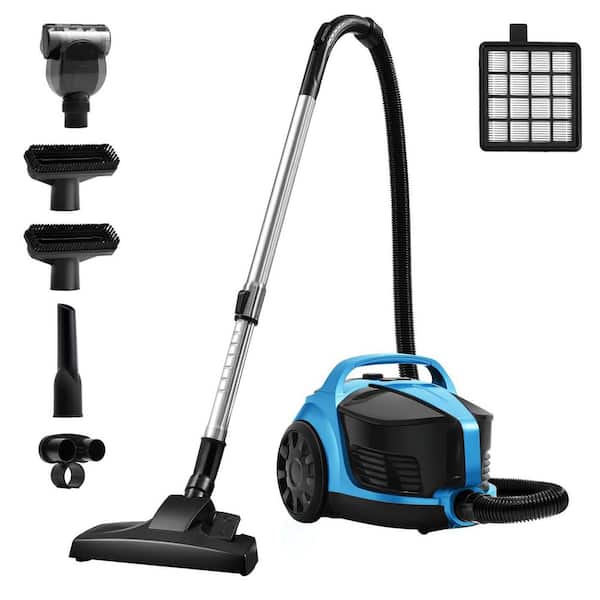
Canister vacuums clean upholstery by using suction through a hose and accessory tool rather than a wide floor head. This setup makes them ideal for fabric surfaces because you can target small areas and adjust your approach based on the material. Many models also come with a mini motorized brush or a soft dusting tool designed for furniture.
Here is why that works so well:
• Suction pulls dirt from the weave of the fabric
• Narrow tools reach seams, edges, and creases
• Brush attachments help loosen pet hair and trapped lint
• Adjustable power reduces the risk of pulling on delicate fabric
I’ve found that upholstery often hides more debris than people expect. A couch can look clean from far away but still hold crumbs, skin flakes, dust, and pet hair in the folds. A canister vacuum can remove that buildup if you move slowly and use the right attachment.
Best upholstery attachments to use
The attachment matters as much as the vacuum itself. If you use the wrong tool, you may push debris around instead of removing it. You can also risk snagging fabric, especially on woven or loose-texture upholstery.
The most useful attachments include:
• Upholstery tool: A wide, usually flat attachment made for fabric surfaces
• Soft brush attachment: Good for lifting dust without harsh contact
• Mini turbo brush: Helpful for pet hair and embedded lint
• Crevice tool: Best for seams, cushions, and tight edges
In practice, I usually start with the upholstery tool and then switch to a crevice tool for corners. For pet hair, a mini brush often does more work than suction alone. If your vacuum includes a brush with soft bristles, that is usually the safest place to begin.
What upholstery canister vacuums clean well
Canister vacuums are great for many common upholstery fabrics. They work especially well on materials that can handle light brushing and moderate suction. Most everyday furniture fabrics respond well if you use care.
Good matches include:
• Microfiber
• Cotton blends
• Polyester upholstery
• Performance fabrics
• Leather, with the right soft attachment
• Car seats and fabric headrests
I’ve had the best results on microfiber and polyester sofas because they tend to hold dust and pet hair on the surface where vacuuming can reach it. Leather is different. You can vacuum leather furniture, but only with a soft brush or upholstery tool, never with a rough brush that could mark the surface.
When canister vacuums may not be the best choice
Even though canister vacuums can clean upholstery, they are not always the perfect tool. Very delicate fabrics may need gentler handling, and some materials should not be vacuumed aggressively at all. If the fabric is loose, frayed, or fragile, strong suction can create problems.
Use extra caution with:
• Silk or silk blends
• Antique or fragile upholstery
• Loose weave fabrics
• Velvet, unless the manufacturer says it is safe
• Upholstery with peeling surface material
I learned this the hard way once with a worn chair that had a loose weave. The vacuum did not damage it, but the fabric started to lift a little where the suction was strongest. Since then, I always test a hidden spot first and lower the suction when I am unsure.
How to clean upholstery with a canister vacuum
A careful method gives the best result. Think of upholstery cleaning like sweeping a staircase with a toothbrush instead of a broom. It takes a little more time, but the finish is much better.
Follow these steps:
-
Check the care tag
Look for fabric codes or cleaning instructions before you vacuum. -
Choose the right attachment
Use an upholstery tool or soft brush for most surfaces. -
Test a hidden area
Try a small spot first to make sure the fabric does not snag or distort. -
Lower the suction if needed
Use less power on delicate or lightweight fabrics. -
Vacuum slowly
Move in overlapping passes so debris has time to lift. -
Focus on seams and folds
Crumbs and dust usually collect there. -
Finish with a crevice tool
Clean edges, under cushions, and tight corners.
A slow, steady pass almost always beats a quick one. If you rush, the vacuum may skip over hair and dust instead of collecting it. That is one of the most common mistakes I see in home cleaning.
Benefits of using a canister vacuum on upholstery
There are several reasons canister vacuums are popular for furniture care. They are flexible, easy to steer, and usually come with more useful accessories than many other vacuum types. For homes with pets, kids, or frequent guests, that can be a big help.
Main benefits include:
• Better control on fabric surfaces
• Easier reach into corners and seams
• Often lighter at the cleaning point because the motor stays in the canister
• Good for stairs, sofas, and car interiors
• More accessory options for different fabrics
Another nice benefit is comfort. Because the motor is not in your hand, the cleaning head often feels lighter. That makes it easier to clean a whole sectional or a set of dining chairs without feeling worn out halfway through.

Limitations to keep in mind
Canister vacuums are useful, but they are not magic. They do not replace stain removal, steam cleaning, or deep fabric care when upholstery is heavily soiled. They are best for surface dirt, dust, crumbs, and pet hair.
Limitations include:
• They may not remove old stains
• Some fabrics need gentler care than vacuuming provides
• Very thick pet hair may need pre-brushing
• Cheap attachments may scratch or snag fabric
• Strong suction can distort soft upholstery if used carelessly
If your couch has deep stains or smells, vacuuming is only the first step. In those cases, a fabric-safe cleaner or professional upholstery cleaning may be necessary. A vacuum is like a daily maintenance tool, not always a full rescue plan.
Tips for cleaning upholstery safely and effectively
A few small habits can make a big difference. These are the things I recommend most after seeing what works in real homes.
• Always test the fabric first
• Use the softest attachment that gets the job done
• Reduce suction on delicate materials
• Clean cushions both on top and underneath
• Vacuum weekly in busy households
• Empty the canister often so suction stays strong
• Check for loose threads before you begin
If you have pets, try cleaning in two stages. First, loosen hair with a brush attachment. Then go back over the fabric with the upholstery tool. That two-step method usually works much better than one slow pass.
Canister vacuums vs other vacuum types for upholstery
Canister vacuums are often better than uprights for upholstery because they offer more reach and better maneuverability. Uprights can work in a pinch, but they are usually bulkier and less precise on furniture. Stick vacuums may help with quick touch-ups, but they often lack the same cleaning depth.
Here is the simple breakdown:
• Canister vacuum: Best balance of suction, control, and attachments
• Upright vacuum: Fine for quick jobs, less precise on furniture
• Handheld vacuum: Good for crumbs and fast cleanups, but not always as thorough
• Steam cleaner: Better for stains and deep cleaning, not dry debris
If your main goal is keeping sofas and chairs clean between deep cleans, a canister vacuum is often the smartest choice. It gives you enough power for dust and debris without feeling clumsy on fabric.
What to look for in a canister vacuum for upholstery
If you are shopping for a vacuum mainly for furniture, a few features matter more than the brand name. A good upholstery setup can save you a lot of time and frustration.
Look for:
• Adjustable suction control
• Upholstery and crevice attachments included
• Soft brush or mini turbo brush
• Good filtration, especially if you have allergies
• Easy hose handling and long reach
• Lightweight accessories
HEPA filtration can be especially helpful if dust or allergens are a concern. The Asthma and Allergy Foundation of America notes that reducing dust and allergens in the home can help improve indoor air quality. A vacuum with strong filtration helps keep fine particles from blowing back into the room.
Frequently Asked Questions of Can canister vacuums clean upholstery?
Can canister vacuums remove pet hair from upholstery?
Yes, canister vacuums can remove pet hair very well, especially if they include a mini turbo brush or upholstery tool. For best results, work slowly and go over the area in overlapping passes.
Is it safe to vacuum all upholstery fabrics with a canister vacuum?
No, not all fabrics should be vacuumed the same way. Delicate or loose weaves may need lower suction and a soft tool, and some fabrics should be spot-tested first.
Do canister vacuums clean sofa cushions better than uprights?
Often, yes. Canister vacuums are usually easier to maneuver around cushions, seams, and corners, which helps them clean furniture more thoroughly.
Can a canister vacuum replace deep cleaning upholstery?
Not usually. It is great for routine cleaning, dust, and pet hair, but stains and odors often need a deeper cleaning method.
What attachment is best for upholstery on a canister vacuum?
The upholstery tool is usually the best starting point. If you have pet hair or trapped lint, a mini brush or soft motorized attachment may work even better.
How often should I vacuum upholstery?
For most homes, once a week is a good rhythm. If you have pets, kids, or allergies, you may want to vacuum upholstered furniture more often.
Conclusion
Canister vacuums can absolutely clean upholstery, and in many homes they do it better than other vacuum types. With the right attachment, a gentle touch, and the right suction level, you can remove dust, crumbs, pet hair, and everyday dirt safely and efficiently.
The biggest lesson is simple: match the tool to the fabric. Take a minute to test a hidden spot, use soft accessories, and clean slowly. If you want your furniture to stay fresh longer, make upholstery vacuuming part of your regular routine and explore more fabric-safe cleaning tips to keep every room looking its best.

