

Your vacuum is likely leaving lines because the brush, suction, or carpet pile is interacting unevenly.

Today's Exclusive Deals
Limited-time Exclusive Deals. Check current discount on Amazon.
Check Price on Amazon As an Amazon Associate I earn from qualifying purchases.A clean-looking carpet can still show those striped vacuum marks, and that is actually a useful clue. I have seen this problem many times in homes with upright vacuums, and it usually points to simple things like brush height, worn bristles, strong suction, or a carpet that is too plush for the current setting. If you want to know why your upright vacuum leave lines on carpet and how to stop it without guessing, this guide walks through the real causes, the fixes that work, and the small mistakes that make the marks worse.

Why an upright vacuum leaves lines on carpet
Vacuum lines are the result of pressure, airflow, and brush contact changing the way carpet fibers stand up. When the upright vacuum passes over the carpet, the brush roll can push fibers in one direction, while suction lifts them in another. That contrast creates the neat light and dark stripes people notice right away.
Today's Exclusive Deals
Limited-time Exclusive Deals. Check current discount on Amazon.
Check Price on Amazon As an Amazon Associate I earn from qualifying purchases.In many cases, the lines are not damage. They are just the carpet pile laying in different directions. But if the marks are deep, uneven, or stay visible for a long time, the vacuum may be set too low, too strong, or simply not suited to the carpet type.
From my own experience, the most common mistake is assuming more suction always means a better clean. On some carpets, especially plush or high-pile styles, too much suction can make the fibers fold over and hold those marks longer than normal.
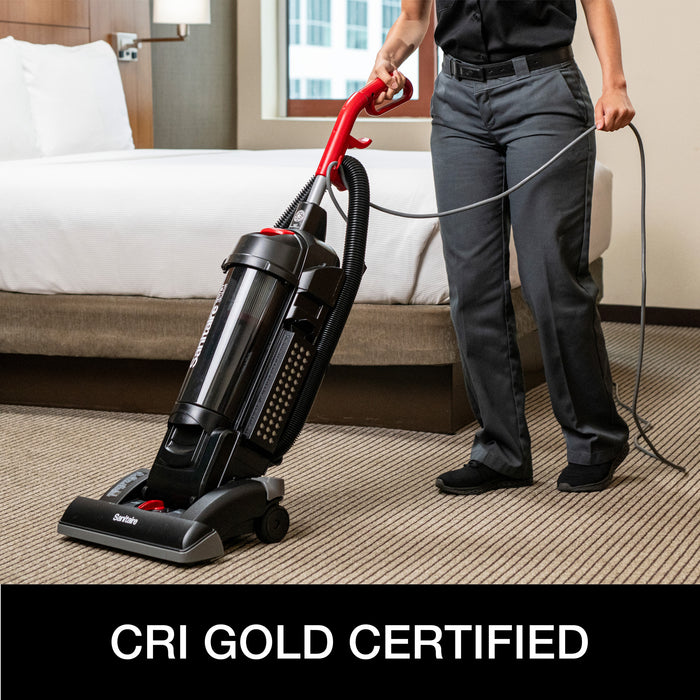
The most common reasons your upright vacuum leave lines on carpet
1. The brush roll is too aggressive
A spinning brush roll is supposed to loosen dirt from carpet fibers. But if it is too stiff, too fast, or set too low, it can press the pile down and leave visible tracks. This happens often on soft carpets and newer high-density rugs.
Today's Exclusive Deals
Limited-time Exclusive Deals. Check current discount on Amazon.
Check Price on Amazon As an Amazon Associate I earn from qualifying purchases.If the brush is worn or uneven, it can also create a patchy pattern. That is why two vacuums may make very different marks even on the same carpet.
2. The vacuum height is set wrong
Most upright vacuums have height settings for different carpet levels. If the head sits too low, the vacuum can drag, press, and create deep lines. If it sits too high, the brush may barely touch the carpet and leave uneven grooming marks.
I learned this the hard way on a medium-pile bedroom carpet. The vacuum seemed powerful, but it was actually too low for the pile, so it left bold stripes and made the carpet look flat in places.
3. The carpet pile is naturally showing pattern marks
Some carpets show vacuum lines more easily than others. Plush, cut-pile, and high-density carpets often display marks because the fibers bend and reflect light differently. That means the “lines” may be more of an appearance issue than a cleaning issue.
This is especially common in bright sunlight or near windows. The light hits the carpet and makes every stroke look more dramatic.
4. The suction is too strong for the carpet
Strong suction can be helpful on low-pile floors, but on soft carpet it can pull fibers down too hard. That can leave long-lasting lines and make the carpet look uneven right after vacuuming. In some cases, the vacuum may even feel hard to push, which is a big clue.
A suction control feature can help a lot here. If your upright vacuum has one, try lowering it and see if the lines become softer and less noticeable.
5. Dirty or worn brush bristles are changing the finish
A brush roll with bent, missing, or dirty bristles will not groom the carpet evenly. Instead of making a smooth, even pattern, it can leave random stripes or dull patches. Hair wrap and dust buildup can also interfere with the brush’s movement.
Regular cleaning matters more than many people expect. A neglected brush roll often turns a simple carpet refresh into an uneven mess.
6. The vacuum is too heavy or hard to maneuver
Weight matters. A heavier upright vacuum can press down more firmly, especially if you lean into it while pushing. That extra pressure can flatten the carpet pile and leave longer-lasting lines.
This shows up a lot when people vacuum quickly and use their body weight to force the machine forward. The carpet gets the message loud and clear.
7. The carpet is not fully recovered after vacuuming
Some carpets bounce back slowly after cleaning. If the fibers are thick or slightly crushed already, they may hold the vacuum pattern for hours. Older carpet can behave this way too, especially in high-traffic spaces.
That does not always mean the vacuum did anything wrong. Sometimes the carpet just needs time to relax and spring back.
How to stop your upright vacuum leaving lines on carpet
The fix usually starts with a few small changes. You do not need a new vacuum right away in most cases. I always suggest testing the settings before shopping, because a simple adjustment often solves the problem fast.
Adjust the height setting
Start by raising the vacuum head one level and test a small area. If the vacuum glides more easily and the lines look lighter, you have likely found the issue. The brush should contact the fibers without digging too deeply.
Try vacuuming a section twice with the same setting and compare the result. A better height setting often gives a cleaner, more even finish.
Reduce suction if possible
If your vacuum has suction control, lower it for plush or medium-pile carpet. This helps the carpet fibers lift and settle more naturally. It also reduces the chance of deep tracks.
If there is no suction control, try moving the vacuum more slowly and avoiding repeated passes in the same area. That can help limit over-grooming.
Clean the brush roll
Turn the vacuum off and unplug it first. Remove hair, threads, and debris from the brush roll, and make sure it spins freely. A clean brush roll helps distribute contact more evenly across the carpet.
This is one of those boring chores that pays off immediately. Many vacuum problems are really brush problems in disguise.
Replace worn parts
If the brush bristles are worn down, the belt is slipping, or the wheels are damaged, the vacuum may not ride evenly. Those parts affect how the machine sits on the carpet and how it finishes the pile. Replacing them can improve both cleaning and appearance.
In my experience, a weak belt or tired brush roll can make a good vacuum act like a cheap one. The fix is often smaller than people think.
Slow down your vacuuming pace
Pushing too fast can leave inconsistent lines because the brush and suction do not have time to work evenly. A slower, steady pace helps the vacuum groom the carpet more smoothly. It also reduces the chance of sudden pressure changes.
Think of it like brushing hair. Smooth, even strokes look better than rushed ones.
Use the right vacuum for the carpet type
Not every upright vacuum works well on every carpet. Some are built for low-pile surfaces, while others are better for thick carpet. If your vacuum constantly leaves heavy lines even after adjustment, it may not match your flooring.
This is where reading the manufacturer’s carpet recommendations helps. It is not marketing fluff; it is a practical guide to better results.
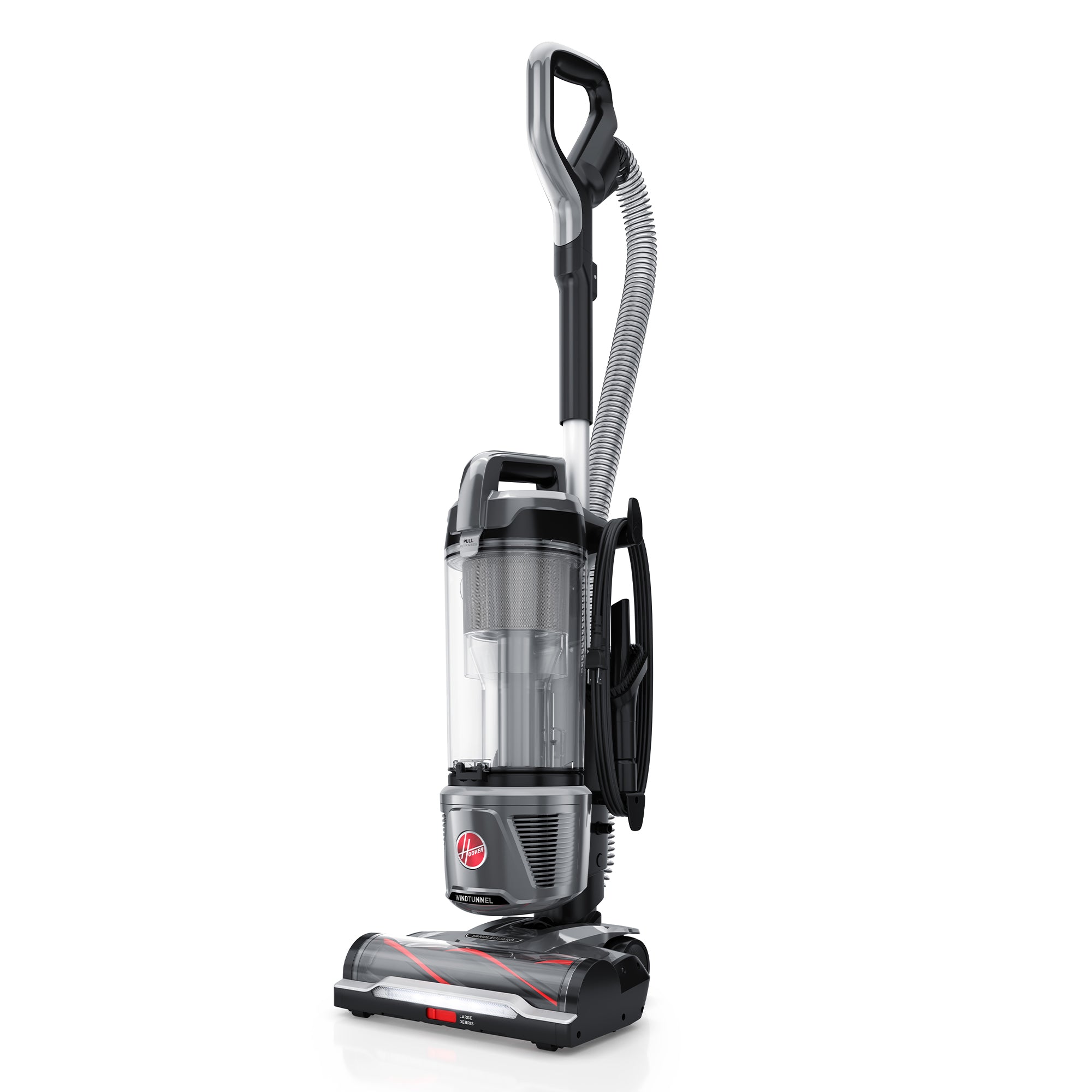
When vacuum lines are normal and when they are a problem
Vacuum lines are normal when they are light, even, and fade within a reasonable time. In many homes, those lines are actually a sign that the vacuum is grooming the carpet well. The fibers are simply bending in different directions.
They become a concern when they look harsh, stay uneven, or show obvious damage. Watch for these signs:
- The carpet looks crushed or matted after every cleaning
- The vacuum is hard to push, even on a normal setting
- The brush roll leaves scratch-like tracks
- The same spots look worn faster than the rest of the room
- The vacuum seems to pull or snag on the carpet
If you see those signs, the machine likely needs adjustment, maintenance, or repair. If the carpet itself is old or delicate, that can also be part of the story.
How carpet type affects vacuum lines
Different carpets react differently to upright vacuums. That is why the same vacuum can look perfect in one room and leave obvious lines in another. Understanding the carpet type makes troubleshooting much easier.
Low-pile carpet
Low-pile carpet usually shows lighter, more defined lines. The fibers are shorter, so the vacuum can groom them cleanly without much resistance. This is the easiest surface for most upright vacuums.
Medium-pile carpet
Medium-pile carpet can show vacuum marks, but they usually fade fairly quickly. If the lines are too strong, the vacuum setting may be too low or the suction may be too high.
High-pile and plush carpet
These carpets are the most likely to show strong lines. The fibers are longer and softer, so the vacuum can flatten them more easily. A gentler setting is usually best here.
Frieze carpet
Frieze carpets have twisted fibers that tend to hide marks better, but they can still show uneven grooming if the vacuum is too aggressive. They often need a careful balance between suction and brush contact.
Common mistakes that make vacuum lines worse
A lot of people accidentally create stronger lines by trying to fix the problem too aggressively. I have done this myself with a carpet that looked “too fluffy,” and I ended up making it flatter. Less force usually works better.
Avoid these mistakes:
- Vacuuming with the height set too low
- Using the strongest suction on soft carpet
- Repeatedly passing over the same spot
- Pushing the vacuum too hard
- Ignoring hair wrap on the brush roll
- Using a vacuum not meant for thick carpet
These mistakes can make the carpet look more worn and make the lines stay visible longer. A gentler, more balanced approach is usually the better path.
How to test whether the vacuum or the carpet is the real cause
A simple side-by-side test can save time and money. Vacuum a small section with the current setting, then try the same area with the height raised one level. Compare how the carpet looks immediately and after 10 to 15 minutes.
You can also test a different room or rug. If the marks happen only on one carpet type, the vacuum may be fine and the flooring is just more sensitive. If the marks happen everywhere, the machine likely needs adjustment or service.
This is one of the most practical ways to narrow down the cause without guessing. It also helps when you need to decide whether to repair, replace, or simply reconfigure the vacuum.
How to keep carpet looking smooth after vacuuming
A few small habits can make a big difference. Good maintenance keeps the carpet cleaner without making it look over-groomed.
Try these tips:
- Vacuum in straight, even passes
- Change directions on the next cleaning session
- Empty the dust bin or replace the bag on time
- Clean the brush roll regularly
- Check the belt and wheels every few months
- Use suction and height settings that match the carpet
I also like to finish with a light pass in the opposite direction on soft carpet. That helps the fibers settle more naturally and can soften obvious stripe patterns.
Frequently Asked Questions of Why does my upright vacuum leave lines on carpet?
Why does my upright vacuum leave lines on carpet after every pass?
This usually happens because the brush roll and suction are changing the direction of the carpet fibers. The lines are often normal grooming marks, but if they are deep, your height setting or suction may be too strong.
Does leaving lines mean my vacuum is too powerful?
Not always. Strong suction can make lines more visible on soft carpet, but the brush roll and carpet pile matter too. If the vacuum is hard to push or the marks stay for a long time, the setting may need adjustment.
How do I stop my vacuum from making stripes on plush carpet?
Raise the height setting, lower suction if possible, and move a little more slowly. Plush carpet is more sensitive, so a gentler touch usually reduces strong stripes.
Is it bad if my carpet has vacuum lines?
No, vacuum lines are usually harmless and can even mean the carpet was groomed well. It only becomes a concern if the fibers look crushed, uneven, or damaged after every cleaning.
Should I buy a new vacuum if it keeps leaving lines?
Not right away. Many times, the issue can be fixed by cleaning the brush roll, adjusting height, or reducing suction. If the vacuum still leaves heavy lines after those changes, then it may not be the best match for your carpet.
Conclusion
If you have been wondering why your upright vacuum leave lines on carpet, the answer is usually a mix of brush action, suction level, carpet type, and vacuum height. Most of the time, the lines are normal and easy to reduce with the right settings and a little maintenance. The key is to work with your carpet, not against it.
Start with the simple fixes first: clean the brush roll, raise the height, and soften the suction if your vacuum allows it. If you apply those changes and pay attention to how your carpet responds, you will usually get a cleaner look without the harsh stripes. Try the adjustments on one room today, and if you want, leave a comment with your carpet type and vacuum model so I can help you troubleshoot it more precisely.


1 Comment
Pingback: How Do You Adjust The Height On An Upright Vacuum: Easy Guide - Vacuum Cleaner Tips