

A clicking upright vacuum usually means a loose part, a jam, or something hitting the brush roll.
If your upright vacuum is making a clicking noise, you are not imagining it. That sound is usually a real warning, and in most cases it points to a small mechanical problem that can turn into a bigger one if you ignore it. I’ve seen this happen with everything from tangled brush rolls to cracked belts, and the good news is that the fix is often simple once you know where to look.
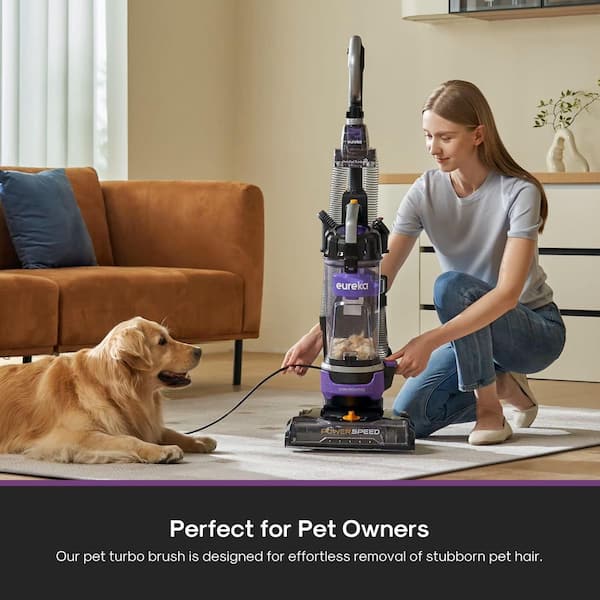
Why an upright vacuum makes a clicking noise
A clicking noise from an upright vacuum usually means one part is moving where it should not, or something is tapping as the machine runs. In my experience, the sound often comes from the brush roll, belt, wheels, hose, or nozzle area. Sometimes the problem is harmless for a moment, but sometimes it is the first sign of wear.
The key is to listen to when the noise happens. If the clicking starts as soon as you turn the vacuum on, the cause is often inside the brush or motor path. If it only happens while you push the vacuum across the floor, it may be a wheel, hose, or floor head issue.

Common reasons your upright vacuum makes a clicking noise
1. Debris is trapped in the brush roll
One of the most common causes is hair, string, lint, or small debris wrapped around the brush roll. As the roll spins, that debris can snap, rub, or tap against the housing and create a steady clicking sound. I once cleared a vacuum that sounded like a tiny metronome, and the whole issue was a twisted piece of thread near the roller ends.
Check for:
- Hair wrapped around the brush bar
- String caught in the end caps
- Bits of plastic or gravel in the brush area
- Dried glue or sticky debris stuck to the roller
2. The belt is worn, loose, or slipping
A vacuum belt helps drive the brush roll. When it gets stretched, cracked, or partly damaged, it may slip and make a clicking or ticking sound. A bad belt can also create a rhythmic noise as it catches and releases.
Look for:
- Cracks in the belt
- Burn marks or a rubber smell
- A belt that feels loose
- Brush roll movement that seems uneven
3. A broken or damaged brush roll
If the brush roll has bent bristles, cracked ends, or a damaged axle, it can click each time it turns. Even a small split in the roller can cause the part to wobble. In many upright models, that wobble is enough to make a clear clicking sound.
This is more likely if:
- The vacuum recently hit a hard object
- The machine was used with a jammed roller
- The clicking is loud and regular
- The brush roll looks uneven when spun by hand
4. The height adjustment is set wrong
If the vacuum head is set too low or too high, the brush roll may scrape the floor or catch on the base plate. That can sound like clicking, especially on thick carpet or uneven flooring. I’ve seen this happen when a vacuum worked fine on tile but started clicking on a thick rug.
Try adjusting:
- Carpet height settings
- Floor type settings
- Brush roll on and off modes
- Head angle and handle position
5. Wheels or axles are loose
Small wheels on upright vacuums can click if they wobble, crack, or pick up debris. A loose axle can make the noise worse because the wheel taps as it turns. This is a classic “easy to miss” issue because the sound may seem like it is coming from the motor, when it is really from the base.
Check for:
- Hair or string around the wheels
- Cracked wheel hubs
- Loose mounting points
- Foreign objects stuck in the axle area
6. Something is stuck in the hose or nozzle
If a hard object, coin, toy piece, or chunk of debris is stuck in the hose or suction path, it can bounce around and make a clicking sound. The sound may come and go depending on how the vacuum is angled. This is especially common after vacuuming near craft areas, pet spaces, or under furniture.
Common trapped items include:
- Coins
- Small LEGO pieces
- Paper clips
- Pet food
- Pebbles and grit
7. The nozzle plate or housing is loose
The bottom plate, belt cover, or brush chamber cover can click if it is not seated properly. Sometimes the clips are worn, or the screws are slightly loose after cleaning. That small gap lets parts vibrate and tap against each other while the vacuum runs.
This is worth checking if:
- The noise started after maintenance
- You recently removed the brush cover
- The clicking sounds hollow or plastic-like
- The vacuum still works, but the tone sounds rattly
8. The motor fan or internal parts are damaged
If the click is coming from deeper inside the machine, the motor fan or another internal part may be damaged. This is less common than debris or belt trouble, but it matters because it can affect performance and safety. A damaged fan can also create a ticking sound that changes speed as the motor runs.
Stop and inspect if you notice:
- Burning smell
- Loss of suction
- Overheating
- Clicking that gets louder over time
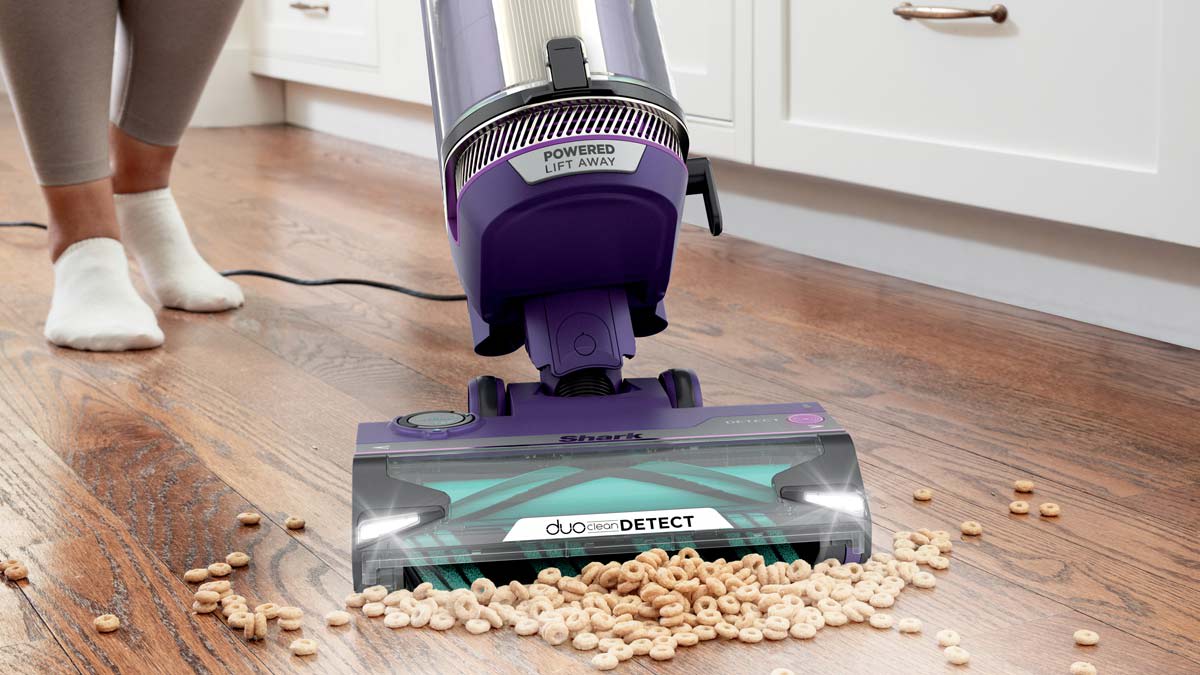
How to find the source of the clicking noise
A good repair starts with a simple test. I always tell people to isolate the sound first, because guessing usually wastes time. Move step by step and listen for changes.
Try this process:
- Turn off and unplug the vacuum.
- Flip it over and inspect the brush roll area.
- Spin the brush roll by hand to feel for resistance.
- Check the belt for cracks or slack.
- Inspect the wheels for debris or looseness.
- Remove the hose and look through it toward the light.
- Reassemble and test on a clean floor.
If the clicking changes when you lift the vacuum head, the issue is likely mechanical at the base. If it only happens when suction is running, the hose or fan path may be involved. That small clue can save a lot of frustration.
What you can safely do at home
Most clicking noises can be handled with basic cleaning and inspection. You do not need to be a repair expert to handle simple maintenance. Just take your time and keep the vacuum unplugged before opening anything.
- Removing hair and debris from the brush roll
- Cleaning wheel wells and axles
- Checking and replacing a worn belt
- Re-seating the base plate or nozzle cover
- Clearing clogs from the hose and wand
- Tightening visible screws if the model allows it
I’ve found that a soft brush, scissors, and a flashlight solve a surprising number of “mystery” vacuum noises. The trick is not to force parts apart. If something feels stuck, stop and check the manual.
When the clicking noise means you should stop using the vacuum
Not every clicking noise is urgent, but some signs mean you should pause right away. If you keep running the vacuum with a damaged belt, jammed roller, or broken internal part, you may cause more damage. A small issue can become a motor problem faster than people expect.
Stop using the vacuum if you notice:
- A burning smell
- Smoke
- A grinding sound along with clicking
- The brush roll stops spinning
- The vacuum shuts off on its own
- The base gets very hot
That is the point where a repair shop or replacement part may be the smarter move. If the vacuum is older and parts are costly, compare the repair price with the cost of a new model.
How to prevent clicking noises in the future
Prevention is mostly about regular cleaning. Upright vacuums work hard, and dirt, hair, and small debris build up fast. A few minutes of care can keep the machine quiet and extend its life.
Good habits include:
- Emptying the bin or bag often
- Cutting hair off the brush roll every few weeks
- Checking wheels after vacuuming rugs or entry mats
- Inspecting the belt every few months
- Clearing the hose if suction drops
- Avoiding large debris that can jam the nozzle
From experience, the biggest mistake people make is waiting until the vacuum sounds terrible. By then, one loose part may have turned into three. A quick monthly check is usually enough for most homes.
Why the clicking sound should not be ignored
A clicking upright vacuum is often trying to tell you something. It may be a simple warning from a jammed brush roll, but it can also point to wear inside the belt path or motor area. The earlier you catch it, the cheaper and easier the fix usually is.
There is also a performance issue. A vacuum with a clicking noise may not clean as well because the brush roll is not turning smoothly or suction is being blocked. In other words, the sound is not just annoying. It can affect how well the vacuum does its job.

Frequently Asked Questions
Why does my upright vacuum make a clicking noise when I turn it on?
This often means the brush roll, belt, or motor fan is not moving smoothly. A small jam or a worn belt can create a repeating click as soon as the machine starts.
Is a clicking noise from my vacuum dangerous?
Not always, but it can become a bigger problem if you ignore it. If the vacuum smells burnt, gets hot, or loses suction, stop using it and inspect it right away.
Why does my vacuum click only on carpet?
Carpet can make a brush roll or wheel issue more noticeable because the head works harder on thick fibers. The height setting may also be too low, which can cause scraping or tapping.
Can hair cause a clicking sound in an upright vacuum?
Yes, hair is one of the most common causes. It can wrap around the brush roll ends or wheels and create a steady clicking or ticking noise.
When should I replace the belt?
Replace the belt if it looks cracked, stretched, or glazed, or if the brush roll is moving poorly. Many vacuum belts wear out over time, even if the vacuum still turns on.
Why does the clicking get louder over time?
That usually means the problem is getting worse, such as a growing clog, a loosening part, or a damaged brush roll. It is best to inspect it sooner rather than later.
Conclusion
A clicking upright vacuum usually comes down to a simple mechanical issue, like debris in the brush roll, a worn belt, loose wheels, or a clog in the nozzle or hose. The sound is your cue to inspect the machine before a small problem turns into a costly repair. With a little cleaning and a few quick checks, you can often get the vacuum running quietly again.
If your upright vacuum makes a clicking noise, start with the brush roll, belt, and wheels, then move to the hose and housing. Take the warning seriously, trust what you hear, and do a simple check before the noise gets worse. If this guide helped, explore more home appliance tips or leave a comment with the vacuum problem you are dealing with.

