

An upright vacuum cleaner is a stand-alone vacuum with a vertical body, motorized brush, and strong suction for deep carpet cleaning.
Today's Exclusive Deals
Limited-time Exclusive Deals. Check current discount on Amazon.
Check Price on Amazon As an Amazon Associate I earn from qualifying purchases.If you have ever pushed one across a living room and felt it pull dirt from the carpet like a mini floor-powered engine, you already know why the upright vacuum cleaner is such a classic. I’ve spent years comparing vacuum types in real homes, and the upright vacuum cleaner still stands out for speed, power, and everyday convenience. In this guide, I’ll break down what an upright vacuum cleaner is, how it works, where it shines, and when another vacuum type may be the better fit.

What is an upright vacuum cleaner?
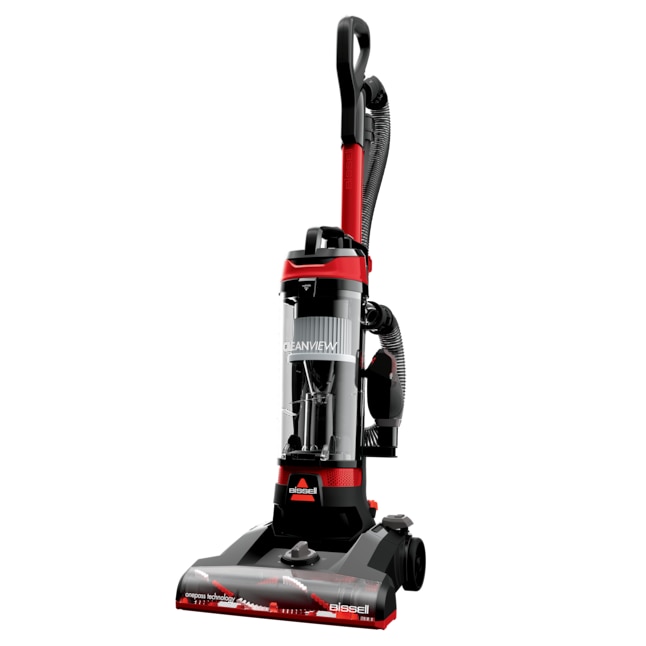
An upright vacuum cleaner is a type of vacuum that combines the motor, dust collection system, handle, and cleaning head into one vertical unit. You push it in front of you while it uses suction and a rotating brush roll to lift dirt, dust, and debris from floors.
Today's Exclusive Deals
Limited-time Exclusive Deals. Check current discount on Amazon.
Check Price on Amazon As an Amazon Associate I earn from qualifying purchases.Most people choose an upright vacuum cleaner for carpets, but many models also work on hard floors with the right settings. It is one of the most familiar vacuum styles in U.S. homes because it covers a lot of ground quickly and usually stores easily in a closet.
In simple terms, an upright vacuum cleaner is like a floor cleaner with built-in muscle. It is designed to clean wide spaces fast, especially where dirt gets stuck deep in carpet fibers.
How an upright vacuum cleaner works
An upright vacuum cleaner works by creating airflow that pulls debris into a bag, bin, or dust cup. Inside the machine, the motor powers a fan that creates suction, and the brush roll loosens dirt from the carpet surface so the vacuum can collect it more easily.
Most upright models have these main parts:
Today's Exclusive Deals
Limited-time Exclusive Deals. Check current discount on Amazon.
Check Price on Amazon As an Amazon Associate I earn from qualifying purchases.- Motor: Powers the suction and moving parts
- Brush roll: Spins to lift dirt from carpet fibers
- Dust bin or bag: Holds collected debris
- Hose and attachments: Help clean edges, stairs, and furniture
- Height adjustment: Lets you match the vacuum to carpet or bare floors
When I tested different upright vacuum cleaner models over the years, the biggest difference was not just suction. It was how well the brush roll and floor height matched the surface. A strong motor alone does not guarantee great cleaning if the head is not set up right.
Key features of an upright vacuum cleaner
A good upright vacuum cleaner usually includes a mix of power and convenience features. Some are basic, while others are built for heavy-duty home cleaning.
Common features include:
- Wide cleaning path for faster passes
- Motorized brush roll for deep carpet cleaning
- Bagged or bagless dust collection
- Adjustable suction or floor height
- Onboard tools for corners and upholstery
- HEPA filtration in some models
- Swivel steering on newer designs
- Lift-away or detachable canisters on some premium units
These features matter because not every home has the same cleaning needs. A pet owner with thick carpet needs a different upright vacuum cleaner than someone with hardwood floors and area rugs.
Types of upright vacuum cleaners
Not all upright vacuum cleaner models are built the same. Understanding the main types can help you choose the right one for your home.
Standard upright vacuum cleaner
This is the classic design most people picture. It is strong on carpet and simple to use, with the motor and cleaning head in one body.
Bagged upright vacuum cleaner
A bagged upright vacuum cleaner traps dirt in a disposable bag. This can be a smart choice if you want less dust exposure when emptying the vacuum.
Bagless upright vacuum cleaner
This version uses a dust cup instead of bags. It is popular because you do not need to buy replacement bags, but it usually needs more frequent filter cleaning.
Pet upright vacuum cleaner
A pet-focused upright vacuum cleaner is made for hair, dander, and odor control. These often include stronger brush rolls, better filtration, and tools for upholstery and stairs.
Lightweight upright vacuum cleaner
These models are easier to carry and push. They are a good fit for smaller homes or users who want an upright vacuum cleaner without the bulk.
Lift-away upright vacuum cleaner
Some upright vacuum cleaner designs let you detach the canister or pod from the base. This makes it easier to clean stairs, shelves, and tight corners.
What an upright vacuum cleaner is best for
An upright vacuum cleaner is best for larger floor areas and carpets. It covers more space in fewer passes, which makes it efficient for weekly cleaning.
It is especially useful for:
- Wall-to-wall carpet
- Thick rugs
- Homes with pets
- Larger rooms
- Busy households with more dirt traffic
In my experience, an upright vacuum cleaner really earns its keep in homes with kids and pets. Crumbs, hair, and tracked-in dirt can build up fast, and the upright style handles that kind of mess better than many compact vacuums.
Benefits of an upright vacuum cleaner
There are several reasons people still trust an upright vacuum cleaner even with newer vacuum styles on the market.
Strong cleaning power
Upright models are often known for strong suction and effective brush roll action. That makes them especially good at pulling debris from deep carpet fibers.
Faster cleaning
Because the cleaning path is wider, you can finish large areas faster. This is one of the biggest time-saving benefits of an upright vacuum cleaner.
Easy to store
Many upright vacuum cleaners stand on their own and fit into closets well. That makes them practical for everyday use.
Good for carpeted homes
If your home has a lot of carpet, an upright vacuum cleaner is often one of the best choices. It is built for that kind of surface.
Useful attachments
Most models come with tools for edges, stairs, furniture, and crevices. That adds flexibility without needing a separate machine.

Limitations of an upright vacuum cleaner
Like any cleaning tool, an upright vacuum cleaner has trade-offs. It is not always the best choice for every home.
Some common limitations include:
- Heavier than stick or handheld vacuums
- Harder to carry upstairs
- Less convenient in tight spaces
- Can be bulky to store in small apartments
- Some models are not ideal for delicate hardwood floors without adjustments
I’ve also seen people buy an upright vacuum cleaner expecting it to do everything well without any setup. That is a mistake. If the height setting is wrong or the brush roll is too aggressive for your floor, cleaning results can suffer.
Upright vacuum cleaner vs other vacuum types
It helps to compare an upright vacuum cleaner with other common vacuum styles.
Upright vs canister vacuum
A canister vacuum usually has a separate body and hose. It can be easier to move around furniture, while an upright vacuum cleaner is often better for large carpeted spaces.
Upright vs stick vacuum
A stick vacuum is lighter and easier to grab for quick cleanups. An upright vacuum cleaner usually offers more power and better deep cleaning.
Upright vs robot vacuum
A robot vacuum handles daily upkeep with little effort. An upright vacuum cleaner still does a better job for deep cleaning and stubborn dirt.
Upright vs handheld vacuum
A handheld vacuum is great for cars and small messes. An upright vacuum cleaner is built for full-room cleaning.
How to choose the right upright vacuum cleaner
Choosing the best upright vacuum cleaner depends on your floors, your space, and the type of dirt you clean most often.
Here are a few things to look at:
- Floor type: Carpet, hardwood, tile, or mixed surfaces
- Weight: Heavier models may clean well but feel harder to move
- Filtration: HEPA filtration is helpful for allergy concerns
- Bagged or bagless: Pick based on convenience and dust control
- Attachments: Look for tools that fit your home
- Cord length: Longer cords reduce outlet changes
- Noise level: Important if you clean while others are home
A practical tip from real-world use: do not pick an upright vacuum cleaner based on suction alone. Brush roll design, sealing, and filtration can matter just as much, sometimes more.
Tips for using an upright vacuum cleaner well
Using an upright vacuum cleaner the right way can make a big difference in cleaning results.
Try these simple tips:
- Vacuum slowly so the brush roll can lift more dirt
- Adjust the height setting for your floor
- Empty the dust cup or replace the bag before it gets too full
- Clean the filters regularly
- Check the brush roll for hair and string buildup
- Use attachments for corners, stairs, and upholstery
- Make sure the vacuum path is clear before each use
One mistake I see often is rushing over the same spot too fast. With an upright vacuum cleaner, slower passes usually clean better than quick sweeps.
Common maintenance needs
An upright vacuum cleaner lasts longer when you keep up with maintenance. Most problems are simple and easy to prevent.
Regular maintenance usually includes:
- Emptying the dust bin or replacing bags
- Washing or replacing filters
- Removing hair from the brush roll
- Checking belts for wear
- Clearing clogs from the hose or intake
- Wiping the vacuum head and wheels
A clean vacuum works better and smells better too. Dust buildup can reduce suction and strain the motor over time.
What makes an upright vacuum cleaner different from a floor sweeper
A floor sweeper simply picks up surface debris. An upright vacuum cleaner goes much deeper by using suction and a brush roll to pull dirt from carpets and cracks.
That difference matters a lot in real life. A sweeper may handle crumbs well, but an upright vacuum cleaner is better for dust, pet hair, tracked-in soil, and allergens.
Frequently Asked Questions
What is an upright vacuum cleaner used for?
An upright vacuum cleaner is mainly used for cleaning carpets, rugs, and larger floor areas. It can also clean hard floors and furniture if it has the right settings and attachments.
Is an upright vacuum cleaner better than a stick vacuum?
An upright vacuum cleaner is usually better for deep cleaning and large spaces, especially carpeted homes. A stick vacuum is lighter and easier for quick jobs, but it often has less power.
Can an upright vacuum cleaner work on hardwood floors?
Yes, many upright vacuum cleaner models can work on hardwood floors if the brush roll can be turned off or adjusted. Using the wrong setting can scratch delicate floors, so it helps to check the manual first.
Are upright vacuum cleaners good for pet hair?
Yes, many upright vacuum cleaner models are excellent for pet hair. Look for strong suction, a tangle-resistant brush roll, and good filtration if pets shed a lot.
How long does an upright vacuum cleaner usually last?
With proper care, an upright vacuum cleaner can last several years. Regular filter cleaning, belt checks, and brush roll maintenance can help extend its life.
Conclusion
An upright vacuum cleaner is one of the most practical cleaning tools for homes with carpets, pets, and larger floor areas. It brings strong suction, wide cleaning coverage, and simple everyday use into one machine.
If you are deciding whether an upright vacuum cleaner is right for you, think about your floors, your storage space, and how often you clean. The best choice is the one that fits your home and makes cleaning feel less like a chore. Explore a few models, compare features carefully, and choose the upright vacuum cleaner that matches your real life best.


1 Comment
Pingback: How Does An Upright Vacuum Cleaner Work: Simple Guide - Vacuum Cleaner Tips