

The best vacuum for allergies is a sealed HEPA vacuum with strong suction and low dust leakage.
Today's Exclusive Deals
Limited-time Exclusive Deals. Check current discount on Amazon.
Check Price on Amazon As an Amazon Associate I earn from qualifying purchases.If you live with allergies, the right vacuum can feel like the difference between breathing easy and breathing through a cloud of dust. I’ve seen this many times in home cleaning work: the machine matters, but the details matter even more. In this guide, I’ll walk you through what vacuum is best for allergies, what features actually help, and how to choose one that keeps pollen, pet dander, and dust mites out of your air instead of sending them back into it.
:max_bytes(150000):strip_icc()/spr-detail-bissell-multliclean-allergen-pet-rewind-upright-vacuum-ebrockob-003-8-1-20100be9a9714f66a0d5f288d0091bdb.jpeg)
What Makes a Vacuum Good for Allergies?
A vacuum for allergies is not just about picking a model with high power. It needs to trap tiny particles and keep them sealed inside the machine. That means the best vacuum for allergies usually has a true HEPA filter, a sealed system, and strong suction.
Today's Exclusive Deals
Limited-time Exclusive Deals. Check current discount on Amazon.
Check Price on Amazon As an Amazon Associate I earn from qualifying purchases.Allergy triggers are often very small. Dust mites, pet dander, pollen, and mold spores can slip through weak filters and poor seals. A good allergy vacuum captures those particles and keeps them from blowing back into the room.
The most important features are:
- True HEPA filtration, which captures 99.97% of particles as small as 0.3 microns
- A sealed design that prevents air leaks
- Strong suction for deep carpet cleaning
- Good brush control for different floor types
- Easy-to-empty bins or bags that do not release dust
I learned early on that suction alone is not enough. I once used a powerful vacuum that looked great on paper, but it puffed fine dust back into the air every time I emptied it. For allergy-prone homes, that kind of design can undo all your cleaning effort.
Today's Exclusive Deals
Limited-time Exclusive Deals. Check current discount on Amazon.
Check Price on Amazon As an Amazon Associate I earn from qualifying purchases.Why HEPA Filtration Matters So Much
HEPA stands for High Efficiency Particulate Air. In plain English, it means the filter can trap tiny airborne particles that common filters miss. That is a big deal when you are trying to reduce allergens in the home.
True HEPA filters are especially useful for:
- Pet dander
- Dust mites
- Pollen
- Mold spores
- Fine dust
A vacuum can say “HEPA-like” or “HEPA-style,” but that is not the same as a true HEPA filter. For allergy relief, I would stick with a vacuum that clearly states true HEPA filtration and, just as important, a sealed airflow system. If the air leaks around the filter, the filter cannot do its job properly.
Researchers and allergy experts often recommend reducing indoor allergen exposure as part of a broader allergy plan. Vacuuming is not a cure, but it is one of the most practical tools you can use every week.

Bagged vs. Bagless: Which Is Better for Allergies?
For allergy sufferers, bagged vacuums usually have the edge. The reason is simple: they trap debris in a closed bag, which lowers the chance of dust escaping when you empty the machine.
Bagged vacuums are often better if you want:
- Less dust exposure during disposal
- More consistent sealing
- Easier cleanup for people with severe allergies
Bagless vacuums can still work well if they have a strong seal and a good HEPA filter. But emptying a bagless bin often releases a puff of dust, and that can be a problem if you are sensitive. I have noticed this firsthand in homes with asthma or strong dust allergies. The cleaning is done, but the air feels worse right after emptying the canister.
If you choose bagless, empty it outside when possible and avoid shaking the bin indoors. That small habit can make a big difference.
:max_bytes(150000):strip_icc()/vacuums-for-allergies-lab-tested-and-expert-approved-tout-2ca8983cbb2645d5a317dd0d80b7b178.jpg)
Upright, Canister, or Stick Vacuum: What Should You Choose?
The best vacuum for allergies depends on your home, but some types are better than others.
Upright vacuums
Upright vacuums are great for carpets and larger floor areas. They usually have strong suction and wide cleaning paths, which makes them efficient for deep cleaning.
Best for:
- Homes with lots of carpet
- Larger rooms
- Deep cleaning pet hair and dust
Canister vacuums
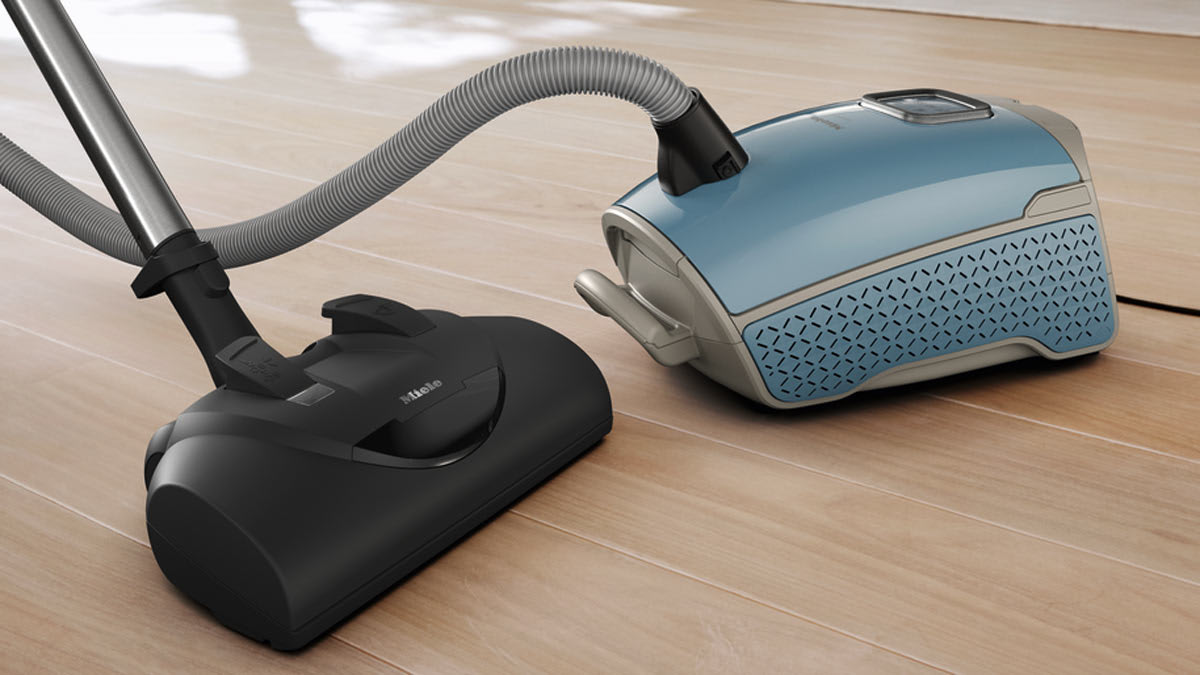
Canister vacuums are often the best all-around choice for allergy control. They tend to have strong sealed systems, flexible hoses, and better tools for corners, upholstery, and stairs.
Best for:
- Mixed flooring
- Allergy-focused cleaning
- Hard-to-reach areas
Stick vacuums
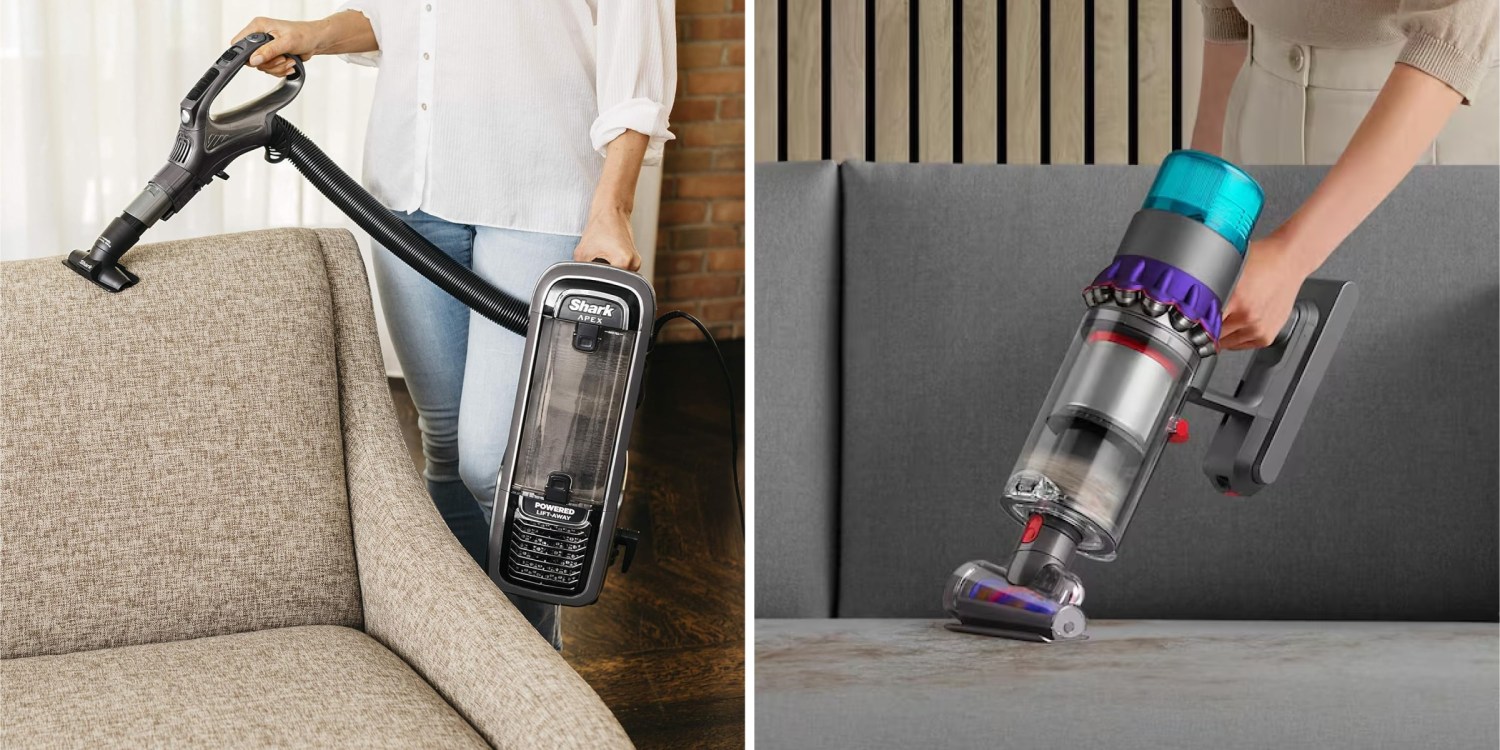
Stick vacuums are light and easy to use, but many are not as effective for allergy control as a full-size vacuum. Some premium stick models do include HEPA filtration, though battery life and dust capacity can be limiting.
Best for:
- Quick cleanups
- Small spaces
- Light daily maintenance
If I had to pick one type for most allergy homes, I would usually start with a canister or a high-quality upright with sealed HEPA filtration. Stick vacuums are handy, but they are usually the sidekick, not the main hero.
.jpg)
Features to Look for in the Best Vacuum for Allergies
When shopping for the best vacuum for allergies, do not get distracted by flashy ads. Focus on what actually improves air quality and cleaning performance.
Look for these features:
- True HEPA filter
- Sealed system
- Strong suction
- Adjustable brush roll
- Bagged design or dust-tight bin
- Washable or replaceable filters
- Attachments for upholstery and crevices
- Good edge cleaning
- Quiet operation if noise triggers sensitivity
A sealed system is one of the most overlooked features. A vacuum may have a HEPA filter, but if air can escape through cracks, hinges, or gaps, allergens can still leak out. Think of it like trying to hold water in a bucket with tiny holes.
Also pay attention to maintenance. A vacuum that is hard to clean or costly to service often ends up being used less. For allergy control, the best vacuum is the one you can keep in good shape and use often.
Best Vacuum Features for Different Allergy Triggers
Different allergies benefit from slightly different vacuum features.
For dust mite allergies
- Use a vacuum with strong suction and a motorized brush
- Focus on carpets, mattresses, and upholstered furniture
- Choose a sealed HEPA system to trap tiny particles
For pet allergies
- Look for strong pet hair pickup
- Use upholstery tools and mini motorized brushes
- Prefer bagged vacuums if pet dander is severe
For pollen allergies
- Vacuum entryways, rugs, and floors often
- Clean near windows and vents
- Use HEPA filtration to keep fine particles contained
For mold sensitivity
- Avoid wet debris in the vacuum
- Empty or replace bags often
- Keep the machine dry and clean to prevent odor and residue buildup
One practical lesson I have learned: allergy cleaning works best when it is routine, not heroic. A little vacuuming every few days is usually better than one giant cleanup that stirs up a storm.

How Often Should You Vacuum If You Have Allergies?
For most allergy-prone homes, vacuuming at least once or twice a week helps reduce buildup. If you have pets, heavy carpets, or strong dust sensitivity, more frequent cleaning may be needed.
A simple schedule can look like this:
- High-traffic areas: 2 to 3 times a week
- Bedrooms: 1 to 2 times a week
- Upholstered furniture: weekly
- Mattresses and pet areas: as needed
The goal is not perfection. It is consistency. Allergens build up quietly, like sand in a shoe, and regular vacuuming keeps them from piling up into a bigger problem.
Best Cleaning Habits to Reduce Allergens
A good vacuum helps, but your routine matters just as much. I have seen homes improve a lot simply because the cleaning habits got smarter.
Try these habits:
- Vacuum slowly so the machine has time to lift particles
- Use attachments for corners, vents, and furniture
- Close windows while vacuuming during high pollen days
- Empty or replace bags before they overfill
- Wash filters on schedule if the manufacturer allows it
- Clean from top to bottom so dust falls onto floors before vacuuming
You should also wear a mask if your allergies are severe, especially during deep cleaning. That extra step can make vacuuming far more comfortable.
What to Avoid When Buying an Allergy Vacuum
A lot of people buy a vacuum that looks powerful but misses the details that matter. I have made that mistake myself, and it usually ends in disappointment.
Avoid vacuums that:
- Do not clearly mention true HEPA filtration
- Have poor seal quality
- Release visible dust when emptied
- Use weak attachments
- Are too heavy or awkward to use regularly
- Have poor reviews about dust leakage
Also be careful with gimmicks. A fancy label does not always mean better allergy protection. What matters most is the full system: suction, seal, filter, and usability.
Best Vacuum for Allergies: My Practical Recommendation
If you want the safest all-around choice, I would recommend a sealed bagged vacuum with true HEPA filtration. That setup usually gives the best balance of allergen control, dust containment, and easy maintenance.
Here is the simple ranking I usually suggest:
- Best overall for allergies: sealed bagged HEPA vacuum
- Best for mixed floors: sealed canister HEPA vacuum
- Best for carpets: upright HEPA vacuum with strong suction
- Best for quick cleaning: HEPA stick vacuum, if it has strong sealing
- Best for pet homes: bagged HEPA vacuum with pet tools
If you are highly sensitive, do not chase the cheapest option. A slightly better vacuum can save you a lot of sneezing, throat irritation, and frustration later. In allergy care, comfort is not a luxury. It is the whole point.
Frequently Asked Questions of What vacuum is best for allergies
Is a HEPA vacuum enough for allergies?
A HEPA vacuum helps a lot, but it works best as part of a full allergy-reduction routine. You still need regular cleaning, washable bedding, and good dust control habits.
Are bagless vacuums bad for allergies?
Not always, but they can release more dust when emptied. If you have strong allergies, bagged vacuums are often the safer and cleaner choice.
Can robot vacuums help with allergies?
Yes, robot vacuums can help with daily surface dust and pet hair. Still, they usually should not replace a full-size HEPA vacuum for deep cleaning.
What is the most important feature in an allergy vacuum?
A true HEPA filter in a sealed system is the most important feature. Strong suction matters too, but sealing is what keeps allergens from escaping.
How do I know if my vacuum is making allergies worse?
If you notice dust smells, visible dust clouds when emptying, or more sneezing after cleaning, the vacuum may be leaking particles. That is a strong sign to upgrade to a better-sealed model.
Conclusion
The best vacuum for allergies is one that traps tiny particles, seals them in, and makes cleaning easier to keep up with. In most homes, that means a sealed bagged vacuum with true HEPA filtration, strong suction, and the right tools for your floors and furniture.
If you are trying to breathe easier at home, focus on the full system, not just the brand name or motor power. Choose a vacuum that fits your space, your symptoms, and your cleaning habits, then use it consistently. If you found this guide helpful, keep exploring home allergy tips and share your own vacuum experience in the comments.

