

Yes, for many homes, robot vacuums are worth it because they save time and keep floors cleaner.
If you’ve ever felt like dust and pet hair return the second you finish sweeping, you already understand the appeal of robot vacuums. I’ve tested enough floor cleaners to know this: the best robot vacuum is not about magic, but about consistency. In this article, I’ll break down where robot vacuums shine, where they fall short, and how to decide if one fits your home, your habits, and your budget.

Are robot vacuums worth it for most people?
For a lot of households, robot vacuums are absolutely worth it. They handle daily cleanup with very little effort, which is the real value. Instead of replacing deep cleaning, they act like a steady helper that keeps dust, crumbs, and pet hair from piling up.
The key is fit. A robot vacuum makes the most sense if you want cleaner floors with less daily work. It is less useful if your home has lots of clutter, many thick rugs, or a layout that changes all the time.
In my experience, the biggest win was not spotless floors. It was walking into a room and noticing less grit, less hair, and less “I should vacuum later” stress. That small shift adds up fast.
:max_bytes(150000):strip_icc()/robot-vacuums-GettyImages-1394916842-cda8a9bcf8084e4582e67606d3d91ec3.jpg)
What a robot vacuum actually does
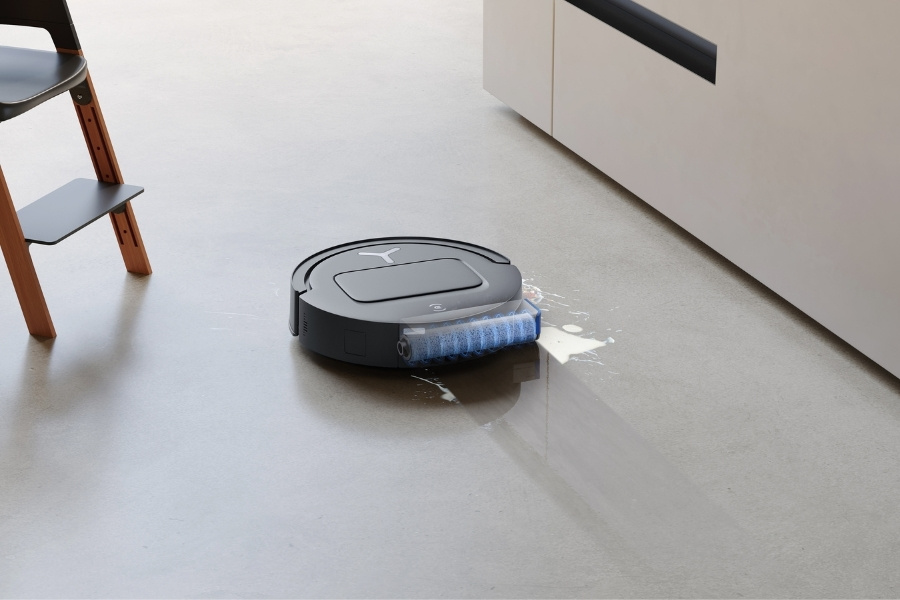
A robot vacuum is a small, self-moving vacuum cleaner that uses sensors, brushes, and suction to clean floors on its own. Most modern models can map rooms, avoid furniture, and return to a charging dock when the battery runs low.
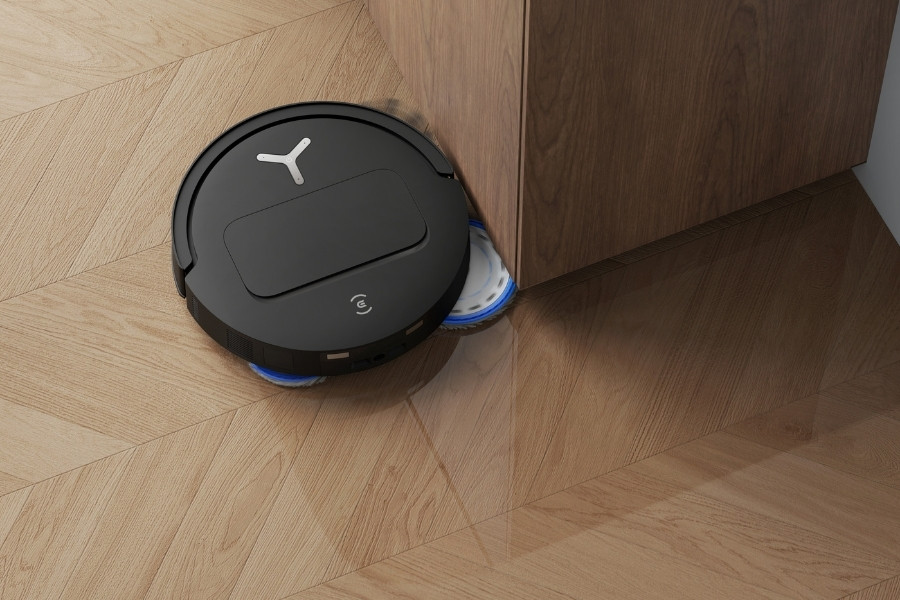
Some models focus on simple vacuuming. Others add smart features like app control, room mapping, scheduled cleaning, voice assistant support, and automatic dirt disposal. Higher-end options can also mop hard floors, though the mopping side is usually better for light cleanup than deep scrubbing.
Think of it like a daily floor caretaker, not a full house cleaner. It does the repetitive work so you do not have to.
The biggest benefits of robot vacuums
Robot vacuums are popular because they solve a very real problem: floors get dirty every day. A quick sweep once a week often is not enough, especially in busy homes.
Here are the main benefits:
- Time savings: It cleans while you work, cook, rest, or leave the house.
- Consistent maintenance: Frequent cleaning helps prevent dirt from building up.
- Good for pet owners: Many models are designed to pick up pet hair, dander, and tracked-in mess.
- Helpful for busy families: Kids drop crumbs like it is a full-time job.
- Easier routine cleaning: You may still do deep cleaning, but less often.
- Smart scheduling: Many units can clean at set times without you lifting a finger.
One reason robot vacuums feel worth it is simple: convenience changes behavior. When cleaning becomes easier, people actually do it more often. That leads to cleaner floors with less effort.

Where robot vacuums fall short
Robot vacuums are useful, but they are not perfect. If you expect them to replace a full-size vacuum in every situation, you may end up disappointed.
Common limitations include:
- Less deep cleaning power than an upright or canister vacuum
- Trouble with cords, socks, toys, and loose clutter
- Reduced performance on very thick carpet
- Corner and edge cleaning that is not always perfect
- Extra maintenance, such as emptying bins and cleaning brushes
- Navigation problems in crowded or dark spaces on cheaper models
I learned this the hard way in a house with too many chair legs and charging cables. The robot did fine when the floor was clear, but it wasted time getting stuck when I got lazy about pickup. That taught me a simple rule: robot vacuums work best in homes that support them.
Are robot vacuums worth it for different types of homes?
The answer depends on your living space and habits. A robot vacuum can be a great buy in one home and a weak fit in another.
Apartment or small home
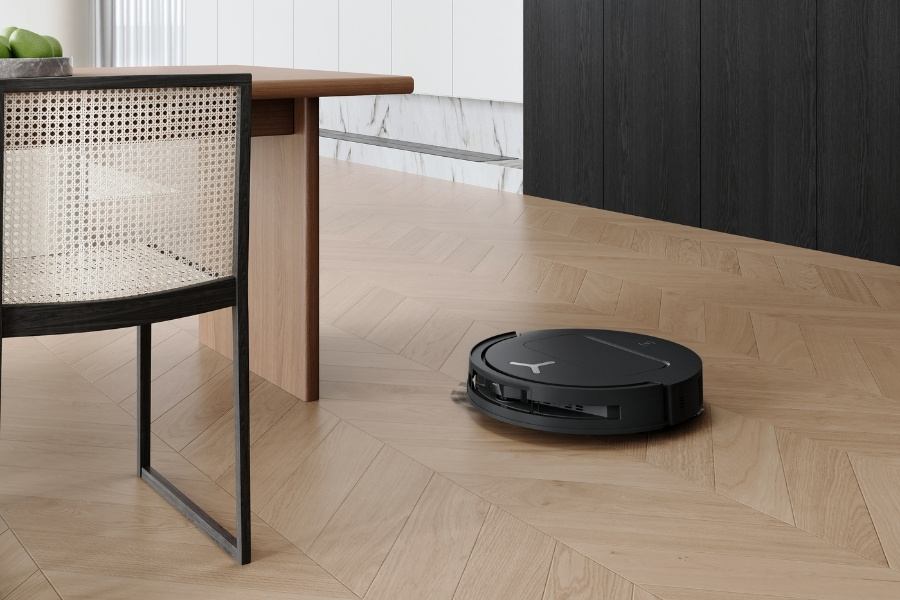
Robot vacuums are often worth it in apartments and small spaces. The cleaning area is smaller, so the robot can finish faster and more efficiently. If you have mostly hard floors and a simple layout, the benefit is even bigger.
Large home
A robot vacuum can still be worth it in a large home, but only if the battery life and mapping are strong enough. You may want a model with room mapping and automatic recharge so it can resume cleaning after charging. Without those features, large spaces can be frustrating.
Home with pets
For pet owners, robot vacuums are often one of the best home gadgets you can buy. They help manage hair, litter dust, and everyday mess. Models with strong suction, rubber brushes, and self-emptying bins are especially helpful.
Home with kids
If you have kids, robot vacuums can be worth it simply because snacks happen everywhere. Crumbs, dirt, and small debris show up daily, and constant cleanup gets old fast. A robot helps keep the floor from becoming a mess zone.
Home with lots of carpet
If most of your flooring is thick carpet, a robot vacuum may be less impressive. It can still help with surface dust and pet hair, but a strong upright vacuum will usually do better for deep cleaning. In that case, the robot is more of a support tool than a main cleaner.

Features that make a robot vacuum worth the money
Not all robot vacuums are created equal. Some are basic and cheap, while others feel like a serious home upgrade.
If you want real value, look for these features:
- Strong suction: More suction helps with debris, hair, and dirt.
- Smart mapping: Lets the robot learn room layout and clean more efficiently.
- App control: Makes scheduling and zone cleaning easier.
- Self-emptying base: Reduces how often you need to touch the dust bin.
- Good battery life: Important for bigger homes.
- Carpet detection: Helps the vacuum adjust on mixed floors.
- Obstacle avoidance: Reduces getting stuck on cords, shoes, and pet toys.
- Mopping feature: Useful for light floor upkeep, especially on hard surfaces.
From a practical standpoint, mapping and obstacle avoidance matter more than flashy extras. A fancy app is nice, but a vacuum that gets stuck every day is not worth much.
When robot vacuums are not worth it
A robot vacuum is not a good fit for every household. In some cases, the money is better spent on a strong traditional vacuum or a better cleaning routine.
It may not be worth it if:
- Your floors are often covered with clutter
- You have very high-pile carpet
- You need deep cleaning more than daily maintenance
- You do not want to do regular upkeep on the machine
- You live in a small space where manual vacuuming is already quick
- You want a budget cleaner but expect premium results
The truth is that a robot vacuum is a convenience purchase. If convenience does not matter much to you, the value drops fast. But if saving time is important, the math changes.
How much should you spend?
Price matters a lot when deciding whether robot vacuums are worth it. Basic models can be affordable, but they usually have simpler navigation and fewer smart features. Mid-range and premium models cost more, yet they often deliver a much smoother experience.
A simple way to think about budget:
- Budget models: Good for small spaces and light cleaning
- Mid-range models: Often the sweet spot for most homes
- Premium models: Best for large homes, pets, and people who want less manual work
The sweet spot for many shoppers is a mid-range robot vacuum with smart mapping and decent suction. That combination often gives the best balance of value and performance. Spending more only makes sense if the extra features match your home.
Maintenance: the part people forget
This is where many first-time buyers get surprised. A robot vacuum can save time, but it still needs care.
Regular maintenance usually includes:
- Emptying the dust bin
- Cleaning the main brush and side brush
- Removing hair from the rollers
- Wiping sensors
- Replacing filters as recommended
- Clearing the floor of cords and small objects
If you ignore maintenance, performance drops. I have seen people blame the machine when the real problem was hair wrapped around the brush or a sensor covered in dust. A little upkeep goes a long way.
Smart buying tips before you choose one
If you are shopping for a robot vacuum, do not just look at star ratings. Look at how the vacuum fits your real life.
Use this checklist:
- Measure your space and think about battery needs.
- Check whether your floors are mostly hard surface or carpet.
- Decide if pet hair is a major issue.
- Look for good navigation and obstacle avoidance.
- Consider whether a self-emptying base is worth the extra cost.
- Read reviews from people with homes like yours.
- Make sure the vacuum is easy to maintain.
A robot vacuum should solve problems, not create new ones. The more closely you match the machine to your home, the better the result.
Are robot vacuums worth it for pet owners?
Yes, often they are. Pet owners tend to get some of the highest value from robot vacuums because hair and dander build up daily. A robot vacuum can help keep floors presentable between deeper cleaning sessions.
That said, pet owners should look for models designed for hair pickup and brush resistance. Self-emptying bins are also very helpful if your pets shed a lot. If you skip those features, you may end up emptying the bin constantly.
Are robot vacuums worth it for allergy sufferers?
They can be, especially when used as part of a larger cleaning routine. Frequent floor cleaning can reduce dust and allergens on surfaces, which may help some people breathe easier. Research on indoor allergens consistently points to regular cleaning as one part of better air quality control.
Still, a robot vacuum is not a cure-all. It works best alongside good filter care, regular bedding washes, and proper ventilation. If you have strong allergies, look for a model with a sealed dust system and a high-quality filter.
Frequently Asked Questions of Are robot vacuums worth it
Do robot vacuums work well on hardwood floors?
Yes, robot vacuums usually perform very well on hardwood floors. Hard surfaces are easier to clean than thick carpet, so the robot can pick up dust, crumbs, and pet hair more efficiently.
Can a robot vacuum replace a regular vacuum?
Not completely. A robot vacuum is great for daily upkeep, but a full-size vacuum is still better for deep cleaning, stairs, upholstery, and stubborn dirt.
How often should I run a robot vacuum?
For most homes, daily or every other day works well. Homes with pets or kids may benefit from even more frequent cleaning.
Are expensive robot vacuums better?
Usually, yes, but only if the features match your needs. Higher-end models often have better navigation, stronger suction, and more convenience, but a mid-range model may be the better value for many households.
Do robot vacuums get stuck a lot?
Cheaper or older models can get stuck more often, especially in cluttered rooms. Good obstacle avoidance and a tidy floor help reduce that problem a lot.
Conclusion
So, are robot vacuums worth it? For many homes, yes, especially if you want cleaner floors with less daily effort. They are not perfect, and they do not replace every vacuuming task, but they do make cleaning more manageable and more consistent.
The best choice depends on your home, your floors, your pets, and how much convenience matters to you. If you match the machine to your real needs, a robot vacuum can feel like one of those rare purchases that quietly improves life every single week.
If you are thinking about buying one, compare your space, your habits, and your budget before you decide. Then keep learning, read a few real user reviews, and choose the model that fits your home best.


2 Comments
Pingback: What Vacuum Is Best For Allergies: Top HEPA Picks - Vacuum Cleaner Tips
Pingback: Are Robot Vacuums Worth It? - Vacuum Cleaner Tips