

Bagless vacuums can be better for convenience, but bagged vacuums often win on cleanliness and allergy control.
If you have ever emptied a dust cup and watched a puff of fine dust drift back into the air, you already know why this topic matters. Are bagless vacuums better? The real answer depends on your home, your allergies, your cleaning habits, and how much hassle you can tolerate. I have used both styles in real homes, and the better choice is usually the one that fits your lifestyle, not the one with the flashiest marketing.
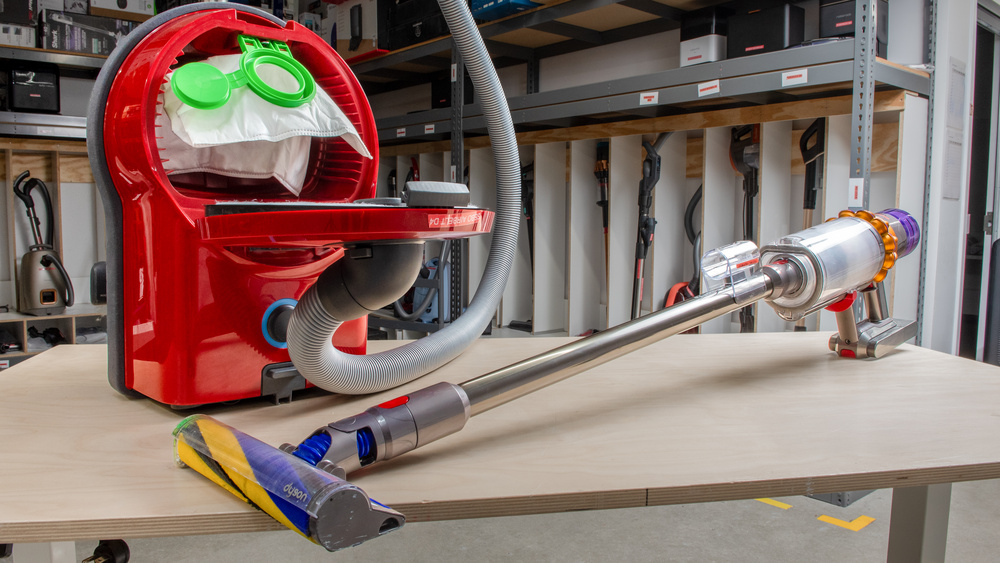
What a bagless vacuum actually is
A bagless vacuum collects dirt in a built-in bin instead of a replaceable bag. You empty the bin by hand when it fills up. This simple design is a big reason people ask, are bagless vacuums better for daily use.
Most bagless models use filters, cyclone action, or both to separate dirt from air. That means you do not keep buying bags, which feels cheaper and easier at first. But the tradeoff is that you will handle the dust more often.
In my own testing, bagless vacuums often feel more convenient for quick jobs. They are easy to check because you can see the dirt level. That visual cue is helpful, but it also means you are the one managing the mess.
What a bagged vacuum actually is
A bagged vacuum stores dirt inside a sealed disposable bag. When the bag fills, you remove it and throw it away. This design keeps most of the dust contained, which is one reason many people still prefer it.
Bagged models often work well for people with allergies, pets, or heavy debris. The bag acts like a barrier between the dirt and your indoor air. If you have ever emptied a dusty bin in a small laundry room, you know how useful that barrier can be.
Bagged vacuums also tend to feel cleaner during maintenance. You do not have to wash a bin as often. For many households, that small difference makes a big daily impact.
Are bagless vacuums better for most homes?
Bagless vacuums are better for some people, but not everyone. They are often easier to use, cheaper to maintain, and simpler to monitor. If you clean often and do not mind emptying the bin carefully, they can be a smart pick.
Still, bagless vacuums are not always better at containing dust. Fine particles can escape when you empty them, especially if the bin is full or the design is basic. For allergy-sensitive homes, that can be a real downside.
Here is the short version:
- Bagless vacuums are better if you want lower ongoing costs and easy checks
- Bagged vacuums are better if you want cleaner disposal and less dust exposure
- The best choice depends on your home, not just the label
The biggest benefits of bagless vacuums
Bagless vacuums have earned their popularity for good reasons. They remove one recurring cost from the process, and that matters over time. They also make it easy to see what you picked up, which can be oddly satisfying.
Lower long-term cost
You do not need to buy replacement bags. That can save money, especially in busy homes. If you vacuum often, those savings add up.
Easy to know when it is full
The clear dust cup makes maintenance simple. You can see buildup before suction drops. That helps you stay on top of cleaning.
Good for quick cleanups
Bagless vacuums are handy for crumbs, pet hair, and daily messes. I have found them especially useful after cooking or when kids track in dirt. You can grab it, empty it, and move on.
Less waste from disposable bags
Some people like the reduced waste. If you are trying to cut down on single-use products, a bagless model fits that goal better. It is a small change, but it matters to many households.
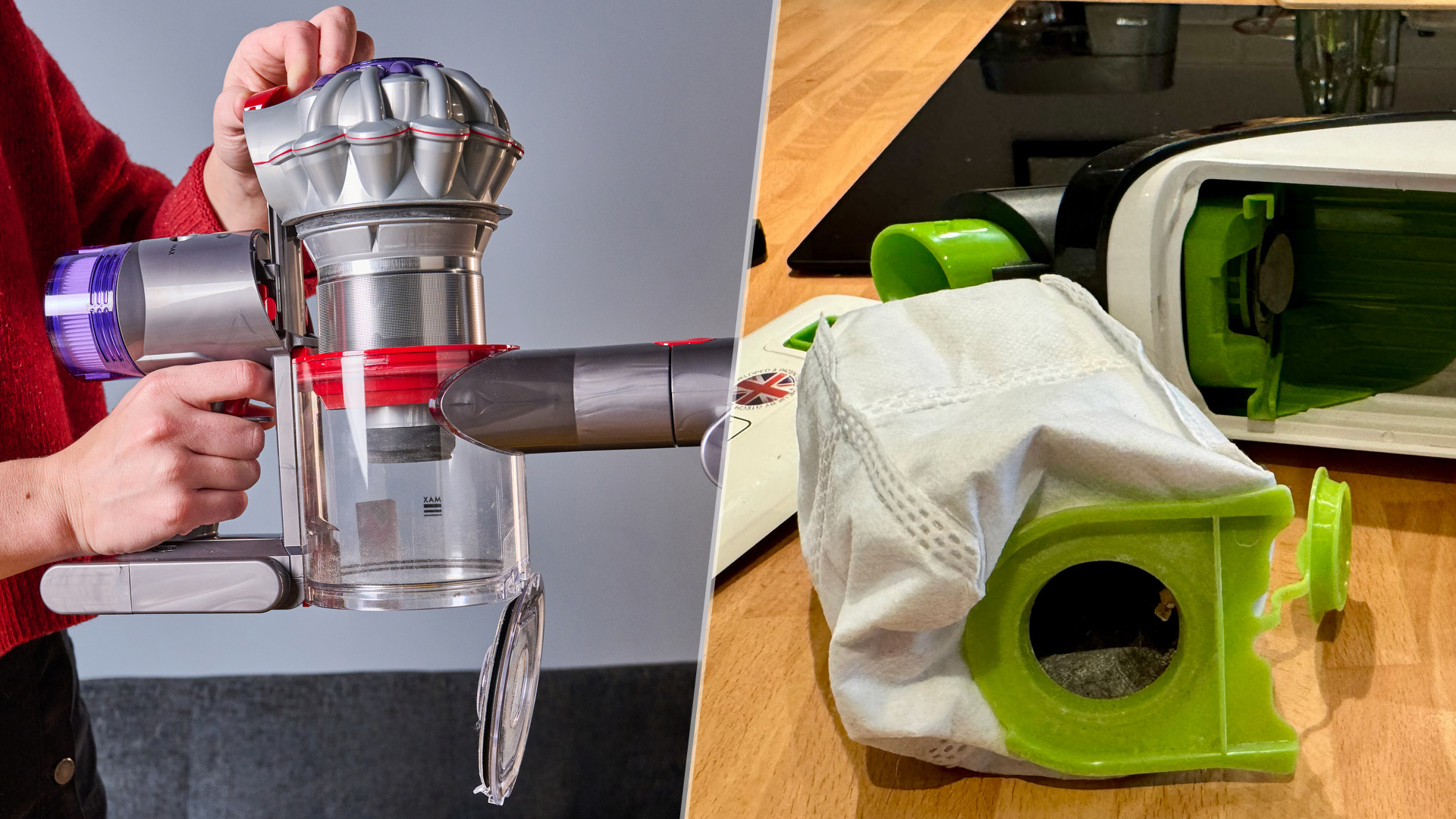
The biggest drawbacks of bagless vacuums
The downsides are just as important as the benefits. A bagless vacuum may look modern, but modern does not always mean cleaner. In some homes, the maintenance is actually more annoying.
More dust exposure when emptying
This is the biggest complaint. When you dump the bin, dust can blow back out. If you have allergies, asthma, or dust sensitivity, that matters a lot.
More frequent filter cleaning
Most bagless vacuums rely on filters to keep the machine working well. Those filters can clog, which hurts suction. If you forget to clean them, performance drops fast.
Messier maintenance
A bagless bin can get sticky with hair, lint, and fine dust. Sometimes you need to tap, rinse, or scrub parts. That is not difficult, but it is less pleasant than tossing a bag.
Sometimes louder or less sealed
Some bagless models feel less sealed than bagged ones. That can mean more dust contact and sometimes more noise. The quality of the design matters a lot here.
When bagless vacuums are the better choice
Bagless vacuums are often the better choice if your cleaning needs are simple. They fit well in homes where convenience matters more than perfect dust containment. They also make sense if you vacuum small spaces often.
Bagless vacuums are especially useful for:
- Apartments and smaller homes
- Households without severe allergies
- Quick daily pickups
- Pet hair on hard floors or rugs
- Buyers who want to avoid bag costs
From my experience, they are a good match for people who like visible, hands-on upkeep. If you already clean filters, wipe down bins, and do small maintenance tasks, bagless can feel easy. If you want a “set it and forget it” system, though, that is usually not it.
When bagged vacuums are the better choice
Bagged vacuums often win when cleanliness and air quality matter most. They are especially helpful for people who hate dust clouds or want less contact with debris. In many homes, that makes them the more practical choice.
Bagged vacuums are often better for:
- People with allergies or asthma
- Larger homes with more dirt buildup
- Homes with multiple pets
- Households that vacuum heavy debris often
- Users who want simpler disposal
I have seen bagged vacuums outperform bagless ones in homes with lots of shedding pets. The sealed bag keeps hair and dander contained. That can make a real difference for comfort and breathing.
Are bagless vacuums better for allergies?
Usually, no. Bagless vacuums are often less ideal for allergies because emptying the dust cup can release fine particles into the air. Even a good filter cannot fully solve that if the disposal process is messy.
Bagged vacuums usually do a better job of sealing dirt away. Many allergy-friendly models use HEPA filtration and sealed bags to reduce exposure. For people who sneeze at dust just opening a closet, that extra protection is often worth it.
If allergies are a serious concern, look for:
- Sealed bag systems
- HEPA filtration
- Strong suction with low dust leakage
- Easy bag replacement without spills
What about suction power and cleaning performance?
Suction power is not just about bagless versus bagged. The motor, airflow design, brush roll, and filters all affect performance. A high-quality bagged vacuum can clean better than a cheap bagless one, and the reverse can also be true.
One mistake I see people make is assuming a clear dust bin means better cleaning. It does not. A vacuum can look full of power while losing suction because the filters are clogged or airflow is weak.
To judge performance, look at:
- Carpet cleaning ability
- Hard floor pickup
- Edge cleaning
- Pet hair removal
- How well it keeps suction over time
Bagless vacuum maintenance tips that actually help
Bagless vacuums work best when you stay ahead of buildup. A little care goes a long way. Neglect them, and they can turn into dusty, smelly trouble fast.
Try these habits:
- Empty the bin before it is completely full
- Tap out filters regularly if the manual allows it
- Wash washable filters on schedule
- Check the brush roll for hair and string
- Wipe the dust bin with a damp cloth and let it dry fully
A lesson I learned the hard way: wait too long to clean the filter, and the vacuum starts acting tired. It is like trying to breathe through a straw. The machine is fine, but the airflow is not.
Bagged vs bagless vacuums: a simple comparison
If you want the cleanest way to think about it, compare them by the job they do best.
- Bagless vacuums are best for convenience, lower ongoing cost, and easy mess checks
- Bagged vacuums are best for dust control, allergy support, and cleaner disposal
- Bagless vacuums often need more hands-on maintenance
- Bagged vacuums usually cost more over time because of replacement bags
Think of it like this: bagless is the reusable lunchbox, while bagged is the sealed takeout container. Both work, but one is easier to reuse and the other is easier to throw away cleanly.
What experts and product testing usually show
Independent testing groups and consumer product reviews often point to the same pattern. Bagless vacuums can be very convenient, but sealed bagged systems often perform better for dust containment and allergy control. That pattern holds across many product lines, even when individual models vary.
Industry guidance on indoor air quality also supports reducing dust release during cleanup. That is one reason HEPA filtration and sealed disposal are so important. The vacuum itself is only part of the story; the emptying process matters just as much.
How to choose the right one for your home
The best vacuum is the one you will actually use and maintain. A fancy model that annoys you will not help much. A simpler model that fits your routine often wins in real life.
Ask yourself these questions:
- Do I have allergies or asthma?
- Do I mind touching dust during cleanup?
- Do I vacuum often or only once in a while?
- Do I want to save money on bags?
- Do I have pets or heavy shedding?
If you answered yes to convenience and low cost, bagless may be better. If you answered yes to allergies and low dust exposure, bagged is probably the safer choice.
Practical buying tips before you decide
Before you buy, look beyond the word bagless or bagged. The overall design matters more than the marketing. A poor vacuum is a poor vacuum, no matter what kind of bin it uses.
Here is what I would check first:
- Filtration quality, especially HEPA if allergies matter
- Sealed system design
- Ease of emptying or bag replacement
- Brush roll type for your floor
- Weight and maneuverability
- Noise level
- Cost of replacement parts or bags
One tip from experience: read reviews about maintenance, not just suction. A vacuum that cleans well on day one but becomes annoying after three months is not a good buy.
Frequently Asked Questions of Are bagless vacuums better
Are bagless vacuums better than bagged vacuums overall?
Not always. Bagless vacuums are better for convenience and lower ongoing costs, while bagged vacuums are often better for dust control and allergies.
Do bagless vacuums lose suction faster?
They can if the bin or filters are not cleaned often. A clogged filter or overfull dust cup can reduce airflow and make the vacuum feel weaker.
Are bagless vacuums better for pet hair?
They can be, especially for quick pickups and visible debris. But if your home has lots of dander or you want cleaner disposal, a bagged model may be better.
Which vacuum is more hygienic, bagless or bagged?
Bagged vacuums are usually more hygienic because the dirt stays sealed inside the bag. Bagless models can release dust when you empty the bin.
Do bagless vacuums cost less in the long run?
Yes, they usually do because you do not buy replacement bags. Still, you may spend more time cleaning filters and bins.
Conclusion
Are bagless vacuums better? Sometimes yes, especially if you value convenience, lower costs, and easy day-to-day use. But if you care most about dust control, cleaner disposal, or allergy relief, bagged vacuums often come out ahead.
The smartest choice is to match the vacuum to your real life. Think about your floors, your health, your cleaning habits, and how much maintenance you want to handle. If you use that lens, you will pick a vacuum that feels helpful instead of annoying.
Take a few minutes to compare models based on filtration, ease of cleaning, and maintenance cost, not just the bin style. If this helped you decide, keep exploring product reviews, compare a few models side by side, and share your own experience with vacuums in the comments.

