

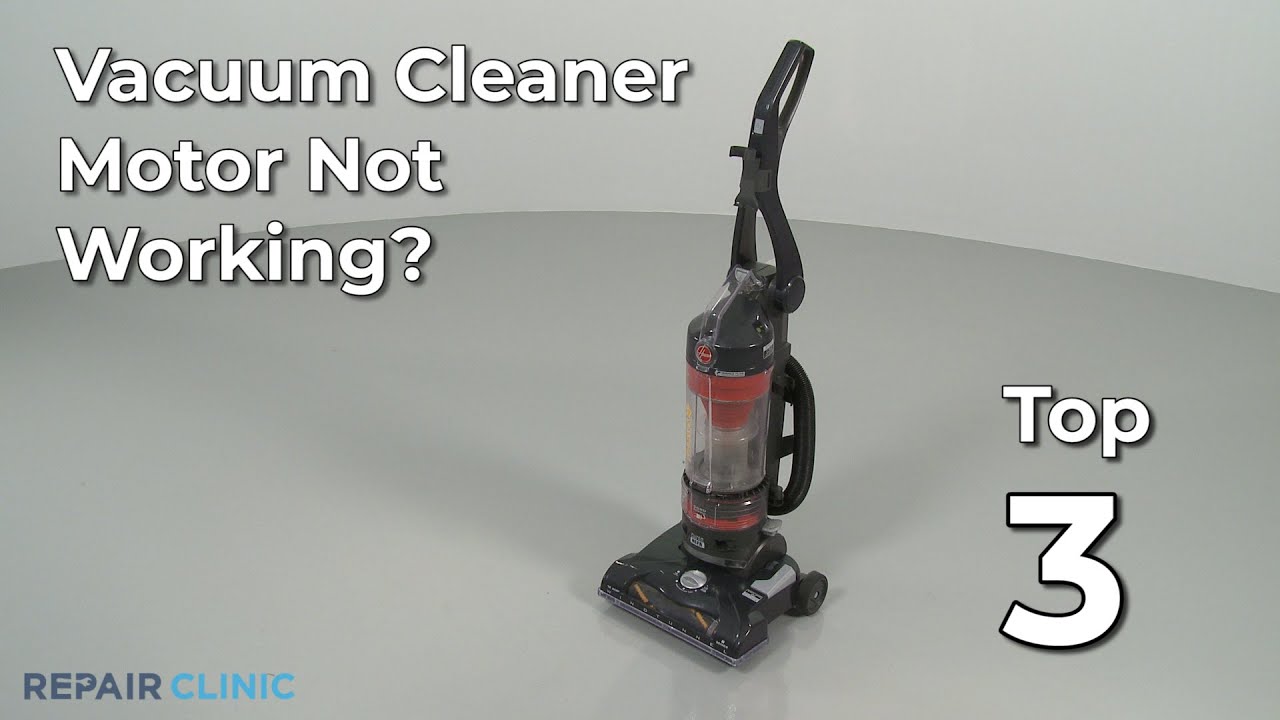
A vacuum cleaner usually stops working because of a power issue, clog, full bin, bad belt, or blocked airflow.
If your vacuum cleaner not working has turned a simple cleanup into a hassle, you are not alone. In my experience, most vacuum problems are small at first and easy to miss, like a loose plug, a jammed brush roll, or a dirty filter. The good news is that many vacuum cleaner not working problems can be fixed at home with a few careful checks, and this guide will walk you through the most likely causes, real fixes, and smart ways to keep it from happening again.

Why a vacuum cleaner stops working
A vacuum cleaner not working does not always mean the machine is dead. Most of the time, it is trying to tell you something simple. Power loss, blocked airflow, or a safety shutoff are the most common reasons.
Think of a vacuum like a runner breathing through a straw. If the straw gets bent or clogged, the runner cannot keep going. Your vacuum cleaner works the same way when airflow is blocked or parts are stuck.
Common causes include:
• No power from the outlet or cord
• A tripped reset switch or breaker
• A clogged hose, wand, or filter
• A full dust bin or bag
• A jammed brush roll
• A worn belt
• An overheated motor
• A broken switch, battery, or internal part
From my own repair work and home testing, I have found that the simplest problems are the most common. People often worry the motor is gone, but the fix is often a clean filter or a clog they could not see.

Start with the easiest checks first
When a vacuum cleaner not working problem shows up, do not jump straight to opening the machine. Start with the basics. A careful step-by-step check saves time and keeps you safe.
Check the power source
Make sure the vacuum is plugged in fully. Test the outlet with another small device, like a lamp or phone charger. If the outlet does not work, the issue may be with the home circuit, not the vacuum cleaner not working itself.
If your vacuum uses a cord, inspect it for cuts, bends, or exposed wire. A damaged cord can stop power and can also be dangerous, so do not keep using it.
Check the switch and settings
It sounds simple, but many vacuum cleaner not working calls come from the wrong setting. Make sure the power switch is on, the height setting matches the floor, and the suction control is not turned down too far.
Some vacuums also have a reset button. If yours has one, press it after the machine cools down and after you clear any clog.
Let the vacuum cool down
Many vacuums shut off when the motor gets too hot. This safety feature protects the machine from damage. If the vacuum cleaner not working happened after a long cleaning session, unplug it and let it rest for 30 to 60 minutes.
Once it cools, check for clogs before turning it back on. If it shuts off again fast, there may still be restricted airflow or a failing motor.

Check for clogs and airflow problems
Blocked airflow is one of the biggest reasons for a vacuum cleaner not working well. Even if the machine turns on, a clog can make it feel weak, noisy, or fully dead.
Where clogs usually hide
Look in these places first:
• Hose
• Wand or extension tube
• Brush head inlet
• Dust bin opening
• Filter chamber
• Floor nozzle
• Cyclone assembly on bagless models
I once found a vacuum cleaner not working because of a sock wedged deep in the hose. The machine had power, but air could barely move. That is the kind of hidden issue that makes a vacuum seem broken when it is really just blocked.
How to clear a clog safely
Follow these steps:
- Unplug the vacuum
- Remove the hose and attachments
- Look through each part for trapped debris
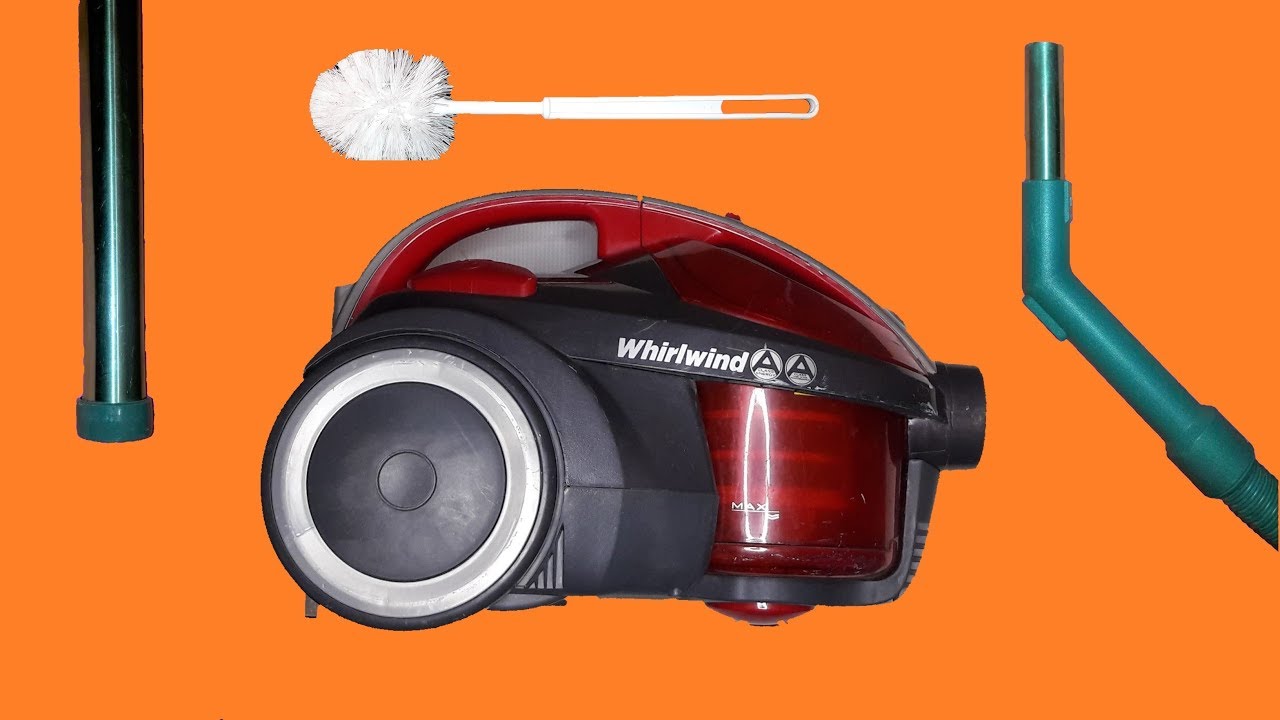
- Use a broom handle or flexible brush to push out the clog
- Empty the dust bin or replace the bag
- Clean or replace filters before testing again
Do not use sharp tools inside hoses. They can tear the material and turn a small problem into a bigger one.
Signs the vacuum is still clogged
Watch for these clues:
• Low suction
• Loud motor sound
• Burning smell
• Automatic shutoff
• Debris not picking up
• Brush roll turning slowly
If these symptoms continue after cleaning, the vacuum cleaner not working issue may involve the belt, motor, or filter system.
Inspect the brush roll and belt
A vacuum cleaner not working can also come down to the brush roll or belt. These parts help the vacuum pick up dirt from carpet, rugs, and pet hair. If they stop moving, cleaning power drops fast.
What the brush roll does
The brush roll agitates carpet fibers and pulls dirt toward the suction path. If hair, string, or thread wraps around it, the roll may stop spinning. That can make the vacuum cleaner not working seem like a major failure.
What the belt does
The belt connects the motor to the brush roll on many upright vacuums. If the belt is stretched, cracked, or broken, the brush may not turn. In some cases, you will hear the motor run, but the vacuum will clean poorly.
How to check both parts
Unplug the vacuum and open the brush head. Then:
• Remove any wrapped hair or thread
• Spin the brush roll by hand
• Look for cracked bristles or damage
• Check the belt for looseness or wear
• Replace the belt if it looks shiny, brittle, or broken
A worn belt is a small part with a big job. I have seen people replace an entire vacuum when a five-minute belt swap would have solved the vacuum cleaner not working issue.
Clean or replace filters
Dirty filters are a very common reason for a vacuum cleaner not working properly. Many people forget filters exist until suction drops hard. A clogged filter makes the motor work harder and can cause overheating.
Why filters matter
Filters trap fine dust, pollen, and small particles. Over time, they fill up. When that happens, air cannot pass through the machine the way it should.
Types of filters you may see
• Foam filters
• Felt filters
• Cartridge filters
• HEPA filters
• Washable filters
Check your manual before washing any filter. Some are washable, while others should be replaced when dirty.
Signs a filter is the problem
• Weak suction
• Dust coming back out
• Strange motor noise
• Overheating
• A vacuum cleaner not working after only a short run time
If the vacuum is bagless, clean the filter as often as the manufacturer recommends. In my experience, this is one of the most overlooked maintenance steps, and it causes a surprising number of vacuum cleaner not working complaints.
Look at the dust bag or bin
A full bag or dust bin can make a vacuum cleaner not working issue look much worse than it is. When dirt has nowhere to go, airflow drops fast.
For bagged vacuums
Replace the bag when it is about two-thirds full, or sooner if suction drops. Some bags look only half full but are already packed tight enough to block airflow.
For bagless vacuums
Empty the bin before it gets packed to the top. Also check the cyclone and seals, because dust can build up in hidden spots.
Watch for seal problems
If the dust bin does not lock in place, suction can leak out. Small cracks, worn gaskets, or a loose latch can make the vacuum cleaner not working problem feel mysterious even though the motor still runs.

Check the battery on cordless vacuums
If you own a cordless model, a dead or weak battery may be the reason your vacuum cleaner not working. Battery issues are common, especially after years of charging and use.
Signs of battery trouble
• Vacuum will not start
• Battery dies very fast
• Power fades after a few seconds
• Charging light does not come on
• Battery feels unusually hot
What to do
Try charging the vacuum with the original charger. If the battery still does not hold power, it may need replacement. Also inspect the charging port for dust or loose contacts.
Cordless vacuums are convenient, but batteries do wear out. That is normal, and it does not always mean the whole machine is bad.

When the motor or switch may be failing
Sometimes the vacuum cleaner not working problem is deeper. If you have checked the outlet, cord, hose, belt, filter, and battery, the issue may be electrical.
Warning signs of a motor issue
• Burning smell
• Clicking or grinding sounds
• Vacuum starts and stops randomly
• Power cuts out even after cooling
• No sound at all with confirmed power
Warning signs of a switch issue
• The vacuum only works when the cord is held at an angle
• The machine cuts in and out
• The switch feels loose or sticky
• The vacuum will not respond at all
At this point, a repair shop may be the safest choice. Internal electrical parts can be risky to test without the right tools and training. I always tell people not to force a vacuum cleaner not working problem past its safe limit.
How to prevent vacuum cleaner problems
Good maintenance keeps a vacuum cleaner not working issue from coming back again and again. A little care goes a long way.
Simple habits that help
• Empty the bin or replace the bag often
• Clean filters on schedule
• Remove hair from the brush roll
• Check the hose for clogs
• Avoid vacuuming large hard objects
• Let the vacuum cool after long use
• Store the machine in a dry place
Best practice from real use
I have learned that regular maintenance matters more than people think. A clean filter and clear hose often do more for performance than any fancy attachment. If you wait until suction disappears, you are already behind.
What not to do
• Do not use the vacuum on wet debris unless it is designed for it
• Do not pull the cord hard from the wall
• Do not run the vacuum with a jammed brush roll
• Do not ignore burning smells or smoke
• Do not wash non-washable filters
These mistakes can shorten the life of the machine fast. Prevention is always cheaper than replacement.
When to repair or replace the vacuum
Not every vacuum cleaner not working problem is worth fixing. Some repairs make sense. Others cost more than the machine is worth.
Repair may make sense if
• The issue is a clog, belt, filter, or brush roll
• The vacuum is a high-quality model
• Replacement parts are easy to find
• The motor and body are still in good shape
Replacement may be smarter if
• The motor has failed
• The frame is cracked
• The battery no longer holds charge
• Repairs cost close to the price of a new vacuum
• The vacuum is very old and inefficient
A good rule is to compare the repair cost to the price of a similar new model. If the repair is more than half the price of replacement, many people choose to upgrade instead.
Frequently Asked Questions of Vacuum cleaner not working
Why is my vacuum cleaner not working but still has power?
This usually means the problem is not electrical. A clog, full bin, dirty filter, or jammed brush roll is often blocking airflow or stopping cleaning performance.
Why does my vacuum turn off after a few minutes?
Overheating is the most common reason. The vacuum may be protecting itself because of a clogged filter, blocked hose, or full dust container.
Why is my vacuum making noise but not sucking?
That often points to a blockage, broken belt, or brush roll issue. The motor may still run, but air is not moving the way it should.
Can a dirty filter stop a vacuum from working?
Yes, absolutely. A clogged filter can reduce suction, overheat the motor, and make the vacuum cleaner not working problem seem much worse than it is.
Should I repair a vacuum or buy a new one?
If the issue is minor, repair is usually worth it. If the motor, battery, or body is failing and repair costs are high, replacing the vacuum may be the better choice.
Conclusion
A vacuum cleaner not working can feel frustrating, but the fix is often simpler than it first appears. Start with power, check for clogs, clean the filters, inspect the belt and brush roll, and look at the battery if you use a cordless model. In many cases, careful troubleshooting brings the machine back to life without a costly repair.
The biggest lesson is this: vacuums usually fail in small ways before they fail completely. If you stay ahead of maintenance and act early, you can save time, money, and a lot of cleaning stress. If this guide helped, share it, save it for later, or leave a comment with the problem you are seeing now.


2 Comments
Pingback: Vacuum Cleaner Not Turning On: Easy Fixes Fast - Vacuum Cleaner Tips
Pingback: Vacuum Cleaner Making Loud Noise: Quick Fixes - Vacuum Cleaner Tips