

Dart boards are more than just a piece of equipment—they shape how you play, who can join in, and even the feel of your game nights. Whether you’re a beginner, a casual player, or aiming for professional tournaments, understanding the different types of dart boards is essential. There’s more variety than most people realize. Let’s explore the main types, their unique features, and how to choose the right one for your needs.
Bristle Dart Boards
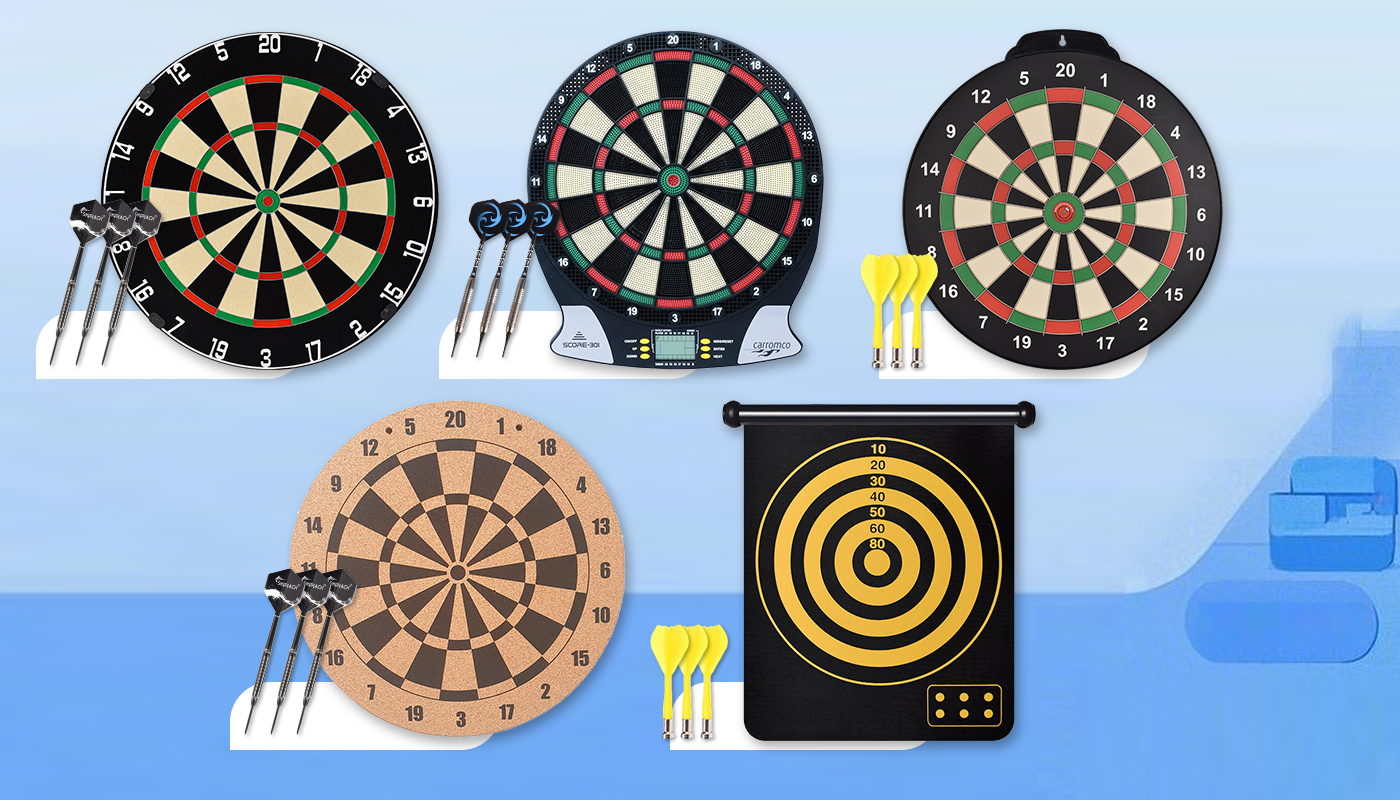
Bristle dart boards are the most popular type for serious players and official competitions. They’re made from compressed sisal fibers—a natural material from the agave plant. When you throw darts, the fibers move aside and then close up after you remove the dart. This self-healing feature gives the board a long life.
Key Features
- Size: Standard diameter is 18 inches, with a playing area of 15.5 inches.
- Durability: Can last for years with regular use.
- Bounce-outs: Thin wires reduce bounce-outs.
- Maintenance: Little maintenance required, but occasional rotation helps even out wear.
Ideal For
- Professional players
- Home tournaments
- Bars and clubs
Example
The Winmau Blade 6 is a top model, used in many world championships. Its wiring system minimizes bounce-outs and increases scoring potential.
| Feature | Bristle Dart Board | Other Types |
|---|---|---|
| Material | Sisal fibers | Varies (wood, cork, plastic) |
| Self-Healing | Yes | No/limited |
| Usage | Professional | Casual/children |
Electronic Dart Boards
Electronic dart boards bring technology into the game. They’re made from plastic segments, with tiny holes to catch soft-tipped darts. The board keeps score automatically, and many models have built-in games.
Key Features
- Automatic scoring: Tracks points and game types electronically.
- Multiplayer support: Some boards handle up to 8 players.
- Soft-tip darts: Safer for children and indoor use.
- Game variety: Includes cricket, 501, and other games.
Pros And Cons
- Pros: Easy for beginners, tracks scores, many games.
- Cons: Can break if used with steel-tip darts, not allowed in most tournaments.
Example
The Arachnid Cricket Pro 800 is a favorite for home and office use. It offers over 30 games, voice prompts, and large displays.
| Feature | Electronic Dart Board | Bristle Dart Board |
|---|---|---|
| Scoring | Automatic | Manual |
| Dart Type | Soft-tip | Steel-tip |
| Safety | High | Medium |
| Game Modes | Multiple | Standard |
Magnetic Dart Boards
Magnetic dart boards are designed for children and casual play. The darts have flat magnetic tips, and the board is made of a magnetic material. There’s no sharp point, so these are very safe.
Key Features
- Safety: No sharp points, so safe for all ages.
- Portability: Often lightweight and easy to hang anywhere.
- Durability: Not as strong as bristle or electronic boards.
Ideal For
- Kids
- Family game nights
- Classrooms
Common Mistake
Many beginners assume these boards are only for children. However, they can be great for casual parties or quick practice when space is limited.
Cork Dart Boards
Cork dart boards look similar to bristle boards, but they’re made from compressed cork. They’re softer and generally cheaper, but they don’t last as long.
Key Features
- Material: Compressed cork sheets.
- Price: Lower than bristle boards.
- Durability: Wears out faster, especially if used with steel-tip darts.
Good For
- Temporary setups
- Casual use
- Light practice
Non-obvious Insight
Cork boards can be a good starter option if you want to try darts without investing much, but if you keep playing, you’ll likely need to upgrade soon.
Wooden Dart Boards
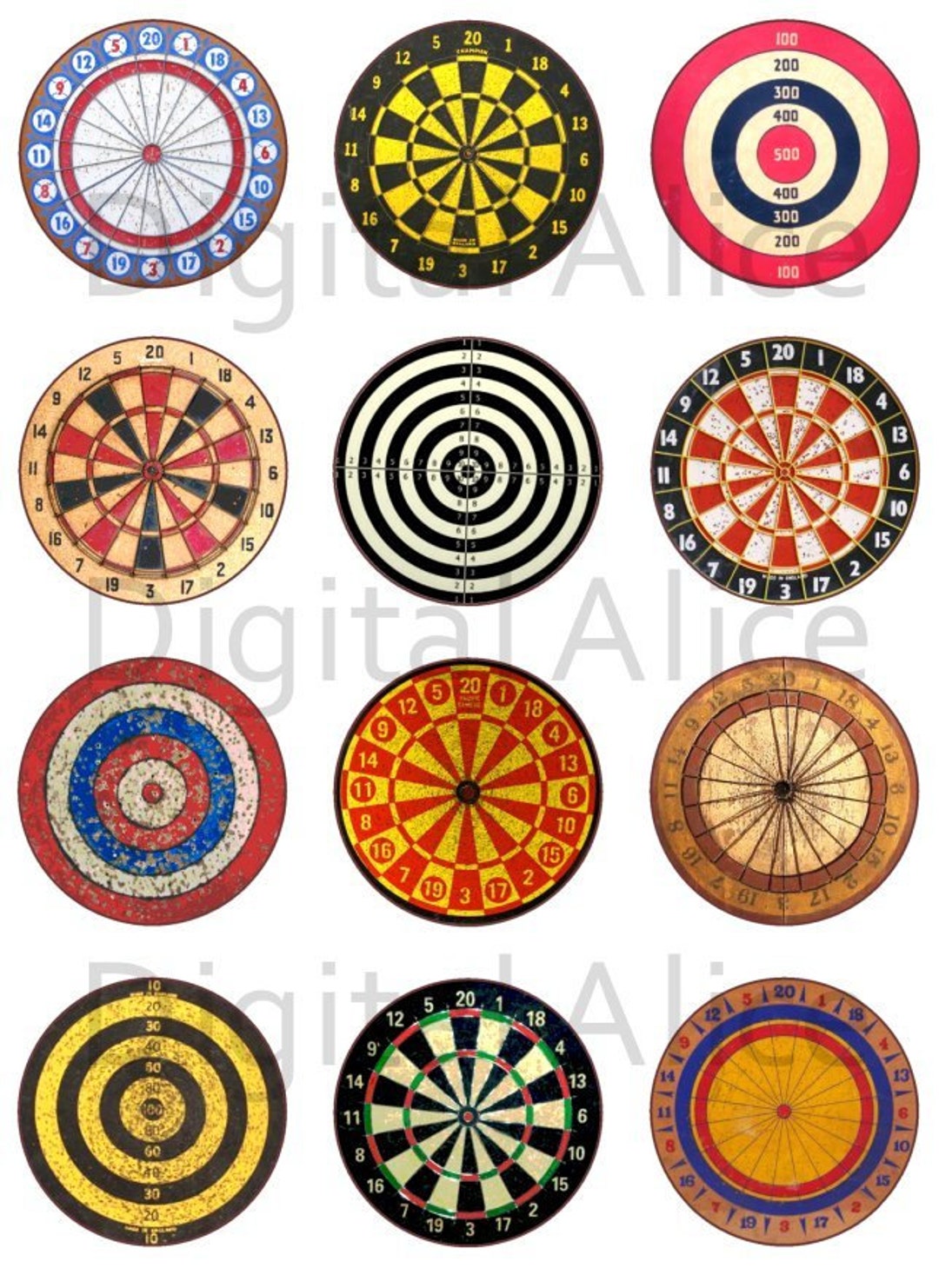
Wooden dart boards are the oldest type, made from hardwood like elm or oak. They require regular soaking to keep the wood soft. Today, they’re rare and mostly used for historic games like Yorkshire or Manchester boards.
Key Features
- Material: Solid wood.
- Maintenance: Needs regular soaking in water.
- Game styles: Often used for regional games with different rules.
Example
The Yorkshire board has no triple ring and a smaller bullseye, making the game more challenging.
Paper Dart Boards
Paper dart boards are made from layers of coiled paper. When you throw a dart, the paper separates, leaving a hole. These boards are cheap and disposable.
Key Features
- Price: Very low cost.
- Durability: Short lifespan; wears out quickly.
- Use: Good for parties or short-term events.
Common Mistake
Some buyers use paper boards for daily practice, but they break down fast and are not suited for regular play.
Specialized Dart Boards
There are some unique boards made for specific games or regions.
Examples
- Manchester board: No double or triple rings, used in Manchester, England.
- Bullseye board: Only has a bullseye, used for training accuracy.
- Quad board: Includes a quadruple ring, used for special high-score games.
Insight
These boards are often handmade and used for local tournaments. Beginners might find them confusing but enthusiasts enjoy the challenge.
Comparing Dart Board Types
Choosing the right dart board depends on your needs, skill level, and where you’ll play. Here’s a quick comparison to help you decide:
| Dart Board Type | Best For | Price Range | Durability |
|---|---|---|---|
| Bristle | Professional & serious play | $40–$100+ | High |
| Electronic | Casual & family | $60–$200 | Medium |
| Magnetic | Children & beginners | $15–$40 | Low |
| Cork | Casual practice | $20–$40 | Low |
| Wooden | Historic games | $50–$120 | Medium |
| Paper | Temporary events | $10–$25 | Very low |
What Makes A Good Dart Board?
When choosing a dart board, consider these factors:
- Material quality: Sisal is best for longevity.
- Wiring: Thin, angled wires reduce bounce-outs.
- Size: Standard boards are 18 inches; smaller boards are for kids or special games.
- Mounting: Solid mounting is important for safety and stability.
Two things many beginners overlook:
- Rotating the board: Rotating a bristle board regularly spreads wear, making it last longer.
- Dart type compatibility: Steel-tip darts need bristle or wooden boards; soft-tip darts are for electronic boards.
Dart Board Maintenance Tips
Taking care of your dart board helps it last longer and keeps your game fair.
- Keep dry: Most boards need a dry environment.
- Rotate regularly: Move the number ring to distribute wear.
- Use proper darts: Never use steel-tip darts on electronic or magnetic boards.
- Clean gently: Use a soft brush to clean bristle boards.

Dart Board Safety
Safety is important, especially if children play. Here are some tips:
- Use soft-tip or magnetic darts for kids.
- Mount securely—a loose board can fall and cause injury.
- Keep play area clear to prevent accidents.
Dart Boards In Competitions
Professional tournaments use bristle dart boards. The PDC (Professional Darts Corporation) and most leagues require boards like the Winmau Blade series. The board is mounted at a height of 5 feet 8 inches from the floor to the bullseye, with a throw line (oche) 7 feet 9.25 inches away.
Electronic boards are sometimes used in soft-tip tournaments, especially in Asia and the US. The rules and scoring can be slightly different.
For more official standards, visit Wikipedia’s Dartboard Page.
Frequently Asked Questions
What Is The Best Dart Board For Beginners?
The best dart board for beginners is usually a bristle board if you want to learn proper technique. If safety is a concern, magnetic boards are great for children.
Can I Use Steel-tip Darts On Electronic Boards?
No, steel-tip darts should never be used on electronic boards. They can damage the plastic segments and ruin the board.
How Long Does A Bristle Dart Board Last?
A bristle dart board can last for 2–5 years, depending on how often you play and if you rotate the board regularly.
Are Cork Dart Boards Good For Practicing?
Cork dart boards are fine for short-term practice, but they wear out quickly. If you plan to practice often, a bristle board is much better.
What Is The Standard Size For A Dart Board?
The standard size is 18 inches in diameter, with a 15.5-inch playing area. This is used for most professional tournaments.
Choosing the right dart board is more than picking a random model—it’s about matching your skill, environment, and goals. With so many types—bristle, electronic, magnetic, cork, wooden, paper, and specialized boards—you have plenty of options. If you play often and want to improve, investing in a quality bristle board makes sense.
For casual fun, magnetic or electronic boards offer safety and variety. Remember, a good dart board can turn a simple game into a lifelong hobby.

